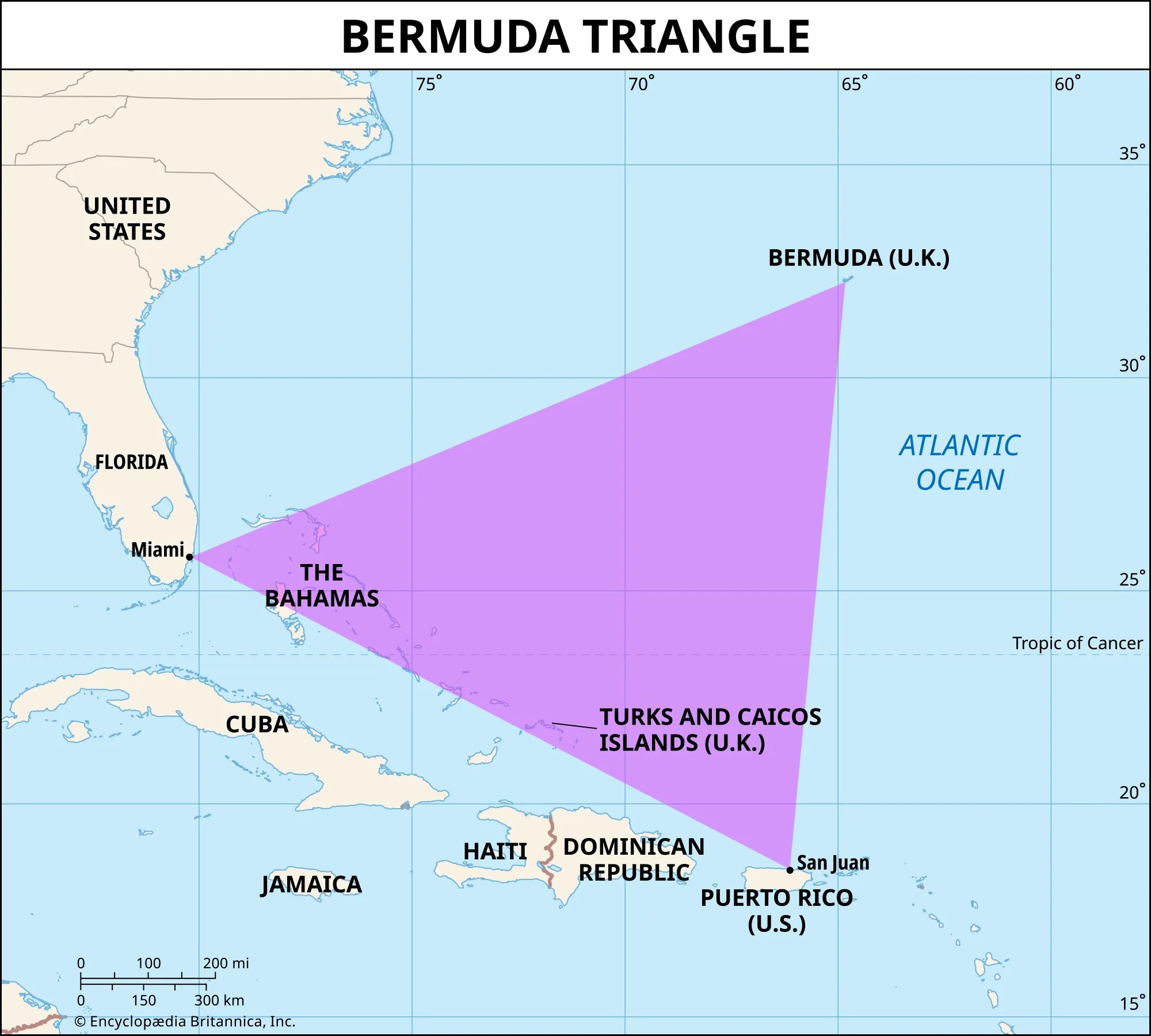
I had never been on a real cruise. I say that because back in the 1990s I went on a small 2-night cruise from Florida to the Bahamas that was part of a time-share promotion. It was a small ship, and you could easily walk from one end to the other in about three minutes. No one even worried about not knowing where their kids were because it was impossible to get lost. I always wanted to try a longer cruise, but I didn’t book one until 2025.
In 2025, Princess Cruises advertised a discount on a 16-day cruise to Hawaii departing the Port of Los Angeles in March 2026. Paul had been on several cruises in the past, but none this long, and he had never been to Hawaii. I had spent a week on Oahu, Hawaii in the 1990s, but had never been on anything beyond that 2-night cruise years ago. We decided we could cross something off each of our bucket lists, so we booked the cruise.
Having never been on a long cruise, I read everything, explored excursion and add-on options, and booked everything in advance. We elected to purchase a package that included specialty restaurant dining, up to 20 drinks per day, all digital photo downloads, and three printed 8 x 10 photos each. It was worth the price. Even though Paul does not drink alcohol and I am not a huge drinker (the most alcoholic drinks I had in one day was about eight), the specialty dining and photo downloads made it worth the price.

Rather than fly, we made the four-hour drive from our home in Arizona to the Los Angeles Port. We arrived two days before the cruise and stayed at the Best Western Hotel only about 10 minutes from the port. The two-night early arrival gave us time to shop and explore the area before cruise time. This gave us some pre-cruise time to shop and explore the area, and guaranteed we wouldn’t run into any transportation delays on the day of embarkation. Very close to the port is the Friendship Bell, a gift from Korea, beautifully displayed and worth taking some time to visit.
Even the best laid plans can falter. The parking lot at the Los Angeles World Cruise Center was poorly marked and a bit confusing. We entered the lot by mistake, then had to exit to drive around to the ADA loading spot where I could drop off Paul, our luggage, and Paul’s walker before parking the car.
One requirement many may not be aware of is that you must scan a credit card when entering the parking lot. You must scan that same card to leave the parking lot at the end of your cruise. You do not receive any slip or receipt; the fees are charged to our credit card. Parking is $23 per day at the port, so you’ll want to add that to your overall trip expense if driving. Handicap parking was full, but I was able to park only two spots down from the end of the handicap parking.
Once I got back to Paul, we checked in. Princess is very well organized for processing their ADA passengers. Be aware that boarding is a long walk, even if you are ADA. Paul uses a walker for distance, but it is actually me who is placard-plated for handicap parking due to injuries I sustained in 2010. I made the mistake of wearing flip-flops; given the extensive walking, tennis shoes for added stability would have been better for boarding.
Before leaving home, you receive your medallions. The medallion is worn everywhere on the cruise. They are necessary to board the ship, serve as your room key and credit card on board, advise restaurants, servers, and photographers on the ship who you are and what packages (alcohol, restaurants, etc.) you have purchased. It allows not only the cruise line to know where you are and locate you on board if necessary but also allows you and your fellow travelers to track each other’s location on the ship. This can be both positive and negative at the same time. One day, when Paul and I were meeting for lunch, he looked me up and then sent me a message saying I was walking in the wrong direction. My reply: not for the ladies’ restroom!

On departure day, we knew we would likely not see our luggage for several hours, as they have hundreds of bags to deliver to their respective cabins. Don’t worry, they had it there in plenty of time for us to dress for dinner. In the meantime, the atmosphere is festive at the departure port, with a poolside band and a party vibe. Going on a 16-day cruise across the ocean from California to Hawaii, this was the last time we would see land for six days. You must also participate in the muster activity, so you know where to go in case of an emergency while at sea. Again, they know you have participated because you are required to scan your medallion at the muster station.
As a first-time cruiser, I have to say those days at sea were peaceful and relaxing. If you are a partier, there is always something to do on board. You can be as busy or as inactive as you choose every day. I decided to sign up for the Princess Cruise Book Club. There were only three meetings. The initial meeting was when you received the book, which is on loan only and not available for purchase. The club coordinator does not select the book; Princess Cruises tells them which book to use that month. Ours was Birnam Wood by Eleanor Catton. You then have a mid-trip meeting to review the book up to the point the slowest reader has reached. The final meeting is a full review of the book and when you turn in the books. I had never participated in a book club where everyone reads the same book, so I found the experience interesting.
Paul and I fell into a routine after a couple of days. We always started with breakfast in the banquet room, then we would usually go our separate ways to different activities. Paul enjoyed several presentations on Hawaii, ocean life, and more. I participated in jewelry-making classes, a few games, and spent a considerable amount of time reading. We would then meet after our morning activities, usually around 11:30-noon, at the International Café for lunch. This has a nice walk-up counter with sandwiches, soup, and desserts. There is also a spot to get coffee and a bar for alcohol.


After lunch, Paul and I again went our separate ways, either to additional presentations or just to relax and read. I quite often went to either the library or my favorite lounge on board, where they had a drink called The Dunes that I favored. Another favorite spot for afternoon reading was O’Malley’s, where I could get an Irish Coffee. Paul liked to go out on the deck to sit and read, but I found the ocean air cool so preferred to stay inside most of the time.
I would meet Paul in our room around 4:00-4:30 to dress for dinner. Except for the three formal nights, dinner was dress-casual, which meant slacks and shirts for men, and dresses or slacks with a nice blouse for women. While specific time dining is available in two of the dining rooms, we chose walk-in dining. That means you can arrive at any time during the dining room’s dinner service and be seated either as a couple or with other diners, depending on which seats are available. Sitting with a variety of others always makes for interesting conversation.


The optional package we purchased included dining at specialty restaurants on board. During our cruise, we enjoyed dinner at the Italian restaurant, the BBQ restaurant, and went to Crowley’s Steak House twice. It doesn’t matter whether you are in the dining room or at a specialty spot; the service and food are excellent. I always found it interesting that if you weren’t quick enough, the waiter would place your napkin in your lap for you. They also cleared and replaced all the silverware after every course, regardless of whether you had used it. The meals were relaxing and comfortable. There is also a buffet, which we went to for one meal, but we were not impressed. We found the food to be barely warm or cold, and finding a spot to sit was especially difficult. While some love this type of casual setting, we decided it wasn’t for us.


After dinner, we tried to catch the 7 pm show in the Princess Theatre every night. They have two shows per night, at 7 pm and 9 pm, but the early show seating was always packed so we tried to get there early. Every night of the cruise is a different show. After the show, Paul usually went up to our room for the evening. My plans varied depending on what else was going on. Karaoke was held in one of the lounges on certain nights at 10 pm, and I always made sure to go down for it. They had some talented singers on board, and it was always a good show.
We spent Easter on board, and we were surprised by how many children were aboard when the Easter Bunny appeared. They also had large, decorated chocolate eggs on display in front of all the food establishments. Princess does not cater to the family crowd, and is more of an adult-oriented cruise, which is nice for those without children. However, they do take special steps to make things nice for those with little ones.


The six days at sea went quickly, and we were arriving in our first Hawaiian Port. We had four Hawaiian islands to visit—Hawaii (the Big Island), Oahu, Maui, and Kauai; one port per day. We had pre-booked our excursions, deciding that we preferred morning tours and returning to the ship in the early afternoon. The variety of options was expansive, and we took care to choose based on our mobility concerns.
On Hawaii (the Big Island), we did a tour of the 1,000-acre O.K. Farms, which was well narrated by our driver and interesting. We were given a tram tour of various areas of the farm to view where they grow fruit, coffee, macadamia nuts, spices, and cacao (chocolate). The tour included a short walk among the spice trees to sample and learn about the various spices. We had a sampling of fruit and macadamia nut cracking. We visited two waterfalls on the farm, including the famous Rainbow Falls. It was an educational and fun excursion.


On Oahu, we visited Pearl Harbor. There was a wide range of tour options available for this historical site. Unfortunately, the information on the Princess website listed far more items as part of the tour than what we received. Pearl Harbor has expanded massively since I was there in the 1990s. The three-hour excursion we booked did not even give us enough time to fully enjoy the film and the museum; we had to cut our time there short. Paul enjoys reading museum exhibits thoroughly, and I had to go back and point out that our three-hour time was running short and that he needed to hurry through them.
None of the excursions include a trip out to the Arizona Memorial; you are on your own to get tickets on a first-come, first-served basis once your bus arrives at Pearl Harbor. We elected to spend our time visiting attractions on the ground rather than standing in line in hopes of getting tickets. Even given our advance planning, we did not have time to walk around and enjoy other areas of the site beyond the movie and museum. The excursion we booked had also listed a drive past King Kamehameha’s palace, a tower, other sights, and a stop for a photo op in downtown Honolulu, but none of this occurred.

the Pearl Harbor Museum


After returning to the cruise ship, we complained at the excursion booking desk that our outing did not include everything listed on the cruise line’s website. The woman at the excursion desk commented that there isn’t enough time to do all those things in three hours. I explained that it should not have been listed in the overview when I was booking, as we had no way of knowing that. The next day, we received a message on our cabin phone that Princess had refunded part of the cost of our excursion. If you are visiting Pearl Harbor, I recommend allowing several hours at this location. If, like us, you cannot navigate certain areas included in the preplanned excursions, such as the submarine, I would consider taking a taxi and handling Pearl Harbor on your own.

I can’t forget the chickens and roosters. Everywhere you go on the Hawaiian Islands you see chickens and roosters everywhere. Early Polynesian voyagers brought red junglefowel, called moa, to the islands over 1,000 years ago. Later, European and Asian settlers brought domestic chickens to creat a hardy hybrid. When major storms, including Hurrican Iwa in 1982 and Hurrican Iniki in 1992 smashed open backyard chicken coops and game farms, thousands of chickens and roosters escaped into the wild. Because there are no predators on the island, the chickens are able to multiply and enjoy warm year-round weather and plentiful food. We were told these wild chickens are not good for eating.
Our excursion on Kauai was the Wailua River Cruise and visit to the Fern Grotto. It was a relaxing and scenic trip up Hawaii’s only navigable river to the Fern Grotto, which is a natural lava-rock cave. The area is famous for its upside-down ferns and tropical plants. It is only accessible via the boat tour we took. The boat cruise includes live Hawaiian music, a hula demonstration, and narration about the local history and culture. After we departed the river cruise area, our tour guide stopped the bus so everyone could view Opackaa Falls. The name stands for falling shrimp, because the area was once plentiful with freshwater shrimp. There was also an overlook of the river we had traveled down during the river cruise.


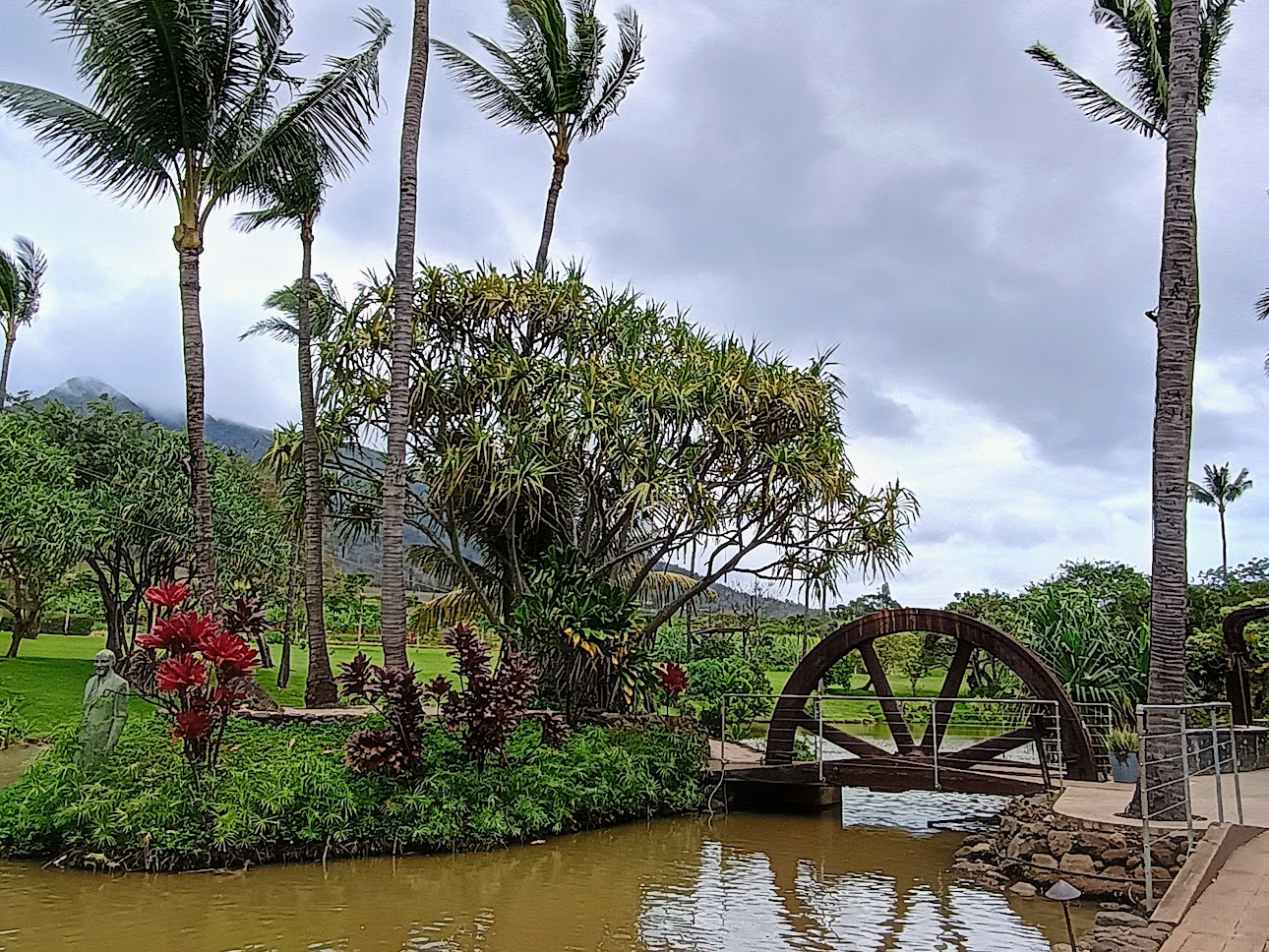
Our final stop in Hawaii was Maui, where our excursion took us to the Maui Ocean Center and the Maui Tropical Plantation. The Maui Ocean Center, also known as the Aquarium of Hawaii, showcases marine life found in Hawaiian waters. You will view coral reefs, sharks, rays, and sea turtles, as well as a wide variety of other fish and sea life. This is definitely a must-see on the island, and we enjoyed it immensely. The second stop on our Maui excursion was the Maui Tropical Plantation, which offers a tram tour through its lush gardens, a stop at an art carver’s area, and a demonstration of coconut husking. The farm grows over 40 varieties of crops and, for the more adventurous, offers ziplining. The gift shop carries a variety of snacks, food, and beverages.


The four days in Hawaii went by quickly, and we were soon back on the ocean for five days, en route to Ensenada, Mexico. Our time on the water was relaxing, and we fell back into the routine we had cruising from California to Hawaii. Most cruise lines are licensed outside the U.S. and must include at least one international port to maintain their licenses. For that reason, our Hawaiian cruise included a stop in Mexico.
Ensenada, Mexico, is located in Baja California. It is a nice little tourist town, and we purchased the Dancing Horses Excursion. To reach the location for this equestrian performance, you will travel through the Mexican countryside. A complimentary glass of Sangria was provided to all guests at the ranch; those who preferred an alcohol-free option received an alternative beverage. The thoroughbred horses are well-trained and perform rhythmic footwork set to traditional Mexican music. There was also time to walk around and view the horses in their stables. After the performance, we were taken back into the town of Ensenada, where we enjoyed tequila tasting. There is a wider variety of tequila flavors than I was aware of; many I really enjoyed, but the cost per bottle was higher than I cared to pay.


Sadly, our 16-day cruise was soon over, and we were back at port in Los Angeles. If you have never cruised, be aware that the night before disembarkation you must place all your luggage outside your cabin door by 6 pm. You then depart the cruise ship after breakfast, in stages, according to the group you have been assigned to. After being scanned out of the ship and through customs, you proceed to the luggage terminal to collect your suitcases.
This is where an enjoyable cruise turned into a departure nightmare. One of our suitcases was not in its designated spot. We walked around nearby but could not locate it, so we asked a worker for assistance. He finally found it across the building, but workers are not allowed to touch luggage, so I had to walk over to retrieve it myself. We then got a luggage porter to load our luggage onto a cart and transport it to the parking lot. They are only allowed to go just inside the fence area, not to your vehicle, so I left Paul, his walker, and all the luggage there and went to get the Jeep.
I walked in the direction I had come from when I originally parked the car. When I got to the end of the handicap parking, not only wasn’t our Jeep there, but I could tell the lot didn’t curve at that corner as it did where I had parked. That is when I realized that we had come back into dock two ports over from where we had left, for example, leaving for the cruise from Port 91, but returned to Port 93. I stopped someone who worked in the port and asked about getting to the spot where my vehicle was. I learned it was a considerable distance over, beyond a bridge, and there was no way to walk through the fenced area between the lots. I had to walk back the way I had come, around a fence, then across two parking lots to the far corner to reach my vehicle. Now, keep in mind, I am handicap-plated, and there were no trams at the port for transporting people to or from their vehicles. By the time I reached our vehicle, my ankle was extremely swollen and sore. I then had to navigate the Jeep back across those two lots and get into line to pick up Paul and the luggage. Not a good way to end a fabulous cruise!
I was not happy that we returned so far from our departure location and there were no accommodations for getting people to their cars. While I don’t hold Princess 100% responsible, I assume they have considerable pull with the port authority given the number of cruises they have going in and out. I made sure to let Princess know about this huge problem when I filled in my survey.
Overall, my opinion is that my Princess Cruise was a fantastic trip and I would 100% cruise with this line again.