I recently had a pop-up on Facebook regarding not hearing about the Bermuda Triangle anymore. I recall growing up in the 1970s and hearing frequently about boats and airplanes disappearing in that location. As time went on I realized it was no longer in the news. With the recent pop-up on Facebook, my curiosity was piqued.
What better place to begin my research than the Britannica Encyclopedia? According to the encyclopedia, more than 20 airplanes and 50 ships disappeared without a trace in the triangular area between the northern point of Bermuda, Puerto Rico, and Florida, near Miami. Occasionally a vessel was found completely abandoned, with no apparent reason for abandonment. Aircraft flying in the area completely vanished. No distress signals were received from ships or airplanes, and only minimal debris has ever been found; no bodies have been recovered. Even search and rescue missions disappeared without explanation.
I remember people being very superstitious about the area and wondering why anyone would travel within that zone because of the numerous disappearances. Some believed the pilots failed to consider the agonic line. This is an imaginary line on the Earth’s surface where magnetic north and true north are identical, resulting in no need to compensate for magnetic compass variation. Failing to compensate for this can result in a severe navigational error that can lead to a catastrophic accident and disappearance. Others believed the ships were overcome by rogue waves, which can be as high as 100 feet and strong enough to destroy a ship or a low-flying airplane.
The name “Bermuda Triangle” dates back to a 1964 article in Argosy, an American pulp magazine. The article discusses a pattern of ships and airplanes disappearing in the area without any explanation. The Deadly Bermuda Triangle by Vincent H. Gaddis examines the history of industrial, military, and commercial flights and ships that have disappeared in the area before the writing of the article. Gaddis provides a list of ships disappearing in the area as far back as 1854. It goes back to 1840 if you include the Rosalie, which was found with everyone missing onboard except a half-starved, caged canary.
In 1881, a schooner was found that was deserted, everything was in order, and there was “evidence of a struggle.” A crew from the ship Ellen Austin went on board to claim salvage. A squall separated the two ships as they were en route to port. The schooner was found; the crew had vanished. Another crew agreed to go aboard, but again a squall separated the two ships. The schooner and its men were never heard from or seen again.
Marina Life has an article by James R. Barneff, The Mystery of the Bermuda Triangle, written in September 2023. According to him, it was Christopher Columbus in 1492 who first recorded weird phenomena in the Bermuda Triangle—strange lights in the distance, erratic compass readings, patches of white water, and a large ball of fire crashing into the sea. They encountered a floating sargassum carpet, a mass of seaweed and tropical berries, which was so thick that they had difficulty navigating through it. The article lists a series of disappearances. It begins with the 1918 disappearance of the U.S. Navy ship, the USS Cyclops. The 542-foot-long cargo ship was carrying over 300 men and 10,000 tons of manganese ore. They sent a message that they had fair weather, and all was well, but it never arrived in port. In 1941, two of her sister ships also vanished in the same area without a trace.
Over the years, various theories have been proposed regarding the disappearances, including those involving aliens, time warps, and reverse gravity fields. Scientists have noted that the Bermuda Triangle is one of two locations on Earth where compasses align with true north instead of magnetic north, which can interfere with navigation if not accounted for. Other theories include pilot errors, sudden storms, running out of fuel, and damaged ships and airplanes. The mystery is that the Coast Guard has never been able to find any wreckage in the area.
So where are we today? The article The Mystery of the Bermuda Triangle Finally Unveiled, shares that a shipwreck occurred in December 2020, when the vessel and its 20 crew members all disappeared. No trace of the ship, debris, or persons on board has been found. An average of 20 boats and four planes disappear in the Bermuda Triangle each year without explanation.
No firm explanation has ever been made, probably because there are no distress signals, no survivors, and no wreckage to determine a cause. Various factors may contribute to the disappearances, including the Gulf Stream crossing the Bermuda Triangle, which can cause sudden weather changes. The Milwaukee Depth (27,493 feet, 5.26 inches), the deepest point in the Atlantic Ocean, is located within the Bermuda Triangle. Methane gas production below the water’s surface is massive. Due to these natural circumstances, scientists believe that the ocean depth and methane gas production may cause underwater crevices to open, releasing giant bubbles of methane. This could lead to massive blowouts of gas that could suck boats below the surface and cause engines and aircraft probes to malfunction.
Why don’t we hear about it anymore? Most likely because, as science evolves, the mystery of the Bermuda Triangle has been debunked. Compasses that read true north instead of magnetic north can cause a 20-degree difference in readings, leading to navigational errors and significantly deviating from course. The unpredictable weather patterns of the area can create sudden waterspouts and thunderstorms, putting ships and airplanes into danger, and the fast, turbulent Gulf Stream can quickly erase any wreckage.
One of the main factors contributing to its loss of media coverage is that conspiracy theorists and journalists built popularity and hype around a dangerous area, when in fact, there are other, more hazardous locations. The Bermuda Triangle didn’t even make the list for dangerous shipping incidents from 1999-2011: British Isles, Bay of Biscay, North Sea; East Mediterranean Black Sea; Japan, Korea; West Mediterranean; Gulf; South China Sea, East Indies; West African Boast; Panama Canal; East African Coast; and Bay of Bengal.
The bottom line is that the mystery of the Bermuda Triangle remains a topic of debate to this day. Many minds still ponder its origins. However, scientists often attribute it to natural phenomena and weather. The Bermuda Triangle is considered safe and is heavily traveled.
In Part 1 of this series, I explained how I became curious about the planned conversions from the Imperial to the Metric systems of measurement in Canada and the United States. In Part II, I provided a history of Canada’s laws that enforced the conversion and where the country stands now in utilizing the Imperial versus Metric measuring systems. Now, let’s examine the United States’ history regarding the metric system, followed by my opinion on why it failed to implement the planned conversion.
The United States is a muddled mess when it comes to its measuring system. This inconsistency and lack of follow-through dates back to our founding fathers and continues through our failure to complete the transition to the metric system in the 1970s.
History:
When the American Colonies were being formed, the Founding Fathers decided to use an antiquated measurement system they inherited from the British Empire. Article 1, Section 8, of the Constitution of the United States provided that Congress should have the power “to coin Money… and fix the Standard of Weights and Measures.” Thomas Jefferson, Secretary of State in 1790, endorsed the use of a decimal system of measurement. The only fear was that the United States would be unable to verify the metric units without sending a delegation to France, which would be costly.
The metric system originated in France. The goal was to establish a uniform standard for all measurements and weights. The unit of length was a portion of the Earth’s circumference, and volume and mass were derived from the length unit. This was achieved by multiplying or dividing by 10 and its powers. Ten is much easier to work with than dividing by 16 (to convert ounces to pounds) or 12 (to convert inches to feet). The metric system is a decimal system with a base of 10, allowing for calculations by shifting the decimal point.
The French government officially adopted the metric system on April 7, 1795. A scientific conference was held from 1798 to 1799 to validate the system and design prototype standards, with representatives from Denmark, Italy, the Netherlands, Spain, and Switzerland in attendance. The adopted standards became official in France on December 10, 1799.
The United States was snubbed by France when it invited the other dignitaries to travel to Paris to learn the metric system in 1978. This snubbing was due to the U.S. entering into the Jay Treaty of 1796 with Great Britain, a French rival. France viewed this as a violation of its own treaty with the United States. It retaliated by seizing American merchant ships and refusing to invite them to the conference on the metric system.
The United States, having not taken part in this gathering, adopted the U.S. Customary System as our official form of measurement under Secretary of State John Quincy Adams in 1821. Part of the reason for this decision was fear that the metric system might fail following Napoleon Bonaparte’s reign during the early 19th century. Napoleon imposed the metric system on the countries he conquered, making it a symbol of French control. When European countries revolted against French control, they returned to their original means of measurement. Even with this revolt against France, the metric system continued to grow in popularity. By the end of the American Civil War in 1865, most of Europe had adopted the decimal-based measuring system.
The metric system was gaining popularity worldwide, and although we had not been invited to the 1798 gathering in France to learn about the system, President Andrew Johnson recognized its importance. In 1866, President Johnson signed the Kasson Act, making it “lawful throughout the United States of America to employ the weights and measures of the metric system in all contracts, dealings, or court proceedings.”
France held another meeting of the world’s leading nations to discuss a new international version of the metric system, and the United States received an invitation and sent delegates. During the 1875 meeting, the United States and 16 other countries signed the Treaty of Metre, establishing the International Bureau of Weights and Measures. The treaty also created the International Committee for Weights and Measures to oversee the Bureau and the General Conference on Weights and Measures to consider and adopt changes. A lab in Sevres, near Paris, was selected to house the international metric standards. The U.S. received its copies of these documents in 1890.
The Mendenhall Order of 1893 stipulated that the fundamental standards for length and mass in the U.S. would be based on metric units. This means the U.S. officially and legally recognized the metric system 159 years ago when Tomas Jefferson, in 1790, endorsed the decimal system of measurement. That standard was confirmed 132 years ago with the signing of the Mendenhall Order.
Current U.S. Standards
If you are like me, you probably read those last two dates and went “what!!!” If this has been our standard for over 132-159 years, why are we still not using the metric system? In my opinion, it is a combination of laziness, unwillingness to invest financially in the change, and, most importantly, lawmakers who were weak in committing to the change and developing a law that would mandate the conversion. Here is what happened that led me to that thought process:
Fast forward 78 years from the entry of the Mendenhall Order to 1971. The United States is still operating under the Customary Imperial system. The U.S. National Bureau of Standards recommended in 1971 that the U.S. transition to the metric system over the course of 10 years. This would mean that by 1981, the country would be fully converted to the metric system. The first problem was the weak law that enacted this process.
The Metric Conversion Act was signed into law by President Gerald Ford on December 23, 1975. It states that the metric system is “the preferred system of weights and measures for United States trade and commerce.” Still, it permits the U.S. customary units in all activities. It states that all conversions to metric are “completely voluntary” rather than establishing the 10-year deadline recommended by the U.S. National Bureau of Standards. Schools began teaching children the metric system, and some businesses made the change; however, the majority of conversions never took place.
Due to the U.S. failing to complete the conversion to the metric system, conducting business with foreign countries became more difficult. In 1988, the Omnibus Trade and Competitiveness Act amended the 1975 Metric Conversion Act. Federal agencies were now required to use the metric system in business activities, including procurement grants, by the end of the 1992 fiscal year. It designated the metric system as the preferred standard for trade and commerce and assigned the Federal Government the task of helping industry make a voluntary conversion to the metric system. The problem is that the conversion remains voluntary, and the private sector has no obligation to implement the change.
The result of these non-mandatory laws is that they left the United States out of sync with the rest of the world. It also means that some industries made partial or complete changes, while made no change at all. The United States is a hub of various measuring standards that are not mutually compatible.
Today, the U.S. uses the SI (International System of Units) on a daily basis. About 30% of products manufactured in the U.S. use metric units. Pharmaceuticals are all metric, and beverages show both U.S. customary and metric units. Film, tools, and bicycles are metric. U.S. coins & currency are produced using metric specifications. Wine and distilled spirits have been using only metric measurements since the early 1980s. Packaging uses metric units to provide net quantity, nutrition, and health-related information for prescription drugs, over-the-counter medications, vitamin supplements, and other products. The U.S. lighting sector uses metrics for light output (lumens), peak beam intensity (candela), beam distance (in meters), and impact resistance (in meters).
Understanding Imperial Standards
This article begins with Part 1, which explains my curiosity about how our current measures were established. I’ve taken a wide-ranging approach to the subject, due in part to my curiosity and love of history, and partly because I believe that to understand where we are, we must know where we came from.
While all this history is fascinating, it still didn’t answer my question of how the Imperial System of measurements was established. These measurements appear to date back to around 450 CE (Common Era; a secular version of AD). It was then that the Germanic tribes invaded England and established a system of measurement that remains in use today:
An inch (ynce) was the length of three (3) barleycorns.
A foot was initially based on the length of a human foot. This led to inconsistencies in measurement, so the 12-inch foot was officially codified by King Edward II, likely because 12 has more factors, making it easier to subdivide for carpentry and construction.
A yard was established as a 3-foot construction standard.
An acre means a field and was considered the size of a field that a farmer could plow in one day.
A gallon represents the volume equivalent to eight pounds of wheat.
A mile was established by the British Parliament as eight (8) furlongs, or 5,280 feet. A furlong was a length based on a single furrow in a plowed field and was standardized by England’s government around 1300.
The United States is the only industrialized nation that hasn’t made the metric system compulsory. While cost is one factor, the main reason is the failure of Congress to make the metric system mandatory in all 50 states, the District of Columbia, and all U.S. territories. The U.S. made the conversion voluntary in laws enacted in both 1866 and 1975. The country has failed to adopt a unified system of metric measurement for transactions that affect the lives of ordinary citizens.
This has led to a hubbub of mixed measuring standards:
A football field is measured in yards, but footraces are measured using meters.
Mechanics use horsepower to measure an automobile engine’s power, but the same engine’s displacement is in liters.
Air pressure is expressed in pounds per square inch, which is equivalent to millibars for air pressure aloft, and inches of mercury for surface atmospheric pressure.
In the U.S. Customary System, there are over 300 different units used to measure various physical quantities. The failure of Congress to make conversion to the metric system mandatory has resulted in the U.S. being a hodgepodge of imperial and metric systems.
Basic Measurement Conversions:
1 mile = 1.6 kilometers. 1 foot (12 inches) = 30 centimeters 1 inch is about 25 millimeters or 2.54 centimeters 1 yard (3 feet) is almost 1 meter 1 kilogram is just over 2 pounds 1 pound is about 454 grams In the U.K., 14 pounds = 1 stone
Converting Fahrenheit to Celsius is easy: 0 degrees Celsius (°C) is equal to 32 degrees Fahrenheit (°F) 24 degrees Celsius is equal to 75 degrees Fahrenheit To convert Celsius to Fahrenheit, use the formula of (c x 1.8) + 32
If you want to know more, you can use the World Wide Metric Conversion Calculator for converting pressure, temperature, length, weight, and volume. Just enter the measurement you have, and it will fill in all other boxes within that area.
In closing, should the United States have enacted firmer laws mandating the change to metric? Do you think it would be better if we were on the same measuring system as the rest of the world, or do you like being a stand-alone country using the U.S. Customary System adaptation of the British Imperial System? Share your thoughts in the comments below.
Listening to a weather forecast on a Canadian TV station, the temperatures are given in Celsius. Paul, who grew up in Canada, makes the mental conversion easily. Paul grew up using the Imperial system of measurement, which is used in the United States. After he was an adult and had immigrated to the U.S., Canada converted to the metric system. Paul is an electrician, a profession that uses the metric system of measurement. That, combined with his frequent travel to Canada, means he is familiar with both systems and believes the metric is a more accurate means of measurement.
Paul frequently comments that the U.S. was supposed to make the conversion to the metric system when Canada did, but failed to fulfill their promise. I recall being in grade school when we were told that the United States would adopt the metric system. I wondered how valid Paul’s repeated comment was, so I delved into researching the topic.
Canada was making the transition at the same time and completed their conversion between 1970 and 1985. The United States never finished the conversion, despite agreeing to do so, and continues to use the Imperial System today. That made me wonder, why did Canada succeed, and we didn’t?
In my opinion, the U.S. failed to complete the conversion due to a lack of effort and unwillingness to invest in implementing the change. Businesses opposed the cost of having to retool and adjust standardized measurement systems, including bolts, pipes, and nuts, to metric measurements. The Metric Conversion Act of 1975 [ https://usma.org/laws-and-bills/metric-conversion-act-of-1975 ] made the metric system preferred, but not mandatory. This, combined with public resistance and the government’s inability to enforce the change, led to the failure to implement the change.
As of today, the United States is only one of three countries (the United States, Liberia, and Myanmar (Burma)) worldwide using the Imperial measurement system. The Imperial system [ https://www.britannica.com/topic/Imperial-unit ] (also known as the British Imperial system) originated from the British Empire, which ruled many areas of the world between the 16th and 19th centuries. Although the U.S. Founding Fathers made numerous changes in governing style when obtaining independence from Britain, they decided to maintain the Imperial system of measurement, despite the metric system growing in popularity.
Rather than adopting it in its original state, the United States devised its own version of the Imperial system, known as the U.S. Customary System. It uses measurements of feet, pounds, and miles, but differs slightly from the British Imperial system. The most substantial difference is in volume:
The U.S. Customary fluid ounce is 29.573 ml; the British Imperial fluid ounce is 28.413 milliliters.
The U.S. Customary pint is 473.176 ml (16 fl. oz); the British Imperial pint is 568.261 ml (20 fl. oz).
The U.S. Customary quart is 0.94 L (32 fl. oz); the British Imperial quart is 1.13 L (40 fl. oz).
The U.S. Customary gallon is 3.78 L (128 fl. oz); the British Imperial gallon is 4.54 L (160 fl. oz).
The reason for creating the Customary version of the Imperial system was that the metric system was not yet fully developed. The Founding Fathers had a desire to establish a unique national identity and infrastructure, and tweaking the system to make it unique to the U.S. was their way of achieving this goal.
Myanmar (Burma) and Liberia use the Imperial system but are transitioning to the metric system; neither has a predicted completion date. Once their conversions are final, the U.S. will be the sole user of the Imperial system. In 2021, the British government announced plans to return to the Imperial system during its exit from the European Union. The changeover began but was abandoned in 2024 after consulting with the public and discovering overwhelming support for using metric units. They do still use the imperial system for things such as beer sales, road speed, and distance signs, and body measurements.
Although I found the metric system difficult to learn as a child, our government failed its citizens by not enforcing a complete change in the 1970s. A full conversion would have served business owners better in international trade negotiations and put us on equal terms with all foreign lands in understanding measurements when traveling.
All countries worldwide, including the U.S., Myanmar, and Liberia, have adopted or legally sanctioned the International System of Units (SI), the modern form of the metric system. Canada and the United States are both melting pots of the Imperial and Metric measurement styles.
Watch for Part II and Part III in upcoming blogs, which will deal with the law and the Canadian conversion, the laws and the United States conversion, and where the United States stands today.
I recently heard a comment that a 30-second spot for advertising during the 2025 Super Bowl was $8 million. In addition to the game-time advertising, Fox Network, which aired the game, also sold pre-game ad slots for about $4.5 million each and post-game ad spots for around $4 million each. Fox sold out its ad inventory early. Some companies, including Busch Light, ran two ads during the game, doubling their costs.
Super Bowl advertising is expensive because the advertiser has the potential to reach about 100 million viewers. While the added revenue generated by these ads is great for the big-name companies that can afford it, I wonder how many people those companies could help by using those funds in another way, especially when I learned their actual bottom-line cost.
In 2025, 57 commercials aired during the game, earning the Fox Network approximately $456 million in game-time advertising revenue. The year 2025 was record-breaking, and the combination of pre-game, game-time, and post-game advertising generated almost $700 million in revenue for the network.
Fox makes that for the advertising spot, but the cost for the companies who advertise is considerably higher, and so is Fox Network’s revenue. The ad agency cost for Super Bowl work is an average of $3 million to $6 million, film production costs are $3 million to $4 million, and post-production work such as visual effects, sound, and editing is around $1 million. Music licensing expenses are between $3.5 million and $5 million.
Those advertising costs do not include the fees that must be paid for the ad spokesperson. A non-celebrity will run about $250,000, a B-list celebrity about $1 million, and a more realistic celebrity appearance is between $3.5 million and $5 million.
In addition to those production and celebrity costs, advertisers need to spend additional funds on digital and social media ads and any additional activations, which adds another $3 million to $10 million to the final cost.
Now, remember that $8 million 30-second ad? Fox Network requires advertisers to commit an additional $8 million for media commercial time for the upcoming year, which means that the 30-second spot is a $16 million commitment.
The final cost for purchasing a Super Bowl Ad is about $40 million per ad. With 57 ads sold during 2025, that works out to about two billion two hundred eighty million dollars ($2,280,000,000).
I realize my thoughts about how that money could be better spent will never materialize because Super Bowl ads generate a lot of revenue for advertising companies. That doesn’t stop me from wondering what would happen if those companies produced low-cost commercials notifying watchers that rather than spend $40 million on creating an advertisement, they spent the minimum advertising contract and created a simple ad to inform consumers they have donated the difference in expenditures, approximately $24 million, to homeless shelters, food banks, soup kitchens, building low-income housing, natural disaster relief, etc.
If you saw an advertisement like that, would it make you more or less inclined to purchase their products? Think how beneficial this type of action could be to the citizens of this country. Making this country great means helping others improve their lifestyle and achieve success. Is a $40 million commercial helping America? Could those funds be used better elsewhere?
As of January 2024, the Department of Housing and Urban Development reported over 771,000 homeless people in the U.S. Reasons for this status include ending COVID-19 relief programs, higher housing costs, and immigration to big cities. People experiencing homelessness include almost 150,000 children under 18.
According to the Working Poor Families Project, 47.5 million people in the U.S. live in low-income working families, including 23.5 million children. In 2011, more than four in 10 working families were low-income working families in Arkansas, Mississippi, and New Mexico. Between 2007 and 2011, low-income working families increased by 5% in Alaska, Arizona, California, Connecticut, Florida, Georgia, Illinois, Michigan, Nevada, and South Carolina. These families spend more than one-third of their income on housing and, in doing so, exceed the accepted guideline for affordable housing.
When I look at what is happening within the United States over the past few years, combined with the conduct and verbiage of political figures and citizens, I believe it won’t be long before this country finds itself in the midst of a civil war.
Civil war includes conflicts over government control and may involve military coups, insurgents from within the government, and challengers from outside the established government. Civil wars also include ethnic conflict and aspirations for social transformation.
Why do I believe we are headed into a full-blown war within our country? Look around you; there is hostility and violence everywhere. People within the government no longer believe in the very foundation this country was built on. Thomas Jefferson wrote in the Declaration of Independence, “Governments are instituted among Men, deriving their Powers from the Consent of the Governed.”
Part of allowing the governed to determine rights was placing control of elections on the states. It also prevented many citizens from being able to exercise that right. Initially, only white men who owned property could vote. Over the years, amendments expanded rights to blacks and other minorities, including women and non-property owners.
Leading up to and following the presidential election of 2020, we saw many things this country’s citizens fought hard to overcome come back to fruition. A desire to overturn the government and eliminate our freedoms began when the President of the United States began putting into his followers’ minds the belief that the election process is unfair. That the election was stolen.
How can an election be fair only if you win but not if you lose? That was his way of thinking, and people believed him. Now other republican candidates are following his example and have said they will only agree with election results if they are the winner.
Has anyone given consideration to what Trump’s claims of a false election cost the taxpayers?
When Trump refused to accept his loss and filed 62 lawsuits in federal and state courts attempting to overturn the election of Biden to the presidency. Trump was defeated in 61 cases. The only “win” was in Pennsylvania, where a Judge ruled that voters cannot go back and “cure” their ballot after failing to provide proper identification within three days of the election. This ruling didn’t change the outcome of the election.
As of February 2021, Trump’s election fraud lawsuits cost taxpayers more than $519 million. That is money out of your pocket to subsidize his refusal to recognize the will of the people.
Trump’s refusal to accept election results caused violence at the Capitol on January 6t. The main goal was to prevent the reading of the electoral votes to officially declare Joe Biden the winner of the presidential election. That was a direct attack on our government. Trump’s goal was to remain in office, thereby destroying the very basis on which this country was founded in 1776. Had they been successful, the freedoms you know today would no longer exist.
Trump’s rhetoric about a false election still rings out today, with other republican candidates saying they will only believe the election results if they win but not if they lose. You can’t have it both ways. Either we have a good election system, or we don’t. It can’t be fair “only when I win.”
That isn’t to say a candidate cannot question election results. It has been done many times in the past by both parties. The difference is whether the losing candidate accepts the findings or whether they refuse to accept defeat and continues fighting.
Social media hostility has become a very real problem in this country.
Studies and interviews with policy experts, activities, and social media industry professionals show that platforms such as YouTube, Twitter, and Facebook do not cause political polarization, but they do exacerbate it. When people view political content on social media, it makes them more upset and angry, causing them to develop stronger support for their own position.
In 2018 there was a major overhaul of Facebook’s recommendation algorithm. As a result, Facebook became an angrier place. The new algorithm prioritizes controversial content, resulting in otherwise peaceful people becoming trolls because of social media interactions.
In addition to making people angrier than normal, those angry people are more likely to believe false information on social media. Hostile people in political discussions share misinformation. This doesn’t mean they believe what they share, but rather they refuse to admit their original belief was wrong. This behavior contributes to a disproportionate amount of misinformation, toxicity, and violent content because it is easier to inspire anger than positive emotions.
Studies in the United States and Denmark reveal that people who behave like jerks online are also jerks in person. People obsessed with politics are often frustrated, offensive, and angry, ranting about politics in person and online. The majority of these political posters are status seekers who crave a higher social status. Their main goal is to intimidate others into recognizing them, which serves their own personal agenda.
Discrimination Still Exists
The country has come a long way from the days of slavery, but discrimination still exists against people because of race, gender, religion, and for being LBGTQ. Violence against Jews in the U.S. has been the highest since the 1970s, with 2,107 incidents of harassment, vandalism, and violence against Jews in 2019.
The negative attitude about people who are not white dates back to the original days of voting, when only white male property owners could cast their votes. Some of this hatred has been invoked by our former POTUS blasting discriminatory comments about Mexican immigrants being criminals and rapists, proposing a ban on Muslims trying to enter the U.S., suggesting a Judge recuse themselves because of their Mexican heritage, joking about the Trail of Tears, pandering white supremacists at a Virginia rally, and claiming Kamala Harris doesn’t meet V.P. requirements because of her black heritage.
This kind of behavior should never be tolerated by anyone in this country. Trump claims he is “the least racist person” in the country, but his behavior says otherwise. The real danger is when he makes racially discriminatory remarks, his words impact those who follow him and negatively impact their behavior. Even though he no longer leads this country, his base follows his every command, which is dangerous.
This country was built on free-thinking people. If people do not think for themselves and follow one person’s commands, freedom will cease to exist, and the United States will become a dictatorship.
The Border Crisis is Real
There is no denying the high number of undocumented people crossing into our country. However, one must consider the failures of the prior administration regarding our border.
Before his 2016 election, Trump claimed he would build a border wall, securing our borders at less cost. That was a false claim and ended up costing taxpayers more money than ever before. Trump stifled competition among would-be builders, resulting in the wall costing five times more during the Trump administration than during the 16 years of the Bush and Obama administrations.
The reason for such as substantial cost increase? No bid contracts were awarded to a small group of pre-selected construction firms owned by donators to either Trump or other republican campaigns. Had contracts been submitted for competitive bids, costs to taxpayers would have been substantially less.
2007 to 2015 (Obama Administration)—the government spent $2.4 billion to build 653 miles of the border fence, including gates, roads, lighting, and other infrastructure
By October 2020, the Trump administration spent $15 billion in contracts to build 738 miles of the border fence—$20 million per mile. This is contracts paid, not fence built
As of October 2020, the Trump administration completed repairs to 360 miles of fence in California and Arizona—no new fence was built
The biggest immigration problem is in Texas, where drugs and immigrants cross the 1,200-mile border along the Rio Grande.
When Trump was unsuccessful in using proper channels through congress to fund his wall, he declared a state of emergency, shifted billions of dollars from the Department of Defense and Treasury Department, then waived 10 federal contracting laws when attempting to fulfill his campaign promise. Oh, and Mexico hasn’t spent so much as a penny on it.
Destruction of Public Lands and Depletion of Water
The majority of the Arizona-Mexico border is on public lands the government set aside for special protection because of ecological value. This includes the San Bernadino National Wildlife Refuge, Cabeza Prieta National Wildlife Refuge, San Pedro National Riparian Conservation Area, and the Organ Pipe Cactus National Monument.
Construction crews for Trump’s border wall spent months dynamiting, drilling, pumping, clear-cutting, and excavating public lands in numerous spots, including Guadalupe Canyon in Arizona. This was only to build roads for construction equipment. The beautiful Saguaros of the Sonoran Desert, protected by law, were lying in heaps next to construction areas. The damage is permanent. Natural migration of javelina, deer, bobcat, mountain lion, and bighorn sheep, and access to their natural water supply is impacted by steel beams installed along main migration corridors.
Natural water supplies are depleted because of border wall construction. This includes the Quitobaquito, a rare desert spring in Organ Pipe Cactus National Monument. Between February 2020 and February 2021, 45 million gallons of water were withdrawn. Artesian-fed wetlands and springs in the San Bernadino National Wildlife Refuge were losing about 700,000 gallons per day as of February 2021 due to construction pumping.
This is only just a touch of how much damage to our water supply and natural wildlife this wall has caused. If you haven’t seen the beautiful national parks along our southern border, it’s too late. Trump destroyed them.
The Bottom Line
The problems above and other issues, including abortion, changes in voting requirements, intimidation at voting polls, police brutality, and more, are inciting the citizens of this country. The anger that Trump incited, leading to the January 6th attack on the capitol, continues and will likely lead us into a civil war.
Look back 10-20 years and the events taking place in this country compared to now. Did you feel safer in 2010 than you do now? If so, that is an indication that the country is floundering.
I’m not going to tell you whether to vote republican or democratic. That is your choice. The proper choice is to look at each individual candidate. What do they stand for, and what are their beliefs and goals? Do they align with your desires for this country?
If the answer is yes, they are the candidate to vote for. Ignore their political alliance, and vote for the best person, not the party. That is how to maintain a politically sound, safe, and free country. That is how we prevent another civil war.
Although I now travel and spend more time outside of my birth state than I do in it, Michigan still holds a place in my heart for its many unique qualities.
Michigan is the only state that consists of two peninsulas. The “mitten” is the lower peninsula and is where I grew up, in the “only Eaton Rapids on earth.” The mitten is surrounded by Lake Huron on the East, Lake Erie on the South, and Lake Michigan on the west. To access the upper peninsula (the U.P.) you need to cross the Straits of Mackinac, a 5-mile channel connecting Lake Huron to Lake Michigan. The north shore of the U.P. is on Lake Superior.
If that isn’t enough, here are 35 more things that make Michigan a very special place.
Boat Night in Port Huron. Copyright 2015 Grace Grogan
Photo by Grace Grogan, copyright 2015
Paint Creek, Rochester Michigan. Photograph by Grace Grogan, copyright 2014
Bond Falls. Photo by Grace Grogan
Silver Lake Sand Dunes – Dune Jump. Photo by Grace Grogan
Middle Island Lighthouse. Photo by Grace Grogan
Port Huron to Mackinac Race. Copyright 2015 Grace Grogan
St. Clair Board Walk. Photo by Grace Grogan.
The Thomas Edison Depot Museum sits under the Blue Water Bridges on the Thomas Edison Parkway in Port Huron. Photo by Grace Grogan
Pointe Benzie Light Station. Photo by Grace Grogan
Detroit is the Car Capital of the World. Home to the “big three,” Ford Motor Company, General Motors Corporation, and Chrysler LLC, the state handles 24% of all automotive manufacturing in the U.S.
Michigan is the largest manufacturer of lithium-ion batteries in North America. The American Battery Solutions Inc. manufacturing facility is located in Lake Orion and employs more than 100 workers. In support of this the Governor is working to develop the nation’s first wireless charging infrastructure on public roads.
Alpena is the home of the world’s largest cement plant. Lafarge Alpena has been in existence since 1907 and employs more than 200 workers.
St. Clair is the home of Diamond Salt Company, established in 1886 when a new process for making salt was patented. It is the world’s largest marketer of salt, supplying salts for culinary use, manufacturing, agriculture, grinder, pool use, water softening, and ice control.
Southwestern Michigan is home to the largest Dutch settlement in the United States, with almost 300,000 residents of Dutch heritage. Dutch residents are most prominent in the five counties of Allegan, Kalamazoo, Kent, Muskegon, and Ottawa.
Rogers City boasts the world’s largest limestone quarry. The site is 7,000 acres, of which 3,000 acres are actively mined. The quarry has an anticipated lifespan of an additional 100 years.
Elsie is the home of the world’s largest registered Holstein dairy herd. Green Meadow Farms is a family operation established in 1922. With 80 employees, they raise all livestock and do all field and crop work on their 8,000 acres. The farm has a milking herd of about 3,900 registered Holsteins.
Enjoy the longest freshwater boardwalk in the world in St. Clair. The boardwalk is along the St. Clair River, an international border with Canada. The St. Clair River is one of the busiest waterways in the world with more than 5,000 shipstraveling the water every year. With more freighter traffic than the Suez Canal and Panama Canal combined, it’s an excellent spot for freighter watching.
Colon is the magic capitol of the world and home to Abbott’s Magic Company, the world’s largest manufacturer of magic supplies. The city has more than 30 magicians laid to rest in its cemetery, more than any other cemetery in the world.
Michigan Sugar Company is the largest sugar factory east of the Mississippi river, the largest sugar refinery in Michigan, and the fourth largest sugar refinery in the United States.
Michigan ranks #1 in state boat registrations. St. Clair County ranks #1 in the U.S. for the number of boat registrations per capita.
Port Huron is home to largest freshwater sailing event in the world. The annual Port Huron to Mackinac race began in 1919 and more than 200 boats enter the race each year.
The state has about 54,800 farms covering 10 million acres and producing $6.5 billion in products yearly. Michigan is the largest producing region in the world for Montmorency tart cherries and Traverse City hosts the annual National Cherry Festival every July. The state is one of the top producers in the U.S. of grapes, apples, peaches, and blueberries.
Livestock population is significant, with about one million cattle, 78,000 sheep, 3 million chickens, and one million hogs. Livestock products account for about 38% of all agricultural output.
Sault Ste. Marie was founded in 1668 by Father Jacques Marquette, and it remains the third oldest remaining settlement in the United States
In 1817 the University of Michigan was the first university established in any of the states. It was originally named Catholepistemiad and was located in Detroit. The name was changed in 1821 and the university moved to Ann Arbor in 1841.
Michigan State University was founded in 1855 as the nation’s first land-grant university and served as the prototype for 69 land-grant institutions established under the Morrill Act of 1862. It was the first institution of higher learning in the nation to teach scientific agriculture.
The Mackinac Bridge is one of the longest suspension bridges in the world. It spans 5 miles over the Straits of Mackinac and took 3 years to complete. It was opened to traffic in 1957
Kellogg Company made Battle Creek the Cereal Capital of the World. The Kellogg brothers discovery of producing flaked cereal was an accident that sparked the beginning of the dry cereal industry.
Vernors ginger ale was created in Detroit and is the first soda pop made in the United States. It was an accident. In 1862 pharmacist, James Vernor, was trying to create a new beverage. He was called away to serve in the civil war, leaving his “experiment” behind. When he returned four years later the drink in the oak case had developed a delicious ginger flavor and Vernors was born.
The Detroit Zoo opened in 1928 and was the first zoo in America to feature cageless, open exhibits allowing animals to roam free. In 1968 the zoo’s Penguinarium was the world’s first zoo building designed exclusively for penguins. In 2001 it opened Wild Adventure Ride, the nation’s first zoo simulator, and the Arctic Ring of Life, the largest polar bear habitat in North America.
Michigan is only place in the world with a floating post office. The J.W. Westcott II is the only boat in the world that delivers mail to ships while still underway. It has been operating 140 years.
The state boasts 3,224 miles of freshwater shoreline, the longest in the world. It also has the longest shoreline of the 48 continuous states. There are an additional 11,037 inland lakes and 36,000 miles of streams.
The state has 124 lighthouses and navigational lights. The oldest is the Ft. Gratiot Lighthouse, constructed in 1829.
It is the first state to provide in the constitution for the establishment of public libraries in each township and city, set forth in Article XI, Section 14 of the Michigan Constitution of 1908. It was also the first state to guarantee every child the right to a tax-paid high school education.
Isle Royal National Park shelters one of the largest moose herds in the U.S. The park is 206.73 square miles and is the 4th largest lake island in the world. As of 2019 the island was home to 14 wolves and 2,060 moose. The moose herd was 2,400 at its highest point in 1995.
Upper Michigan Copper Country is the largest commercial deposit of native copper in the world. By the 1860s the upper peninsula was supplying 90% of America’s copper.
Michigan fared worse than the rest of the country during the depression between 1930 and 1933. The state’s unemployment rate was 34%, while it was only 26% in the rest of the country. This is because out of work automotive workers were starving to death by the early 1930s.
Michigan has the first auto-traffic tunnel built between two nations, the mile-long Detroit Windsor tunnel under the Detroit River was completed in 1930. This was the third underwater auto tunnel built in the United States.
The world’s first submarine railway tunnel opened between Port Huron and Sarnia, Ontario in 1891. It is both the first submarine tunnel and the first international tunnel.
In 1879 Detroit telephone customers were first in nation to be assigned phone numbers to facilitate handling calls.
In 1929 Michigan State Police established the first state police radio system in the world
Grand Rapids is home to the 24-foot Leonardo da Vinci horse, II Gavallo, the largest equestrian bronze sculpture in the Western Hemisphere.
Michigan is the great lakes state because its shores touch four of the five great lakes. We get our name from the Ojibwa (Chippewa) Indian word meaning “large lake”
Detroit is the birthplace of Motown Records. Motown artists include Tina Turner, Otis Redding, Diana Ross, Four Tops, The Supremes, Al Green, Gladys Knight & the Pips, Ray Charles, Curtis Mayfield, Lionel Richie, Bill Withers, The Commodores, Aretha Franklin, Michael Jackson, The Jackson 5, The Drifters, Smokey Robinson, James Brown, Stevie Wonder, Fats Domino, The Temptations, Marvin Gaye, and more.
The state has even more interesting facts setting it apart from the rest of the country and world, but I had to stop somewhere. I hope you’ve enjoyed this glimpse of my home state.
Share where you are from and what makes your home state unique.
While the age-old saying about hindsight being 20/20 is often used, the roll-over of the new year gives it an entirely new meaning. Regardless of what you personally think of the past year, there are likely some choices you would have made differently. This is true for any year, but especially given the horrific one we had.
Are there thing I would have changed? Not many. I would not have remained in Yuma throughout the summer; day after day of 115 degree heat is too much! The choices we made kept us healthy, except for a couple rounds of illness I had in the middle of the summer so it was not a bad choice either.
I regret not getting back to Michigan to see my kids and grandchildren. Michigan was a roller coaster ride of what the Governor was going to keep open or shut down from week to week, so we decided not to risk it. We are looking forward to our upcoming travel plans.
While death, disruption, loss of income, and depression are what many will likely recall when they think back on the past year, there are also some positives that should come to the forefront:
More time together with your spouse/partner/significant-other or any other name you call the person you reside with
More time to do gardening, crafts, hobbies
Homemade food, especially baked goods became a normal day of life for many
Kids enjoyed being home with their parents and having more family time
Truly learning what your kids are studying in school if they were doing remote learning
Less air pollution from traffic meant cleaner air to breathe
Many people learned how easy and convenient it is to work from home
Companies may now decide to lower their overhead by having more people work from home on a regular basis
Everyone has become more tech savvy thanks to Zoom, Jitsi Meet, and Google Meet
Those who reside too far away to attend club meetings were brought “into the loop” through online meetings
Vacation doesn’t mean you have to travel far
As for me, I’ve spent my time writing, processing photos and videos, and have taken a real liking to adult coloring books.
Whatever the things are that stay-at-home orders and Covid-19 brought to you, remember hindsight is 2020 and you can now envision a bright future in 2021.
It is often said, plan for your future. Everyone is supposed to have a 5-year plan and a 10-year plan. I recently read something that asked where you anticipate your life being in seven years.
Strange number, but what the heck. What will your life be like in 2027? What do I anticipate for mine?
I know things can change on a moment’s notice. The best laid plans change and before you know it you are doing things you did not anticipate, living in a manner you did not anticipate. Where will the next seven years take me?
LOOKING BACK
I started by thinking back seven years, to 2013. At that time, I was married, working full time as a paralegal, and my husband, Ron, and I had applied to adopt our granddaughters that had been taken by CPS.
Between then and now CPS fought the adoption and won, the children were adopted by strangers. My husband developed cancer and lost the battle in December 2015. At that point I thought I would need to remain working full-time until retirement age. My plans included downsizing into a condo or smaller home.
I had begun putting that into motion when in 2019 I had the opportunity to come on board with Paul. I retired out of my full-time job as a paralegal and hit the road.
I now live full-time in a motor home traveling throughout the United States and Canada with Paul. I work part-time ghost-writing blogs and selling my photography online through Fine At America. Paul and I have a YouTube Channel, Rolling Thru North America Travel With US! about our adventures.
So, where will I be seven years from now?
LOOKING FORWARD
Seven years from now I hope we still be traveling, but it is possible we may decide to settle somewhere. I hope to travel as long as possible. There is a long list of places I have never been and would love to see. By 2027 hopefully most have been crossed off the list.
If we are still rolling on four wheels, great. If the majority of my time is not spent on travel I may be living somewhere in a park model. Why a park model? Because RV parks are active, people come and go, and there are lots of activities. They do not have the seclusion of a house or condo.
I assume I will still be ghost-writing blogs as a part-time income. It is fun, interesting, and a good source of remote income. Seven years from now I will not only be doing that, I will also be doing regular freelance work writing articles for magazines and doing copy-writing for businesses.
I began a book a few years back then stopped working on it when life got chaotic. Seven years from now I will be a published author of that book, and possibly others. I am hoping it brings knowledge to the country about the way CPS destroys families. It is a sad reality of this country.
Seven years from now I will still be shooting photographs and selling them on Fine Art America, just like I do now. I will be processing thousands of photographs taken during my travels that I never found time to work with. My online gallery will have grown from 1,000+ to 7,000+ photos. The YouTube Channel, Rolling Thru North America Travel With US! that Paul and I started in 2020 will have several thousand subscribers and we will still be uploading videos of our travels onto it.
The big clincher, seven years from now I will reach my full retirement age. Will I have already taken my social security, will I apply then, or will I decide to wait and take it at age 70? Time will tell. That is something that will be determined based on my circumstances as time goes by.
So where will I be seven years into the future? Pretty much where I am now. Traveling, writing, and taking photographs. I am enjoying life, why change it?
The most frequent use of our phones is social media. The average person picks up their phone 58 times per day, which includes sending or looking at text messages, checking email, placing calls, playing games, and social media. The total daily time spent on smart phones averages between three hours fifteen minutes to four and a half hours on their phone every day.
Social media is addictive. I became multi-connected for the purpose of promoting my photography and writing. The most addictive for many is Facebook, with a few others close behind.
What are the problems with social media? Let’s take a look.
1. Addiction
Social media is used for everything from personal connections to business promotions. It has become a necessity of life. The problem is many people are unable to walk away from it, even for a short period of time. Those are the addicts.
You see them everywhere. Have you ever been in a restaurant where people are sitting at a table together, but everyone is on their phone? Why are they unable to put down their phones and converse with each other?
We all know people who if you make a comment and tag them, they respond immediately regardless of whether it is morning, night, or the middle of their workday. They can’t resist the “ping” that tells them they have a notification for something.
Addiction came to my attention recently when I responded to a political question on Facebook. The poster said, “you didn’t answer within 12 hours.” She had a time limit on when anyone could give an answer!
That shows she is addicted to social media and assumes everyone else lives their lives wrapped up in it as well. I hadn’t looked at Facebook posts within that amount of time so my answer was, to her, invalid due to being “late.”
I will admit, I sometimes will “share” things to Facebook without going into the program, so I probably fall into a posting habit trap.
2. Brain Saturation
Social media is a means of sharing information that 50 years ago no one cared about. Do we really need to know that someone is out to dinner and where? Do we need to see a photograph of what they cooked for dinner? Is it important we know they got their hair cut, had a pedicure, got new glasses or went to the doctor?
That is there life, not ours. This is the type of useless information we now know about everyone we are connected to. We are all guilty of sharing those tidbits at least part of the time. Probably now more than ever due to social distancing orders. Social media is now providing us with human connections that we are unable to get on a more personal level.
3. Lack of Face-to-Face Interaction
While this is a benefit during the Covid-19 pandemic, it also creates social distancing. Zoom meetings are a wonderful way of connecting from the comfort of your own home, and remote work is great, especially when you live on the road as I do. The concern is whether we will become withdrawn from society as a whole.
Will face-time phone calls replace getting together? Will we remain socially distanced by having our conferences and meetings held remotely, or will we return to in-person gatherings that require more forethought and planning? Hopefully it will become a combination of the two.
I think the virtual meetings have benefits. There are those who are unable to make it to in-person meetings due to health or distance. Those virtual meetings add personal human connections to their lives. However I also think nothing can replace in-person interactions we have without the assistance of a computer or phone.
4. Cyber-Bullies
Social media brings out the hostility in people. When you are not looking at someone face-to-face it is much easier to be rude. This has happened frequently during the presidential race, most likely inspired by our own president using social media to cyber-bully everyone from people in his own administration to leaders of foreign nations.
I have been called racist, old, a murderer (when discussing right-to-choose re abortion), idiot, ignorant, etc. all because of my political views. Would those same people have said those things to my face? Most likely not. Have I said things on social media I most likely would not have said in person? Yes.
The point is, social media provides a protective barrier that allows people to let down their guard and be rude to people in a way they otherwise would not be. This is especially true because the majority of people are connected through groups, etc. to people they never have and probably never will see in person. If you wouldn’t say it in person, you shouldn’t say it on social media.
5. Personal Privacy
There are people that post all their personal issues online. If they have a fight with their spouse, it is out there. If they have an encounter with someone at the grocery store, they rant about it online. Have a dispute with your neighbor, it is out there for the world to see. Your child runs into a problem at school, everyone on Facebook knows about it.
People have lost their desire to keep private matters private. They no longer consult with their best friend for support, they now post it on social media for 200 of their closest acquaintances to chime in on and/or share with their social media acquaintances.
Everyone should give consideration to the delicacy of the information they are sharing about their personal relationships prior to posting.
So Where are We Now?
Social media is here to stay. We are a cyber-connected world now, and if you haven’t embraced it thus far, eventually you will be forced into it. The world revolves around our ability to be online for banking, paying bills, work, and communicating.
What social media platforms are you connected to? What are your favorites? What is it you like about them? Enjoy cyber-life, but don’t forget about real life in the process.
My Social Media Platforms:
I invite you to check out some of my pages and subscribe to my blog and/or YouTube channel.
Facebook Photography Page – I share photographs I have available for sale, sometime videos I have posted onto YouTube, and other tidbits of information on my Times Gone By Photography Facebook page.
Facebook Grace Grogan, Writer Page – Where I share links the genealogy column I write for The Lakeshore Guardian, links to my blogs that are posted here on WordPress, and other things connected to writing.
Fine Art America – this is the place to view all my photographs I have available for sale, which can also be placed on various items such as shower curtains, throw pillows, mugs, beach towels, tote bags, etc.
Fine Art America – Ron Grogan – This is the page my deceased husband had for viewing and selling his photography, which I continue to manage
Pinterest – a collection of tidbits, including links to my writing and photography
The memories I have of my grandmothers, two very different but wonderful ladies, are as different as they were. Although they were both born during a time when women didn’t work outside the home, my paternal grandmother did on occasion out of necessity.
Both of my grandmothers wore a full apron when at home. When you arrived they were always happy to see you, and you knew your were going to be fed a full meal. While my maternal grandmother always made homemade pie, my paternal grandmother favored cake and cookies. Her sour cream drop cookies were the best!
If you haven’t read Memories of My Grandma – Part 1 I encourage you to read it, as it will show how different two very important women in my life were.
My Paternal Grandmother
Louise Elizabeth Lautner King was born on January 1, 1912. She was born into the well-known and respected Lautner family. The Lautner’s had immigrated from Bohemia in the 1800s.
Eight Lautner brothers settled a huge track of land that became known as the Lautner Settlement in Traverse City, and they became prominent dairy farmers. When my grandmother was growing up her father, Louis Lautner, was a restaurateur.
Grandma Wins Beauty Contest
My grandmother won a “most beautiful baby” contest when she was 2 years old. Her prize was a doll that was larger than she was. After having 3 sons, she gave the doll to the daughter of a needy family and thought she would never see it again.
When Grandma’s 90th birthday was announced in the Traverse City Record Eagle the family she had given that doll to decades before saw the announcement. They still had Grandma’s doll and Grandma was reunited with her prize possession at her 90th birthday party.
My grandmother’s desire was that the doll be donated to a museum. My aunt and uncle took the doll and a framed scrapbook page I made for Grandma showing her pictures with the doll at 2 years and 90 years to accompany the donation. I don’t know if the donation has been made. It would be neat to visit a Traverse City museum and see my grandmother’s doll on display.
Growing Up
When Grandma was 6 years old her father built the farmhouse she grew up in. Grandma remembered hearing the sirens that signaled the end of World War I on November 11, 1918 as her father was working on the home.
Grandma lived in that home from the time she was 6 years old until she placed herself into assisted living in her late 80’s. I don’t know the exact dates, but I estimate it was around 82 years she lived in that home.
My grandmother grew up at a time when education for females was not considered important. When she graduated from 6th grade her parents refused to attend the ceremony. They didn’t think it was important for her to be educated. I think it is sad that Grandma’s parents refused to witness this important day in her life.
Grandma had a bit of a wild side to her. She met the man that would become my grandfather when he and a friend pulled into the yard of the farm. She thought Grandpa was cute. When he invited her to go out riding in his car, she hurried to get her chores done and left before her parents knew.
Louise Elizabeth Lautner married Dominic Florian King on January 18, 1931. Grandma was 19 years old; Grandpa was 9 years older. Grandpa moved into the farmhouse with Grandma and her parents. A year after the marriage her parents moved out and Grandma and Grandpa continued to reside and raise their family on the farm.
After their marriage Grandma taught Grandpa to sign his name. He was a smart man and a hard worker but lacked a formal education, having only attended school through the 3rd grade.
My grandparents worked the farm and raised three boys there, including my father. They had a considerable amount of property, but that didn’t keep them from suffering financial loss as a result of the great depression. Due to a need for additional income my Grandmother sometimes worked outside the home in canning factories.
Memories of the Farm
From the time I was about 3 years old we lived several hours from my grandparents. Prior to that time we would visit, but I don’t have much recollection of time spent there.
On our trips to visit family in Traverse City we always stayed at the home of my maternal grandparents. We visited my paternal grandparents on every trip, but my memories of the farm are scant.
I do remember when they had the property across the street from their home, which included a barn and pigs. Other than walking over to see them, I don’t remember anything about the pigs or barn. I assume they slaughtered them for meat.
When my parents were dating my grandmother made Schwarz Sauer. That is a German soup made with pigs’ blood, but my mother never ate it. Grandma had made her an alternative dish when she was visiting during that meal.
I remember walking the woods of the property across the road, searching for morel mushrooms with my grandparents. The property seemed huge to me as a child, and it was sizeable.
They sold the land across the road when I was a young teen. It was purchased by a Mennonite family, and for a long time one huge house stood grandly on the land. That land is now a subdivision.
As an adult I drove through the subdivision and was impressed with what a prize piece of land my grandparents had and sold. There are areas on the property with a view of Grand Traverse Bay.
I have always wondered why my great-grandfather didn’t build his home on that section of land. The spot he chose for his home did not offer the scenic views available across the road.
Back on the other side of the road where the house is located, the property behind the house had two large barns and a chicken coop. I do not remember any of those having livestock in them, but I know that when the farm was in full operation it did.
As a child I remember going inside the barn with my father and grandfather. It was filled with farming equipment. I remember standing and tilting my head way back to see the upper loft. Being a city kid, I was amazed at the barn’s size.
There was an outhouse that still stands behind the barns. When the home was sold 2-3 years ago but had not been used in decades. I wish I had asked if there had originally been one closer to the home.
I know the electricity was put into the home when my father was a child. He spoke of running from the fields in excitement when the lights came on for the first time. I’m not sure when the house had plumbing installed.
I remember Grandma keeping ducks in a pen attached to the chicken coop. I wasn’t there often enough to have any detailed memories of that. There was a large field next to the house and the property ran as far as you could see behind the barns.
The property went all the way from M-72 where the house was back to Barney Road. They had a total of about 50 acres just on that side of the highway. As a teen my cousins, my sister, and I road snowmobiles on the property one winter. We ran in a loop through the field, back to Barney Road, around the woods and back. I was amazed at how far we could go and still be on their property.
Louise Elizabeth Lautner, 6 years old. Photo taken December 21, 1917 in Grand Rapids, Michigan
Grandma watering her garden with her back to the main street and drive of the property they wold.
Grandma with Ron and me on our wedding day
Grandma, Louise Elizabeth Lautner, age 6 months with her father, Louis Lautner
Grandma – Louise Elizabeth Lautner – 4 years old
My grandparents, Louise and Dominick King
Grandma with my daughter, Caroline
Louise and Dominick King – Easter Sunday 1930
Grandma after winning most beautiful baby contest, age 2 with her prize
Louise Lautner King with horses Barney and Chuck hooked to plow
Grandma and Grandpa – on the back Grandma wrote it was a picture of her and Dominick before they were married. She was 17 years old with a glass of homebrew in hand. “Ma took the picture so guess her and Pa approved”
Grandma ready to go help her Dad with the hay, didn’t want to but had to – age 16 years
The House and Yard
The house was unique, and part of that had to do with my grandparents remodeling the home before I was born. It had wide wood trim throughout that I always liked, and a big front porch. The porch was not often used, at least when we were there, but did have a glider seat on it.
Porch Sitting
The back of the house had a huge cement porch that resembled a patio. Near the house was the cistern, which we were warned to stay away from. A cistern is a reservoir tank for rainwater. When placed near a home like that it is often used for flushing toilets. I don’t know if that was its purpose, but it was near the bathroom.
The land was at different levels near the house, so on the side of the porch you could walk onto the driveway. From the back of the porch you had to go down steps to reach the yard. Because it was of sizeable height in that area Grandma had flowerbeds planted beside it. On the other side of the porch, you could again walk right off and into the lawn.
Grandma had a wash line in her backyard. There were flowers planted at each of the poles, and what most didn’t know is that was where her deceased German Schnauzers were buried.
The first, Poody, was trained to do tricks. I remember as a kid how fun it was to watch him jump through a hoop held in different positions. He would also sing when prompted.
After Poody was given his resting place, Grandma and Grandpa got Hantze. They decided not to train Hantze to do tricks, but he was a good dog. Hantze traveled with them, and loved a nice dish of ice cream.
The back porch was where Grandma enjoyed sitting. She had a large rose bush along the house that my mother had purchased for her early in my parent’s marriage. Grandma had a garden hose that ran out of the house for watering the flowers, but the best was the hose direct from the well.
One time my sister got the hose from the house and sprayed me with it. It had a lot of power, but Grandpa said he would fix me up and took me to the well house. He gave me a hose that ran direct from the well and the pressure was awesome!
I was able to stand on the back porch and spray my sister, Carol, as she was running away. She was almost to the barns before I couldn’t spray her anymore. I can still see the spray of water arching up into the sky and back down at Carol’s back as she ran. What fun that was!
On the Inside
We never entered that house through the front door. You always pulled up into the drive, went down by the barns and turned around, then drove up and parked on the drive so you were facing the road when ready to leave. Grandma lived on M-72 and cars went by fast.
You would enter the back door, which took you into a shed. You would go down a few steps, then back up a few steps into the back of the kitchen. If you turned left before entering the kitchen, you stepped up into the storage area of the shed.
The shed had a counter and cupboards. It was an overflow storage of sorts and where grandma sat cakes and cookies so they stayed cool until ready to serve. It was also through this area that you walked to go upstairs.
The Kitchen
The kitchen was a huge, traditional country kitchen. The door you entered through from the shed had a glass center, so you always knew if Grandma was in the kitchen when you arrived. She would come rushing to the back door to greet you upon arrival.
As you stepped in there was a large farmer’s sink to the right. That was used for washing up after you had been in the garden or other miscellaneous tasks. There were two large wooden rocking chairs, one on each side, my favorite spot in the kitchen.
To the left was Grandpa’s chair, and beside that a long low table holding magazines and other miscellaneous items. Grandma’s chair is on the right, next to the window. From there you can look out onto the drive if awaiting the arrival of guests.
When visiting I loved sitting in the large wooden rocker and talking with Grandma as she prepped food. Chatting involved catching up on the latest gossip. You found out everything that was going on in the family.
Grandma loved gossip! I can still here her saying “oh go on!” when she was questioning something or as emphasis in one of her stories.
Beyond those rocking chairs was the kitchen table and refrigerator, and then the stove, counters and cupboards stretched across the back. There was a stool Grandma would sit on while cooking, which allowed her to keep an eye on food while chatting.
The layout of my grandparent’s house was interesting. Probably because they had done some remodeling, which added character to the layout. I loved the wide molding and built-in cabinets.
Living Room
Leaving the kitchen you stepped into what I had always known as the living area. To the left was the entry to the bathroom. Normally not something worthy of mention, but I always thought it was interesting it had another door that went out into the shed. Most likely because it made it easier to access the bathroom if coming from upstairs.
The living area itself was long and narrow, running probably 2/3 the depth of the house. The part immediately off the kitchen had once been a formal dining area. This was evident by the huge built-in china cabinet. That is where Grandma displayed family china, photos and knick-knacks.
In front of the china cabinet was a recliner, and next to it a stand with the black rotary phone on it. This was a convenient set-up, because Grandma could sit down and talk on the phone, but still have a clear view of the television at the other end of the room.
The rest of the room had ample seating for family gatherings, plus a small organ. Grandma enjoyed playing the organ, polka music being her favorite. Off the front of the living room was the front door.
Grandma’s Bedroom
Off the side of the living room was what my grandparents used as a bedroom. I believe it had originally been a parlor. There was no door, just an arched entry with built-in book cases on either side that faced into the living room. The bedroom itself was bright and welcoming with windows on two of the walls.
Upper Floor and Basement
I didn’t get into the upstairs or basement of my grandparent’s home except on a few occasions. I found them both interesting and worthy of mentioning.
The upstairs was, as typical of the day, unheated. It was made into two bedroom areas, but there was no doorway between, just opening to walk through one room and into the next. That is where my father and his two brothers slept when growing up.
One neat feature was that on both sides of the room there were small doors below a slanted ceiling. That was how you accessed a long narrow attic space. I remember Grandma had all kinds of things stored inside. Lots of unknown treasures!
My grandparents had a Michigan basement. I’m a city kid, I was amazed to go down into a basement that had dirt walls and a dirt floor. It was cool down in there and that was where she stored produce. It was dark and damp, had a low ceiling, and without someone with me I would have found it scary.
Things About Grandma
My grandmother had a wonderful sense of humor and loved a good laugh. She enjoyed attending parades, festivals, and loved polka music.
I didn’t realize it until she was gone, but my grandmother had a talent for writing. After she died I saw poems she had written in her 80’s and they were very good. I wish I had known we shared that interest when she was still alive.
Another regret is that I wasn’t able to spend more time with her as an adult, hearing stories of her years growing up and living on the farm. There is much I missed by living so far away.
Grandma loved surprises. One year after I was married, I didn’t know what to get her for Christmas. She was in her late 70’s or early 80’s at the time, and I came up with an idea. I made her a certificate saying she would receive one gift a month for a year.
When I made that certificate, I had no idea what I would send her. It was a fun year for both of us. I was struggling to come up with ideas, and she was waiting anxiously for her monthly package to arrive. One of her favorite gifts didn’t cost me a penny.
I had received a head scarf for free with a cosmetic order. I didn’t wear scarfs but Grandma did, so off it went in the mail. She was thrilled! Grandma liked the print of the fabric, it was the perfect size, and it didn’t slip off her head like some of them did. I never anticipated that kind of success from a freebie!
Grandma was living on her own in that huge farmhouse. She didn’t drive and it was a good distance from town for anyone to reach her. Grandma had been in and out of the hospital a few times, and without telling anyone made some calls and decided that the next time she was hospitalized she would not be going home, but would instead go into assisted living.
That must have a hard adjustment, leaving the home she had been in from the time she was 6 years old. Grandma did like to socialize, and being in the home she no longer had to fix her own meals, so the move had its benefits.
Grandma Turns 90
Grandma was in the assisted living facility for her 90th birthday. The family decided to hold a surprise birthday party for her. It was a wonderful gathering with two very special moments.
Grandma had been best friends with Mary from the time they were 6 years old, but they hadn’t seen each other in years due to their advanced age. Mary’s daughter brought her to Grandma’s birthday party.
When Grandma saw Mary come in she jumped up and rushed over. They hugged and then Grandma announced to everyone who Mary was. Two best friends beaming with joy at being together again. If only all friendships could last like that.
The second special moment was when Grandma was presented with the doll she had won in the beautiful baby contest at age 2. She was very happy to see the doll and kept referring to it as her baby. Photos were taken of Grandma with her doll.
I later made a scrapbook page of her with the doll at ages 2 and at 90, which I framed and gave to her the following Christmas. It hung on her wall until she passed.
What do you give a woman for her 90th birthday? I didn’t want to do the normal stuff, so I decided to make a 90 Years of History book. I used my scrap-booking hobby to fill a 4” 3-ring binder.
I researched and found at least one event and coordinating photo for every year of Grandma’s life. These were not personal events, they were world events, U.S. historical moments, and technological advances. It all began with the sinking of the Titanic in 1912.
It was a fun project, and revealed how things had changed during her lifetime. I received a card from Grandma later that said it took her a while, but she read the entire book. She was also surprised at all the things that happened during her lifetime.
Grandma Liked Eye Candy
Grandma may have been old in years, but she still appreciated a good-looking man. When she first went into assisted living, we figured there must have been a male resident she liked. She took a bit more care with her hair and makeup. She also was wearing nicer looking clothes.
After one of her surgeries Grandma needed physical therapy. She told me her therapist was a good-looking man with a nice body. She summed it up with “he’s cute!” Grandma said she didn’t mind going to physical therapy at all!
When Grandma was turning 90 I knew she would receive tons of sentimental cards decorated with flowers. I decided to shake things up a bit.
The card that accompanied my gift had a well-built man, shirtless, in tight jeans and a cowboy hat sitting backwards on a ladder chair. I wrote inside that I thought she needed at least one card that wasn’t full of flowers. She loved it!
A couple weeks after the party I received a note that she really liked my card, and that she was still fanning herself. She may have been 90 but she wasn’t dead yet!
Grandma died in 2005 at the age of 93. The book and scrapbook page I made celebrating her 90th birthday were displayed at her memorial. The book was returned to me. The scrapbook page is to be displayed with the doll in a museum.
If I Could Go Back
I would love to go back and spend a day with Grandma on the farm. It would be a fun day, filled with laughter.
As enter the house through the shed and walk into the kitchen Grandma will turn from the sink and rush over saying “well, hello Gracie,” giving me a kiss and hug. She will walk me through the house, showing me anything new she has gotten since my last visit. I will get an update on each family member she has received a photo of.
We will sit in the living room talking for a while. Grandma will get out the old Victrola and records. I’ll crank the handle to hear the music just like I did as a child.
When the phone rings Grandma will rush over, sit in the chair and pick up the receiver. “Oh, hello Mary, I can’t talk right now, Gracie is here. I’ll call you later, Bye.” Mary may have been Grandma’s best friend, but when you were vising, you came first. That is a courtesy people have lost these days.
While Grandma fixes us something to eat I will sit in large wooden rocker and listen to her fill me in on the latest family news. She will sit on her stool by the stove waiting for the hot water to warm in the kettle.
Grandma will fix us both a cup of instant coffee. I think it was a “modern convenience” that she liked. Instant was the only type of coffee I ever remember having at Grandma’s house. I don’t normally drink instant, but when visiting Grandma, I do.
After lunch Grandma will go out in the shed to get a cake she baked for my visit. It is made from a cake mix, but exceptionally moist because she always adds a cup of sour cream to the batter.
We go outside and walk around the yard as she shows me her gardens and how they are doing. She decides the bushes need some water, and I haul a lawn chair over for her to sit in while holding the hose.
When the watering is done we sit on the back porch and enjoy the weather. She talks about how the nicely the rose bush is blooming against the house. We talk about the barn on the adjacent property, and how it is falling apart compared to how nice her barns look.
Before I leave Grandma grabs me a gallon jar of homemade pickled bologna, and another of homemade dill pickles to take with me. I’m in snack heaven!
As I climb into my car I look up. Grandma is watching out the kitchen window by her rocking chair. I knew she would be there to wave goodbye. She always is.
Have you ever looked back on decisions made in your life and wondered What if I had made a the other choice? What would my life be like now?
Of course, the preponderances about how your life would have been different are all fiction, and they can be good or bad. So have some fun, wonder what if and see what you come up with. Here are a few of mine.
What If Wondering…What if I had made the other choice?
What if I had followed my dream of studying journalism and become a “breaking news” action reporter? I didn’t because I let my mother talk me out of it. Call is sexist, call it the era in which she was raised, or call it a mother being a mother.
But what if I had forged ahead on my dream? Would I have written great articles that resulted in a huge demand for my services? Would I have graduated from newspaper writing to televised reporting? Would I have traveled the world to exotic countries or dangerous war zones?
I will never know the answer, but sometimes the speculation leads to regret. I wish I had followed my dream. Now I write from the comfort of a motorhome while traveling throughout North America. I’m not a high-demand reporter, but I am having fun.
What if I had married my boyfriend from high school? We had been together off and on from the time I was in 7th grade until two years after I graduated high school. My parents didn’t like him. Friends assumed we would end up married. Heck, we assumed we would end up married.
Then I met the man that would become my husband. Ron and I were married 34 years when he died. If I hadn’t met Ron, would I have eventually married Brad?
Speculation is yes, but it wouldn’t have lasted. It was too volatile of a relationship. Good for a few months, then separate for a few months. He wanted commitment, but he didn’t want commitment.
Brad wasn’t ready for anything that required him to settle down and not play the field. Sixteen months after I met Ron, we married. I think on this one the What if would not have ended well. I think we are better as friends.
What if I had applied to Ford Motor Company when I had the opportunity? Ron was a Ford employee, and somewhere around 10 years into our marriage each employee was allowed to sponsor one application. He asked me if I wanted it and I turned it down.
I had always worked for small, family businesses. I was happy in that small, close-knit setting. He had complained about the red tape it always took to get anything accomplished in a big corporation.
Looking back, I may have made a huge financial mistake. What if I had applied and gotten hired? I would have worked at a higher pay scale, had my own benefits, and had my own pension upon retirement.
At the same time, maybe I didn’t make a mistake. From an emotional standpoint, I have never regretted working for small family-run businesses throughout my career. If I had taken that job, I might still be working but close to retirement.
If I had been hired into Ford I would never have had the opportunity to go to college and become a paralegal, another job I loved doing. I am now living and traveling in a motor-home full time throughout Canada and the United States. I work remotely during the hours I want.
I don’t have the benefits and financial security that job would have brought me, but I don’t think the What if would have led to as much personal happiness as I have enjoyed. That leads to my final scenario.
What if I had downsized into a Condo? After my husband passed away, I spent 2-3 years in a bit of a muddle both emotionally and financially. When I began to look at things closer I realized I was living beyond my means and needed to downsize.
While I pondered between moving to a smaller house or a condo I started separating my belongings into what I would keep and what I would put in a moving sale. Then the offer came.
Paul asked me to come on board with him and travel full-time in a motor-home. After analyzing my finances I realized it was feasible and changed my plans. I notified my boss I was leaving and started planning for the biggest downsize of my life.
Was it good decision? Yes. Travel between August 2019 and April 2020 went as planned, and we saw a lot of area. Covid-19 led us to the decision to stay put in Yuma, Arizona during the stay-home orders. We will remain here until August, when we finally hit the road again with stops planned in Port Huron, Michigan; Knoxville, Tennessee; and South Padre Island, Texas before we head back here to Yuma, Arizona for the winter.
So What if I had downsized into a condo or small house? I would still be doing cold Michigan winters and working full-time in an office. I would have spent the stay-at-home period isolated in my home by myself.
Better an Oops Than a What If
Instead I have traveled to many of the spots I may never have ventured to on my own, and there are many more to come. Some think I made a huge mistake to pack up and go before I reached retirement age. You know what I think – Better an Oops than a What if.
What are your What ifs in life? Do you regret the choices you made? Do you think your life is better because of them? Comment below on your what ifs in life.
It is sad what the United States has become in just a short period of time. As we look at the destruction created by the looting and vandalism in the past few days, it is disturbing to see how much anger and hurt is harbored by so many of our citizens.
In truth, this is not a hurt or anger created by only George Floyd’s death, when a white officer pushed a knee into his neck for 8+ minutes, resulting in his death. This came only a few months after the killing of Ahmaud Arbery, who was attacked and gunned down by two white men while out for a jog. It took months for those men to be charged with a crime, and only after a video of the incident went viral on social media.
The protests being waged following Mr. Floyd’s death are the result of pent-up anger that has continued to grow as black people are disproportionately killed by white law enforcement officers. Blacks make up 13% of the U.S. population, but are 2-1/2 times more likely to be killed by police.
What is further infuriating is that in many cases the officers are not charged for having committed a crime. If charged many are found not guilty.
A huge problem in this country is the blue wall of silence, also referred to as the blue code of honor. This is a silent code under which police officers stay silent, refusing to report other officers who exercise misconduct, criminal behavior, discrimination, police brutality, or any other unethical action. Body cameras and bystanders recording on their cell phone cameras are finally bringing some of this to light.
I was very pleased to see the Minneapolis Police Chief remove his hat and kneel at the spot where George Floyd’s life was taken, and also remove his hat when he answered their questions on the news. This shows him to be a person of moral and ethical character.
When questioned the police chief stated that he fired of all four officers because the other three officers, by not intervening, were complicit with Derek Chauvan having his knee in the neck of George Floyd for 8+ minutes, resulting in death. Derek Chauvin, who has been charged with 3rd degree murder and manslaughter. The other officers have not been charged.
I have seen many cities where police officers are walking with demonstrators or kneeling with them in prayer. This shows that not all law enforcement condone the behavior of the bad, but it is not enough to heal the pain that has been going on for too long.
Obama Administration
It was only a short 12 years ago that this country reached a milestone when it elected Barack Obama as President of the United States. This country, with its horrible history of slavery, racial oppression and discrimination, had elected a black man into its highest-ranking position. That said a lot for how far our country had come.
Barack Obama served for 8 years as president. During his presidency there were several high-profile deaths of black Americans engaged in encounters with the police and protests led to rioting:
Oscar Grant, a black transit passenger, was shot by a white police officer. Riots broke out in Oakland, California. The officer, Johannes Mehserle was found guilty of involuntary manslaughter.
George Zimmerman was acquitted of murdering Trayvon Martin, a black teenager, and riots broke out in Los Angeles.
Manuel Diaz, a 25-year old black man, was shot to death when he ran from police. Destructive demonstrations broke out in Orange County, California.
Kimini Gray, a 16-year old, was killed by police after allegedly pointing a handgun at them. Riots broke out in Brooklyn, New York.
The Black Lives Matter movement began in 2013. It was created to give black people a voice in civil rights. Issues included a broken criminal justice system and a higher unemployment level among black Americans. Those problems still exist today.
Black Lives Matter believes in peaceful demonstrations. They do not participate nor do they encourage looting and violent acts like those taking place today.
George Floyd’s Two Autopsies
After the autopsy of George Floyd’s death indicated he died from underlying health conditions, not from the loss of breath created by a knee on his neck for 8+ minutes, people were angry and upset. His family ordered an independent autopsy.
That independent autopsy determined George Floyd’s death was caused by “asphyxiation from sustained pressure”. The difference in the two determinations makes one question whether the first medical examiner works frequently with the police and is part of the “code of blue.” Both medical examiners ruled the death a homicide.
Where We Stand on Race
In 2016 a survey showed 56% of white Americans said the race of a subject made no difference in the use of police force, but only 18% of black Americans believed that to be true. More than 2/5 of black people said that police in their community made them feel more anxious than safe.
U.S. citizens, looking for change, elected Donald Trump in 2016. A non-politician, non-military, public figure who promised to Make America Great Again. The question now comes to mind, Is America at War With Itself?
There continues to be racial divide in this country on how people are viewed based on the color of their skin. There is inequity that results in black people being disproportionately injured or killed by white police officers.
The fact that we have protestors trying to storm the White House and destroying Secret Service vehicles says a lot about what a lot of Americans feel toward President Trump.
Where else in American history can you recall riots where Washington DC monuments were defaced?
Where the Treasury Department was attacked?
Where the White House was at risk of being breached by protestors?
When Chopper One lands at the White House lawn and is greeted by protestors with their middle fingers raised?
Why is former Vice President Joe Biden was out speaking with protestors while President Donald Trump is hiding in a bunker under the White House?
Trump Administration and Racism
It is likely that a culmination of numerous factors has led to the anger displayed toward President Trump. We are all familiar with his tweets that repeatedly insult people, make racial slurs, and instigate violent acts.
American people have come to realize what a strong racist their President is. Mayors of cities undergoing riots have asked President Trump to be quiet. To stop posting comments on Twitter that instill violence. To stop posting racial comments from the 1968 racial riots.
It isn’t all about tweets and verbal comments. His tendency toward discrimination against those of non-white ethnicity screams out from his campaign and administration:
In 2016 there was a strong correlation between Trump campaign events and acts of violence. Data from the Anti-Defamation League showed that counties hosting Trump campaign rallies had more than double the hate crimes than similar counties that did not host a rally.
Surrounding the election of Donald Trump, hate crimes peaked from October to December 2016 and continued through 2017. This was the second largest increase in hate crimes in 25 years. The highest increase in hate crimes followed September 11, 2011.
Quinnipiac University released a poll that states 80% of African-American voters feel Donald Trump is a racist. 55% of Hispanics feel Trump is a racist, and 51% of all Americans feel he has racist views.
In August 2019 President Donald Trump spoke at the 400th anniversary of the year slaves first arrived on American soil. His behavior prior to his arrival resulted in the Black Caucus of the Virginia legislature boycotting his appearance. In doing so they stated “It is impossible to ignore the emblem of hate and disdain that the President represents” and referred to his “repeated attacks on black legislators and comments about black communities” and they felt he was an “ill-suited” choice to commence that monumental period in American history.
The Trump Administration is working to roll back President Barack Obama’s efforts to combat racial segregation. This roll-back would make it easier for banks to deny loans to black and Hispanic people. It would also make it easier for cities to confine families to minority neighborhoods.
The Consumer Financial Protection Bureau has in 2020 proposed cutting back data collection that helps track discrimination in the mortgage market. In 2015 the Obama administration began tracking patterns of poverty and segregation with a checklist of 92 questions that had to be completed to access federal housing funds. The Trump administration is trying to eliminate that tracking system. Of concern is that the Trump financial regulator could encourage banks to invest in inner city projects such as sporting arenas instead of loans that benefit local residents.
Black home ownership is at its lowest rate since segregation was legal. White rate is about 73% and black rate under 43%.
Housing discrimination complaints rose 8% in 2018, as reported by the National Fair Housing Alliance. This is the highest level since tracking started in 1995.
Trump Admnistration Civil and Human Rights Rollbacks
Between 2017 to 2020 there have been at least 79 Trump Administration Civil and Human Rights Rollbacks. Many of those rollbacks have a direct impact on low-income and racial minorities, which include:
* In February 2017 President Trump signed three executive orders to fight crime, gangs, and drugs, and restore law and order, supporting the men and women of law enforcement. Civil rights organizations viewed these orders as vague and suspicious.
* In August 2017 the Obama administration ban was lifted regarding the transfer of some military surplus items to domestic law enforcement, rescinding guidelines that had been created to protect the public from law enforcement’s misuse of military-grade weapons.
* In August 2017 the Trump administration halted the EEOC rule that required large companies to reveal what they pay employees by sex, race, and ethnicity. The rule was intended to remedy unequal pay in American companies.
* In September 2017 the Department of Justice ended the Community Oriented Policing Services Collaborative Reform Initiative. This program was created to build trust between police officers and the communities where they serve.
* In February 2018 the Trump administration’s 2019 budget proposal denied critical health care to those in need. The funding was being diverted to funding the border wall.
* In February 2018 the Trump Administration’s 2019 budget proposal eliminated the Community Relations Service which was established by the Civil Rights Act of 1964. Its purpose was to address discrimination, conflicts and tensions in communities around the country.
* In 2018 The Office for Civil Rights at the U.S. Department of Education released a new Case Processing Manual that created a larger hurdle for people filing complaints. It allows for the dismissal of civil rights complaints based on the number of times an individual has filed.
* In January 2019 the Trump administration was considering a roll-back of regulations that provide anti-discrimination protections to people of color, women and others.
* In January 2019 it was reported that the Trump administration had stopped cooperating with and responding to UN investigators over potential human rights violations in the United States.
* In April 2019 it was reported that the Trump administration would not nominate nor re-nominate anyone to the 18-member U.N. Committee on the Elimination of Racial Discrimination.
* In January 2020 the Department of Housing and Urban Development issued a proposal that would gut the agency’s 2015 Affirmatively Furthering Fair Housing rule. HUD’s proposal would leave people of color, women, and protected communities already harmed by unfair and unequal housing policies at further risk.
Heal the Country
There is a very strong divide in this country. Racial discrimination and violence are at the heart of it. We are a country divided, and it needs to be healed. There is a Michael Jackson song that says in part:
Heal the world Make it a better place For you and for me And the entire human race There are people dying If you care enough for the living Make a better place for you and for me When Will it Stop?
We are now in our 7th day of protests, vandalism and looting. When will it stop? It is hard to say. We have had a President hiding in a bunker tweeting words that incite violence. We have more than 37 cities in 22 states plus Washington DC destroyed.
It is time federal and state legislatures took action to make sure that the rights of every person in the United States are protected. Treatment and protection need to be equal regardless of whether a person is White, Hispanic, Middle Eastern, Muslim, Jewish, Black, or any other nationality.
This country was built by being accepting of all, a melting pot of immigrants that created a wonderfully diverse country. It is time laws were in place that guaranteed equal treatment for all. Until that is done and people are satisfied that their lives matter, history will continue to repeat itself.
Update: As this writing was being finalized President Trump spoke in the Rose Garden. Lafayette Park across from the White House was filled with peaceful protesters. Suddenly right before the speech law enforcement moved in, using tear gas and rubber bullets to force the peaceful protestors out of the park. Why?
It soon came to light. President Trump’s announced that he is deploying the 1807 law to deploy military then commented he was going to a special place.
Those peaceful protestors had been gassed and shot at by law enforcement because President Trump was walking through the park to St. John’s Church for a photo op.
Almost immediately the DC Episcopal Bishop denounced President Trump’s use of St. John’s Church as a prop. The Bishop stated that after having military police fire munitions against peaceful protestors President Trumps actions were an abuse of a sacred space.
And So We Continue
The anger continues. People want the remaining three officers involved in George Floyd’s murder charged. They want equal treatment by law enforcement. They want a justice system that is just.
It is up to the United States citizens to regain control of their country. It is time this country becomes what it was created to be, a melting pot. Many cultures living together, all on equal ground. Equal and just treatment for all races.
You may say I’m a dreamer, but I’m not the only one. I hope some day you’ll join us, and the world will be as one….from Imagine by John Lennon.
I look around, the place has more people than normal for this time of year, but it is still pretty well emptied out. Why wouldn’t it be? Who wants to stay where the summer temperatures go as high as 120° Fahrenheit?
Yet, here I am. Our original plan was to leave here at the beginning of April and visit several national parks and scenic areas through several states before heading to Michigan to visit family. Then head south and west again, hitting Sault Lake City and Colorado Springs for photography and RV conferences before going for a three-month stay on South Padre Island, Texas, followed by winter back here in Yuma, Arizona.
Those plans have been crushed by the Coronavirus shutdowns. We have extended our stay here in Yuma until at least August 3rd. We are trying to secure reservations in Michigan for somewhere between mid-August to early October, but so far have not had any luck. The state is still locked down and the few campgrounds that are open do not have long-term spots available.
Time will tell if we travel, where we will be, and when we will get there. When you live full-time in an RV, campgrounds are an essential part of life.
We are living through an event that will be written about in history books. Have you recorded your stay-at-home location and changes in lifestyle? Have you noted the schools closing, people doing work-at-home because businesses closed, hospitals overrun with patients, people wearing face masks and gloves to protect those around them?
If you have young children, have you recorded their thoughts on what is going on around them? These are memories that may be forgotten over time but will be important to future generations.
This slideshow requires JavaScript.
Paul and I are hanging tight in Yuma, Arizona. I walked around the park and took snapshots of the camp, documenting the place that was full when we arrived in February and is now almost empty. A lot of the people here in the winter are Canadian snowbirds who were ordered to return to Canada in March or lose medical insurance due to the pandemic.
So where are you? Have you documented the event? Leave me your comments below.
We have all been watching the fear of the unknown unfold before us with the Coronavirus spread throughout the world, but more closely to home here in the United States.
We all need a break from the chaos, and below I am going to give you 10 positive Points to the stay-home orders.
I am in a unique class of citizens. We do not have a “sticks and bricks” home, we live full-time in an RV. Stay-at-home orders affect us a bit differently. We elected to stay put in the RV park here in Yuma, Arizona until things calm down. Being in an area where temps average 107 in the summer is not our choice, but we feel it is the best alternative if things do not calm down before then.
When I think back to one year ago in April 2019 I was winding down on the sorting out of my house in the anticipation of moving into an RV full time. I was prepping for an estate sale, selling my home, leaving my full-time job, and hitting the road. By mid-August, those things had been accomplished.
I enjoyed a wonderful fall traveling in eastern Canada, and warm winter in southern Texas and Arizona. Our plans for this summer to hit some national parks before heading back to Michigan to visit family have been pitched. We don’t know when or if we will be able to travel to Michigan this year.
The Port Huron Township RV Park we stayed in last summer is closed indefinitely due to the coronavirus. The Port Huron Lapeer Road KOA is price gouging, charging $75 per night if you want to make a reservation. Under the circumstances, our plans are in limbo.
The coronavirus has been the main focus of news for the past couple of months and will likely be for the next few months ahead. We all need is a positive brain break during our stay-at-home time. Here are some positives of the stay-at-home orders:
You no longer need to set an alarm clock. Sleep in or get up early, your choice.
You can dress however you want – casual, pajamas, the scroungy never-wear-in-public old clothes – whatever suits your fancy. You aren’t going anywhere, no one is visiting, so it’s all good.
No need to wear makeup – who is going to see you?
You can now read those books you purchased but never had time to read. Clean off that shelf and prepare for a literary shopping spree when the stay-home orders lift.
There is plenty of time to do spring cleaning. Does anyone really do that anymore?
Do the spring yard cleanup, plant flowers, ready the vegetable garden.
Clean the junk drawer, the closet, or the basement. Think how neat and organized things will be once this pandemic is over.
Lower gasoline expense – if you aren’t going anywhere you aren’t using any gas
Skim through recipe books and try some new recipes. Think of all the money you save by not eating out, shopping, going to events and concerts.
More time with your spouse, kids, significant other. Make art projects and play board games. Did out your old hobbies – woodworking, sewing, ceramics, stained glass – anything you used to do and normally don’t have time for.
Sit on your porch or deck and enjoy the sun, listen to the birds, drink a glass of wine.
Use this stay-home time to enjoy life. Someday you will be able to look back and remember the brain break you were awarded in the midst of a pandemic.
Well, we arrived seven days late, had to cancel a planned 5-day stop between South Padre Island and here, but have finally arrived in sunny Tucson, Arizona. In a way it doesn’t feel like Christmas. There is no snow on the ground, the average temperature is around 65 during the day and upper 30’s at night. I have a meager supply of Christmas decorations which I was finally able to put out upon our arrival, but it just doesn’t have the Christmas feel I am used to.
One thing we will remember in the future, when traveling and doing a quick overnight in a Walmart parking lot, the lot is very busy and very full on the last Saturday before Christmas! The one we stayed at in El Paso, Texas had a Texas Roadhouse restaurant within walking distance, so we did have a good, but very noisy dinner. Shop-till-you-drop shoppers get hungry!
The positive side is the KOA campground we are in has citrus trees on every site and while staying here you are welcome to walk around and pick whatever fruit you can use. Yesterday I went out and picked a couple grapefruit, four oranges and about five lemons (I’m going to make old-fashioned lemonade). Boy is fruit fresh off the tree way better than store-bought!
Photo found on internet
As Murphy’s Law would have it, we arrived Sunday in a city that has 360 days of sun per year. Today, Christmas Eve, it rained a good portion of the day and is forecast to rain again this evening, and then again tomorrow. Thursday should be partly sunny, and then rain is predicted for Friday and Saturday. Go figure I would get four of the five days of yearly rain almost immediately upon arrival. On a positive note, the remaining 98 days I will be in the this state should be bright and sunny.
My Christmas Eve has been quiet, as will Christmas Day tomorrow. I will miss having my kids and grandchildren coming to the house to open gifts. The noise, chaos, and mess as gifts are opened and paper strewn around are what makes the holiday. The positive is that I do not have to deal with snow, ice, or bitter cold. Everything has a negative and a positive.
Whether you are experiencing Christmas in a winter wonderland or a tropical paradise, I wish you and your loved ones a very Merry Christmas.
Hard to believe it has been seven weeks since I started my new lifestyle of living on the road full time in a motor home (a/k/a full-time RV). In that amount of time I have visited Ontario, Quebec, New Brunswick, Prince Edward Island and Nova Scotia, Canada and Bar Harbor/Acadia National Park, Maine in the United States.
One thing you have to do when living this way is be conservative, be flexible, and enjoy life. Sometimes things go well, and other times the best laid plans can be foiled. Highlights of my travels and learning curve:
The best laid plans can be foiled when you make a day trip three hours away only to discover that town’s power is out and all businesses (including museum you wanted to visit) are closed.
Pulling off for a quick lunch break takes more planning in a 35-foot motor home towing a vehicle than it does in a car.
Ottawa, Ontario is the capitol of Canada and is a very interesting city, but bring your walking shoes. There is one parking lot in the entire city and a lot of area to cover. If you take a double decker bus tour it is a great way to get around, but you may end up with a tour guide who has a strong French accent and is difficult to understand.
Canadians are very pro recycling The question in grocery stores is “Do you have your own bag?” not “paper or plastic?” Some stores charge you for use of their bags.
You can not stock up when items are on sale. There is no extra room beyond the refrigerator and pantry.
There is a large percentage of people in Canada who hang their laundry outside to dry….many on pulley-style clotheslines.
When living in an RV, laundry is a necessary evil that must be done in a laundromat (most campgrounds have them) every 2-3 weeks.
You can live in a house for years and never wave at your neighbors, but in a campground everyone waves at everyone else.
The architecture and culture of Quebec City, with its fortification wall, Citadelle, and French influence is like taking a step into another country.
When you travel full time you need down time. This is not a vacation, it is a lifestyle.
When you give up on the road signs being true and think you will never see a moose, one shows up on the side of the road and you do not have the camera ready.
No matter how many times you see them, the difference between high tide and low tide at the Bay of Fundy is amazing. This is where you see the world’s largest tides.
Getting your mail an average of once every four to six weeks takes planning so it arrives in a city where you plan to be at the appropriate time.
A GPS can be your best friend and your worst enemy. Our Trucker GPS in the RV took us down a road that had been re-done two years ago and no longer goes through — it is now a dead end. When towing you cannot back up because it damages the tow unit, so we had to disconnect the jeep, turn the RV around and then re-connect before we could continue. Of course it would have helped if Ellsworth, Maine had put up a “Dead-End” sign, as a woman on the road said it happens all the time and they have been after the city to do something.
In many spots what is promoted as a “scenic drive” is overgrown with nothing to see.
Convection oven cooking is not difficult, just different. The three burners on the stove-top is much harder to adjust to as it does not easily accommodate large pans.
I have not adjusted to the feel of the motor home when driving in high winds or uneven pavement. That one is going to take some time!
This is an awesome way to live and I’m glad I took the plunge and jumped in with both feet.
As time goes on I look forward to sharing more of my travel adventures with everyone.
When you live with constant turmoil you become accustomed to living as if on a constant roller coaster ride. The twists and turns of upheaval in your life create emotional stress, and yet you constantly adjust, cope, and keep on moving forward. This becomes so normal you do not even realize how much stress you are constantly under.
That has been my life for the past few years. The loss of my grandchildren to foster care and then a battle with CPS when we tried to adopt which resulted in them being lost to adoption by strangers. My son serving six years in prison for home invasion, dealing with the constant dangers that environments holds. My mother, father, father-in-law, and then my husband battling cancer and passing away, all within a three year period. My son being released from prison and paroled to my home; something I had originally looked forward to but which became a very stressful situation.
Following my husband’s death I made a determination that I needed to downsize out of my home and into something smaller. In the midst of planning for that made a decision to instead downsize into an RV and travel full-time. During this process I informed both of my adult children that I was no longer going to be able to subsidize them financially, something my husband had always done while he was alive. This resulted in more stress, but over time success was achieved. They are both now living financially on their own.
I am finally at a point where success is on the horizon. My new lifestyle begins on Monday. I closed on my house today. Friday is my last day of work. My daughter moved her family north and is now residing near her fiance’s parents, a situation that is serving well. Both Caroline and Rob are working at new jobs and my three grandchildren are enjoying life in a more country setting close to their other grandparents.
My son, now out of prison for 1-1/2 years, has obtained his CDL and is working in a position driving semi. He and his ex-wife have reconciled and are residing in a home they rent near his workplace. I am at peace that I do not have to worry about him being cold, undernourished, injured or killed in prison. I wish him success.
For the first time in years my mind is at peace. My children are both living on their own without my financial assistance, and I am going into semi-retirement. I will be residing full-time in a motor home, traveling the United States and Canada and doing part-time remote or seasonal work.
For the first time in years I can sleep without my mind churning over the problems, worries, and stress that plagued me for so long. I hope nothing happens to upset the apple cart. A mind at peace is a wonderful thing.
I have reached the point of excitement. My new lifestyle will soon be moving from life in an RV in my local area to actual life on the road. I am now on my last two weeks of work, with the 16th of August being my final day. I am training someone to take my place at work, will soon have the closing date on my house, and once that is completed we will set off on our new lifestyle.
This past weekend Paul and I opened up the “basement” storage in the motor home and got the last boxes out of my car and into the RV. Not everything is sorted and organized the way we want, but I am at least officially in the motor home totally and completely. The next two weeks will be a whirlwind of finishing up things at work and training my replacement, a doctor’s appointment, turning in my lease vehicle, finishing up paperwork, listing the second home I own for sale, and closing on the home I was residing in. In someways the day when I can “hit the road” seems so far away, and yet so close. Time passes quickly when trying to get everything finished in the final moments.
We are now starting to plan the first leg of our travels, and it is exciting and a bit nerve wracking at the same time. I am semi-retiring prior to retirement age, so will need to do remote or seasonal work while on the road to supplement the spousal pension I receive. Until I have a steady income from remote or seasonal work I will be concerned about finances. That is just me.
At the same time, if I didn’t jump at this opportunity now to travel full-time I know I would regret it for years to come. You only live once, so might as well make the most of it. What are that chances that I will ever again run across the opportunity to live full time in a motor home traveling Canada and the United States with a person with whom I am compatible who is also a fellow photographer?
I hope this is a life style we can enjoy for several years. The opportunity to experience a variety of cultures and the diversity of nature as we travel cross country is something I am looking forward to. As I travel I plan to keep a journal about my travels. I enjoy freelance writing and hopefully you will see my writing and/or photographs not only in this blog, but also in published magazines and journals.
If you have any “must see” locations in Canada or the United States, please share.
I have been, and continue to be, in the whirl-wind of trying to sort through 36+ years of belongings accumulated in my house and reduce the “keep” items down to what I can take with me in a 35-foot motor home, in which I will live and travel the United States and Canada. Needless to say, this is a monumental task. I am on the downside now, with only a few things left to complete, and the estate sale is scheduled May 2-6, 2019.
I have been sorting through old items, boxes never unpacked from when we moved here in February 2004, and family heirlooms, mementos and photographs. Those special items I have painstakingly gone through and divided between my two adult children. In the midst of all this my son has been moving out. Between working long hours and moving about 45 minutes away, he has taken a long time in the process with a couple trailer loads of items still left to move. This has made for a very stressful situation. We are now down to “crunch time” as the estate seller will need to come into the home and get things priced. My son made a comment about me pushing my sale back, but I refuse to do that. I need to get my house emptied, ready for sale, and sold quickly.
I have spent weekend after weekend at home, sorting through all my current items and those in boxes, preparing for my estate sale. Today I took some “me” time and attended the #RochesterWriters Spring Conference. I enjoyed a day of informative keynote speakers and instructors, plus socializing with other writers. It was time well spent, combining instruction in self-publishing with networking. There is something about spending a day with other writers that inspires one to write. Even though you haven’t seen me here in quite a while due to everything going on in my personal life, I find myself here tonight writing a quick blog, just to say hi and let you know I am still alive and kicking.
Once the sorting and packing is complete and I have moved into the RV, which will happen on or about April 23, 2019, you will begin to hear from me more often. As I move into fall and begin to travel the country I plan to post travel blogs of my adventures, and hopefully expand into writing some travel articles for magazines as well. What the future holds for me one can not be certain, but it will definitely be an adventure and a change in lifestyle.
So here we are, ten days into the New Year. What will it bring? Has it been a good start? What about resolutions? Were they made? Have they been broken?
My year started out in a variety of ways. On New Year’s Eve my daughter and her family were driving north to visit family when she hit black ice and rolled her vehicle twice, ending up in the ditch. The three children, ages 4, 8, and 12, were fine, as was her boyfriend. My daughter slammed her elbow into the driver’s window and needed stitches, and she had a couple scratches on her face, but other than that no serious injuries. Unfortunately the vehicle was totaled, and she only had PLPD insurance, so they are down to a single cab pickup with a family of five.
Here is where viewpoint is important. Is it horrifying that they rolled….well, yes, the outcome could have been far worse. Should everyone be upset that they are without a car and don’t have the ability to purchase another? Of course that is a dilemma that must be dealt with. However, the overall important thing is that no one suffered any severe, life-altering injuries, especially the children. So, with that we can say that their New Year got off to a good start. They came through a scary, dangerous accident without anyone being seriously hurt. Celebrate the positive!
As for me, my New Year weekend was both work and relaxing. I had a four-day weekend during which I never left the house. I took down my tree, sorted and packed items to go to my kids, and also sorted and packed items for me to take when I downsize and others to go into my estate sale. I came across things I had forgotten about, and spent some time looking at some old pictures of ancestors. Some would consider a long weekend home alone and working on household tasks a lonely, sad existence. I am on a time frame to get through all my belongings in preparation for downsizing and an estate sale this spring, so having a long weekend to work on my project was positive. Celebrate the positive!
Every year I keep a list in my “notes” section on Facebook of the books I read that year. My goal is always 52 (one per week), but I have never made that. The best I have done is around 26. Last year on the 14th of March I had only just finished my second book of the year. This year I finished my first on the 4th of January and am more than halfway through my second. I’m not holding my breath on making 52 for the year, but the odds are favorable so far. Celebrate the positive!
So now ten days into the new year I sometimes look around me and wonder how I am ever going to get through everything I need to by the end of March. I also worry about my son, who is trying to find a place to live as he is currently staying with me, being able to find a home and move out by the time needed. On a positive note, he also has quite a few tubs packed with his belongings. We can only hope that it all falls into place without a problem. I’m not ready to celebrate yet, but I am trying to think positive.
How is your new year going so far? Regardless of whether you have had downfalls or things to celebrate, remember to keep thinking positive. A good attitude can get you through anything.
When I was starting this blog I struggled with a theme. Most people stick to one particular topic in their blogs, but I like to write about a variety of things because I am involved in a wide range of things in my daily life. That is when it hit me, my life is a melting pot of activities and that would be the topic and theme of my blog. LIFE IS A MELTING POT covers anything and everything. My activities as a photographer, our families involvement with CPS/DHS, travel, genealogy, family events, work, or any other topic that I feel is worthy of comment. I hope you enjoy the blog, comment often, and become a follower/subscriber.
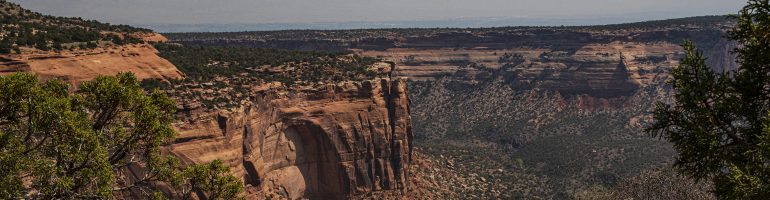
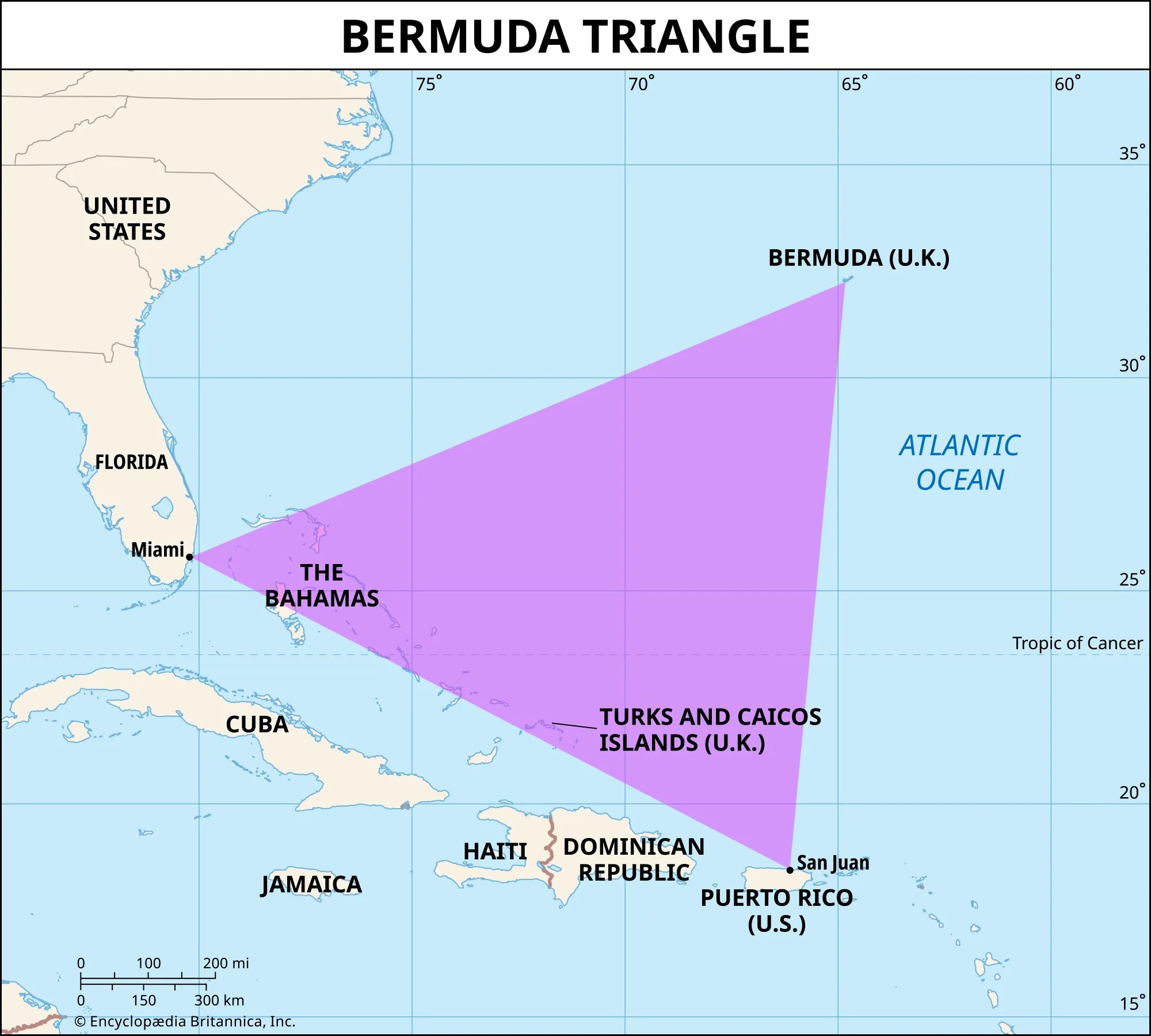

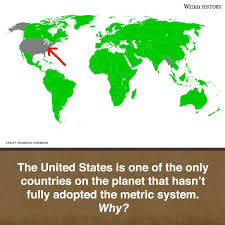
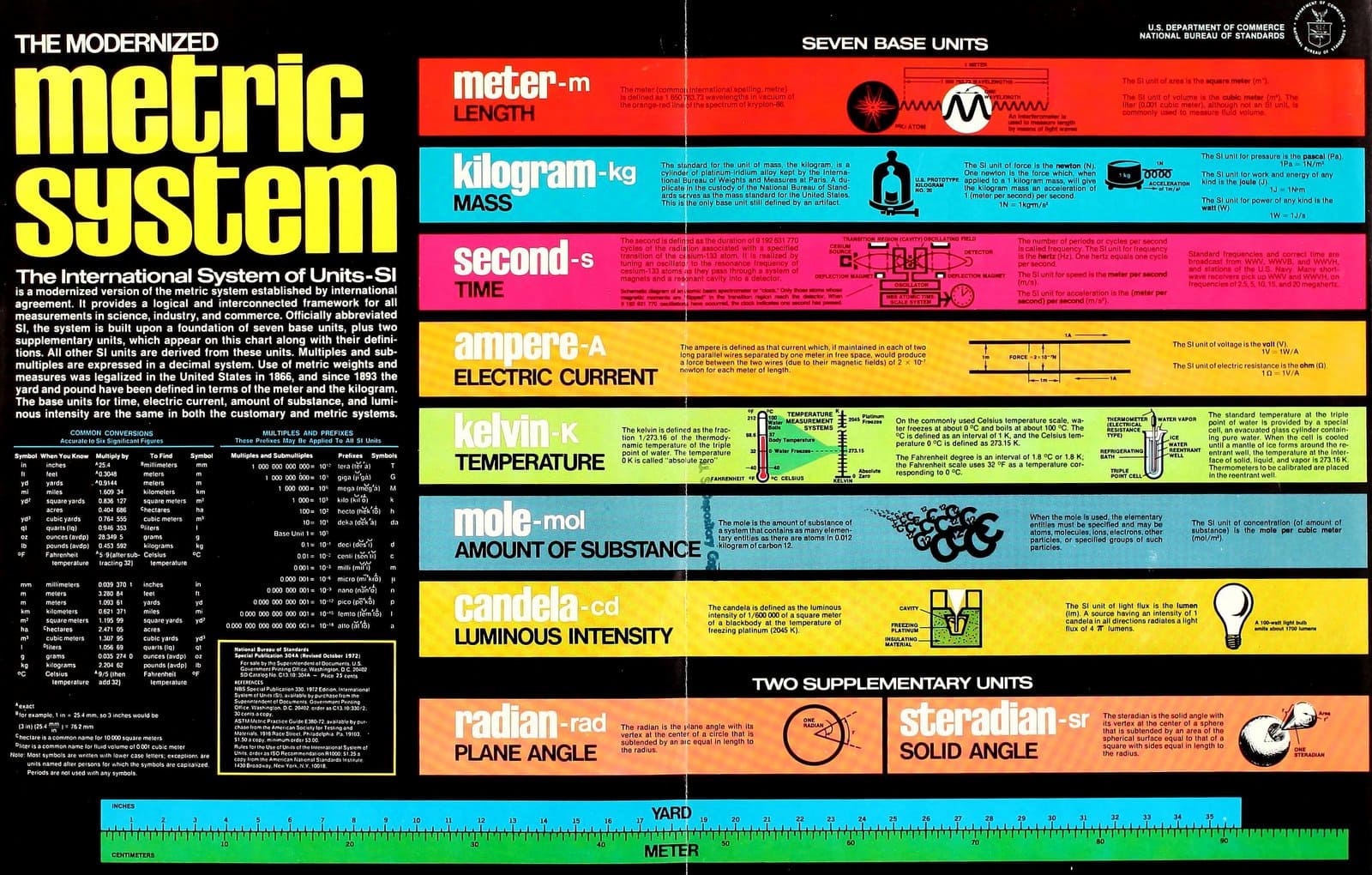








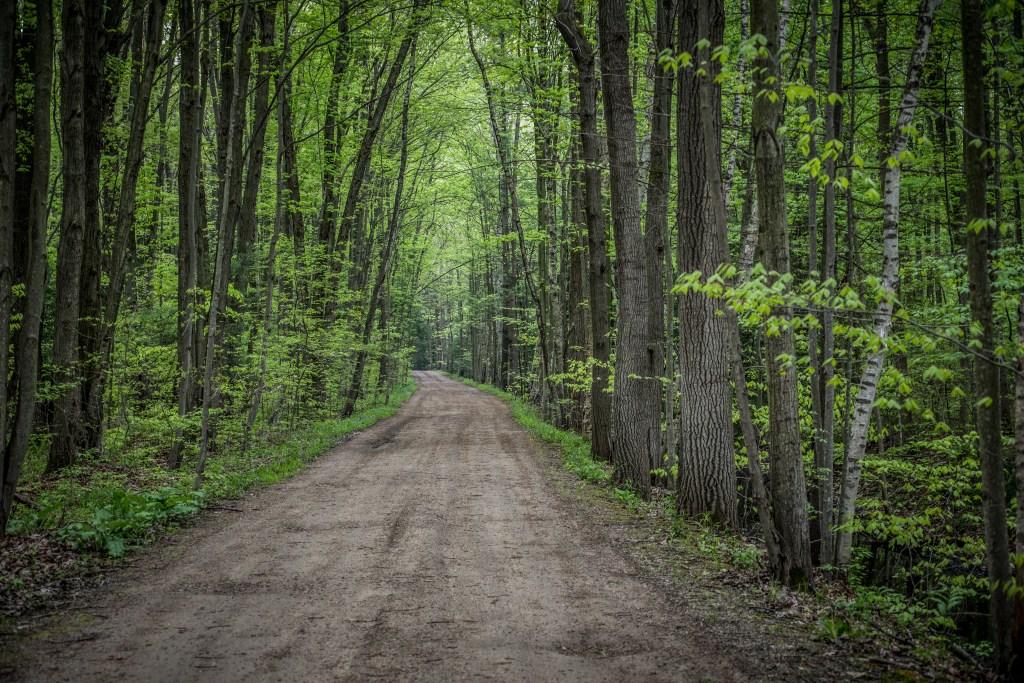
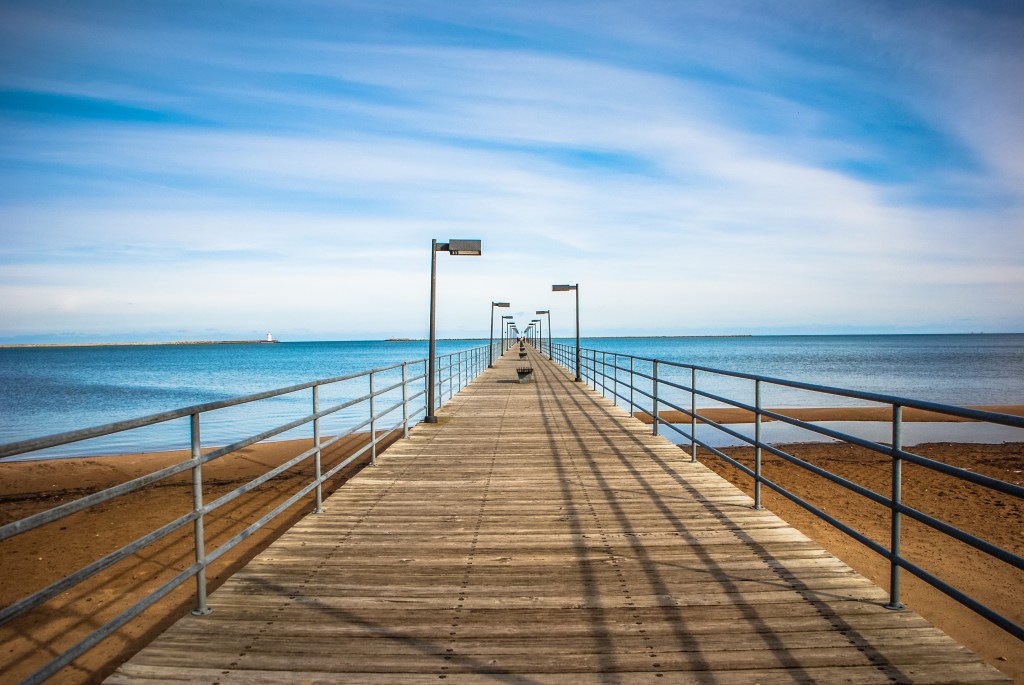
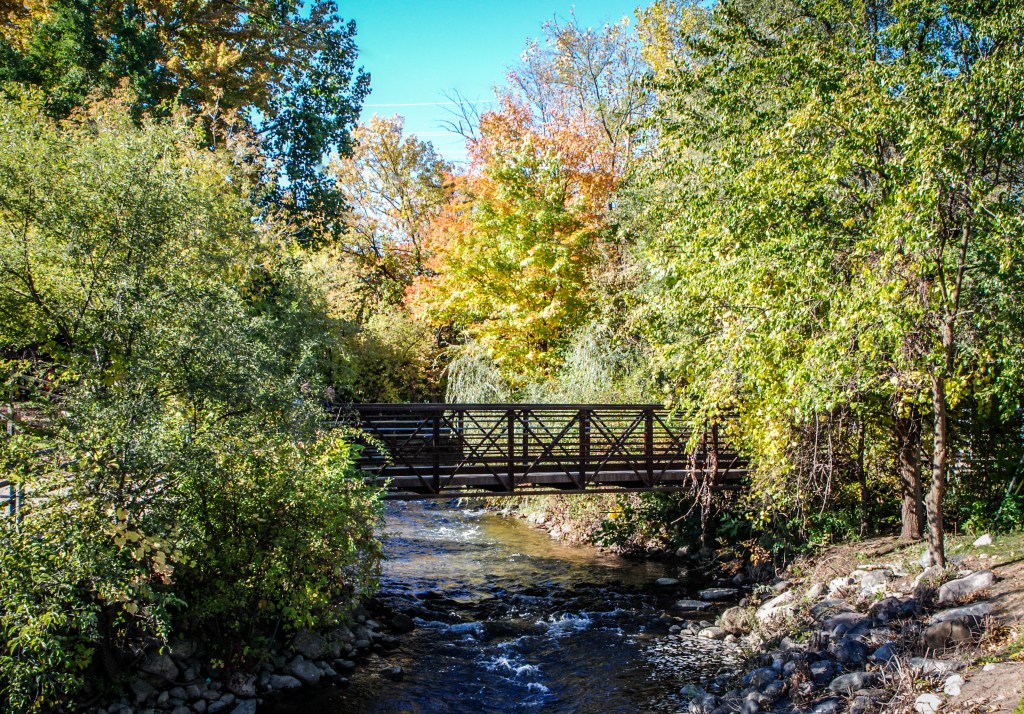







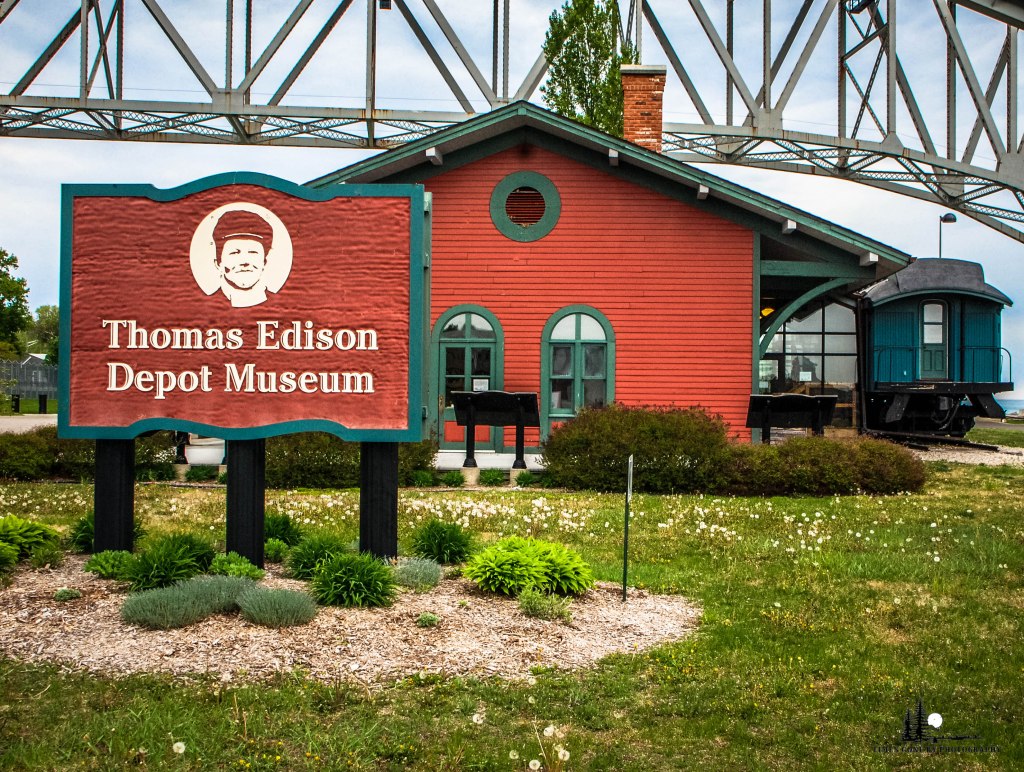
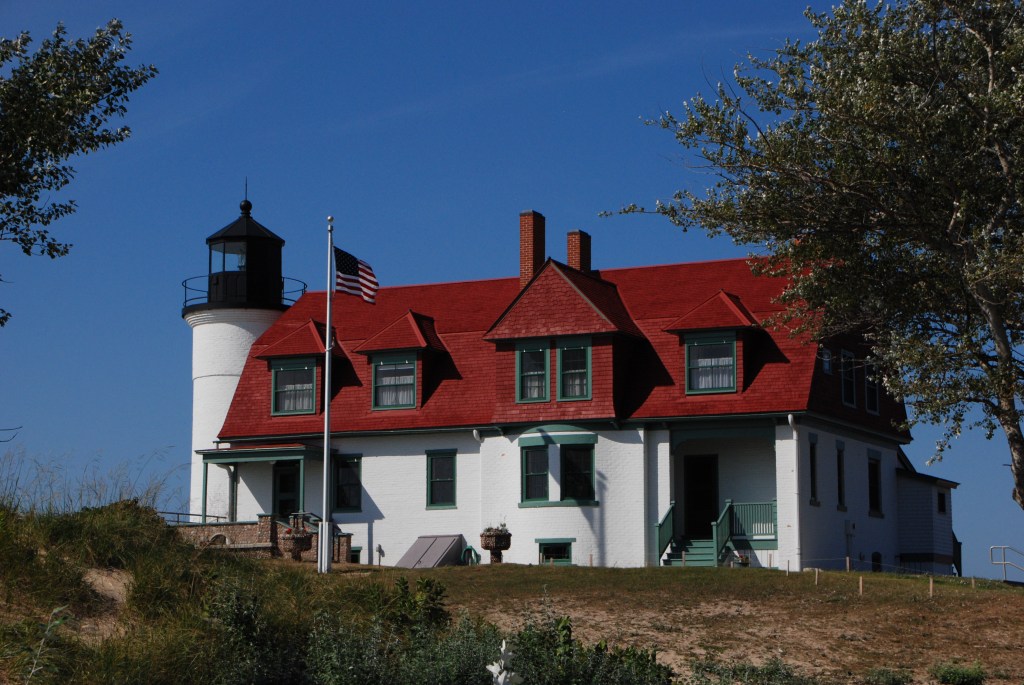







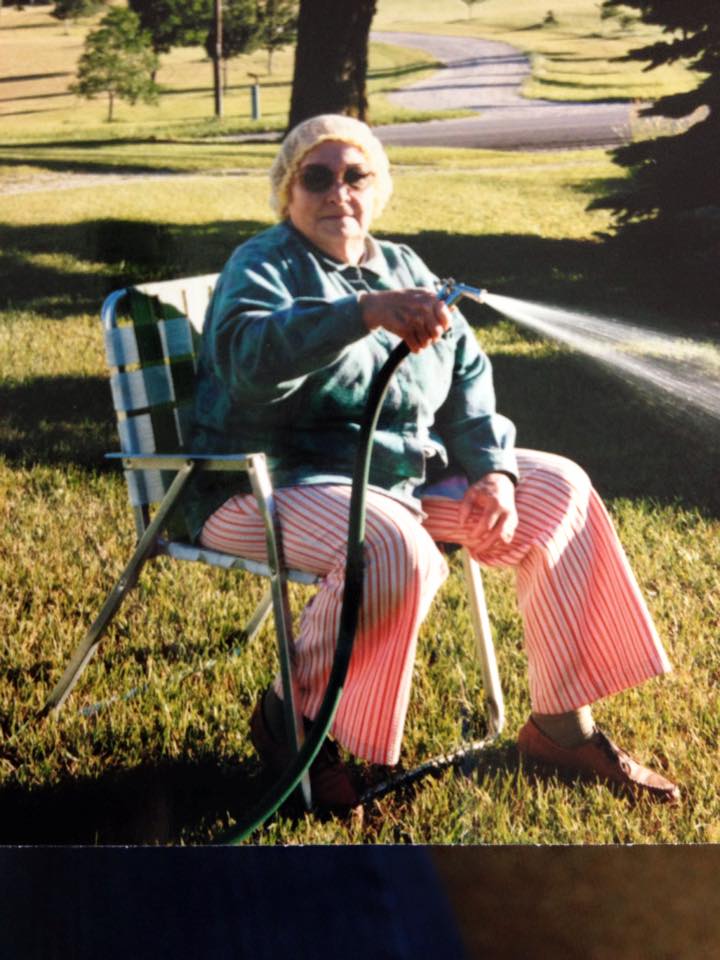
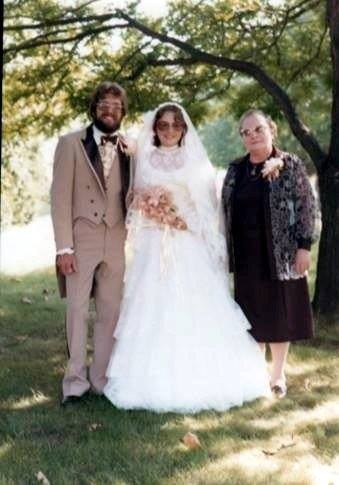
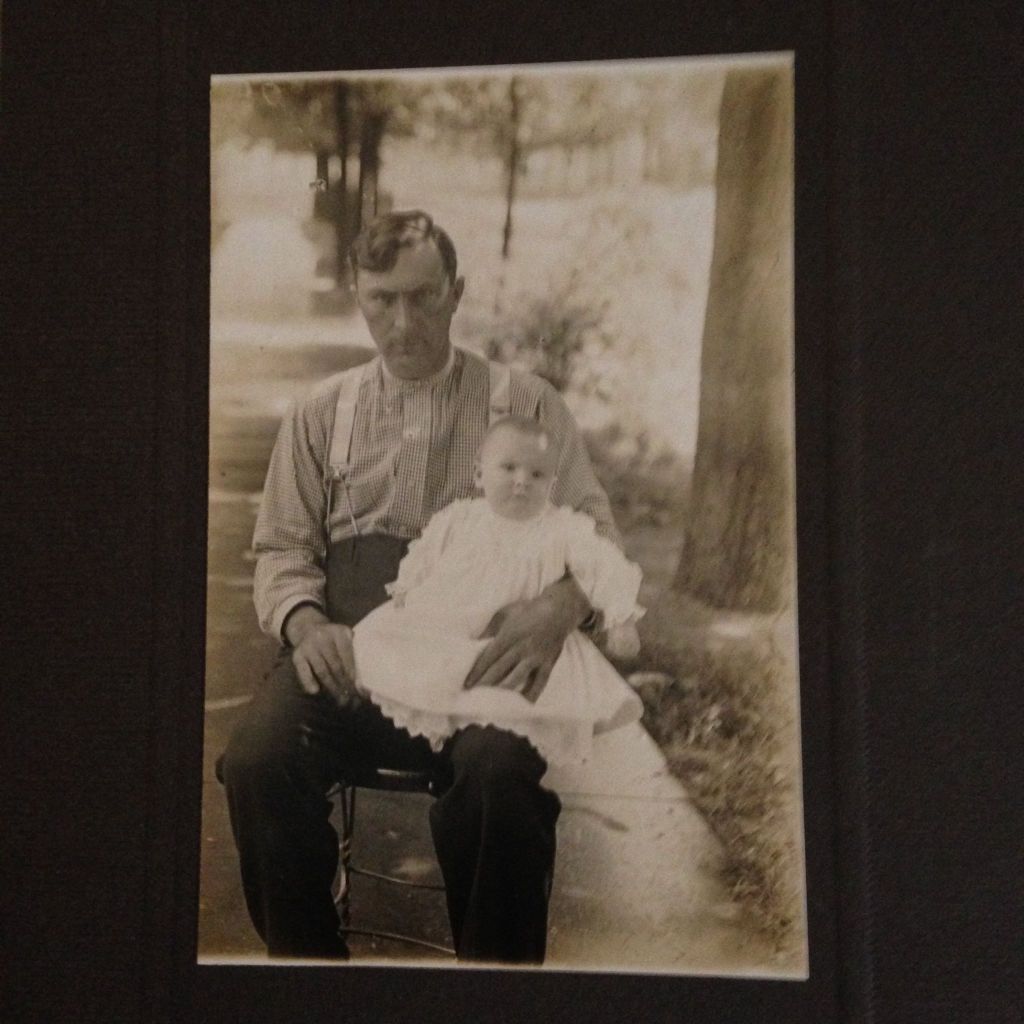
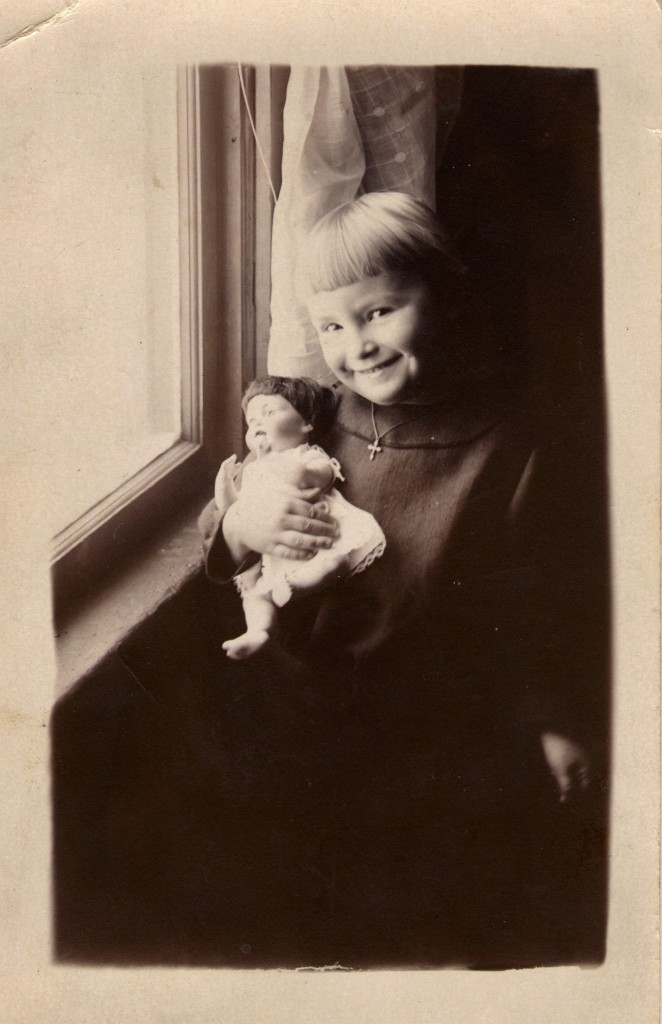
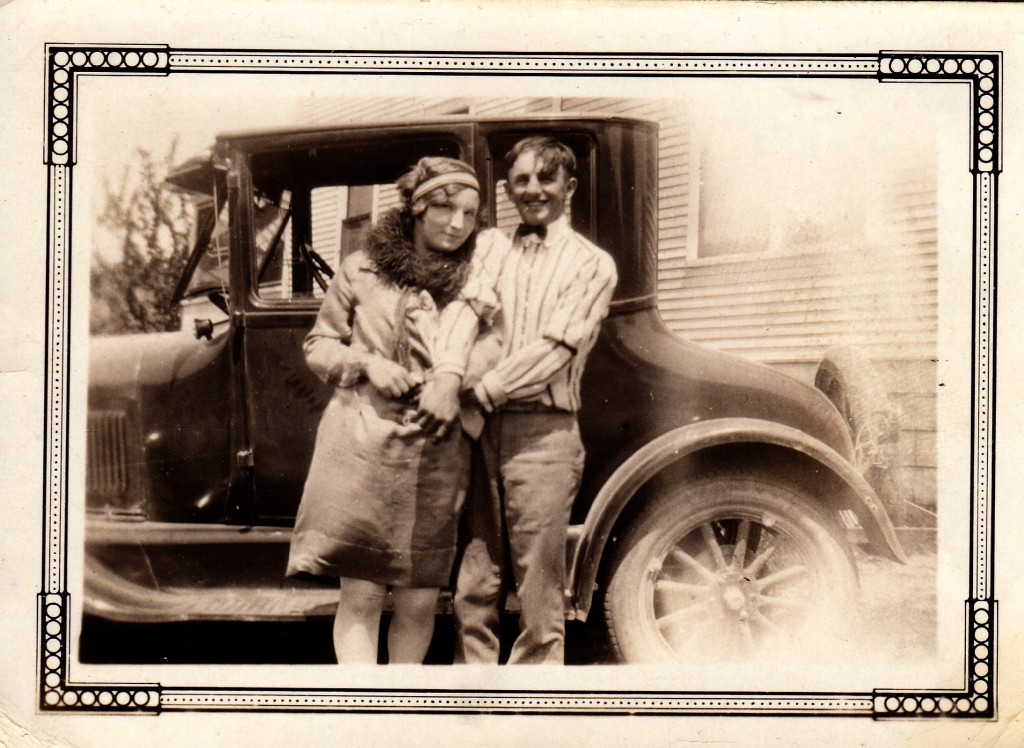
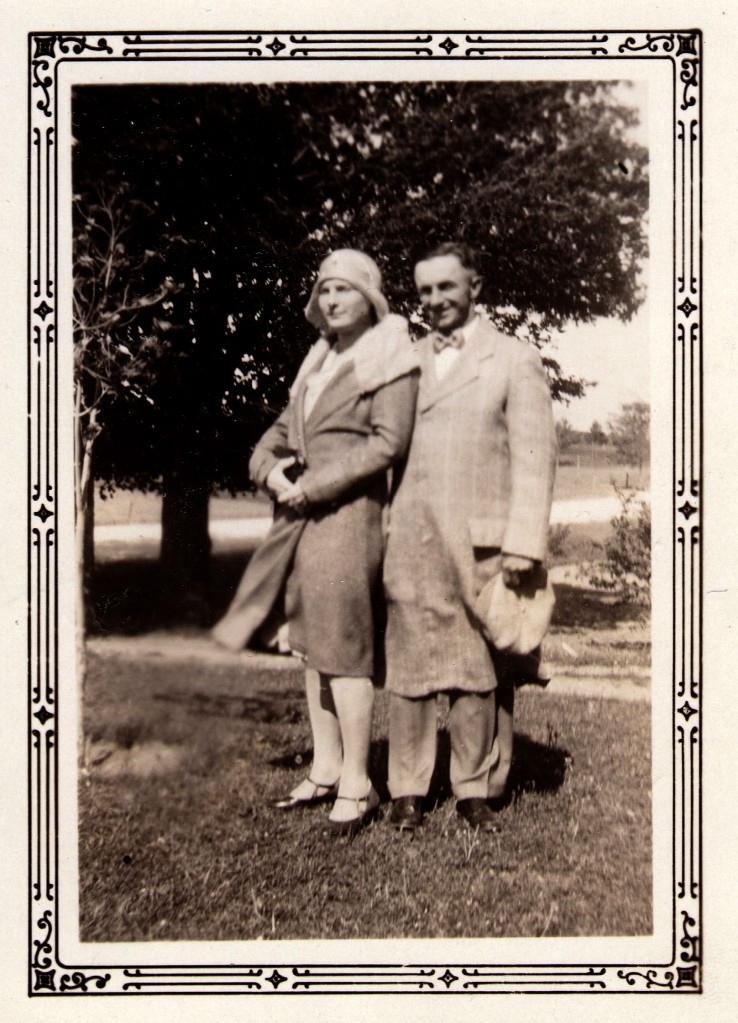

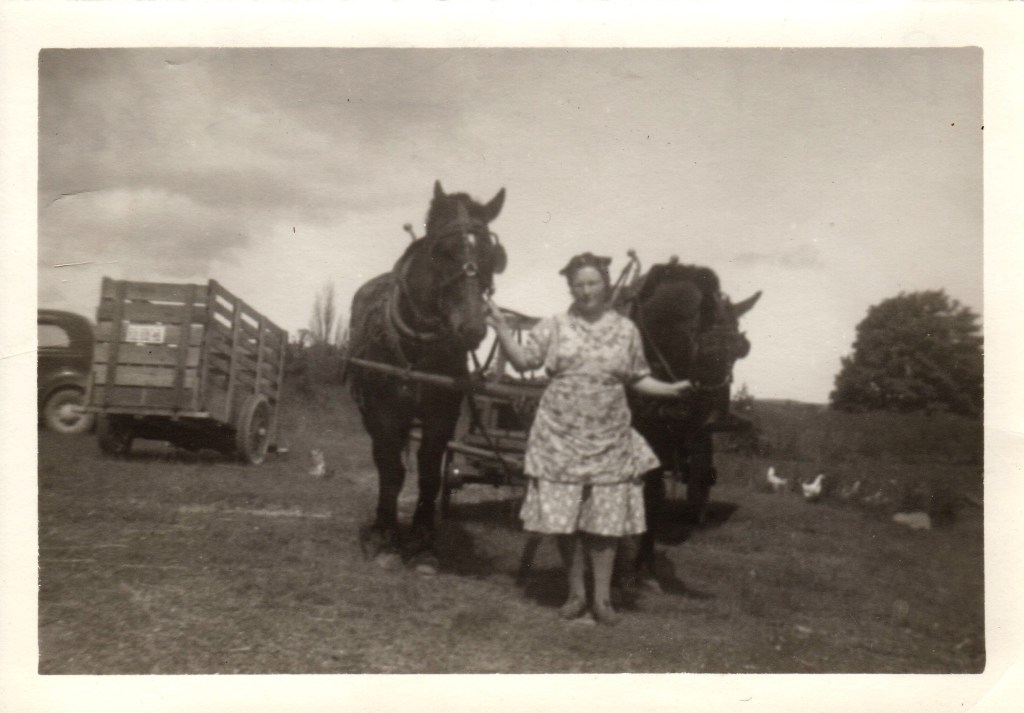
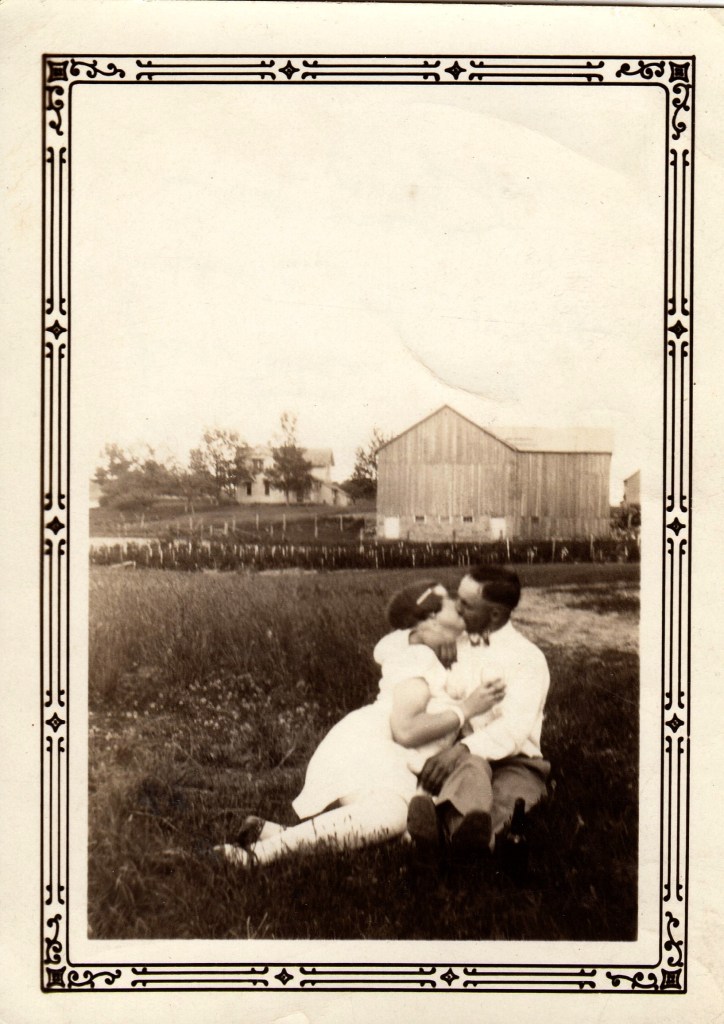
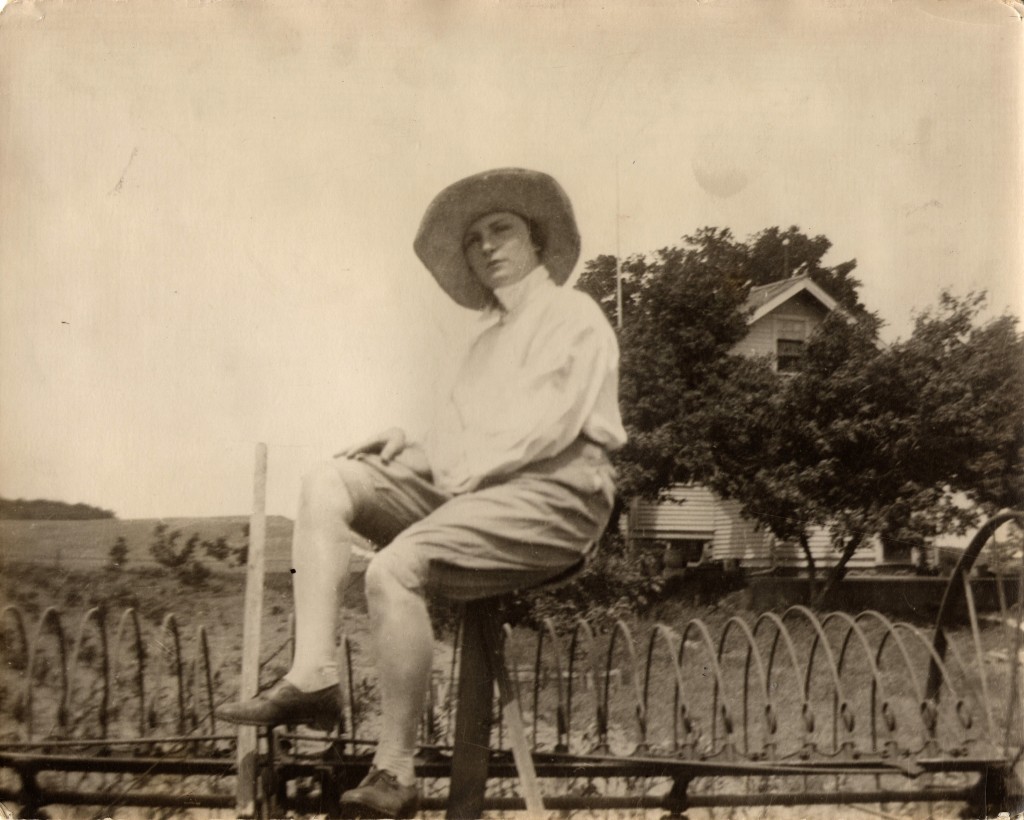









 I have spent weekend after weekend at home, sorting through all my current items and those in boxes, preparing for my estate sale. Today I took some “me” time and attended the #RochesterWriters Spring Conference. I enjoyed a day of informative keynote speakers and instructors, plus socializing with other writers. It was time well spent, combining instruction in self-publishing with networking. There is something about spending a day with other writers that inspires one to write. Even though you haven’t seen me here in quite a while due to everything going on in my personal life, I find myself here tonight writing a quick blog, just to say hi and let you know I am still alive and kicking.

 --- LIFE IS A MELTING POT --- Grace Grogan...Writer, Photographer