I’ll admit, I’m a bookaholic—a person with a deep love for reading and an insatiable desire to buy and collect books, or both. There are various other terms for people with this obsession, depending on how far they take it. For instance, a bibliophile loves physical books, viewing them as objects, while a lectiophile’s affection is for the act of reading in any form, be it books, magazines, blogs, etc. Tsundoku is a Japanese term for people who habitually buy books but never read them.
My book collection is not as extensive as it used to be, and that includes both read and unread volumes. When I lived in my house, I had tubs of read books I didn’t want to part with stored in my basement. In my bedroom there was a 7-foot bookshelf, double- and triple-stacked with unread books, and still I purchased more.
When I sold my house to live and travel full-time in a 35-foot motor home, I was forced to reduce my collection. It was a long, painful day of sorting and re-sorting until I reduced my collection down to fit into a plastic tub that would hold what I had room for. I laid out all the unread books on my bed and sorted them into two piles, the ones I could part with, the ones I wanted to keep. The “keep” pile didn’t fit into the plastic tub. I then took my “keep” pile and sorted it again into keep and part-with piles. I repeated this process about four times, each more painful than the prior one, before they finally fit into the plastic tub. Believe me, it was packed tight, filling every little space to get as many in as possible.
Most of the books that didn’t make it into the plastic tub, went into my estate sale. Most of the tubs in my basement went into the estate, sale, but some books I gave to my kids. There were many good books, copies with author signatures, the complete works of Mark Twain, Poor Richard’s Almanacs, the original, hard cover set of The Chronicles of Narnia, all of the hardcover Children’s Book of the Month Club books from when my children were growing up, and more. I gave my son his favorite childhood book, Home for a Bunny, falling apart from continuous use.
Now I own a park model, which is only 406 square feet of living space, so my storage options are still tight. The RV Park where it is located has a free book exchange, and there are a lot of readers in the park. I regularly contribute books I’ve read and pick up books I haven’t read. My constant accumulation doesn’t stop there; I have a habit of buying books whenever I travel. My newest obsession is visiting used bookstores, so I doubt I will ever run out of reading material.
The bookshelves in my park model. The top right is almost empty because that is where I place the books as I finish reading them. When the shelf is full, I determine what to keep and put those into a tub in my shed, then donate the rest. The refilling of the shelf with read books begins again.
I recently stumbled across an article titled The Benefits of Buying Books You’ll Probably Never Read. I never purchase a book without the intent of reading it, but I know that I may not read it immediately, or a year from now, or five years from now. I sometimes own books that are 10+ years old before I read them. Why? The topic is of interest to me, but I may not be in the mood to read it immediately. I like to “shop” my bookshelf to see what catches my eye as a read-now topic when selecting my next book. Remember that tub I brought from my home in 2019? Most of those books are still in it because I had an additional 15-20 books I brought and placed inside the RV for easy access, plus I purchase additional books every year during my summer travels. I periodically pull a few out of that plastic tub, but who knows when I’ll get through them all.
As I said above, I’m a bookaholic—a person with a deep love for reading and an insatiable desire to buy or collect books, or both. Because of my limited space, I no longer go to extremes —in my opinion — but others may dispute that. I consider myself a bookaholic who reads many but saves few. That said, the article about the benefits of buying books you’ll probably never read piqued my curiosity. This is especially true since I always thought it would be awesome to own a huge mansion with a designated library filled with books, along with a writing desk and comfy chairs near a fireplace for reading. I know —it’s a big dream for someone who has downsized into a small home.
I do love bookstores and museums, historical spots, and tourist attractions with book sections in their gift shops. Purchasing anywhere from 10 to 25 books while traveling is not unusual. Where do I fall mentally for this practice?
The Japanese Tsundoku practice has evolved to take on a positive connotation, with the act of surrounding yourself with books seen as a good thing. It indicates you have a fruitful relationship with knowledge and signals your need or desire for continuous discoveries and learning. Once I learned I’m mentally in good shape due to my book-buying habit, I decided to roam a bit further into this topic.
According to Psychology Today, the number and types of books you read can reveal insights into your intelligence, self-control, ambition, time management, and overall outlook on life. The article references a 2014 study published in Child Development that found that stronger early reading skills may predict higher verbal and nonverbal intelligence later.
A 2018 Pew Research Center study found that 67% of adults in the United States read an average of 12 books a year. Intelligent, highly successful adults are usually avid readers and far exceed the average. This is supported by the reading practice of well-known business people, such as Bill Gates, who reads about 50 books per year, and Elon Musk, who read the entire Encyclopedia Britannica by age nine and science fiction for over 10 hours a day as a child. Billionaire Warren Buffett spends an average of five to six hours per day reading. While the article only sighted successful men, I decided to delve into the female side of this.
Oprah Winfrey (mid-2025 ranked number one on Forbes list of America’s Richest Women Celebrities and number four on Forbes World’s Billionaires list) was reading by the time she was three and, like many top businesspeople, follows the 5-hour rule. This means reading at least one hour a day, or five hours a week. Taylor Swift (ranked number nine on Forbes World’s Celebrity Millionaires List2025) is an avid reader and supporter of literacy and libraries. She was only 24-years old (she is now 35) when she partnered with Scholastic Books to make book donations to libraries in her hometown of Reading, Pennsylvania and current residence of Nashville, Tennessee. Francoise Bettencourt Meyers is a French entrepreneur, philanthropist, writer, billionaire heiress, the second richest woman in the world. She is also an avid reader and the author of several books and is known for being a reclusive intellectual who spends her time at home reading and playing the piano.
While I haven’t yet achieved millionaire status (one can hope), my reading level usually meets the 5-hour rule. If things go according to plan, I have 1-1/2 to 2 hours of reading time every morning before Paul (my partner) gets up and turns on the TV, interrupting my quiet time. Depending on my schedule, I sometimes spend an hour or two outside reading in the afternoon, and a trip to the laundry mat gets me about two hours of reading time. If I’m alone for any meals throughout the day, I read while eating.
Painted on the brick of an old 4-story warehouse building in Detroit, Michigan, is the name of the J. K. King Used and Rare Books, Michigan’s Largest. This is the largest used bookstore in the state, and well worth the visit.
For several years, I have kept a list of the books I read during the year. At the end of each year, I print the list and place it in the “All About Me” notebook I keep. The total number of books I read in a year range from 6 to 26. I’m going to beat that this year, as I’m already working on book 26 with two months of reading to go. Yippee! I love breaking my own record.
According to the Psychology Todayarticle, I am an optimist. I don’t view my unread books as a burden or failure of self-control and time management. I see them as a future opportunity to engage with their content. I primarily read non-fiction, so most of my reading is a learning experience. I do blend a few pieces of fiction into the mix for fun. While I have more books than I could read in a year, collecting them is not compulsive hoarding, nor is it damaging to my social interactions.
With few exceptions, I now donate the majority of books I have read rather than keeping them, due to space limitations. I enjoy visiting used bookstores, where you can buy books at much lower prices. I maintain my membership with Barnes & Noble, though, because sometimes I have to purchase and read a new release. The Psychology Today article suggested slowing down the rate of acquisition and becoming more selective, not purchasing a new book until you’ve read one of a similar size. I don’t think that’s possible. I can’t wrap my head around such a ridiculous limitation.
Listening to a weather forecast on a Canadian TV station, the temperatures are given in Celsius. Paul, who grew up in Canada, makes the mental conversion easily. Paul grew up using the Imperial system of measurement, which is used in the United States. After he was an adult and had immigrated to the U.S., Canada converted to the metric system. Paul is an electrician, a profession that uses the metric system of measurement. That, combined with his frequent travel to Canada, means he is familiar with both systems and believes the metric is a more accurate means of measurement.
Paul frequently comments that the U.S. was supposed to make the conversion to the metric system when Canada did, but failed to fulfill their promise. I recall being in grade school when we were told that the United States would adopt the metric system. I wondered how valid Paul’s repeated comment was, so I delved into researching the topic.
Canada was making the transition at the same time and completed their conversion between 1970 and 1985. The United States never finished the conversion, despite agreeing to do so, and continues to use the Imperial System today. That made me wonder, why did Canada succeed, and we didn’t?
In my opinion, the U.S. failed to complete the conversion due to a lack of effort and unwillingness to invest in implementing the change. Businesses opposed the cost of having to retool and adjust standardized measurement systems, including bolts, pipes, and nuts, to metric measurements. The Metric Conversion Act of 1975 [ https://usma.org/laws-and-bills/metric-conversion-act-of-1975 ] made the metric system preferred, but not mandatory. This, combined with public resistance and the government’s inability to enforce the change, led to the failure to implement the change.
As of today, the United States is only one of three countries (the United States, Liberia, and Myanmar (Burma)) worldwide using the Imperial measurement system. The Imperial system [ https://www.britannica.com/topic/Imperial-unit ] (also known as the British Imperial system) originated from the British Empire, which ruled many areas of the world between the 16th and 19th centuries. Although the U.S. Founding Fathers made numerous changes in governing style when obtaining independence from Britain, they decided to maintain the Imperial system of measurement, despite the metric system growing in popularity.
Rather than adopting it in its original state, the United States devised its own version of the Imperial system, known as the U.S. Customary System. It uses measurements of feet, pounds, and miles, but differs slightly from the British Imperial system. The most substantial difference is in volume:
The U.S. Customary fluid ounce is 29.573 ml; the British Imperial fluid ounce is 28.413 milliliters.
The U.S. Customary pint is 473.176 ml (16 fl. oz); the British Imperial pint is 568.261 ml (20 fl. oz).
The U.S. Customary quart is 0.94 L (32 fl. oz); the British Imperial quart is 1.13 L (40 fl. oz).
The U.S. Customary gallon is 3.78 L (128 fl. oz); the British Imperial gallon is 4.54 L (160 fl. oz).
The reason for creating the Customary version of the Imperial system was that the metric system was not yet fully developed. The Founding Fathers had a desire to establish a unique national identity and infrastructure, and tweaking the system to make it unique to the U.S. was their way of achieving this goal.
Myanmar (Burma) and Liberia use the Imperial system but are transitioning to the metric system; neither has a predicted completion date. Once their conversions are final, the U.S. will be the sole user of the Imperial system. In 2021, the British government announced plans to return to the Imperial system during its exit from the European Union. The changeover began but was abandoned in 2024 after consulting with the public and discovering overwhelming support for using metric units. They do still use the imperial system for things such as beer sales, road speed, and distance signs, and body measurements.
Although I found the metric system difficult to learn as a child, our government failed its citizens by not enforcing a complete change in the 1970s. A full conversion would have served business owners better in international trade negotiations and put us on equal terms with all foreign lands in understanding measurements when traveling.
All countries worldwide, including the U.S., Myanmar, and Liberia, have adopted or legally sanctioned the International System of Units (SI), the modern form of the metric system. Canada and the United States are both melting pots of the Imperial and Metric measurement styles.
Watch for Part II and Part III in upcoming blogs, which will deal with the law and the Canadian conversion, the laws and the United States conversion, and where the United States stands today.
When was the last time you sat on the front porch of your home, waving at your neighbors as they passed by, or inviting them up to chat and share a glass of lemonade?
I have always loved front porches, the big kind that holds several chairs. When I lived in St Clair, Michigan, I rarely sat on my private patio in the back. I preferred the front porch, where I often sat reading a book until it got dark. I was not in a neighborhood, but on a state highway, so I only had cars buzzing by.
My love of sitting on the front porch is something I developed as a toddler. Back then, my grandmother was my babysitter. I remember sitting on the porch at various times of the day, watching the birds in the yard, migrant workers across the street playing, and watching the sun set. Red sky at morning, sailors take warning. Red sky at night, sailor’s delight. Hmm, wonder where I learned that?
As a teenager, my best friend in high school lived in a large, older home with a large front porch. I loved that porch! We would sit on it talking with friends, shouting out to cute guys that drove by, and just enjoying life. The house I grew up in only had a small stoop. I envied April, living in a home with a large porch that looked out over the street.
I no longer have a front porch. I always intend to sit outside on my lawn chair, and those times when I make it out there, I enjoy sitting in the fresh air and reading a book. I don’t get out as often as I want; life gets in the way, even in retirement. I, like many others, spend a good deal of time on social media, sharing trivial quotes, travel, pictures, news articles, and day-to-day activities with distant friends and family. I participate in public forums, where political discussions can turn hostile. People have lost the etiquette exercised during face-to-face conversations. It is so much easier to be insulting and rude when done through an electronic device.
That image takes me back to another time, when life was more relaxed and friendly. Kids played outside; they rang their friends’ doorbells to see if they could come out, rather than having scheduled play dates arranged and monitored by their parents. There were neighborhood block parties, where everyone got together, brought a dish to pass, and adults enjoyed socializing while the kids played. You knew your neighbors, and your neighbors knew you, and everyone got along. In my opinion, it was a better time.
When I saw the question, “Do you ever smell a certain, familiar scent and suddenly remember a small part of your childhood you totally forgot about?” I knew instantly what it was…fresh mown grass.
Growing up in Michigan, I remember the smell of our freshly mown lawn on Saturday or Sunday summer afternoons. Once the yardwork was complete, Dad would come inside and watch the baseball game. This makes my memory multi-sensory, a combination of scent and sound.
The smell of freshly mown grass always takes me back to those summer afternoons, but it doesn’t feel complete without the sound of a baseball game playing on TV. Should I mention that this is an old-fashioned console TV that only receives four channels, has a TV antenna, and you had to walk over to the TV to change the channels or adjust the antenna? I know, I’m dating myself. That shows how far back this memory goes.
I don’t have any other scent-based memories that have such a substantial impact on me as freshly mowed grass. I will admit, if I hear a baseball game playing on TV, I miss the smell of grass. In my mind, they go together. What scent transports you back to your childhood? Share in the comments below.
Although I now travel and spend more time outside of my birth state than I do in it, Michigan still holds a place in my heart for its many unique qualities.
Michigan is the only state that consists of two peninsulas. The “mitten” is the lower peninsula and is where I grew up, in the “only Eaton Rapids on earth.” The mitten is surrounded by Lake Huron on the East, Lake Erie on the South, and Lake Michigan on the west. To access the upper peninsula (the U.P.) you need to cross the Straits of Mackinac, a 5-mile channel connecting Lake Huron to Lake Michigan. The north shore of the U.P. is on Lake Superior.
If that isn’t enough, here are 35 more things that make Michigan a very special place.
Boat Night in Port Huron. Copyright 2015 Grace Grogan
Photo by Grace Grogan, copyright 2015
Paint Creek, Rochester Michigan. Photograph by Grace Grogan, copyright 2014
Bond Falls. Photo by Grace Grogan
Silver Lake Sand Dunes – Dune Jump. Photo by Grace Grogan
Middle Island Lighthouse. Photo by Grace Grogan
Port Huron to Mackinac Race. Copyright 2015 Grace Grogan
St. Clair Board Walk. Photo by Grace Grogan.
The Thomas Edison Depot Museum sits under the Blue Water Bridges on the Thomas Edison Parkway in Port Huron. Photo by Grace Grogan
Pointe Benzie Light Station. Photo by Grace Grogan
Detroit is the Car Capital of the World. Home to the “big three,” Ford Motor Company, General Motors Corporation, and Chrysler LLC, the state handles 24% of all automotive manufacturing in the U.S.
Michigan is the largest manufacturer of lithium-ion batteries in North America. The American Battery Solutions Inc. manufacturing facility is located in Lake Orion and employs more than 100 workers. In support of this the Governor is working to develop the nation’s first wireless charging infrastructure on public roads.
Alpena is the home of the world’s largest cement plant. Lafarge Alpena has been in existence since 1907 and employs more than 200 workers.
St. Clair is the home of Diamond Salt Company, established in 1886 when a new process for making salt was patented. It is the world’s largest marketer of salt, supplying salts for culinary use, manufacturing, agriculture, grinder, pool use, water softening, and ice control.
Southwestern Michigan is home to the largest Dutch settlement in the United States, with almost 300,000 residents of Dutch heritage. Dutch residents are most prominent in the five counties of Allegan, Kalamazoo, Kent, Muskegon, and Ottawa.
Rogers City boasts the world’s largest limestone quarry. The site is 7,000 acres, of which 3,000 acres are actively mined. The quarry has an anticipated lifespan of an additional 100 years.
Elsie is the home of the world’s largest registered Holstein dairy herd. Green Meadow Farms is a family operation established in 1922. With 80 employees, they raise all livestock and do all field and crop work on their 8,000 acres. The farm has a milking herd of about 3,900 registered Holsteins.
Enjoy the longest freshwater boardwalk in the world in St. Clair. The boardwalk is along the St. Clair River, an international border with Canada. The St. Clair River is one of the busiest waterways in the world with more than 5,000 shipstraveling the water every year. With more freighter traffic than the Suez Canal and Panama Canal combined, it’s an excellent spot for freighter watching.
Colon is the magic capitol of the world and home to Abbott’s Magic Company, the world’s largest manufacturer of magic supplies. The city has more than 30 magicians laid to rest in its cemetery, more than any other cemetery in the world.
Michigan Sugar Company is the largest sugar factory east of the Mississippi river, the largest sugar refinery in Michigan, and the fourth largest sugar refinery in the United States.
Michigan ranks #1 in state boat registrations. St. Clair County ranks #1 in the U.S. for the number of boat registrations per capita.
Port Huron is home to largest freshwater sailing event in the world. The annual Port Huron to Mackinac race began in 1919 and more than 200 boats enter the race each year.
The state has about 54,800 farms covering 10 million acres and producing $6.5 billion in products yearly. Michigan is the largest producing region in the world for Montmorency tart cherries and Traverse City hosts the annual National Cherry Festival every July. The state is one of the top producers in the U.S. of grapes, apples, peaches, and blueberries.
Livestock population is significant, with about one million cattle, 78,000 sheep, 3 million chickens, and one million hogs. Livestock products account for about 38% of all agricultural output.
Sault Ste. Marie was founded in 1668 by Father Jacques Marquette, and it remains the third oldest remaining settlement in the United States
In 1817 the University of Michigan was the first university established in any of the states. It was originally named Catholepistemiad and was located in Detroit. The name was changed in 1821 and the university moved to Ann Arbor in 1841.
Michigan State University was founded in 1855 as the nation’s first land-grant university and served as the prototype for 69 land-grant institutions established under the Morrill Act of 1862. It was the first institution of higher learning in the nation to teach scientific agriculture.
The Mackinac Bridge is one of the longest suspension bridges in the world. It spans 5 miles over the Straits of Mackinac and took 3 years to complete. It was opened to traffic in 1957
Kellogg Company made Battle Creek the Cereal Capital of the World. The Kellogg brothers discovery of producing flaked cereal was an accident that sparked the beginning of the dry cereal industry.
Vernors ginger ale was created in Detroit and is the first soda pop made in the United States. It was an accident. In 1862 pharmacist, James Vernor, was trying to create a new beverage. He was called away to serve in the civil war, leaving his “experiment” behind. When he returned four years later the drink in the oak case had developed a delicious ginger flavor and Vernors was born.
The Detroit Zoo opened in 1928 and was the first zoo in America to feature cageless, open exhibits allowing animals to roam free. In 1968 the zoo’s Penguinarium was the world’s first zoo building designed exclusively for penguins. In 2001 it opened Wild Adventure Ride, the nation’s first zoo simulator, and the Arctic Ring of Life, the largest polar bear habitat in North America.
Michigan is only place in the world with a floating post office. The J.W. Westcott II is the only boat in the world that delivers mail to ships while still underway. It has been operating 140 years.
The state boasts 3,224 miles of freshwater shoreline, the longest in the world. It also has the longest shoreline of the 48 continuous states. There are an additional 11,037 inland lakes and 36,000 miles of streams.
The state has 124 lighthouses and navigational lights. The oldest is the Ft. Gratiot Lighthouse, constructed in 1829.
It is the first state to provide in the constitution for the establishment of public libraries in each township and city, set forth in Article XI, Section 14 of the Michigan Constitution of 1908. It was also the first state to guarantee every child the right to a tax-paid high school education.
Isle Royal National Park shelters one of the largest moose herds in the U.S. The park is 206.73 square miles and is the 4th largest lake island in the world. As of 2019 the island was home to 14 wolves and 2,060 moose. The moose herd was 2,400 at its highest point in 1995.
Upper Michigan Copper Country is the largest commercial deposit of native copper in the world. By the 1860s the upper peninsula was supplying 90% of America’s copper.
Michigan fared worse than the rest of the country during the depression between 1930 and 1933. The state’s unemployment rate was 34%, while it was only 26% in the rest of the country. This is because out of work automotive workers were starving to death by the early 1930s.
Michigan has the first auto-traffic tunnel built between two nations, the mile-long Detroit Windsor tunnel under the Detroit River was completed in 1930. This was the third underwater auto tunnel built in the United States.
The world’s first submarine railway tunnel opened between Port Huron and Sarnia, Ontario in 1891. It is both the first submarine tunnel and the first international tunnel.
In 1879 Detroit telephone customers were first in nation to be assigned phone numbers to facilitate handling calls.
In 1929 Michigan State Police established the first state police radio system in the world
Grand Rapids is home to the 24-foot Leonardo da Vinci horse, II Gavallo, the largest equestrian bronze sculpture in the Western Hemisphere.
Michigan is the great lakes state because its shores touch four of the five great lakes. We get our name from the Ojibwa (Chippewa) Indian word meaning “large lake”
Detroit is the birthplace of Motown Records. Motown artists include Tina Turner, Otis Redding, Diana Ross, Four Tops, The Supremes, Al Green, Gladys Knight & the Pips, Ray Charles, Curtis Mayfield, Lionel Richie, Bill Withers, The Commodores, Aretha Franklin, Michael Jackson, The Jackson 5, The Drifters, Smokey Robinson, James Brown, Stevie Wonder, Fats Domino, The Temptations, Marvin Gaye, and more.
The state has even more interesting facts setting it apart from the rest of the country and world, but I had to stop somewhere. I hope you’ve enjoyed this glimpse of my home state.
Share where you are from and what makes your home state unique.
It had been on my bucket list for decades and I finally can check it off – a tour of Biltmore Estate and Gardens. Biltmore is America’s largest home. Taking my best friend, Vicki, with me, we elected to schedule the audio tour. This provides an array of informative information about the rooms you walk through as your visit three floors and the basement.
George Vanderbilt began construction of this massive 250 room, 175,000 square foot French Renaissance chateau in 1889. Originally the property is sits on consisted of 125,000 acres, now reduced to 8,000 acres. The family sold a considerable amount of their property to the federal government for the creation of Pisgah National Forest.
The home was completed in 1895 when George and his wife Edith entertained guests there on Christmas Eve for the first time. The home has more than four acres of floor space and includes 65 fireplaces, 43 bathrooms, and 35 bedrooms.
There is a banquet hall with a 70-foot ceiling, breakfast dining room and servant’s dining room. Other features include an indoor pool, bowling alley, and gymnasium. Each floor has a living/gathering area where guests could gather and socialize before going to the main floor for their meal.
The family opened their Biltmore home to the public on March 15, 1930. The purpose of the opening was to help Asheville, North Carolina survive the great depression. It also provided the family with income to assist in maintaining the estate. At that time the cost for a tour was $2.00 for an adult and $1.00 for children under age 12.
Family members remained in residence until 1956, when the last members moved from the estate, and since that time it has been operated as an historic house museum. The home became designated as a National Historic Landmark in 1963. Though no longer a family residence, it remains a family business operated by the fourth and fifth generations of George Vanderbilt’s decedents. The business has more than 2,400 employees.
20 Observations
Taking the tour of the beautiful gardens and home in mid-April we were rewarded with perfect weather. I did make the following observations during my visit:
1. After a year of very little walking due to Covid-19 stay-at-home orders, walking the gardens and home of Biltmore is tiring—the place is massive!
2. The audio tour is worth the additional expense and provides a lot of interesting information on the rooms, family, and events.
3. I can’t imagine living in a home that is 3-1/2 miles from my property’s entry gate and traversing it by horse and buggy as they would have done at the time it was built.
4. Walking the massive gardens I imagined doing that in the late 1800’s with the ladies in their full-length dresses. It made me think of the places you read about in historical romance novels.
5. Thirty-five (35) guest rooms is a lot of company!
6. The time to discover there is an elevator for those who have mobility issues is not half-way up the grand staircase. The elevator is the original one installed in 1895 and travels to all four floors. However in the interest of preservation it is now only operated between the first and second flours where the climb up and down the grand staircase is difficult.
7. There is nothing so mind-boggling as to stand in Vanderbilt’s master bedroom and realize his sleeping area is larger than the motor home I live in full-time.
8. I can’t imagine being 25 years old and a newlywed when you are brought to this massive home to manage and see it for the first time. Edith and George were married in Paris and she did not see their home until their return to the United States.
9. When driving the property a couple families of Canadian geese and goslings can cause a traffic gawker delay, which made us late for our wine tasting.
10. Forty-Three (43) is a lot of bathrooms to clean.
11. Biltmore makes very good wine—don’t miss the tasting and shop the wine store. The first vines were planted in 1971 and the winery officially opened in 1985.
12. I can’t imagine wearing formal wear to dinner every evening, but that is what they did! Tables were set with the finest linens, and dinner usually consisted of six courses.
13. America’s largest home is interesting and massive, with hidden doors, an indoor pool, 2-lane bowling alley, indoor gym, and more.
14. I love the 2-story library. One of my childhood dreams was of having such a room in my 3-story mansion when I grew up. Unfortunately reality and childhood dreams do not always coincide. The library has more than 10,000 volumes, each personally selected by George Vanderbilt himself. The second floor balcony style area is accessible from secret hidden doorways, making it easy for guests to visit and select a book to read.
15. In addition to bedrooms there were dressing rooms because it is inappropriate to walk through the house without being properly clothed. The rooms have no mirrors because a maid would make sure you looked proper before exiting the dressing room.
16. A billiards room with two (2) tables and tiered seating for viewers, plus a secret door leading to the gentleman’s smoking room is a wonderful spot.
17. The back terrace with its spectacular view is massive. There were no chairs, but it would be the perfect place to sit and read a book or have a meal.
18. As I watched a horse and carriage move along a trail from my terrace vantage point, I imagined how wonderful it must have been to live in a place of such grandeur.
19. The home has a very unusual outside design, complete with numerous gargoyles, and is not at all what I consider attractive. In my opinion, it has an almost scary, uninviting, appearance.
20. The walk through the gardens, greenhouses, azalea gardens, and around the pond is lengthy but does not disappoint. If you have the ability to walk a lengthy distance, do not miss the beauty of this area.
After The Tour
Following our tour of the gardens and estate, Vicki and I headed over to the Biltmore Winery in Antler Hill Village for our complementary wine tasting, included in our tour ticket purchase. We enjoyed sampling five different wines. You receive a discount when you purchase at least three bottles in the adjoining wine store, and of course we each took advantage of the discount and walked out toting our bags of wine.
A wonderful, exhausting day that is well worth the visit. I hope to make it back someday for another tour. I’ve heard the rooms you access are changed from time to time, as touring the entire 250-room mansion would be extremely time consuming. Our tour took us about two hours. If you are in the vicinity of Asheville, North Carolina, don’t miss the opportunity to visit America’s largest home. Please enjoy the slideshow of photos from the house and gardens below.
Biltmore House from a distance
Horse & Carriage on Property as seen from the terrace
Imagine back to when you were in the 8th grade, about 14 years old. You must make a decision that impacts the balance of your time in school. You can take a vocational program, which you attend to grade 12, or a university prep program, which you attend to grade 13.
Once you make your decision, you cannot change to the other program. Now, consider being that 8th grade boy and before you make that decision your school principal informs you that you aren’t “smart enough” for college, so you better go vocational.
That is the way school in Owen Sound, Ontario, Canada was in the mid-late 1950s when Paul Cannon attended. He followed the advice of his principal. The question is, after hearing the principal’s assessment of his abilities, what did Paul do with his life?
The Teen Years
Paul was not afraid of water, and unbeknownst to his mother he and his friends would climb Inglis Falls in the summer. This was the largest of the four waterfalls in town and has a 59-foot cascade. I’ve seen in the fall with a slow flow of water. It is huge!
Inglis Falls in Owens Sound, Ontario Photo by Grace Grogan
When Paul was about 14-15 years old he became certified as both a swim instructor and a lifeguard. He worked as a lifeguard at the community pool and taught swimming to adults and children both there and at the YMCA.
Paul was interested in science and technology, and around age 16 he and three friends learned about an Army surplus store in Toronto selling non-working ham radios for parts. The store had ten radios, and they purchased them all. The intent was to build two or three operating ham radios from the parts, and they did!
Paul and his friends had fun communicating on the radios for about a year. None of the teens had taken the required test to become licensed ham radio operators so were broadcasting illegally. An officer tracked them down and removed the tubes, rendering the radios inoperable. Years later as an adult Paul took the test and became a licensed ham operator.
Paul always had an interest in aviation and was a cadet in the Civil Air Patrol (CAP) in Canada growing up. The group’s intent was to introduce 12-19 year old students to flight. As a CAP cadet, Paul received education regarding citizenship, leadership, physical fitness and general aviation. In Canada today one out of every five pilots is an ex-air cadet and 67% of commercial airline pilots began as air cadets.
Bush Pilot
When Paul was 16-17 years old he got a summer job working for a bush pilot in a nearby town. That first summer Paul performed miscellaneous jobs and ran errands. When the summer ended the owner told Paul if he returned the following year the owner would teach Paul to fly.
Paul returned and became a bush pilot, flying a Beaver pontoon plane. Bush pilots fly in remote areas, and Paul’s job was to deliver supplies to cabins in the wilderness. You have probably seen this in movies where a plane lands on a body of water, docking near a cabin to leave supplies.
All pilots must learn how to read the weather, and because pontoon pilots land on water, they must also evaluate the water’s surface before touching down. Accommodations must be made for wind direction, the direction and speed of the current, and any obstacles that may affect their landing. Once on the water the pilot must follow all marine rules.
On one flight Paul was landing to leave supplies at a not-yet occupied cabin when the engine on his plane blew. Oil splattered the windshield and the plane stopped before he was near shore. Pontoon planes must carry a paddle for this type of situation. Paul shut down all systems on the plane, then climbed out to sit on one of the pontoons, straddling it like a horse. Paul then paddled his way to shore. If you think rowing a boat is difficult, try an airplane!
There was no radio communication, so Paul unloaded the supplies into the cabin and hunkered down for the night. His boss had expected him back before dark, so when Paul didn’t return the owner went out the next morning, flying Paul’s route. When he spotted Paul’s plane, he touched down so see what was going on. Paul already had the cowling off the plane, but neither Paul nor his boss had the tools or knowledge to repair the engine.
Beaver Pontoon Airplane Photo by Grace Grogan
The owner said he would be back, and when he landed the second time he was accompanied by a mechanic and tools. The owner left Paul and the mechanic to work on the engine. The two spent another night at the cabin before repairs were complete. The plane Paul flew only had one seat, the pilot’s. Once the repairs were complete, the mechanic strapped himself onto the top of a cargo box in the plane and rode back with Paul.
Bush pilots are required to carry a bush pilot’s rifle because situations such as the one above or an unanticipated stop in the wilderness can put you in danger. If Paul was flying his route and saw severe weather ahead, he would land the plane and beach it. Using ropes he would tie the plane to trees to secure it during the storm. When performing these tasks, he always had to be on the lookout for bear.
Paul continued working as a bush pilot for a year after graduating high school, then left for Toronto to attend college.
Radio College
Radio College of Toronto, Ontario trained students in electronic engineering technology and had a focus on tubes and digital electronics. Electronics technology was the wave of the future in the early 1960s.
While Paul was attending college, he lived in a boarding house with 17 other men. They were housed two to a room, with no locks on the room doors. The home was run by a single woman who ran a tight ship. She made all beds every day and washed the sheets once a week.
Board included breakfast and dinner Monday thru Friday. Paul quickly learned that when sharing a table with a large group of men there were no second helpings. You better get a sufficient amount the first time a dish went around the table. Lunch and weekends boarders were on their own for meals, but could use the kitchen and food she had as long as they cleaned up afterwards. This was a very different type of living than Paul had growing up as an only child.
One evening Paul and his roommate heard a knock on their door, which immediately flew open and in rushed the landlady. She didn’t say anything but hurried over and threw open the window, reached into her pocket to grab a pair of scissors and reached out. The next thing Paul heard was glass breaking on the sidewalk below. Apparently one of the borders owed the landlady money, and she suspected he might try to slip out. By cutting the string to the bundle of belongings the border was lowering from his third-story window, the landlady made it clear she knew what he was up to. No one knows if she collected the money owed her or just enjoyed a bit of revenge.
Paul rode the streetcar to and from college, and sometimes hitch hiked his way back to Owen Sound on weekends to visit his parents. If living in a boarding house and using public transportation bus wasn’t enough of a challenge, Paul was doing this on crutches. Paul played B-Team Hockey and did competition ski jumping. Unfortunately, he landed a jump wrong, breaking his ankle.
Paul quickly learned that in a time of need, crutches make a great weapon. One day Paul got off the streetcar and some guy, thinking he had one-up on Paul, knocked Paul’s books out of his hands. Paul may have been a bit disabled, but not unarmed. He swung one of his crutches around and clobbered the guy. A police officer saw the exchange, came over to pick up Paul’s books and make sure he was okay. When Paul left the scene his attacker was in the back of a police vehicle.
Using city transportation when dating was something Paul learned could be difficult. On one date Paul took a girl out, then escorted her home, staying to visit until about midnight. Big mistake! When he got to the bus stop he had missed the last bus in that area, so he walked down to the next line, just in time to miss the last subway of the night. He ended up walking all night to get back to the boarding house. Thank goodness it happened on a Friday night, and he was able to sleep when he arrived there the next morning.
Work and Electronics
After graduating from Radio College, Paul took a position installing and repairing x-ray machines throughout Canada. This took him into every Canadian province, a position that nurtured his love of travel and photography. His goal was to emigrate into the United States, work his way west and eventually end up in Australia. He didn’t make it past Michigan.
Immigration into the United States took about a year. Paul needed to find a job that would hold the position for six months while he completed the immigration process. He was about 23 when he got his first job in Michigan doing the same thing as in Canada. Paul was living the bachelor’s life, driving a convertible and working in hospitals throughout the tri-state area of Michigan, Ohio, and Indiana, where there was plenty of female staff to date.
Many people do not realize that immigrants must register for the draft six months after they become permanent U.S. residents. Paul registered during the Vietnam era and knew how to fly the same type of plane being used in the war. Each year he was obligated to check in at the military office, and each time he met new criteria for a waiver so was never drafted.
Career Change
Paul was talking with an electrician and learned they made more money than Paul was in the electronics field. Paul purchased code books and studied to become an electrician. Though not licensed, he got a job working for Morgan Electric. When a client requested a special electrical job, Paul volunteered for the assignment. The client was impressed with Paul’s work and offered him a job working for their company.
Paul made the job change. Always looking to advance, Paul later applied and got a job in skilled trades as an electrician at the Ford River Rouge plant. Unfortunately the plant did layoffs before Paul had 90 days in.
Needing work and the economy being bad, Paul took a job working on an ambulance. It was on-the-job training, they were not paramedics. The crew would perform basic first aid and transport patients to hospitals. This was during the 1967 Detroit riots and runs were often into dangerous areas. It wasn’t all bad though.
One run was to Governor Romney’s home. The governor’s wife had fallen and injured herself, requiring an ambulance transport. Paul also delivered two babies during his time on the ambulance. One laboring woman looked at him and said, “it’s my first” and he responded, “mine too.”
When Paul’s father notified him Pittsburgh Glass Works was opening a plant in Owen Sound and needed skilled trades workers, Paul applied and was the first electrician hired. He moved back to Owen Sound and lived there for two years. The glass plant job gave him experience in trouble shooting factory machinery, which would pay off later.
When the economy improved Paul moved back to Michigan and took a position at Allied Chemical in Mount Clemens. An electrical inspector saw his work and volunteered to sponsor Paul for taking his journeyman’s test. You cannot take this test until you have verification of 10 years of experience working as an electrician and a sponsor. Paul passed the test and immediately began studying for his master’s license.
You must work as a journeyman for a minimum of two years before taking your master’s exam. When Paul reached the qualification period he took the test and became a master electrician. Paul then started his own electrical contracting business, Trojan Electric. This electrical contract work was in addition to his full-time employment. His business was lucrative enough to necessitate employing a work crew.
While working at Allied Chemical in Mt. Clemens, Paul saw an ad for skilled trades at the Ford Motor Company Paint Plant. Paul applied and went into Ford as a re-hire. He remained at Ford as an electrician in skilled trades for the balance of his working life, retiring out of the Ford Utica Trim plant.
Back to Flying
After Paul immigrated into the United States, he checked into getting his pilot’s license. The bush pilot Paul worked for never had him keep a pilot’s logbook, so there was no record of his time in the air. Paul had to start over. Lessons were easy because he knew how to fly, he just had to master landing on solid ground.
Pilots must learn navigation and weather patterns, plus cloud types and cloud levels for flight. Paul can look down the road when driving and recognize rain that is coming down but not reaching the ground. He can also see it ahead and predict the time the vehicle will drive into it. Navigational training allows him to know the direction he is driving based on the sun.
Paul purchased his own plane, a Cessna 177 RG (RG means retractable gear) and served as an adult member on the Civil Air Patrol (CAP). The Civil Air Patrol is an Auxiliary of the U.S. Air Force that was founded in 1941 to mobilize civilian aviation resources for the national defense.
Cessna 177 RG Photo obtained off Internet
Paul underwent training in CAP to fly both counter drug operations and search and rescue. He enjoyed his time working on missions, which often ran one to two weeks at a time. He also volunteered his time working with CAP cadets, taking them up in his plane for a ride or assisting at special cadet outings. The CAP has the same officer ranks as the Air Force, and by the time Paul retired from service he had achieved the rank of Major.
Paul’s love of aeronautics led him to volunteer his time at the air show held each year in Oshkosh, Wisconsin. He worked in the sound center manning the sound control for the music and announcers during the air show. This required balancing the voice and music, plus timing the music for the air acrobatics of the plane.
Paul learned to be prepared for the unexpected. A woman was narrating her husband’s performance when his plane crashed. Her reaction was a blood-curdling scream into the microphone. Paul immediately cut the sound.
Paul enjoyed his time at the air show, meeting celebrities and working with pilots to time their music to their performance. It was a week of both work and fun, affording him full access to the air show grounds.
In His Free Time
When Paul was ready to move out of the city, he purchased five acres of property in St. Clair, Michigan and built a home. Paul was the contractor for the job. He ran all electrical wiring in the home and finished the interior. This included building the staircase leading to the second floor and installing all kitchen cabinets and countertops. He did this while working full-time at Ford Motor Company and running Trojan Electric.
In addition to volunteering his time with CAP, Paul participated in a computer club and remains a member of the Blue Water Shutterbugs Camera Club. Paul served as treasurer in both clubs. His photographs are sold on Alamy and Fine Art America, and for several years he sold them in fine art shows. Paul spent several years teaching photography, originally in a classroom setting, then one-on-one. He customized lessons to fit his student’s needs, including how to operate a camera, how to take better photographs, and how to process photos in Photoshop.
Paul Cannon now lives and travels throughout the United States and Canada in a 35-foot motorhome, towing a Jeep Rubicon. I am lucky to be living and traveling with him on his latest adventures. We enjoy visiting new places and navigating off-road trails. We produce videos of our adventures and share them on our YouTube Channel, Rolling Thru North America, Travel With US!
Not Smart Enough?
Can you imagine if Paul had only been “smart enough” for college what he might have done with his life? Maybe it is a good thing he did not attend a 4-year college. Paul may have not been ‘smart enough” in his principal’s eyes, but what he has accomplished in his 78 years of life has been diverse and interesting.
Writer’s Note: This was originally written entirely from memory based on information I garnered from Paul over the past six years. After publication Paul read the above and advised me of some minor corrections needing to be made. Those changes have been made and the writing is now accurate.
While the age-old saying about hindsight being 20/20 is often used, the roll-over of the new year gives it an entirely new meaning. Regardless of what you personally think of the past year, there are likely some choices you would have made differently. This is true for any year, but especially given the horrific one we had.
Are there thing I would have changed? Not many. I would not have remained in Yuma throughout the summer; day after day of 115 degree heat is too much! The choices we made kept us healthy, except for a couple rounds of illness I had in the middle of the summer so it was not a bad choice either.
I regret not getting back to Michigan to see my kids and grandchildren. Michigan was a roller coaster ride of what the Governor was going to keep open or shut down from week to week, so we decided not to risk it. We are looking forward to our upcoming travel plans.
While death, disruption, loss of income, and depression are what many will likely recall when they think back on the past year, there are also some positives that should come to the forefront:
More time together with your spouse/partner/significant-other or any other name you call the person you reside with
More time to do gardening, crafts, hobbies
Homemade food, especially baked goods became a normal day of life for many
Kids enjoyed being home with their parents and having more family time
Truly learning what your kids are studying in school if they were doing remote learning
Less air pollution from traffic meant cleaner air to breathe
Many people learned how easy and convenient it is to work from home
Companies may now decide to lower their overhead by having more people work from home on a regular basis
Everyone has become more tech savvy thanks to Zoom, Jitsi Meet, and Google Meet
Those who reside too far away to attend club meetings were brought “into the loop” through online meetings
Vacation doesn’t mean you have to travel far
As for me, I’ve spent my time writing, processing photos and videos, and have taken a real liking to adult coloring books.
Whatever the things are that stay-at-home orders and Covid-19 brought to you, remember hindsight is 2020 and you can now envision a bright future in 2021.
When you own hotels, you can collect a lot of rent. Every time you round the corner you collect $200, and there is always a chance you can get out of jail free. Every player knows it is better to purchase property on Park Place and Boardwalk than it is on Mediterranean or Baltic Avenue. The real competition is everyone wanting to own a railroad Monopoly.
Of course, it is important to know how to manage money properly, which includes dealing with bills, expenses, insurance, making deals, and getting a commission. Let’s not forget to collect your PayDay at the end of the month. The goal is to always have more cash and savings than any of your friends
The important thing in being successful is to set your own victory conditions and decide the best way is to allocate your money, fame and happiness to achieve your Careers goal. As with any position, experience is beneficial, and opportunity helps you move ahead. Decisions on life’s goals help you determine your college educational degree and your salary level.
You don’t want to get into Trouble as you move out of home and start racing around. The way to cross the finish line first is to force your opponents back home.
When you are racing there is always the risk of bumping an opponent, and in such a case it is always proper to say Sorry!
As we all know, when going through life it is easy to have expenses, in which case you may crank your credit cards up to $50,000 due. That is what happens when you always say Charge It!
Now that you own a Monopoly, and have solid Careers with a regular PayDay, you may know that the goal is to keep you out of Trouble and you can always tell your friends Sorry when you are constantly saying Charge It!
I hope you have enjoyed my little tour of some of my favorite games from my youth. Keep in mind that as you proceed through The Game of Life, making decisions about college, marriage, jobs, and retirement there will always be stumbling blocks along the way. That is sometimes what happens when you work with others, only to have them turn against you and before you know it you may be caught in a Mouse Trap and out of the game.
Author’s Note: It was recently brought to my attention that there are readers out there who may not be familiar with the board games I played while growing up. My favorite by far was Monopoly, and my favorite playing piece was the car. PayDay is a spin-off from Monopoly. I passed my love of Monopoly down to my son, who as a teen had the game Triopoly. I believe all the games shown above are still available todayin either vintage or updated versions.
The memories I have of my grandmothers, two very different but wonderful ladies, are as different as they were. Although they were both born during a time when women didn’t work outside the home, my paternal grandmother did on occasion out of necessity.
Both of my grandmothers wore a full apron when at home. When you arrived they were always happy to see you, and you knew your were going to be fed a full meal. While my maternal grandmother always made homemade pie, my paternal grandmother favored cake and cookies. Her sour cream drop cookies were the best!
If you haven’t read Memories of My Grandma – Part 1 I encourage you to read it, as it will show how different two very important women in my life were.
My Paternal Grandmother
Louise Elizabeth Lautner King was born on January 1, 1912. She was born into the well-known and respected Lautner family. The Lautner’s had immigrated from Bohemia in the 1800s.
Eight Lautner brothers settled a huge track of land that became known as the Lautner Settlement in Traverse City, and they became prominent dairy farmers. When my grandmother was growing up her father, Louis Lautner, was a restaurateur.
Grandma Wins Beauty Contest
My grandmother won a “most beautiful baby” contest when she was 2 years old. Her prize was a doll that was larger than she was. After having 3 sons, she gave the doll to the daughter of a needy family and thought she would never see it again.
When Grandma’s 90th birthday was announced in the Traverse City Record Eagle the family she had given that doll to decades before saw the announcement. They still had Grandma’s doll and Grandma was reunited with her prize possession at her 90th birthday party.
My grandmother’s desire was that the doll be donated to a museum. My aunt and uncle took the doll and a framed scrapbook page I made for Grandma showing her pictures with the doll at 2 years and 90 years to accompany the donation. I don’t know if the donation has been made. It would be neat to visit a Traverse City museum and see my grandmother’s doll on display.
Growing Up
When Grandma was 6 years old her father built the farmhouse she grew up in. Grandma remembered hearing the sirens that signaled the end of World War I on November 11, 1918 as her father was working on the home.
Grandma lived in that home from the time she was 6 years old until she placed herself into assisted living in her late 80’s. I don’t know the exact dates, but I estimate it was around 82 years she lived in that home.
My grandmother grew up at a time when education for females was not considered important. When she graduated from 6th grade her parents refused to attend the ceremony. They didn’t think it was important for her to be educated. I think it is sad that Grandma’s parents refused to witness this important day in her life.
Grandma had a bit of a wild side to her. She met the man that would become my grandfather when he and a friend pulled into the yard of the farm. She thought Grandpa was cute. When he invited her to go out riding in his car, she hurried to get her chores done and left before her parents knew.
Louise Elizabeth Lautner married Dominic Florian King on January 18, 1931. Grandma was 19 years old; Grandpa was 9 years older. Grandpa moved into the farmhouse with Grandma and her parents. A year after the marriage her parents moved out and Grandma and Grandpa continued to reside and raise their family on the farm.
After their marriage Grandma taught Grandpa to sign his name. He was a smart man and a hard worker but lacked a formal education, having only attended school through the 3rd grade.
My grandparents worked the farm and raised three boys there, including my father. They had a considerable amount of property, but that didn’t keep them from suffering financial loss as a result of the great depression. Due to a need for additional income my Grandmother sometimes worked outside the home in canning factories.
Memories of the Farm
From the time I was about 3 years old we lived several hours from my grandparents. Prior to that time we would visit, but I don’t have much recollection of time spent there.
On our trips to visit family in Traverse City we always stayed at the home of my maternal grandparents. We visited my paternal grandparents on every trip, but my memories of the farm are scant.
I do remember when they had the property across the street from their home, which included a barn and pigs. Other than walking over to see them, I don’t remember anything about the pigs or barn. I assume they slaughtered them for meat.
When my parents were dating my grandmother made Schwarz Sauer. That is a German soup made with pigs’ blood, but my mother never ate it. Grandma had made her an alternative dish when she was visiting during that meal.
I remember walking the woods of the property across the road, searching for morel mushrooms with my grandparents. The property seemed huge to me as a child, and it was sizeable.
They sold the land across the road when I was a young teen. It was purchased by a Mennonite family, and for a long time one huge house stood grandly on the land. That land is now a subdivision.
As an adult I drove through the subdivision and was impressed with what a prize piece of land my grandparents had and sold. There are areas on the property with a view of Grand Traverse Bay.
I have always wondered why my great-grandfather didn’t build his home on that section of land. The spot he chose for his home did not offer the scenic views available across the road.
Back on the other side of the road where the house is located, the property behind the house had two large barns and a chicken coop. I do not remember any of those having livestock in them, but I know that when the farm was in full operation it did.
As a child I remember going inside the barn with my father and grandfather. It was filled with farming equipment. I remember standing and tilting my head way back to see the upper loft. Being a city kid, I was amazed at the barn’s size.
There was an outhouse that still stands behind the barns. When the home was sold 2-3 years ago but had not been used in decades. I wish I had asked if there had originally been one closer to the home.
I know the electricity was put into the home when my father was a child. He spoke of running from the fields in excitement when the lights came on for the first time. I’m not sure when the house had plumbing installed.
I remember Grandma keeping ducks in a pen attached to the chicken coop. I wasn’t there often enough to have any detailed memories of that. There was a large field next to the house and the property ran as far as you could see behind the barns.
The property went all the way from M-72 where the house was back to Barney Road. They had a total of about 50 acres just on that side of the highway. As a teen my cousins, my sister, and I road snowmobiles on the property one winter. We ran in a loop through the field, back to Barney Road, around the woods and back. I was amazed at how far we could go and still be on their property.
Louise Elizabeth Lautner, 6 years old. Photo taken December 21, 1917 in Grand Rapids, Michigan
Grandma watering her garden with her back to the main street and drive of the property they wold.
Grandma with Ron and me on our wedding day
Grandma, Louise Elizabeth Lautner, age 6 months with her father, Louis Lautner
Grandma – Louise Elizabeth Lautner – 4 years old
My grandparents, Louise and Dominick King
Grandma with my daughter, Caroline
Louise and Dominick King – Easter Sunday 1930
Grandma after winning most beautiful baby contest, age 2 with her prize
Louise Lautner King with horses Barney and Chuck hooked to plow
Grandma and Grandpa – on the back Grandma wrote it was a picture of her and Dominick before they were married. She was 17 years old with a glass of homebrew in hand. “Ma took the picture so guess her and Pa approved”
Grandma ready to go help her Dad with the hay, didn’t want to but had to – age 16 years
The House and Yard
The house was unique, and part of that had to do with my grandparents remodeling the home before I was born. It had wide wood trim throughout that I always liked, and a big front porch. The porch was not often used, at least when we were there, but did have a glider seat on it.
Porch Sitting
The back of the house had a huge cement porch that resembled a patio. Near the house was the cistern, which we were warned to stay away from. A cistern is a reservoir tank for rainwater. When placed near a home like that it is often used for flushing toilets. I don’t know if that was its purpose, but it was near the bathroom.
The land was at different levels near the house, so on the side of the porch you could walk onto the driveway. From the back of the porch you had to go down steps to reach the yard. Because it was of sizeable height in that area Grandma had flowerbeds planted beside it. On the other side of the porch, you could again walk right off and into the lawn.
Grandma had a wash line in her backyard. There were flowers planted at each of the poles, and what most didn’t know is that was where her deceased German Schnauzers were buried.
The first, Poody, was trained to do tricks. I remember as a kid how fun it was to watch him jump through a hoop held in different positions. He would also sing when prompted.
After Poody was given his resting place, Grandma and Grandpa got Hantze. They decided not to train Hantze to do tricks, but he was a good dog. Hantze traveled with them, and loved a nice dish of ice cream.
The back porch was where Grandma enjoyed sitting. She had a large rose bush along the house that my mother had purchased for her early in my parent’s marriage. Grandma had a garden hose that ran out of the house for watering the flowers, but the best was the hose direct from the well.
One time my sister got the hose from the house and sprayed me with it. It had a lot of power, but Grandpa said he would fix me up and took me to the well house. He gave me a hose that ran direct from the well and the pressure was awesome!
I was able to stand on the back porch and spray my sister, Carol, as she was running away. She was almost to the barns before I couldn’t spray her anymore. I can still see the spray of water arching up into the sky and back down at Carol’s back as she ran. What fun that was!
On the Inside
We never entered that house through the front door. You always pulled up into the drive, went down by the barns and turned around, then drove up and parked on the drive so you were facing the road when ready to leave. Grandma lived on M-72 and cars went by fast.
You would enter the back door, which took you into a shed. You would go down a few steps, then back up a few steps into the back of the kitchen. If you turned left before entering the kitchen, you stepped up into the storage area of the shed.
The shed had a counter and cupboards. It was an overflow storage of sorts and where grandma sat cakes and cookies so they stayed cool until ready to serve. It was also through this area that you walked to go upstairs.
The Kitchen
The kitchen was a huge, traditional country kitchen. The door you entered through from the shed had a glass center, so you always knew if Grandma was in the kitchen when you arrived. She would come rushing to the back door to greet you upon arrival.
As you stepped in there was a large farmer’s sink to the right. That was used for washing up after you had been in the garden or other miscellaneous tasks. There were two large wooden rocking chairs, one on each side, my favorite spot in the kitchen.
To the left was Grandpa’s chair, and beside that a long low table holding magazines and other miscellaneous items. Grandma’s chair is on the right, next to the window. From there you can look out onto the drive if awaiting the arrival of guests.
When visiting I loved sitting in the large wooden rocker and talking with Grandma as she prepped food. Chatting involved catching up on the latest gossip. You found out everything that was going on in the family.
Grandma loved gossip! I can still here her saying “oh go on!” when she was questioning something or as emphasis in one of her stories.
Beyond those rocking chairs was the kitchen table and refrigerator, and then the stove, counters and cupboards stretched across the back. There was a stool Grandma would sit on while cooking, which allowed her to keep an eye on food while chatting.
The layout of my grandparent’s house was interesting. Probably because they had done some remodeling, which added character to the layout. I loved the wide molding and built-in cabinets.
Living Room
Leaving the kitchen you stepped into what I had always known as the living area. To the left was the entry to the bathroom. Normally not something worthy of mention, but I always thought it was interesting it had another door that went out into the shed. Most likely because it made it easier to access the bathroom if coming from upstairs.
The living area itself was long and narrow, running probably 2/3 the depth of the house. The part immediately off the kitchen had once been a formal dining area. This was evident by the huge built-in china cabinet. That is where Grandma displayed family china, photos and knick-knacks.
In front of the china cabinet was a recliner, and next to it a stand with the black rotary phone on it. This was a convenient set-up, because Grandma could sit down and talk on the phone, but still have a clear view of the television at the other end of the room.
The rest of the room had ample seating for family gatherings, plus a small organ. Grandma enjoyed playing the organ, polka music being her favorite. Off the front of the living room was the front door.
Grandma’s Bedroom
Off the side of the living room was what my grandparents used as a bedroom. I believe it had originally been a parlor. There was no door, just an arched entry with built-in book cases on either side that faced into the living room. The bedroom itself was bright and welcoming with windows on two of the walls.
Upper Floor and Basement
I didn’t get into the upstairs or basement of my grandparent’s home except on a few occasions. I found them both interesting and worthy of mentioning.
The upstairs was, as typical of the day, unheated. It was made into two bedroom areas, but there was no doorway between, just opening to walk through one room and into the next. That is where my father and his two brothers slept when growing up.
One neat feature was that on both sides of the room there were small doors below a slanted ceiling. That was how you accessed a long narrow attic space. I remember Grandma had all kinds of things stored inside. Lots of unknown treasures!
My grandparents had a Michigan basement. I’m a city kid, I was amazed to go down into a basement that had dirt walls and a dirt floor. It was cool down in there and that was where she stored produce. It was dark and damp, had a low ceiling, and without someone with me I would have found it scary.
Things About Grandma
My grandmother had a wonderful sense of humor and loved a good laugh. She enjoyed attending parades, festivals, and loved polka music.
I didn’t realize it until she was gone, but my grandmother had a talent for writing. After she died I saw poems she had written in her 80’s and they were very good. I wish I had known we shared that interest when she was still alive.
Another regret is that I wasn’t able to spend more time with her as an adult, hearing stories of her years growing up and living on the farm. There is much I missed by living so far away.
Grandma loved surprises. One year after I was married, I didn’t know what to get her for Christmas. She was in her late 70’s or early 80’s at the time, and I came up with an idea. I made her a certificate saying she would receive one gift a month for a year.
When I made that certificate, I had no idea what I would send her. It was a fun year for both of us. I was struggling to come up with ideas, and she was waiting anxiously for her monthly package to arrive. One of her favorite gifts didn’t cost me a penny.
I had received a head scarf for free with a cosmetic order. I didn’t wear scarfs but Grandma did, so off it went in the mail. She was thrilled! Grandma liked the print of the fabric, it was the perfect size, and it didn’t slip off her head like some of them did. I never anticipated that kind of success from a freebie!
Grandma was living on her own in that huge farmhouse. She didn’t drive and it was a good distance from town for anyone to reach her. Grandma had been in and out of the hospital a few times, and without telling anyone made some calls and decided that the next time she was hospitalized she would not be going home, but would instead go into assisted living.
That must have a hard adjustment, leaving the home she had been in from the time she was 6 years old. Grandma did like to socialize, and being in the home she no longer had to fix her own meals, so the move had its benefits.
Grandma Turns 90
Grandma was in the assisted living facility for her 90th birthday. The family decided to hold a surprise birthday party for her. It was a wonderful gathering with two very special moments.
Grandma had been best friends with Mary from the time they were 6 years old, but they hadn’t seen each other in years due to their advanced age. Mary’s daughter brought her to Grandma’s birthday party.
When Grandma saw Mary come in she jumped up and rushed over. They hugged and then Grandma announced to everyone who Mary was. Two best friends beaming with joy at being together again. If only all friendships could last like that.
The second special moment was when Grandma was presented with the doll she had won in the beautiful baby contest at age 2. She was very happy to see the doll and kept referring to it as her baby. Photos were taken of Grandma with her doll.
I later made a scrapbook page of her with the doll at ages 2 and at 90, which I framed and gave to her the following Christmas. It hung on her wall until she passed.
What do you give a woman for her 90th birthday? I didn’t want to do the normal stuff, so I decided to make a 90 Years of History book. I used my scrap-booking hobby to fill a 4” 3-ring binder.
I researched and found at least one event and coordinating photo for every year of Grandma’s life. These were not personal events, they were world events, U.S. historical moments, and technological advances. It all began with the sinking of the Titanic in 1912.
It was a fun project, and revealed how things had changed during her lifetime. I received a card from Grandma later that said it took her a while, but she read the entire book. She was also surprised at all the things that happened during her lifetime.
Grandma Liked Eye Candy
Grandma may have been old in years, but she still appreciated a good-looking man. When she first went into assisted living, we figured there must have been a male resident she liked. She took a bit more care with her hair and makeup. She also was wearing nicer looking clothes.
After one of her surgeries Grandma needed physical therapy. She told me her therapist was a good-looking man with a nice body. She summed it up with “he’s cute!” Grandma said she didn’t mind going to physical therapy at all!
When Grandma was turning 90 I knew she would receive tons of sentimental cards decorated with flowers. I decided to shake things up a bit.
The card that accompanied my gift had a well-built man, shirtless, in tight jeans and a cowboy hat sitting backwards on a ladder chair. I wrote inside that I thought she needed at least one card that wasn’t full of flowers. She loved it!
A couple weeks after the party I received a note that she really liked my card, and that she was still fanning herself. She may have been 90 but she wasn’t dead yet!
Grandma died in 2005 at the age of 93. The book and scrapbook page I made celebrating her 90th birthday were displayed at her memorial. The book was returned to me. The scrapbook page is to be displayed with the doll in a museum.
If I Could Go Back
I would love to go back and spend a day with Grandma on the farm. It would be a fun day, filled with laughter.
As enter the house through the shed and walk into the kitchen Grandma will turn from the sink and rush over saying “well, hello Gracie,” giving me a kiss and hug. She will walk me through the house, showing me anything new she has gotten since my last visit. I will get an update on each family member she has received a photo of.
We will sit in the living room talking for a while. Grandma will get out the old Victrola and records. I’ll crank the handle to hear the music just like I did as a child.
When the phone rings Grandma will rush over, sit in the chair and pick up the receiver. “Oh, hello Mary, I can’t talk right now, Gracie is here. I’ll call you later, Bye.” Mary may have been Grandma’s best friend, but when you were vising, you came first. That is a courtesy people have lost these days.
While Grandma fixes us something to eat I will sit in large wooden rocker and listen to her fill me in on the latest family news. She will sit on her stool by the stove waiting for the hot water to warm in the kettle.
Grandma will fix us both a cup of instant coffee. I think it was a “modern convenience” that she liked. Instant was the only type of coffee I ever remember having at Grandma’s house. I don’t normally drink instant, but when visiting Grandma, I do.
After lunch Grandma will go out in the shed to get a cake she baked for my visit. It is made from a cake mix, but exceptionally moist because she always adds a cup of sour cream to the batter.
We go outside and walk around the yard as she shows me her gardens and how they are doing. She decides the bushes need some water, and I haul a lawn chair over for her to sit in while holding the hose.
When the watering is done we sit on the back porch and enjoy the weather. She talks about how the nicely the rose bush is blooming against the house. We talk about the barn on the adjacent property, and how it is falling apart compared to how nice her barns look.
Before I leave Grandma grabs me a gallon jar of homemade pickled bologna, and another of homemade dill pickles to take with me. I’m in snack heaven!
As I climb into my car I look up. Grandma is watching out the kitchen window by her rocking chair. I knew she would be there to wave goodbye. She always is.
I look around, the place has more people than normal for this time of year, but it is still pretty well emptied out. Why wouldn’t it be? Who wants to stay where the summer temperatures go as high as 120° Fahrenheit?
Yet, here I am. Our original plan was to leave here at the beginning of April and visit several national parks and scenic areas through several states before heading to Michigan to visit family. Then head south and west again, hitting Sault Lake City and Colorado Springs for photography and RV conferences before going for a three-month stay on South Padre Island, Texas, followed by winter back here in Yuma, Arizona.
Those plans have been crushed by the Coronavirus shutdowns. We have extended our stay here in Yuma until at least August 3rd. We are trying to secure reservations in Michigan for somewhere between mid-August to early October, but so far have not had any luck. The state is still locked down and the few campgrounds that are open do not have long-term spots available.
Time will tell if we travel, where we will be, and when we will get there. When you live full-time in an RV, campgrounds are an essential part of life.
We are living through an event that will be written about in history books. Have you recorded your stay-at-home location and changes in lifestyle? Have you noted the schools closing, people doing work-at-home because businesses closed, hospitals overrun with patients, people wearing face masks and gloves to protect those around them?
If you have young children, have you recorded their thoughts on what is going on around them? These are memories that may be forgotten over time but will be important to future generations.
This slideshow requires JavaScript.
Paul and I are hanging tight in Yuma, Arizona. I walked around the park and took snapshots of the camp, documenting the place that was full when we arrived in February and is now almost empty. A lot of the people here in the winter are Canadian snowbirds who were ordered to return to Canada in March or lose medical insurance due to the pandemic.
So where are you? Have you documented the event? Leave me your comments below.
We have all been watching the fear of the unknown unfold before us with the Coronavirus spread throughout the world, but more closely to home here in the United States.
We all need a break from the chaos, and below I am going to give you 10 positive Points to the stay-home orders.
I am in a unique class of citizens. We do not have a “sticks and bricks” home, we live full-time in an RV. Stay-at-home orders affect us a bit differently. We elected to stay put in the RV park here in Yuma, Arizona until things calm down. Being in an area where temps average 107 in the summer is not our choice, but we feel it is the best alternative if things do not calm down before then.
When I think back to one year ago in April 2019 I was winding down on the sorting out of my house in the anticipation of moving into an RV full time. I was prepping for an estate sale, selling my home, leaving my full-time job, and hitting the road. By mid-August, those things had been accomplished.
I enjoyed a wonderful fall traveling in eastern Canada, and warm winter in southern Texas and Arizona. Our plans for this summer to hit some national parks before heading back to Michigan to visit family have been pitched. We don’t know when or if we will be able to travel to Michigan this year.
The Port Huron Township RV Park we stayed in last summer is closed indefinitely due to the coronavirus. The Port Huron Lapeer Road KOA is price gouging, charging $75 per night if you want to make a reservation. Under the circumstances, our plans are in limbo.
The coronavirus has been the main focus of news for the past couple of months and will likely be for the next few months ahead. We all need is a positive brain break during our stay-at-home time. Here are some positives of the stay-at-home orders:
You no longer need to set an alarm clock. Sleep in or get up early, your choice.
You can dress however you want – casual, pajamas, the scroungy never-wear-in-public old clothes – whatever suits your fancy. You aren’t going anywhere, no one is visiting, so it’s all good.
No need to wear makeup – who is going to see you?
You can now read those books you purchased but never had time to read. Clean off that shelf and prepare for a literary shopping spree when the stay-home orders lift.
There is plenty of time to do spring cleaning. Does anyone really do that anymore?
Do the spring yard cleanup, plant flowers, ready the vegetable garden.
Clean the junk drawer, the closet, or the basement. Think how neat and organized things will be once this pandemic is over.
Lower gasoline expense – if you aren’t going anywhere you aren’t using any gas
Skim through recipe books and try some new recipes. Think of all the money you save by not eating out, shopping, going to events and concerts.
More time with your spouse, kids, significant other. Make art projects and play board games. Did out your old hobbies – woodworking, sewing, ceramics, stained glass – anything you used to do and normally don’t have time for.
Sit on your porch or deck and enjoy the sun, listen to the birds, drink a glass of wine.
Use this stay-home time to enjoy life. Someday you will be able to look back and remember the brain break you were awarded in the midst of a pandemic.
Hard to believe it has been seven weeks since I started my new lifestyle of living on the road full time in a motor home (a/k/a full-time RV). In that amount of time I have visited Ontario, Quebec, New Brunswick, Prince Edward Island and Nova Scotia, Canada and Bar Harbor/Acadia National Park, Maine in the United States.
One thing you have to do when living this way is be conservative, be flexible, and enjoy life. Sometimes things go well, and other times the best laid plans can be foiled. Highlights of my travels and learning curve:
The best laid plans can be foiled when you make a day trip three hours away only to discover that town’s power is out and all businesses (including museum you wanted to visit) are closed.
Pulling off for a quick lunch break takes more planning in a 35-foot motor home towing a vehicle than it does in a car.
Ottawa, Ontario is the capitol of Canada and is a very interesting city, but bring your walking shoes. There is one parking lot in the entire city and a lot of area to cover. If you take a double decker bus tour it is a great way to get around, but you may end up with a tour guide who has a strong French accent and is difficult to understand.
Canadians are very pro recycling The question in grocery stores is “Do you have your own bag?” not “paper or plastic?” Some stores charge you for use of their bags.
You can not stock up when items are on sale. There is no extra room beyond the refrigerator and pantry.
There is a large percentage of people in Canada who hang their laundry outside to dry….many on pulley-style clotheslines.
When living in an RV, laundry is a necessary evil that must be done in a laundromat (most campgrounds have them) every 2-3 weeks.
You can live in a house for years and never wave at your neighbors, but in a campground everyone waves at everyone else.
The architecture and culture of Quebec City, with its fortification wall, Citadelle, and French influence is like taking a step into another country.
When you travel full time you need down time. This is not a vacation, it is a lifestyle.
When you give up on the road signs being true and think you will never see a moose, one shows up on the side of the road and you do not have the camera ready.
No matter how many times you see them, the difference between high tide and low tide at the Bay of Fundy is amazing. This is where you see the world’s largest tides.
Getting your mail an average of once every four to six weeks takes planning so it arrives in a city where you plan to be at the appropriate time.
A GPS can be your best friend and your worst enemy. Our Trucker GPS in the RV took us down a road that had been re-done two years ago and no longer goes through — it is now a dead end. When towing you cannot back up because it damages the tow unit, so we had to disconnect the jeep, turn the RV around and then re-connect before we could continue. Of course it would have helped if Ellsworth, Maine had put up a “Dead-End” sign, as a woman on the road said it happens all the time and they have been after the city to do something.
In many spots what is promoted as a “scenic drive” is overgrown with nothing to see.
Convection oven cooking is not difficult, just different. The three burners on the stove-top is much harder to adjust to as it does not easily accommodate large pans.
I have not adjusted to the feel of the motor home when driving in high winds or uneven pavement. That one is going to take some time!
This is an awesome way to live and I’m glad I took the plunge and jumped in with both feet.
As time goes on I look forward to sharing more of my travel adventures with everyone.
When you live with constant turmoil you become accustomed to living as if on a constant roller coaster ride. The twists and turns of upheaval in your life create emotional stress, and yet you constantly adjust, cope, and keep on moving forward. This becomes so normal you do not even realize how much stress you are constantly under.
That has been my life for the past few years. The loss of my grandchildren to foster care and then a battle with CPS when we tried to adopt which resulted in them being lost to adoption by strangers. My son serving six years in prison for home invasion, dealing with the constant dangers that environments holds. My mother, father, father-in-law, and then my husband battling cancer and passing away, all within a three year period. My son being released from prison and paroled to my home; something I had originally looked forward to but which became a very stressful situation.
Following my husband’s death I made a determination that I needed to downsize out of my home and into something smaller. In the midst of planning for that made a decision to instead downsize into an RV and travel full-time. During this process I informed both of my adult children that I was no longer going to be able to subsidize them financially, something my husband had always done while he was alive. This resulted in more stress, but over time success was achieved. They are both now living financially on their own.
I am finally at a point where success is on the horizon. My new lifestyle begins on Monday. I closed on my house today. Friday is my last day of work. My daughter moved her family north and is now residing near her fiance’s parents, a situation that is serving well. Both Caroline and Rob are working at new jobs and my three grandchildren are enjoying life in a more country setting close to their other grandparents.
My son, now out of prison for 1-1/2 years, has obtained his CDL and is working in a position driving semi. He and his ex-wife have reconciled and are residing in a home they rent near his workplace. I am at peace that I do not have to worry about him being cold, undernourished, injured or killed in prison. I wish him success.
For the first time in years my mind is at peace. My children are both living on their own without my financial assistance, and I am going into semi-retirement. I will be residing full-time in a motor home, traveling the United States and Canada and doing part-time remote or seasonal work.
For the first time in years I can sleep without my mind churning over the problems, worries, and stress that plagued me for so long. I hope nothing happens to upset the apple cart. A mind at peace is a wonderful thing.
Life has been in a bit of a turmoil, but good turmoil, for a while now. I spent several months sorting through my belongings in preparation for downsizing from an 1800 sq. foot home into an RV and having an estate sale to eliminate what I am not taking with me.
I joined Paul in the RV on the 23rd of April, and my estate sale was held May 16-19th. The weather that has been miserably cold and rainy was, for the most part, warm and sunny that weekend….except for a tornado warning the last couple hours of the sale. The sale was a success, and the company I had conducting the sale for me is getting the home cleaned out so the real estate company and finalize steps needed to list it for sale.
Preparing to put my home up for sale created a whirlwind of things to be handled. As it turned out, the home needed a new roof, which has been completed. I hired someone to mow the lawns, and despite the mush the rain has created in spots, he managed to complete the task at least twice. I have someone hired to clean out flower beds and shrubbery, but the weather has prevented that from being completed thus far. Some inside drywall repair and painting, carpet cleaning, and power washing the outside of the home and it should be ready to go on the market. Hopefully it will be a quick sale.
Moving into a 35-foot RV creates challenges when trying to finding places for everything. The kitchen, bathrooms and bedroom are pretty well organized now. I still have lots of boxes to go through and where to put items. The problem is, being a writer, a good portion of those boxes contain paperwork, and I am not sure if they will all be able to stay. Other items end up in unusual places. My bottles of wine are under the bed, shoes are in a drawer, and at this point the driver’s seat is holding a chess board, backgammon board, and some paperwork. The number of boxes that have been emptied is impressive.
One of the greatest challenges is realizing that there is not the pantry, refrigerator, or freezer space I was accustomed to having in my home. One weeks worth of groceries for two people creates a full refrigerator. Our pantry is full. Convection oven cooking is not difficult, just an adjustment. Living is a bit more simplified. There isn’t room for clutter.
My Memorial Day weekend is a time for more sorting and organizing. Whatever you do this weekend I hope it is fun and enjoyable.
So here we are, ten days into the New Year. What will it bring? Has it been a good start? What about resolutions? Were they made? Have they been broken?
My year started out in a variety of ways. On New Year’s Eve my daughter and her family were driving north to visit family when she hit black ice and rolled her vehicle twice, ending up in the ditch. The three children, ages 4, 8, and 12, were fine, as was her boyfriend. My daughter slammed her elbow into the driver’s window and needed stitches, and she had a couple scratches on her face, but other than that no serious injuries. Unfortunately the vehicle was totaled, and she only had PLPD insurance, so they are down to a single cab pickup with a family of five.
Here is where viewpoint is important. Is it horrifying that they rolled….well, yes, the outcome could have been far worse. Should everyone be upset that they are without a car and don’t have the ability to purchase another? Of course that is a dilemma that must be dealt with. However, the overall important thing is that no one suffered any severe, life-altering injuries, especially the children. So, with that we can say that their New Year got off to a good start. They came through a scary, dangerous accident without anyone being seriously hurt. Celebrate the positive!
As for me, my New Year weekend was both work and relaxing. I had a four-day weekend during which I never left the house. I took down my tree, sorted and packed items to go to my kids, and also sorted and packed items for me to take when I downsize and others to go into my estate sale. I came across things I had forgotten about, and spent some time looking at some old pictures of ancestors. Some would consider a long weekend home alone and working on household tasks a lonely, sad existence. I am on a time frame to get through all my belongings in preparation for downsizing and an estate sale this spring, so having a long weekend to work on my project was positive. Celebrate the positive!
Every year I keep a list in my “notes” section on Facebook of the books I read that year. My goal is always 52 (one per week), but I have never made that. The best I have done is around 26. Last year on the 14th of March I had only just finished my second book of the year. This year I finished my first on the 4th of January and am more than halfway through my second. I’m not holding my breath on making 52 for the year, but the odds are favorable so far. Celebrate the positive!
So now ten days into the new year I sometimes look around me and wonder how I am ever going to get through everything I need to by the end of March. I also worry about my son, who is trying to find a place to live as he is currently staying with me, being able to find a home and move out by the time needed. On a positive note, he also has quite a few tubs packed with his belongings. We can only hope that it all falls into place without a problem. I’m not ready to celebrate yet, but I am trying to think positive.
How is your new year going so far? Regardless of whether you have had downfalls or things to celebrate, remember to keep thinking positive. A good attitude can get you through anything.
Thanksgiving has become a day when people are encouraged to express their thanks for the good things in their lives. Quite often one will say they are thankful for their husband, children, and friends. Rarely do you hear anyone say they are thankful for where they are at financially or for their worldly possessions. That just seems inappropriate, cold, and self-centered. So then why do we allow those things to take priority in our day-to-day lives the rest of the year.
I stumbled across this quote from Oprah Winfrey, “Be thankful for what you have; you’ll end up having more. If you concentrate on what you don’t have, you will never ever have enough.”
We live in a society where people are always striving to acquire more materialistic possessions…a bigger house, better car, nicer clothes, participate in fine dining, the best of the best. Unfortunately there are also a lot of people who are unable to achieve those things. Families that struggle financially, working just to pay their bills without luxuries others take for granted. Are those people less happy than those who have everything? Not necessarily. In some ways they may be emotionally richer.
Your happiness in life is not a product of the wealth. It is of the relationships you have, the peace you feel in your life. If you are always striving to better yourself financially, working hard to purchase all the “things” you want, doing what it takes to prove you are an accomplished person, you may find yourself with a lot of possessions but not really happy. You will always be pushing for something bigger and better, striving for a fulfillment you can’t quite reach.
If you concentrate on enjoying the little things in life — the beauty of a sunrise or sunset, the perfection of a flower in bloom, the joy in a child’s laughter, the sound of the waves crashing on a shore, and personal connections to the people around you, that is when you will find yourself content. Those are the things that hold value far greater than anything you can purchase. They are what gives life meaning.
Be thankful for what you have, not what you can purchase. If you concentrate on materialistic things you will never be fulfilled. If you focus on what you do have, the things that money can not buy and realize their value, you will find contentment, and anything beyond that is a bonus.
Anyone who has raised a boy can relate to the Dirt on My Shirt poem that I stumbled across recently. When I saw it memories of my son and my grandsons came to mind. It is like they are immune to the idea of cleanliness. If it looks like fun, dig right in.
I have very rarely seen my grandson, Corbin, with a clean face. I think it is magnetic and attracts dirt, all he has to do is walk across a room and it zeros in on him. Thinking back to when my son was growing up, there were all kinds of messes and things going on that bring to life the saying “boys will be boys.”
Here are some of my “boys will be boys” memories….
Walking into my backyard and Patrick and his friend had dug a huge hole in the ground. Why? Just for fun!
Patrick telling me about taking a boat down the canal using a battery-operated fan for a motor. I thought he was kidding until I was at a meeting and a mother who lived on the canal commented on these boys running a boat down the canal using a fan for a motor…she thought it was pretty ingenious!
My grandson, Corbin, telling me he didn’t have to wash his hands as he flipped them back and forth saying “see they are clean” and “I’ll wash them on Thursday.”
Socks that are filthy because why bother putting on shoes, you’re only going into the yard.
Cleaning out pockets filled with stones, grass, dirt, and miscellaneous other items.
At 2-1/2 to 3 years Patrick had a 2-foot ramp he would use to jump his 2-wheeler. My mother-in-law, who had raised three boys, didn’t give it a thought. My parents, who had raised two girls almost had heart failure when they saw him do the jump at 2-1/2 years.
My grandson, Austin at 2-3 years old running onto a water park and standing in the running sprinklers fully clothed in shoes, turtle neck top and overalls.
Creek findings in my garage: craw-fish, baby muskrat, fish, snails, snakes, turtles (Patrick, now 30-years old, has a large turtle in a tank in my garage right now) all brought home and kept in fish tanks in my garage.
Having all the screws in my dining room chairs removed by Patrick’s bare hands.
My grandson, Austin sliding ice cubes from his Koolaid around on the table; when asked what he was doing he said “washing the table.”
Hearing a crash and discovering my 2 year old son on top of my refrigerator.
Greasy/dirty clothes from fixing things…snow blowers, lawn mowers, anything that doesn’t work.
The list could go on forever, and thinking back on those memories makes me smile. After all, I can still look at Patrick, now 30 years old, and he will have dirt on his shirt, dirt on his hands, and dirt on his face due to something he has been working on. Oh, and he still leaves dirt on the refrigerator handle when grabbing something to drink.
I recently stumbled across a poem I have loved since the first time I saw it…Cleaning and scrubbing can wait till tomorrow, for babies grow old we’ve learned to our sorrow, so quiet down cobwebs, dust go to sleep, I’m rocking my baby and babies don’t keep.
There is nothing quite so relaxing as a baby snuggled up against your shoulder, their head tucked against your neck, as you rock them to sleep. I rocked my kids to sleep all the time, to the extent that training them to go to bed without being rocked to sleep first was difficult. However I would not forgo all those hours I spent in a rocking chair with them cuddled against me for anything.
In today’s rush-rush society rocking babies to sleep is something that has fallen out of practice. You hear of people putting babies into a crib with a bottle to fall asleep. Mothers who nurse feed the baby and then immediately lay them down. There isn’t that extended cuddle time when you are holding and rocking the baby without a reason other than just to cuddle. It is sad to think there are two generations missing out on this special time….the generation of parents and the generation of babies.
Modern lifestyles are lived in the fast lane. We have babies, then rush them into preschool as early as age three. By the time they reach kindergarten children have been attending day care or preschool for 2-3 years, maybe more. Many children are enrolled at the elementary age into sports or other activities. By the time the child reaches high school they have a schedule of school, homework, sports, and other extracurricular activities, then comes graduation and college.
Time goes fast. If you are a mother of young children, cherish those moments. Take the time to sit in a rocking chair with your baby on your shoulder or your toddler on your lap. Read them a story, let them fall asleep, enjoy that quite cuddle time, then carry them to bed. Before long they won’t want to sit and cuddle and you will miss those times. Enjoy them. Cherish them. Because as every mother soon learns, babies don’t keep.
I was recently reading a book written a while back and it made a reference to calling the time-of-day line. That got me thinking, how many things that used to be a normal part of our everyday life are no longer done?
Calling the Time-of-Day Line (for those of you too young to know what this is, it was a special phone number you could call to get the exact time when setting clocks, etc.
Getting up to walk over and answer the phone, then having to stand next to it for the entire conversation because it was mounted on the wall and had a phone cord.
Kids going to their friend’s house, ringing the doorbell and asking if their friend could come out to play. No one called their friends on the phone to arrange a get-together until they were teens.
Riding bikes or roller skating without a helmet on.
Going to the Drive-In (there are a few still in existence, but they are not common)
Getting up to turn on the TV, then again to change the channel, and then again to adjust the rabbit ears or antenna.
Reading TV Guide to find out what was on TV that week.
Getting up on Saturday morning to watch cartoons, because that was the only time they were on TV.
Carrying a checkbook with you at all times to pay for any items you didn’t have enough cash for….debit cards did not exist.
Paying all your bills by sitting and writing checks, then sending the payment through the mail. Most young people don’t even order checks anymore, and a lot of them do not carry cash, they use a debit card for everything.
Do research by going to the library and reading an encyclopedia
Take your rolls of film to the store to be processed.
Open up a paper map to look at when planning a journey or to figure out where you are — although paper maps still do exist.
If not at home and you needed to telephone someone you had to look for a payphone and then have the proper change to put in the phone to use it.
Pull into a gas station and wait for the attendant to come out and inquire as to how much gas you wanted, and while the gas was pumping the attendant would clean your windshield and check your oil.
Have CB Radios in cars to communicate with each other — this was a bit of a craze in the late 70’s….my handle was the Gumball.
I’m sure there are more things that I haven’t thought of. What do you remember doing in your everyday life that is no longer done?
When I was starting this blog I struggled with a theme. Most people stick to one particular topic in their blogs, but I like to write about a variety of things because I am involved in a wide range of things in my daily life. That is when it hit me, my life is a melting pot of activities and that would be the topic and theme of my blog. LIFE IS A MELTING POT covers anything and everything. My activities as a photographer, our families involvement with CPS/DHS, travel, genealogy, family events, work, or any other topic that I feel is worthy of comment. I hope you enjoy the blog, comment often, and become a follower/subscriber.
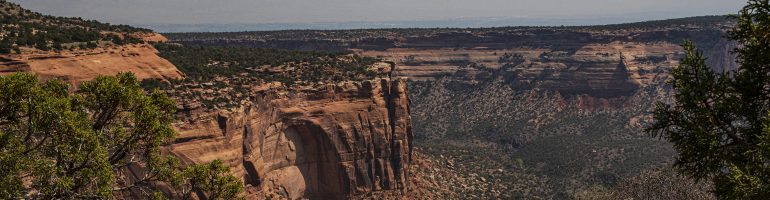
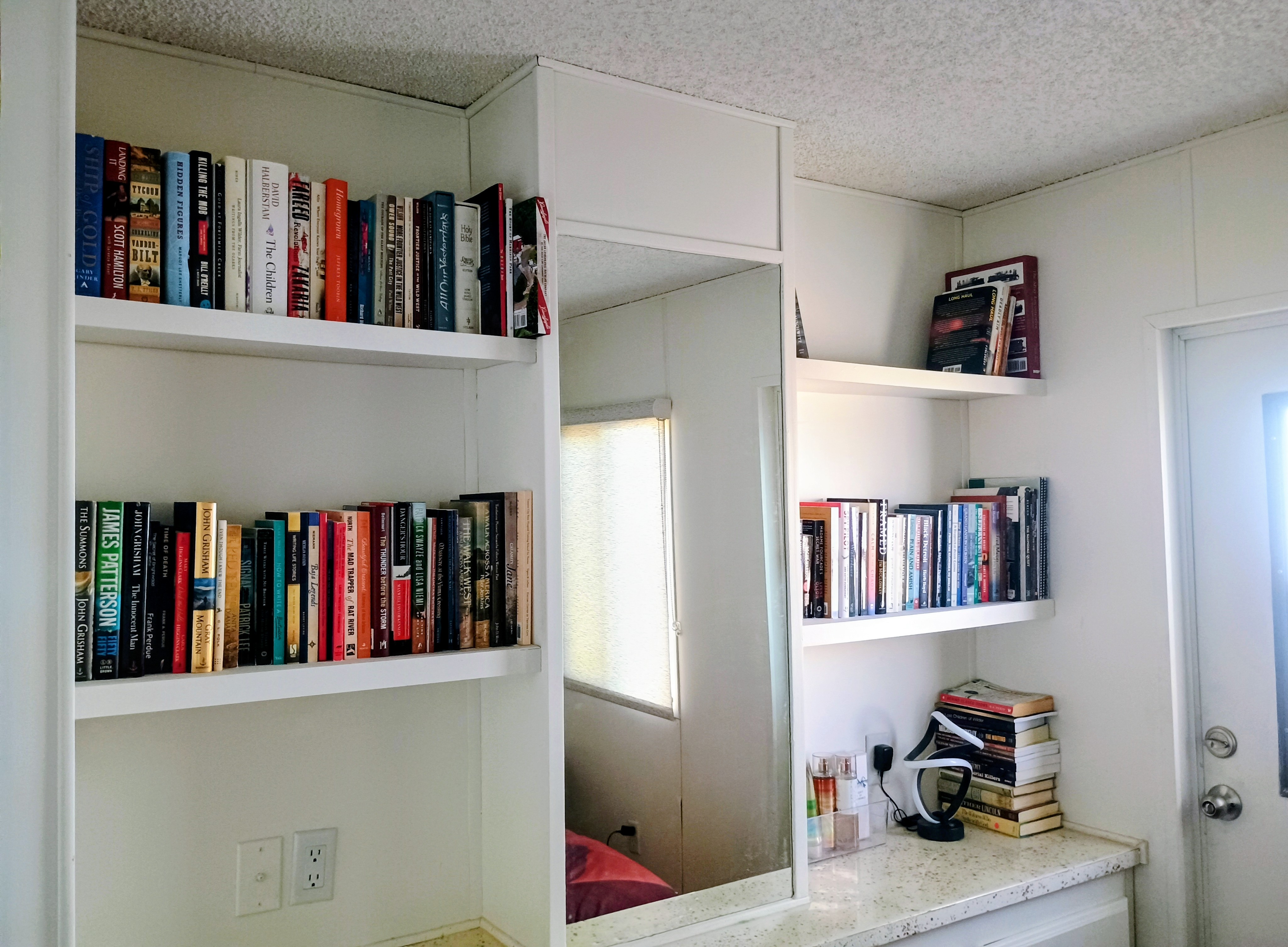
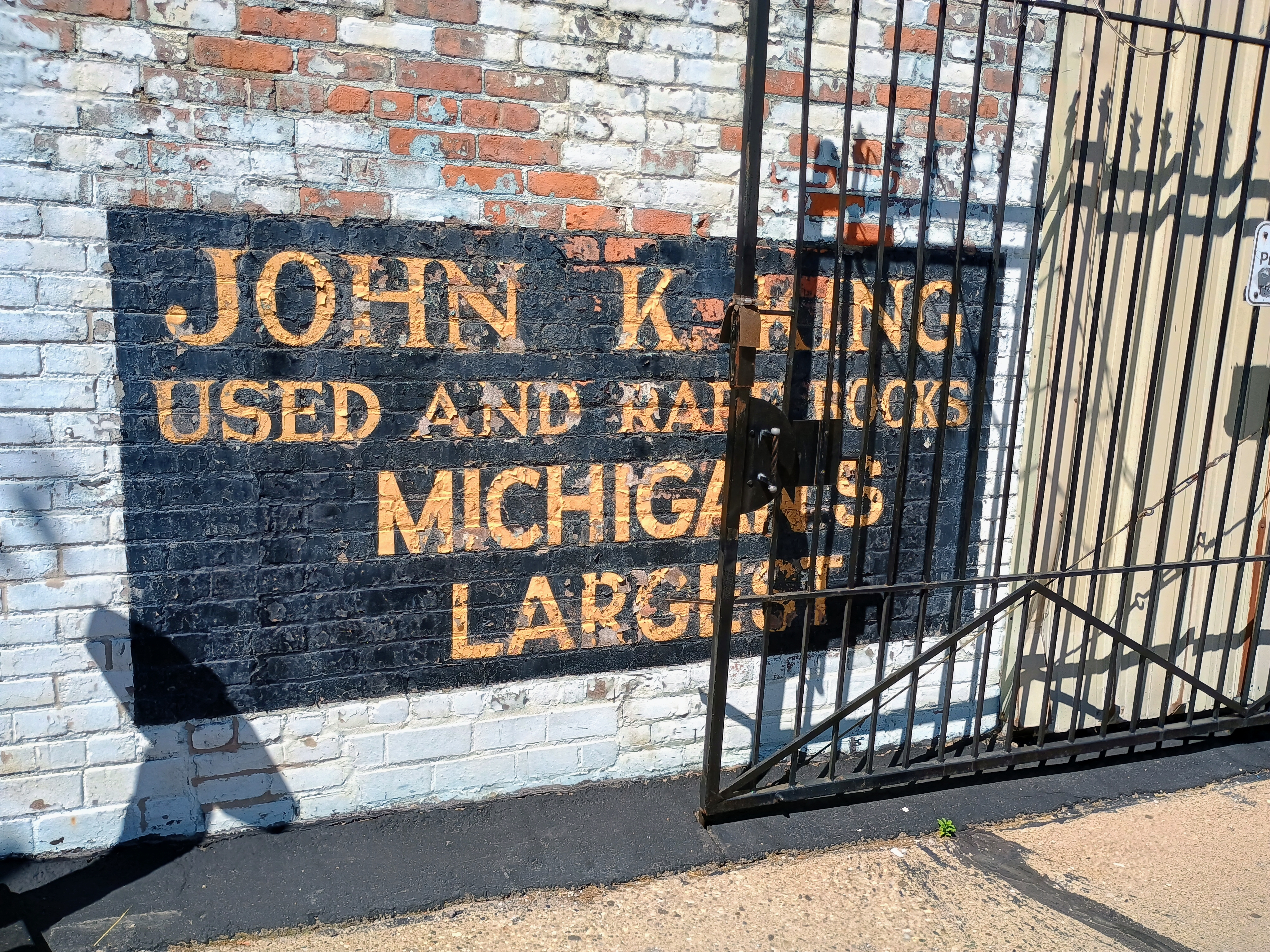










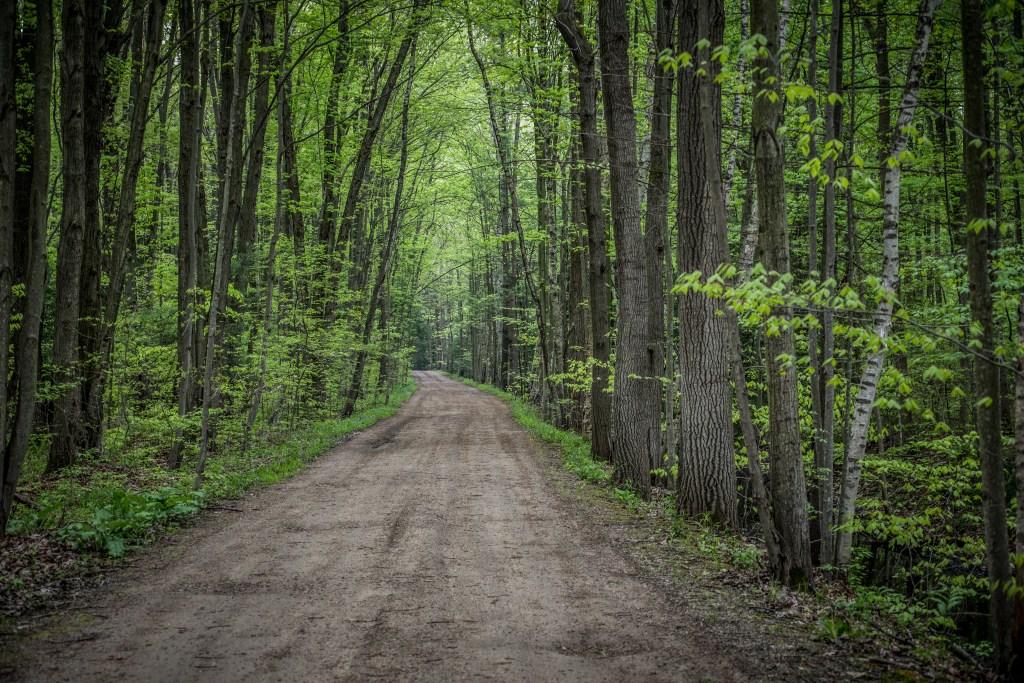
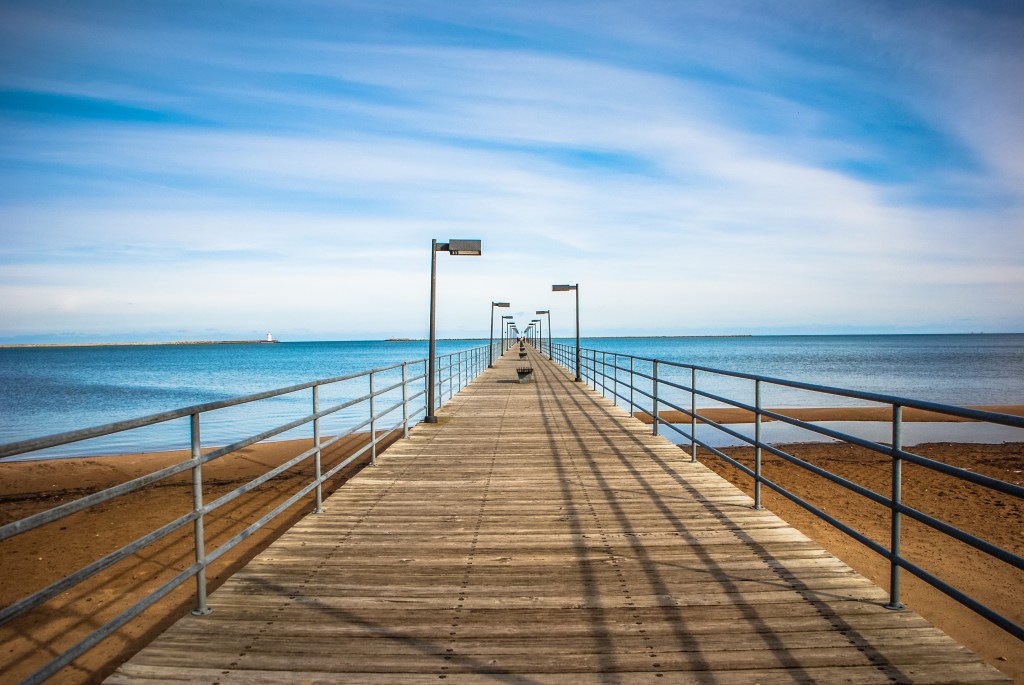
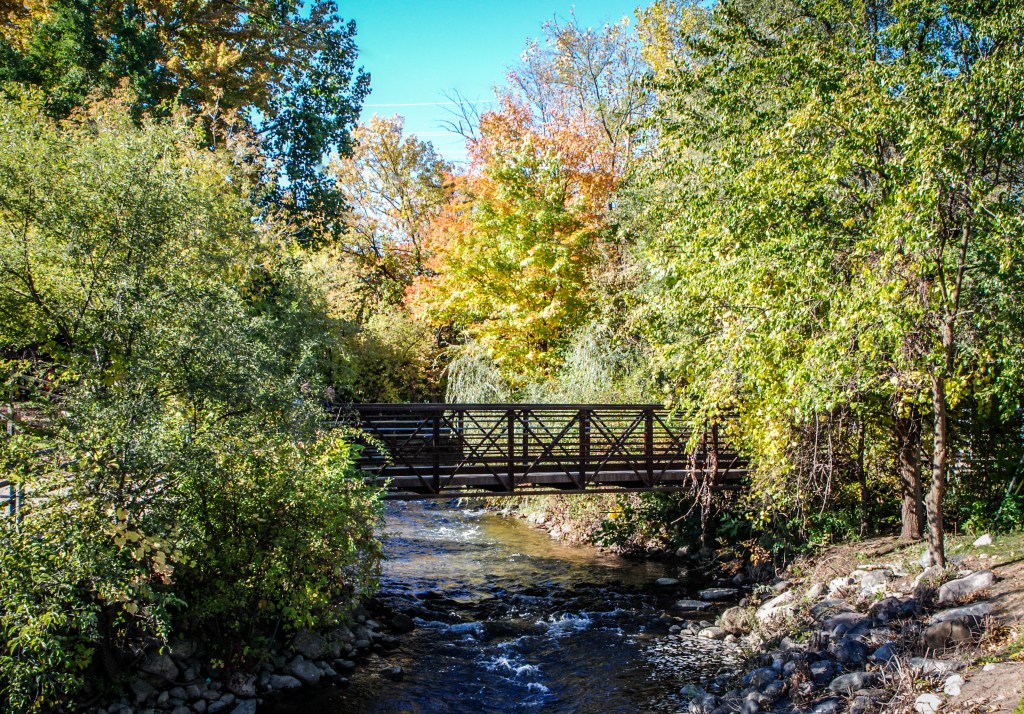
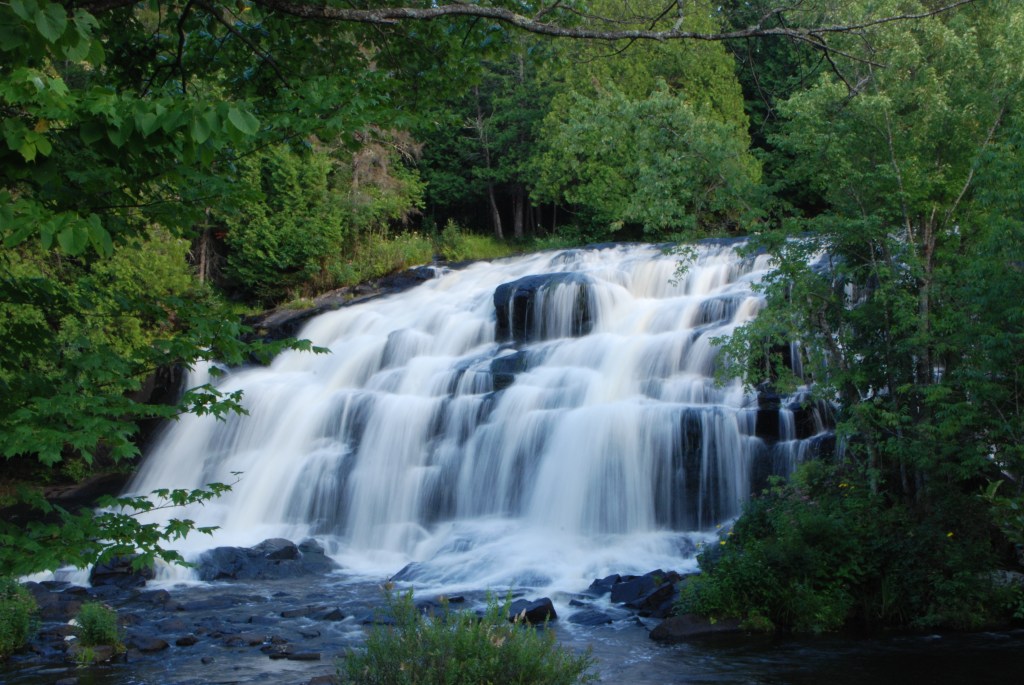






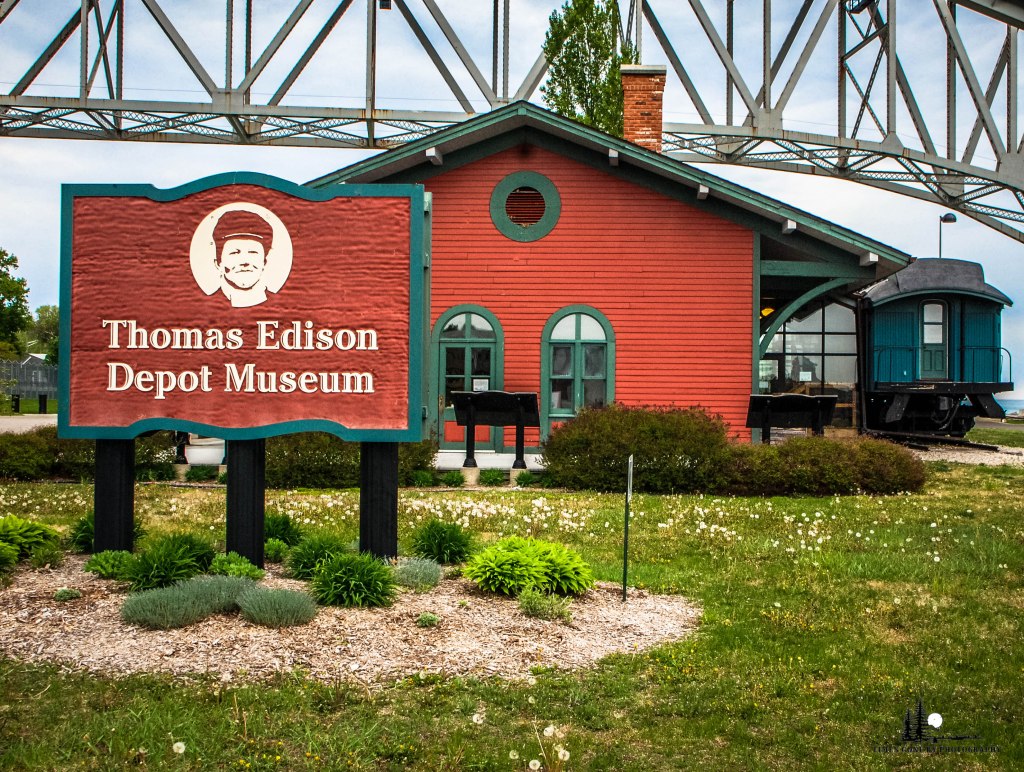
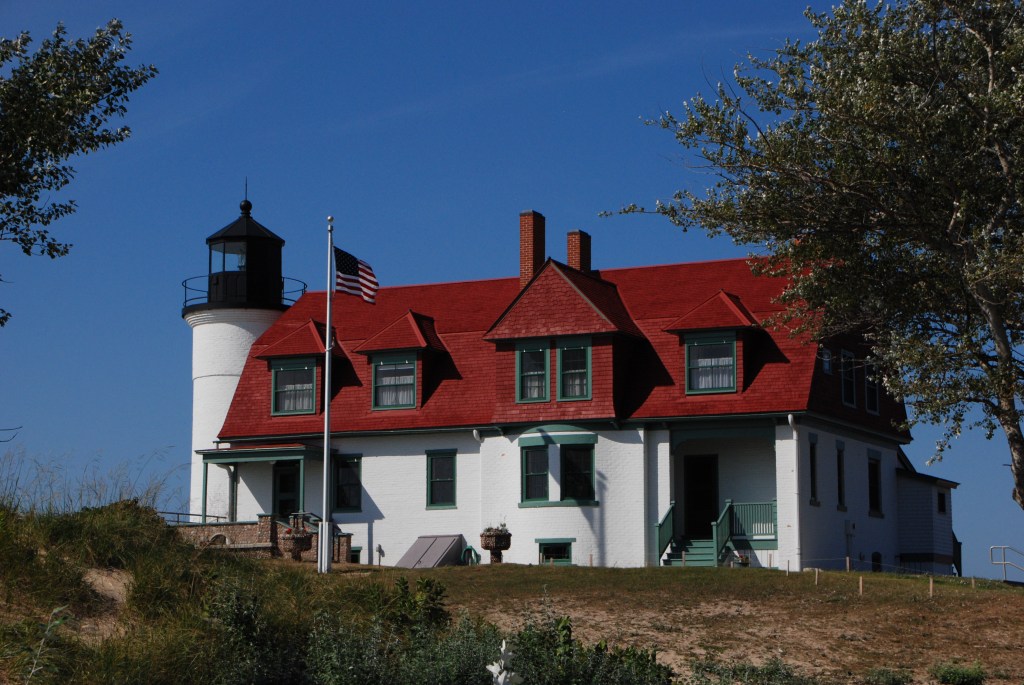

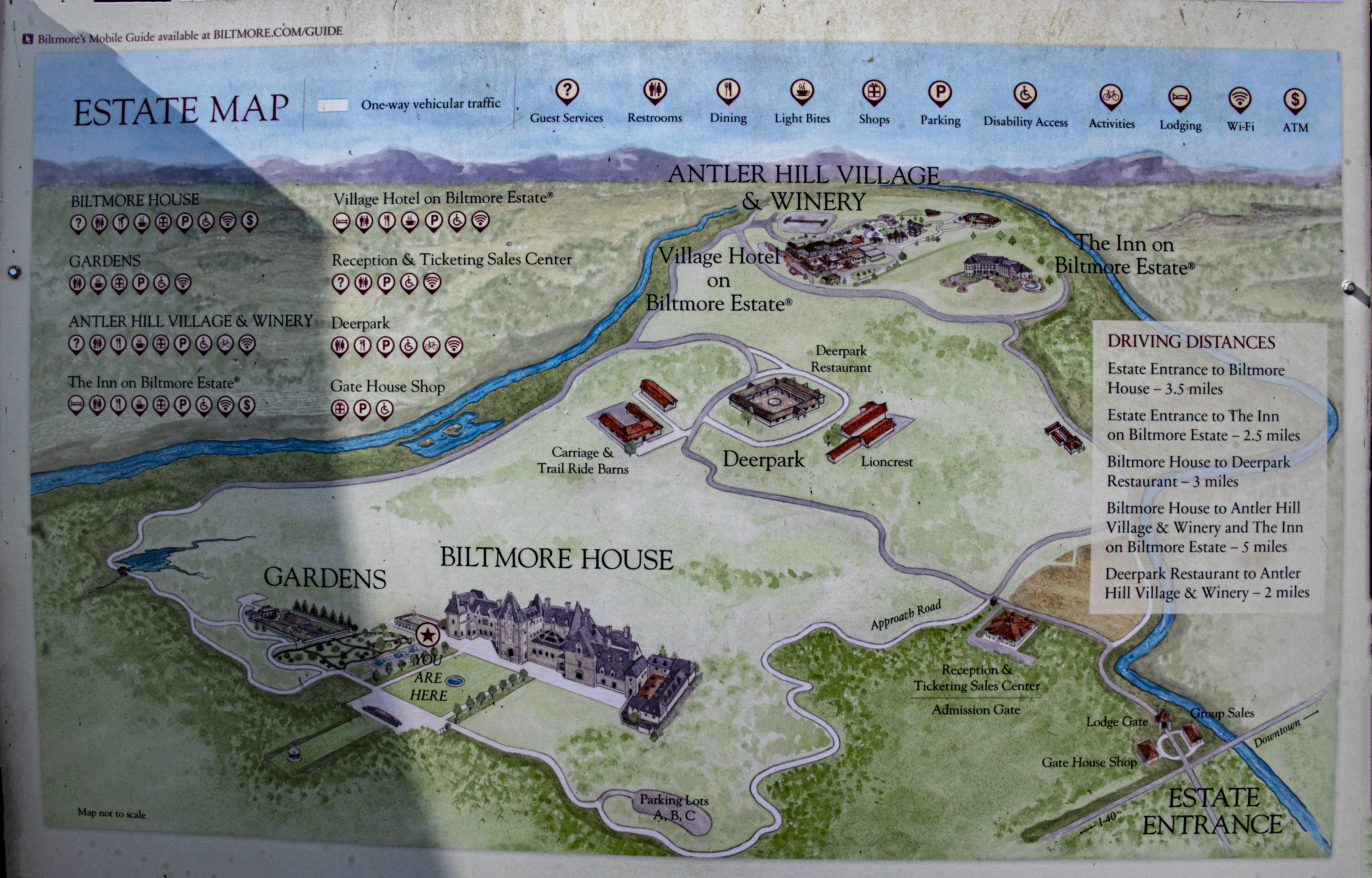
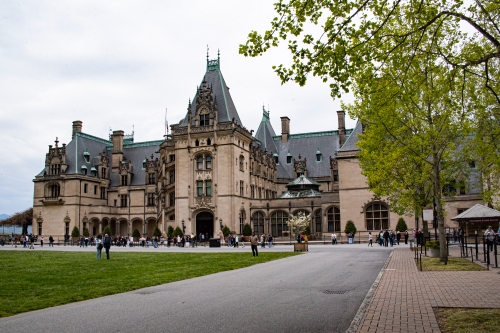
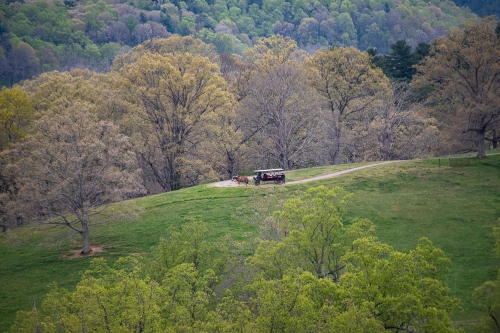
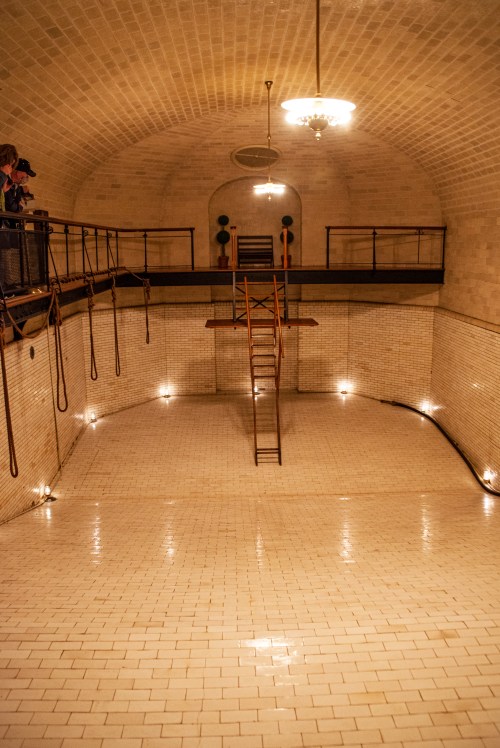
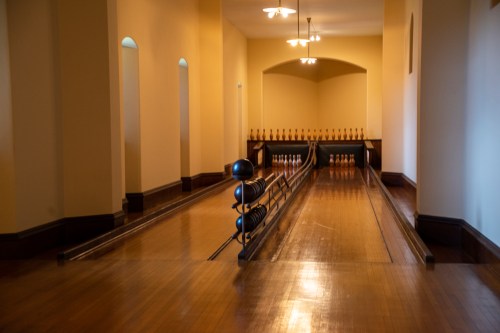
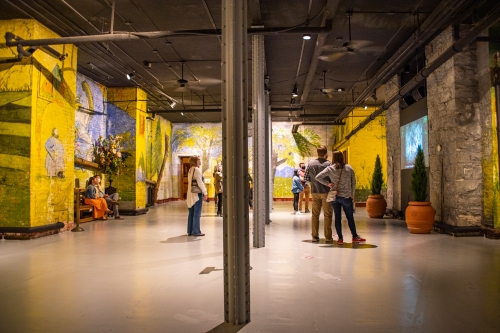
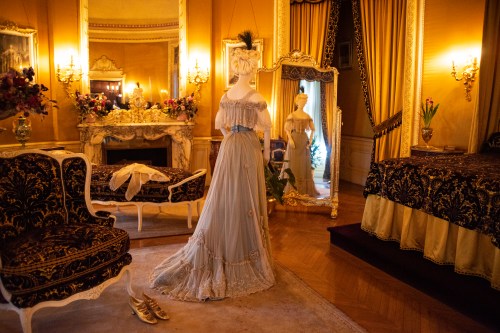
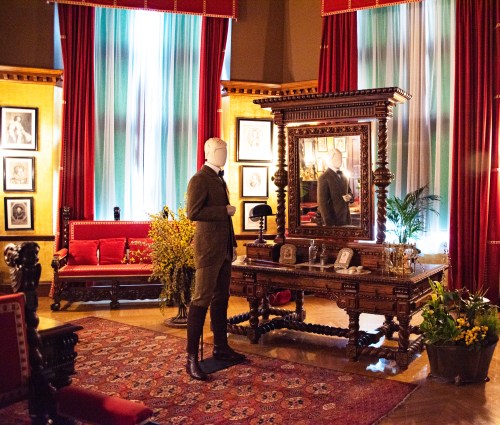
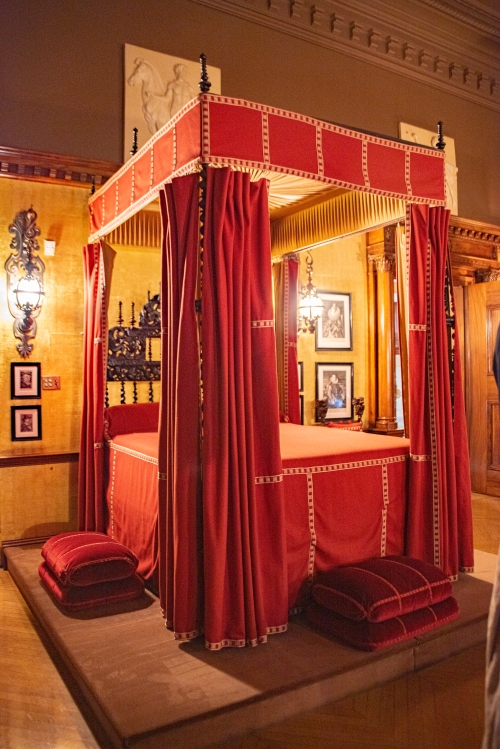
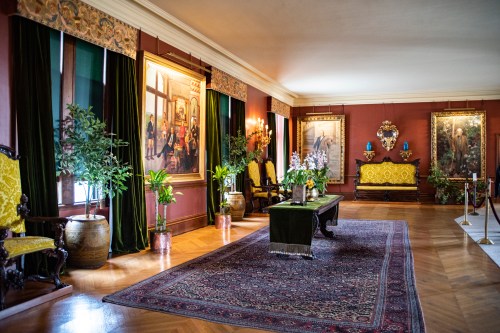
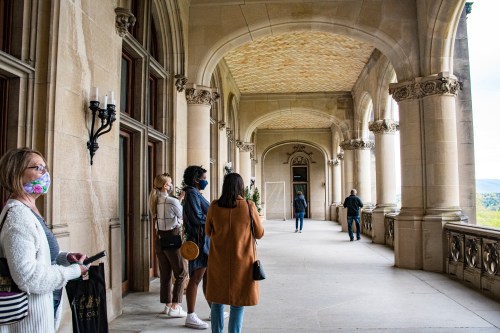
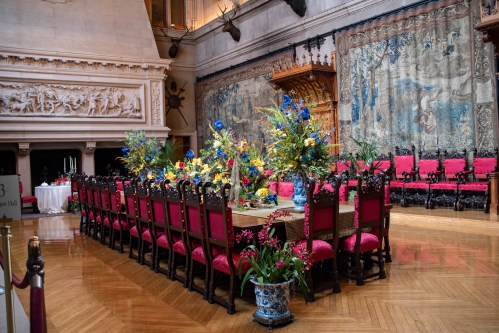

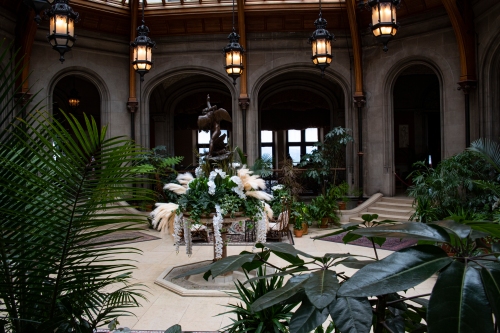
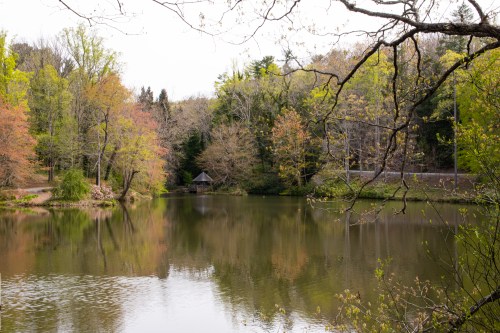

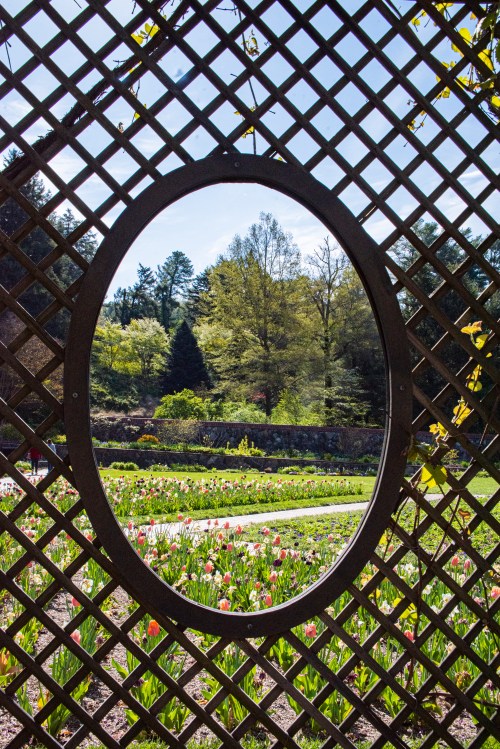

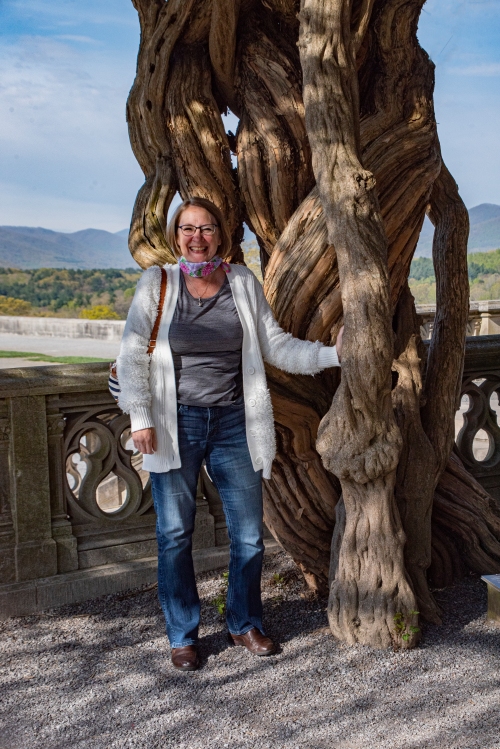
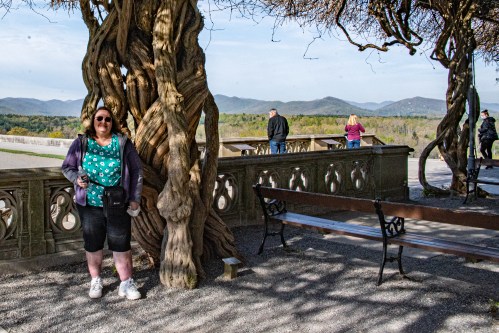
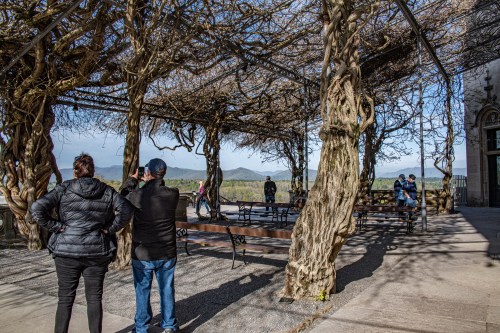
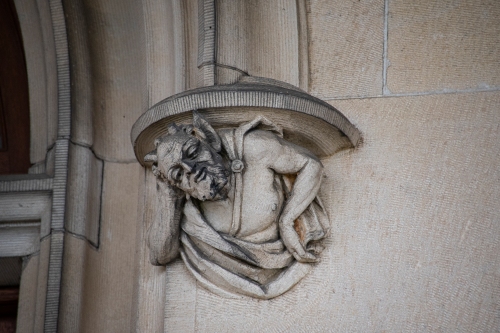









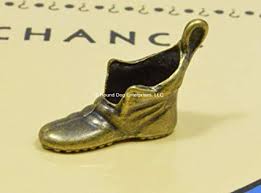



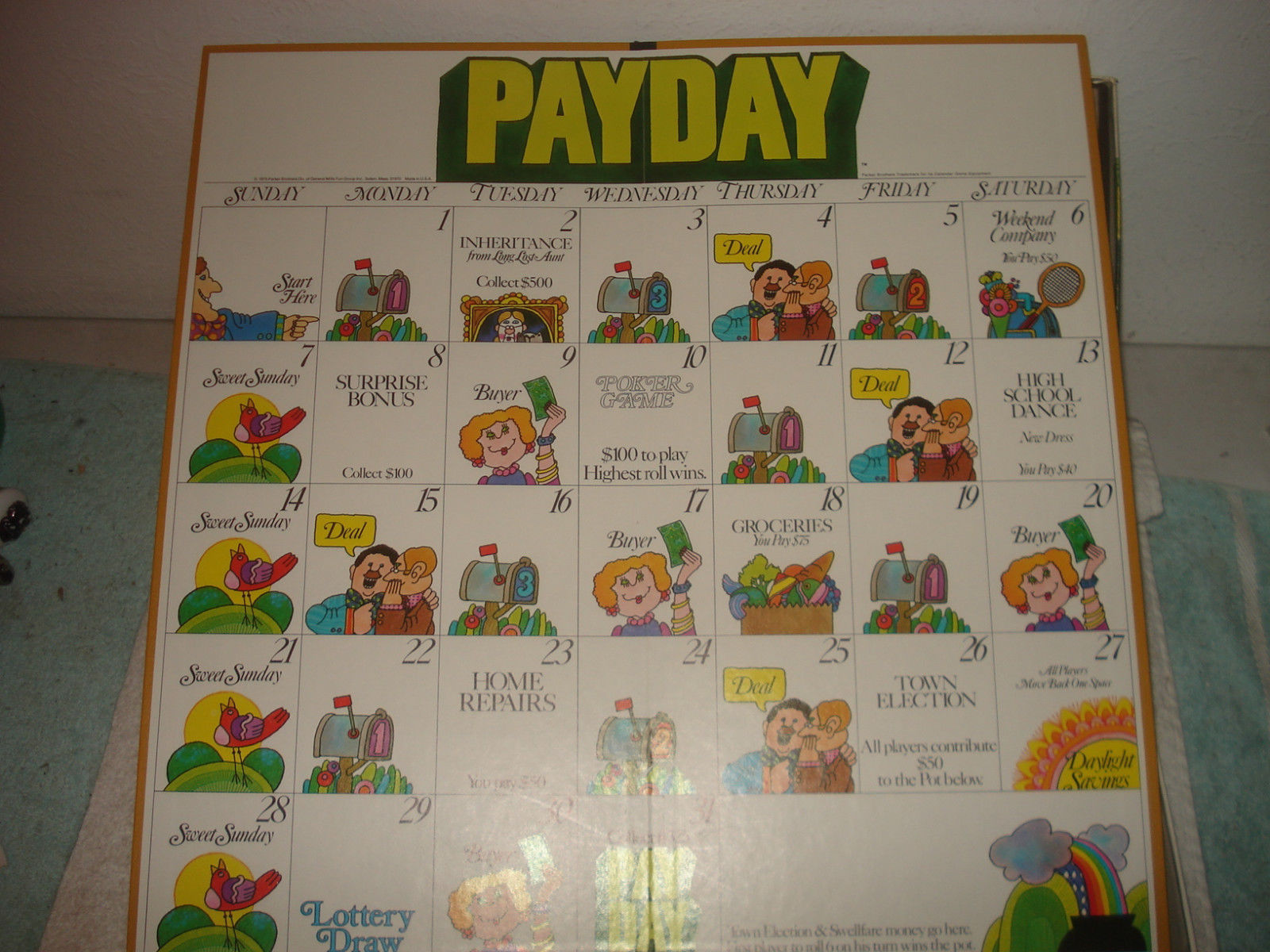
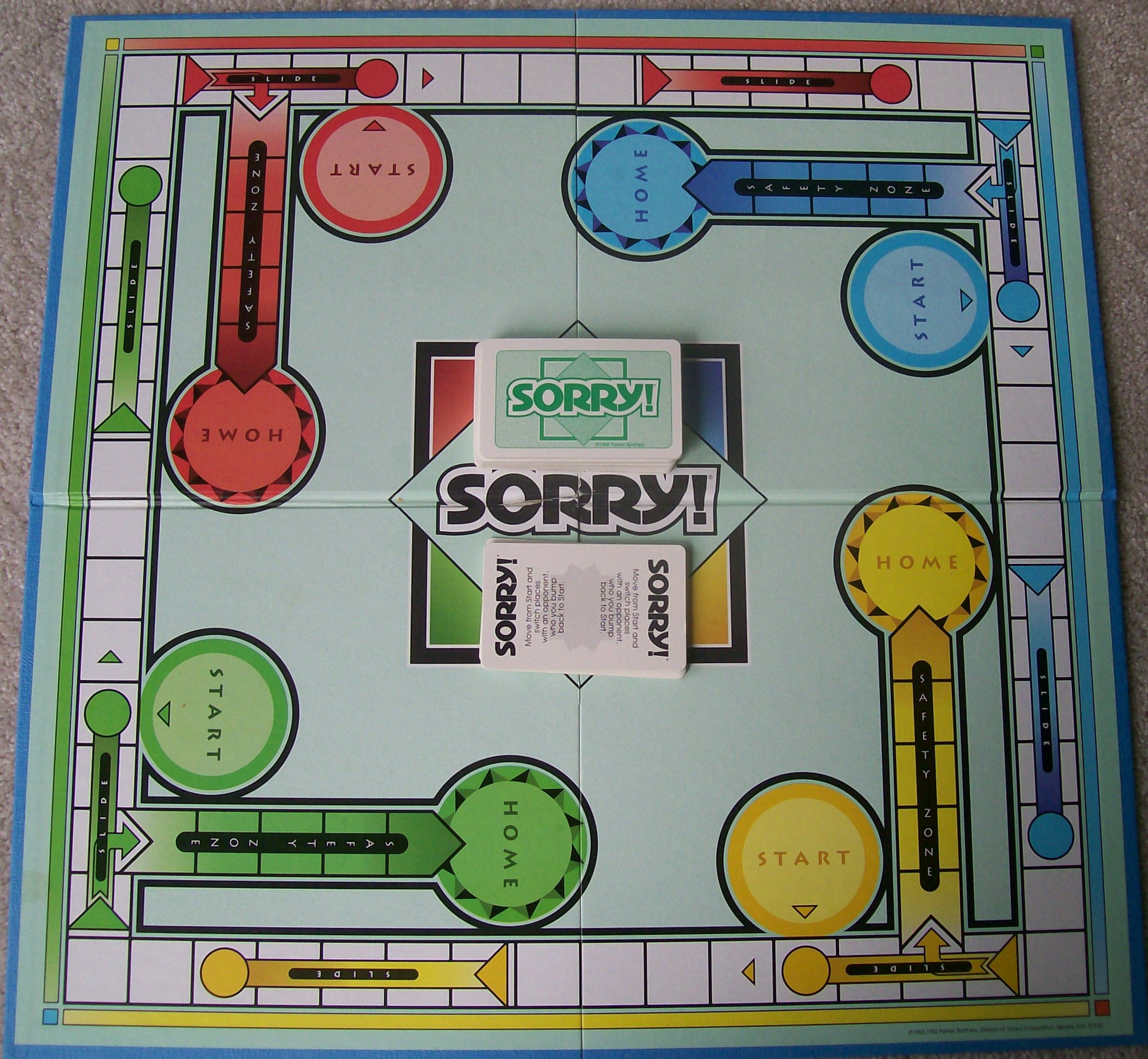

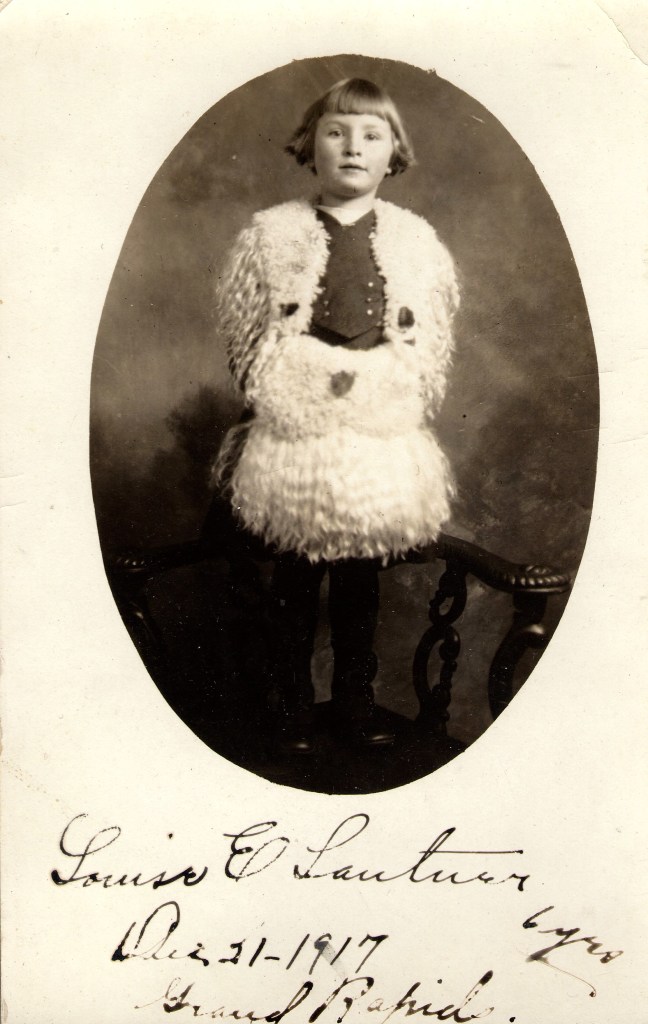
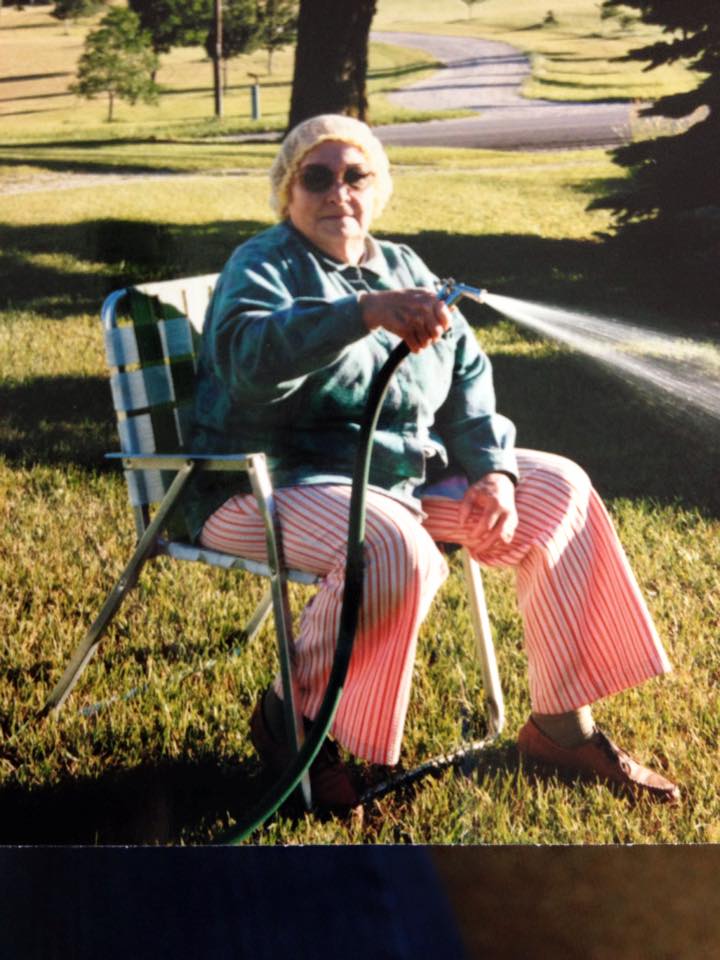
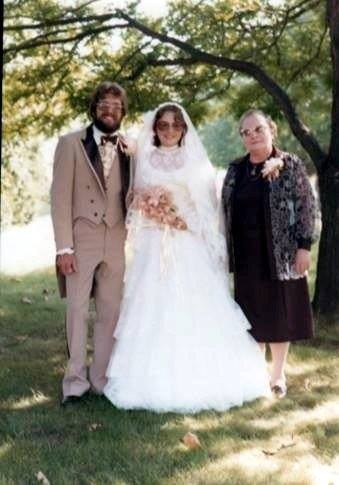
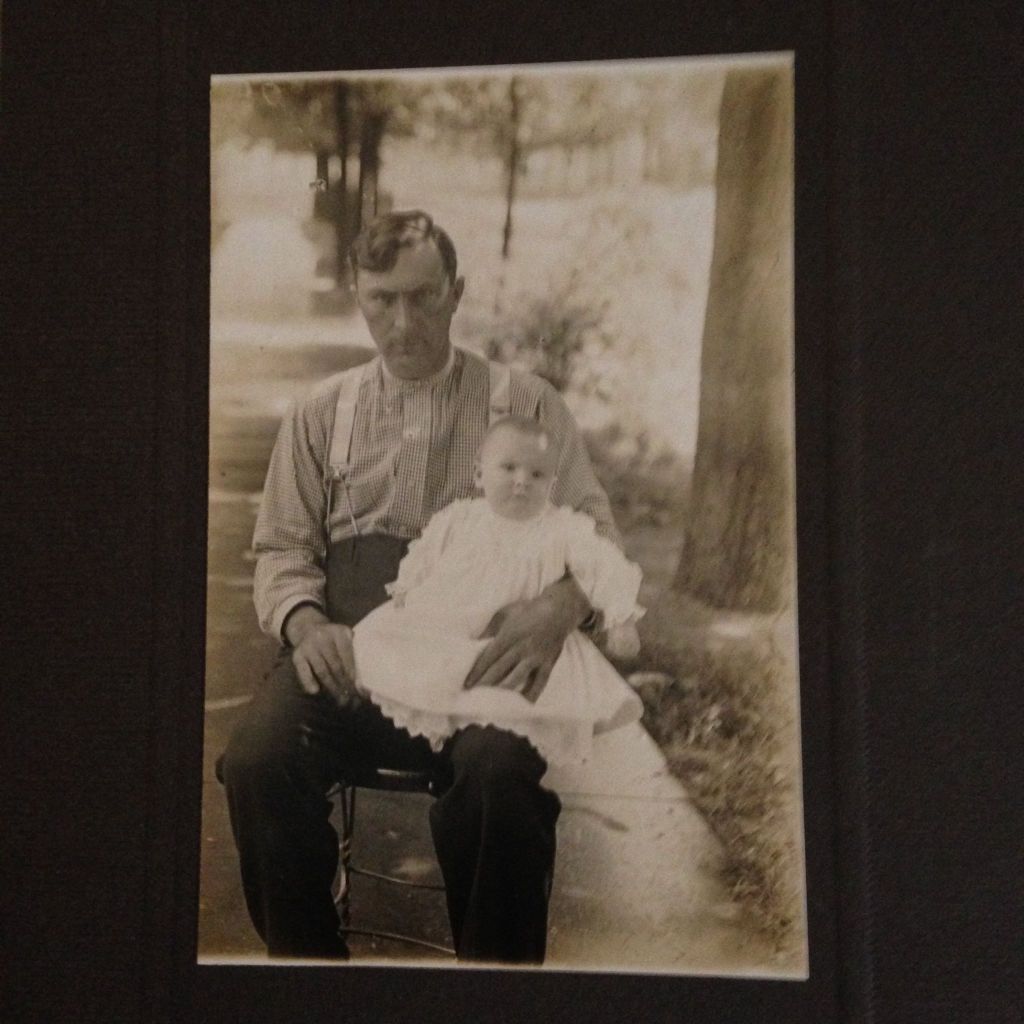
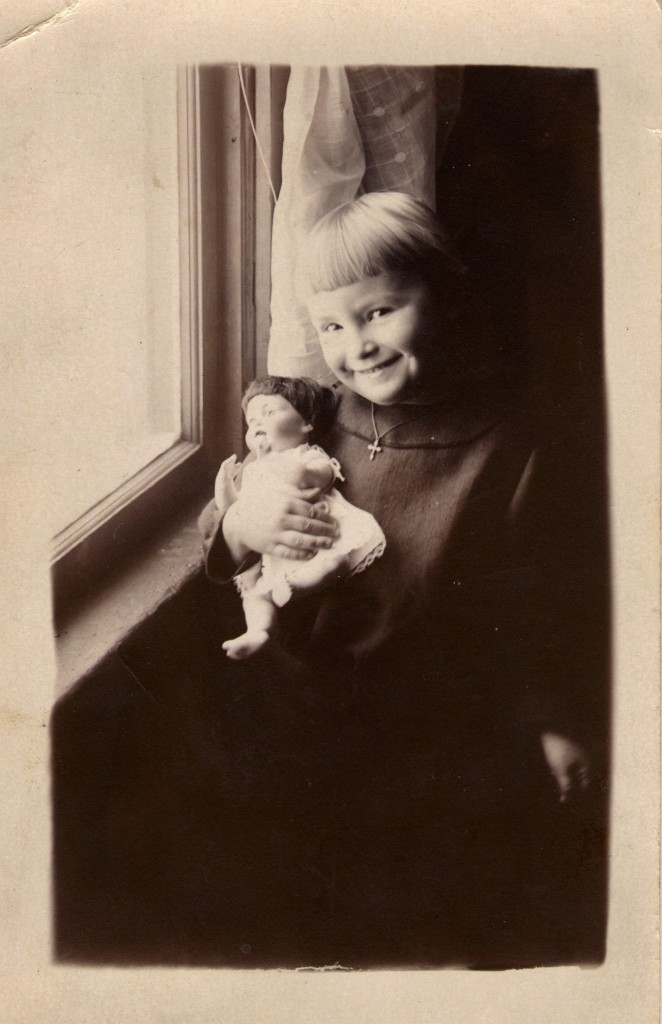
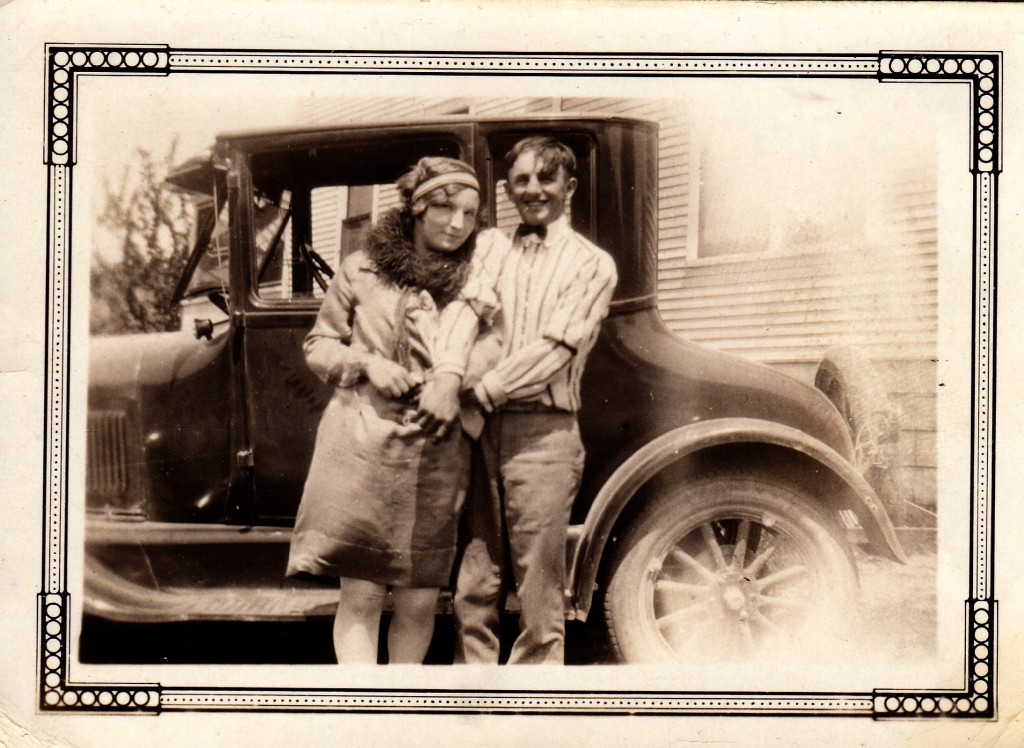
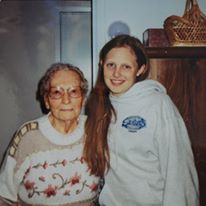
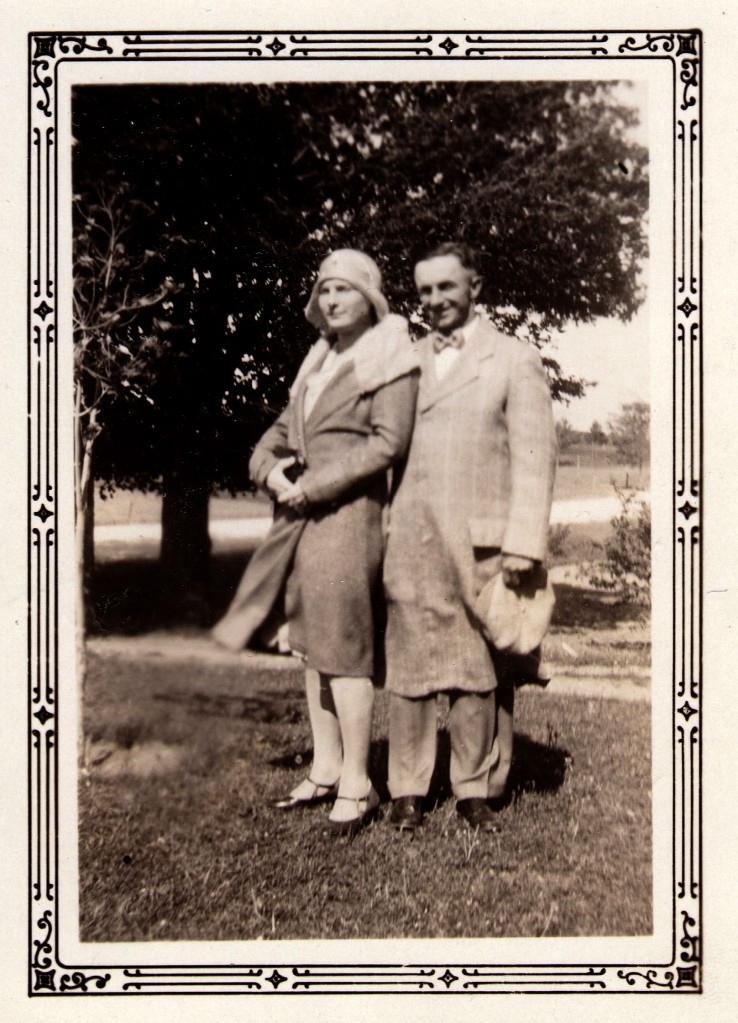
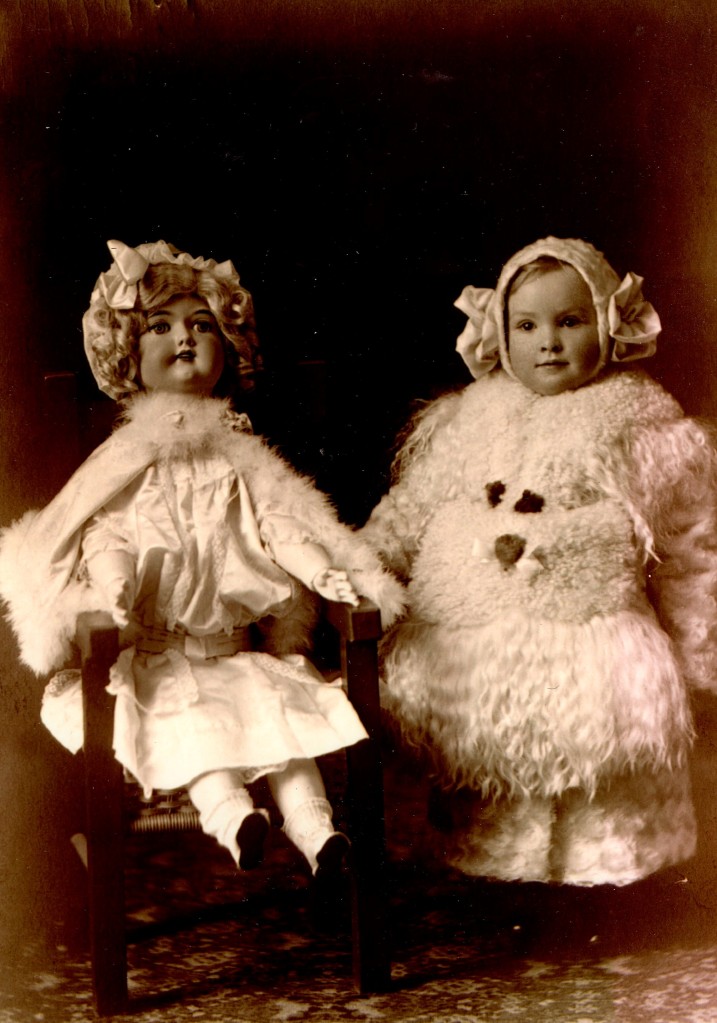
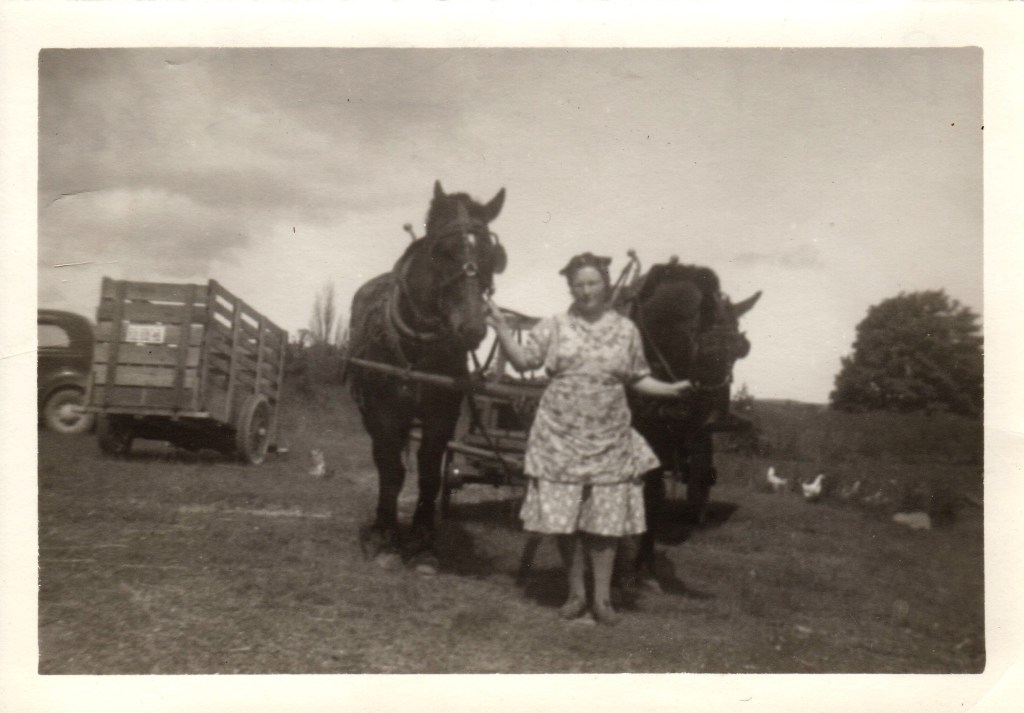
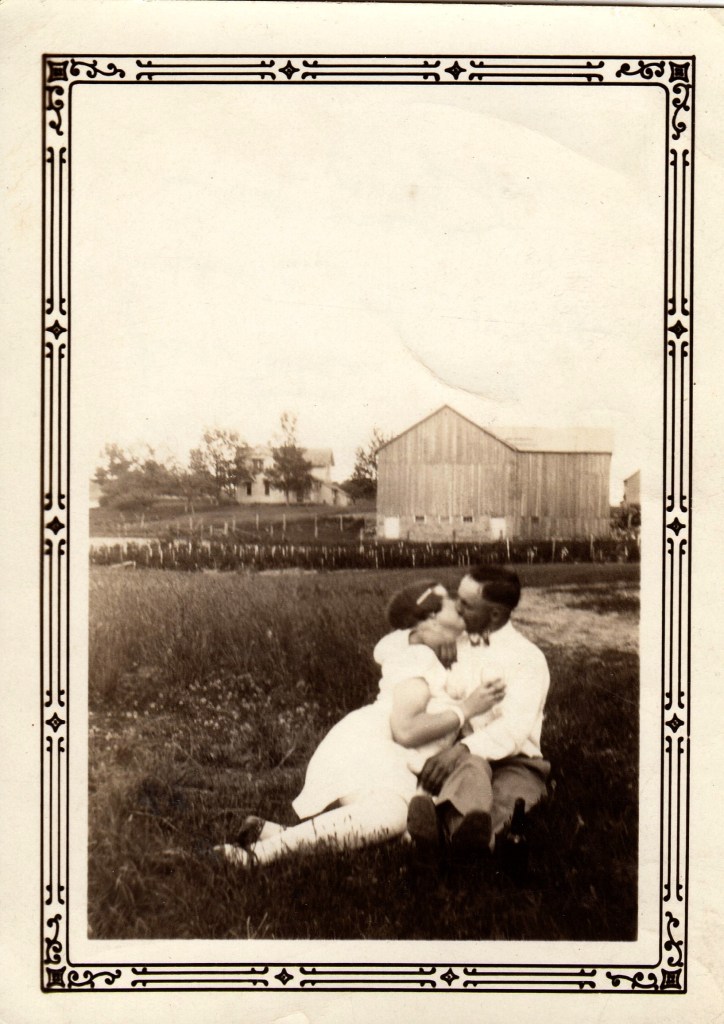
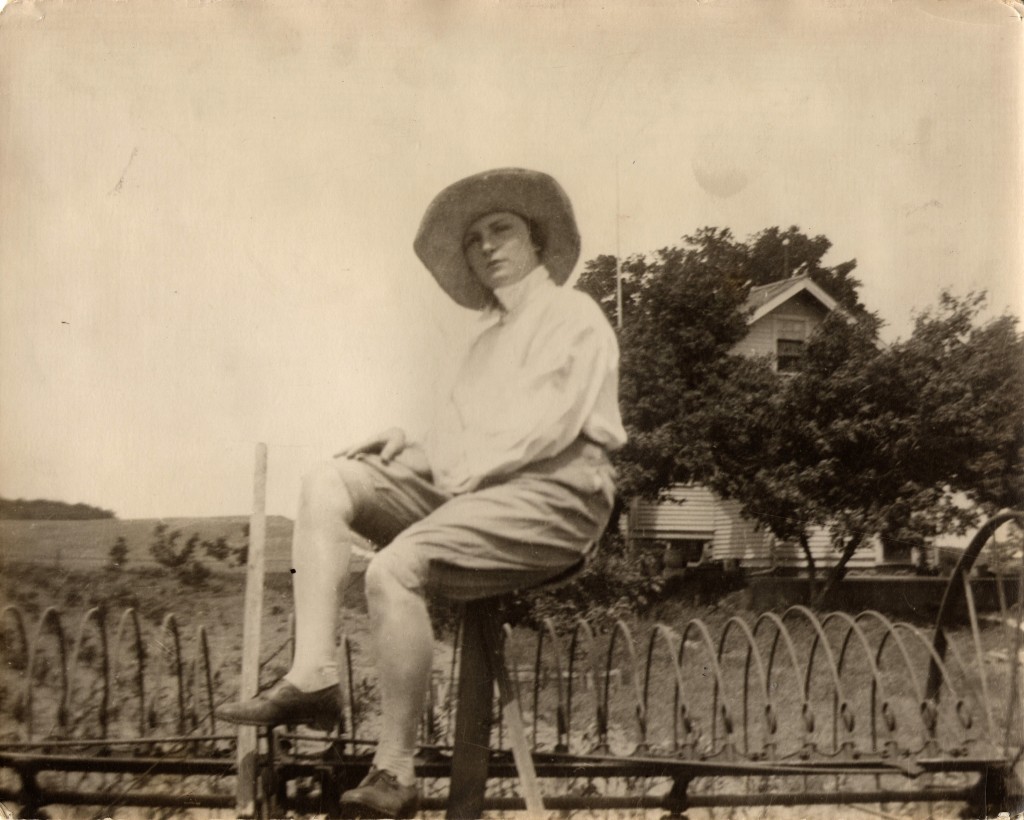










 I have very rarely seen my grandson, Corbin, with a clean face. I think it is magnetic and attracts dirt, all he has to do is walk across a room and it zeros in on him. Thinking back to when my son was growing up, there were all kinds of messes and things going on that bring to life the saying “boys will be boys.”




 --- LIFE IS A MELTING POT --- Grace Grogan...Writer, Photographer