I decided to share the link to an article published in the March-May edition of Michigan’s Freshwater Reporter. Michigan is known for being a free state that helped freedom seekers via the Underground Railroad. That information is accurate, but Michigan citizens also were slaveholders. You can learn more about this by checking out Michigan’s hidden history of slave ownership on page 4 of the Freshwater Reporter.
Category Archives: events
Michigan Was a Slave-Holding State

Filed under assumptions, Coping, decisions, education, events, Life Changing, Life is a Melting Pot, Michigan
Super Bowl Advertising–Could the Cost Be Better Spent?
I recently heard a comment that a 30-second spot for advertising during the 2025 Super Bowl was $8 million. In addition to the game-time advertising, Fox Network, which aired the game, also sold pre-game ad slots for about $4.5 million each and post-game ad spots for around $4 million each. Fox sold out its ad inventory early. Some companies, including Busch Light, ran two ads during the game, doubling their costs.
Super Bowl advertising is expensive because the advertiser has the potential to reach about 100 million viewers. While the added revenue generated by these ads is great for the big-name companies that can afford it, I wonder how many people those companies could help by using those funds in another way, especially when I learned their actual bottom-line cost.

In 2025, 57 commercials aired during the game, earning the Fox Network approximately $456 million in game-time advertising revenue. The year 2025 was record-breaking, and the combination of pre-game, game-time, and post-game advertising generated almost $700 million in revenue for the network.
Fox makes that for the advertising spot, but the cost for the companies who advertise is considerably higher, and so is Fox Network’s revenue. The ad agency cost for Super Bowl work is an average of $3 million to $6 million, film production costs are $3 million to $4 million, and post-production work such as visual effects, sound, and editing is around $1 million. Music licensing expenses are between $3.5 million and $5 million.
Those advertising costs do not include the fees that must be paid for the ad spokesperson. A non-celebrity will run about $250,000, a B-list celebrity about $1 million, and a more realistic celebrity appearance is between $3.5 million and $5 million.
In addition to those production and celebrity costs, advertisers need to spend additional funds on digital and social media ads and any additional activations, which adds another $3 million to $10 million to the final cost.
Now, remember that $8 million 30-second ad? Fox Network requires advertisers to commit an additional $8 million for media commercial time for the upcoming year, which means that the 30-second spot is a $16 million commitment.
The final cost for purchasing a Super Bowl Ad is about $40 million per ad. With 57 ads sold during 2025, that works out to about two billion two hundred eighty million dollars ($2,280,000,000).
I realize my thoughts about how that money could be better spent will never materialize because Super Bowl ads generate a lot of revenue for advertising companies. That doesn’t stop me from wondering what would happen if those companies produced low-cost commercials notifying watchers that rather than spend $40 million on creating an advertisement, they spent the minimum advertising contract and created a simple ad to inform consumers they have donated the difference in expenditures, approximately $24 million, to homeless shelters, food banks, soup kitchens, building low-income housing, natural disaster relief, etc.
If you saw an advertisement like that, would it make you more or less inclined to purchase their products? Think how beneficial this type of action could be to the citizens of this country. Making this country great means helping others improve their lifestyle and achieve success. Is a $40 million commercial helping America? Could those funds be used better elsewhere?
As of January 2024, the Department of Housing and Urban Development reported over 771,000 homeless people in the U.S. Reasons for this status include ending COVID-19 relief programs, higher housing costs, and immigration to big cities. People experiencing homelessness include almost 150,000 children under 18.
According to the Working Poor Families Project, 47.5 million people in the U.S. live in low-income working families, including 23.5 million children. In 2011, more than four in 10 working families were low-income working families in Arkansas, Mississippi, and New Mexico. Between 2007 and 2011, low-income working families increased by 5% in Alaska, Arizona, California, Connecticut, Florida, Georgia, Illinois, Michigan, Nevada, and South Carolina. These families spend more than one-third of their income on housing and, in doing so, exceed the accepted guideline for affordable housing.
What are your thoughts? Please comment below.
Share this post with your friends:

Filed under Coping, decisions, events, impressions, Life Changing, reality
Summer Visit With Grandkids
My grandkids are 17, 11, and 8, and with me only seeing them once a year, I enjoy taking them on individual outings, plus a few family activities. Our stay in Michigan was longer this year, so I was on the go with various outings. Keep reading if you’re looking for things to do with kids in the Clare/Harrison, Michigan, area!
We started our visit by meeting my daughter, Caroline, husband, Rob, and the kids for dinner at Budd Lake Bar & Restaurant. After dinner, they came over to Hidden Hills Family Campground to visit. Kids’ interests are ever-changing, so I had lists of possible activities. I was surprised at some of the things they passed over and others they selected.
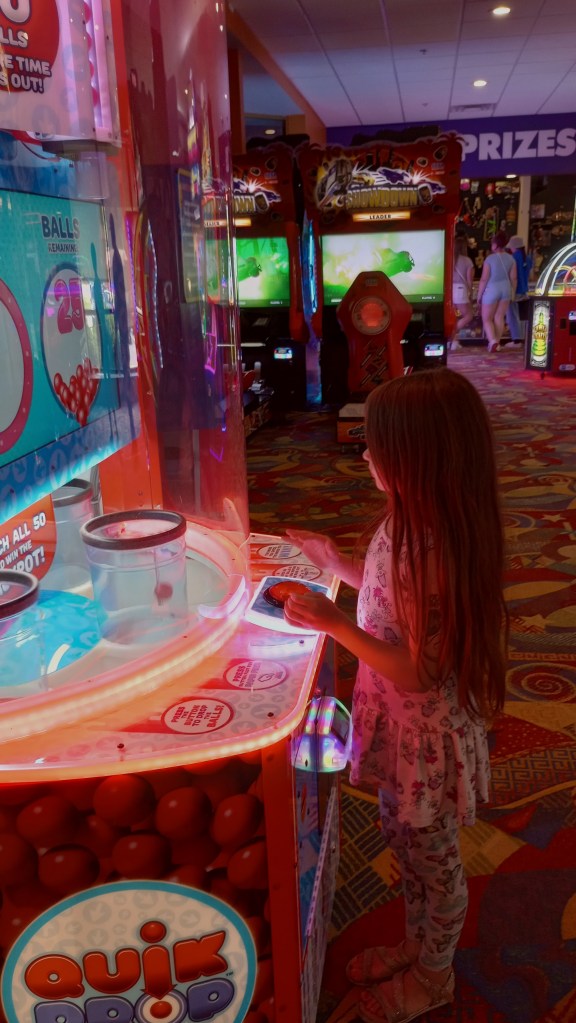
Corbin is 11 and spends most of his time playing video games. He is also harder to appease with activity selections. I wasn’t surprised when he picked Valley Lanes Family Entertainment Center for two of his outings. This complex contains bowling, putt-putt, an escape room, a pool, a laser maze challenge, bumper cars, an arcade, a pinball alley, and laser tag. They also have an on-site restaurant where we enjoyed lunch during both visits.
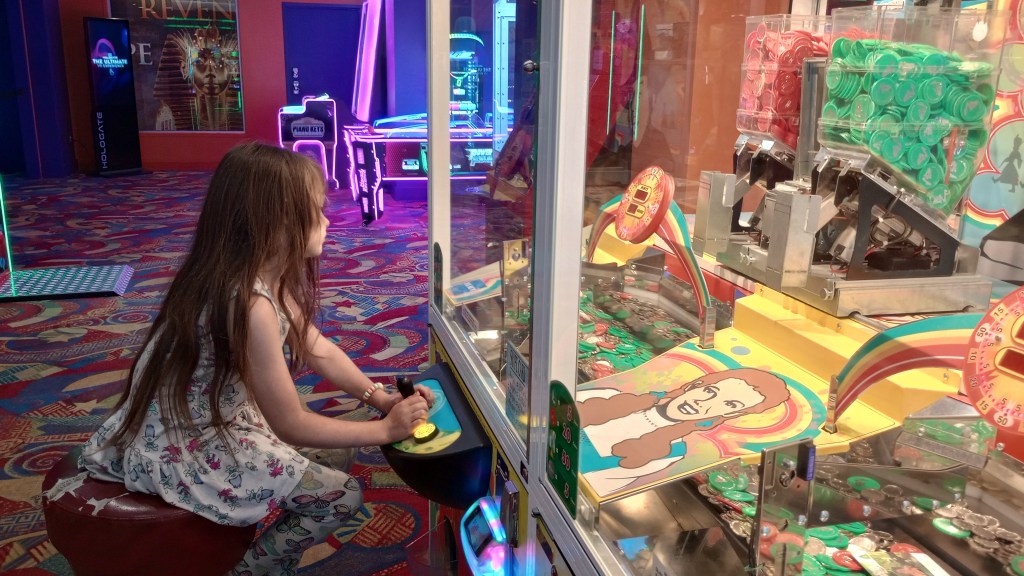
On our first trip there, we spent quite a bit of time in the arcade. Corbin was surprised I could “ride” a motorcycle so well, not realizing I had ridden the real thing before his birth. I enjoyed watching Corbin play a large selection of games that did not exist when I was hitting the arcades as a teen or when my kids were young. We enjoyed playing air hockey and skee ball, two throwbacks to my day. I spent a lot of time in arcades in the 1970s, so this was a fun outing.
Corbin also elected to go bowling, and we rolled three games on each trip. I hadn’t bowled in years and didn’t do well, but we had fun. When I was a teen, all scorekeeping was by pencil and paper. Now it is automated, including a variety of game selections and cartoons that cheer you on or laugh at your blunders. Quite a change!
On our second trip, Corbin decided to do the laser maze. They had a video screen outside the room, so I could watch his progress, which required navigating over and under laser beams to reach a specific spot in the back, hitting a button, and then navigating the maze again to the front and hitting the ending button. It displays your time and the number of lasers you broke. I chuckled when he said he would make a good burglar, as he only broke six lasers. I said I wouldn’t rely on that; it only takes one to set off alarms that call the cops.
Corbin’s other selected outing was to a water park. Since he had been to the one in Mt. Pleasant a few times, I took him to Zehnders Splash Village in Frankenmuth. Water slides aren’t my thing, but I enjoyed watching Corbin play in the pools, relax in the hot tub, float the lazy river, shoot down a water slide, and other activities. Our tickets were for five hours in the park. Afterward, we enjoyed lunch in the hotel restaurant before leaving.












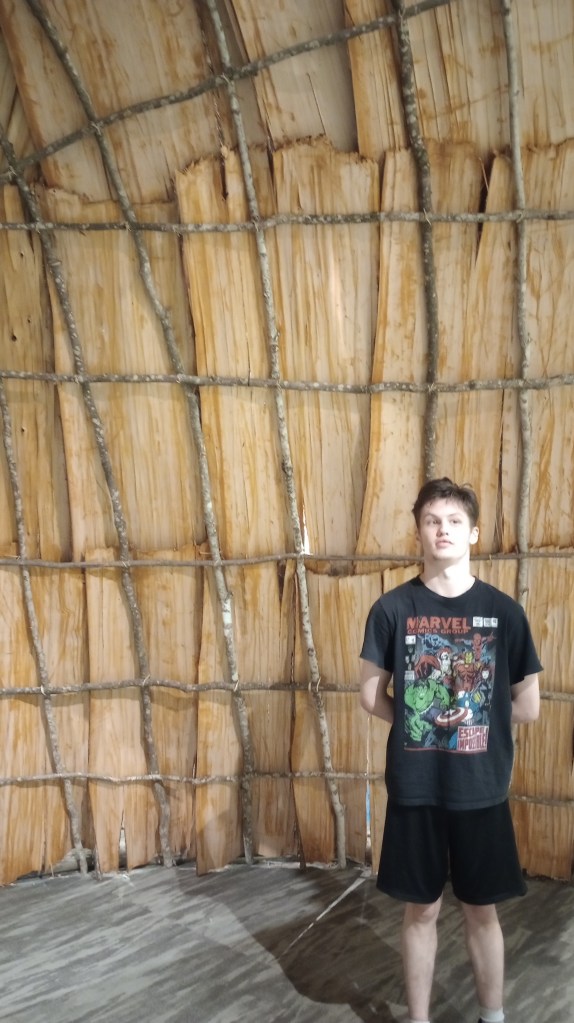
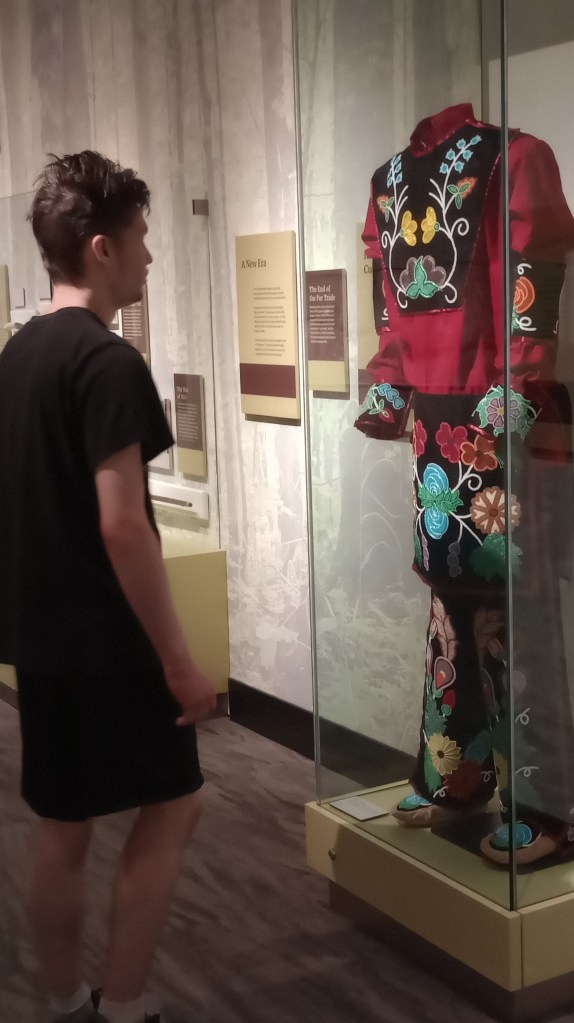

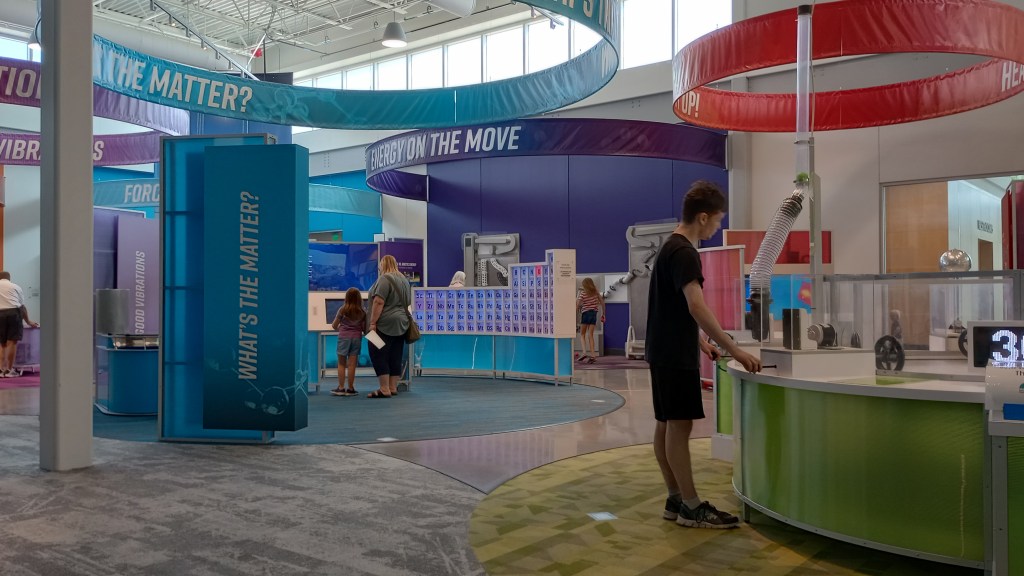



Corbin is interesting. He appears to be a self-absorbed video gamer, but when he talks, you can tell there is much more going on in his brain than people realize. He uses intellectual phrasing when presenting his opinion and absorbs a lot of information on a variety of subjects.
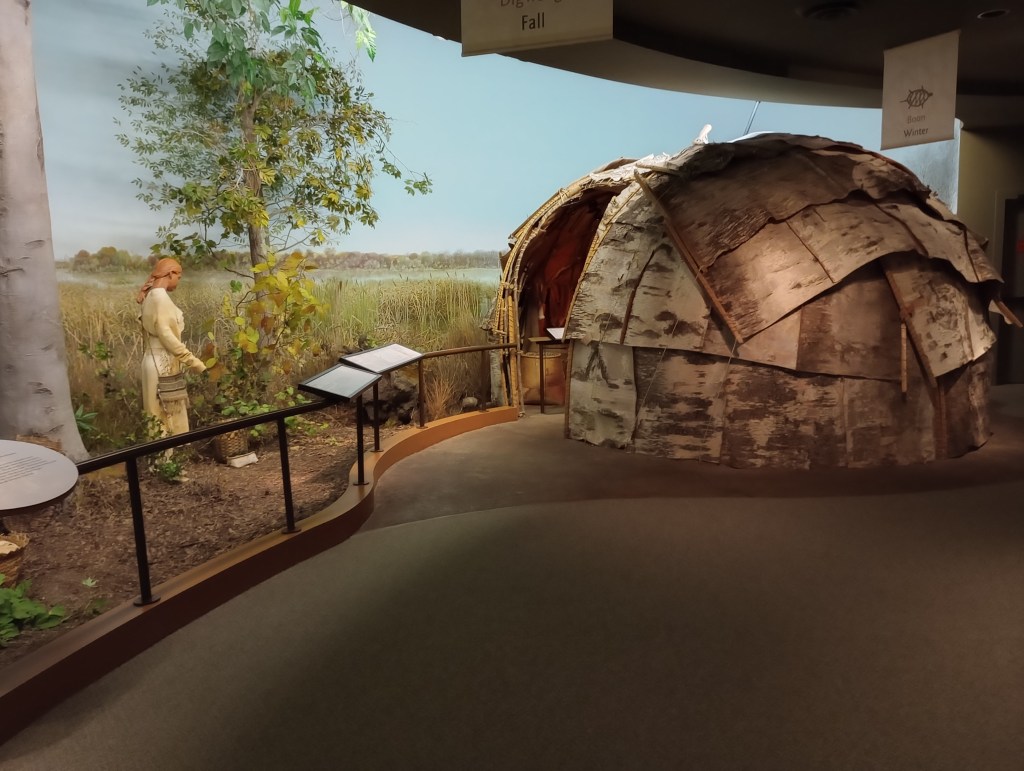
Austin is 17 and likes history and museums. We enjoyed three different locations on a wide range of topics. The first was to the Ziibiwing Center of Anishinabek Culture and Lifestyle. The museum has 15 areas in their permanent exhibit area about the Saginaw Chippewa Indians. It was interesting to learn about the Chippewa way of life and the oppressive things done to their culture over the centuries. Austin expressed disgust at the horrible ways Native American people were treated in the past.
Austin suggested the Michigan Heroes Museum in Frankenmuth. This very interesting and unique spot opened in 1987, focusing on Michigan’s military and space heroes. It covers ten wars dating back to the Civil War, ending with Operation Enduring Freedom in Afghanistan and Operation Iraqi Freedom in Iraq. There are more than 900 Michigan veterans featured in exhibits.
The information is beautifully displayed in individual showcases about each person and includes some of their personal items. Three permanent galleries are dedicated to Michigan Astronauts and Space Pioneers, Service Cross Recipients, and the nation’s largest collection of Medals of Honor. When viewing a showcase that deals depicts how the Nazis destroyed the lives of innocent people, Austin commented on the horrible way the Nazis behaved. His comments made it apparent he had likely studied this subject in school.
Austin’s third outing was to the Longway Planetarium and Sloan Museum of Discovery. We were early for our planetarium show and mentioned it when I was purchasing a book in their gift shop. It was pouring rain outside, so the cashier gave us complimentary tickets to the show before ours. It was a different topic than the one we had purchased, and it was interesting. Sloan Museum is a hands-on learning experience. Austin is aging out of the museum but enjoyed the activities and suggested we go to the Real Bodies special exhibit.
Presented by Hurley Medical Center, Real Bodies contains real human specimens preserved to show how the human body works. This is more than skeletons; it includes muscles, lungs, heart, and more in beautiful exhibits. I highly recommend this exhibit, but only cell phone photography is allowed.
In touring the museums with Austin, it was interesting how much information he has absorbed about history from school or the reading he enjoys doing on his own. I was also surprised at his interest in the military, as I had not been aware of that.
ALEXANDRIA (Alex) is 8 and a girly girl, talkative and opinionated tomboy. This is why she has such a wide range of activities. We went to Day Escape and Spa for mani-pedis, her first. The salon enjoyed Alex because she was inquisitive and knew what she wanted. They said many of the young girls that come in won’t respond to their questions. Alex was stepping forward, voicing her desires. We walked into the pedicure room, and her tech asked if she wanted to select from a shelf that had mermaid polish on it. Alex looked at the display and said, uh, no, and turned to a large display of available polish. She pointed to three different colors she wanted; she made a different selection for her fingernails.
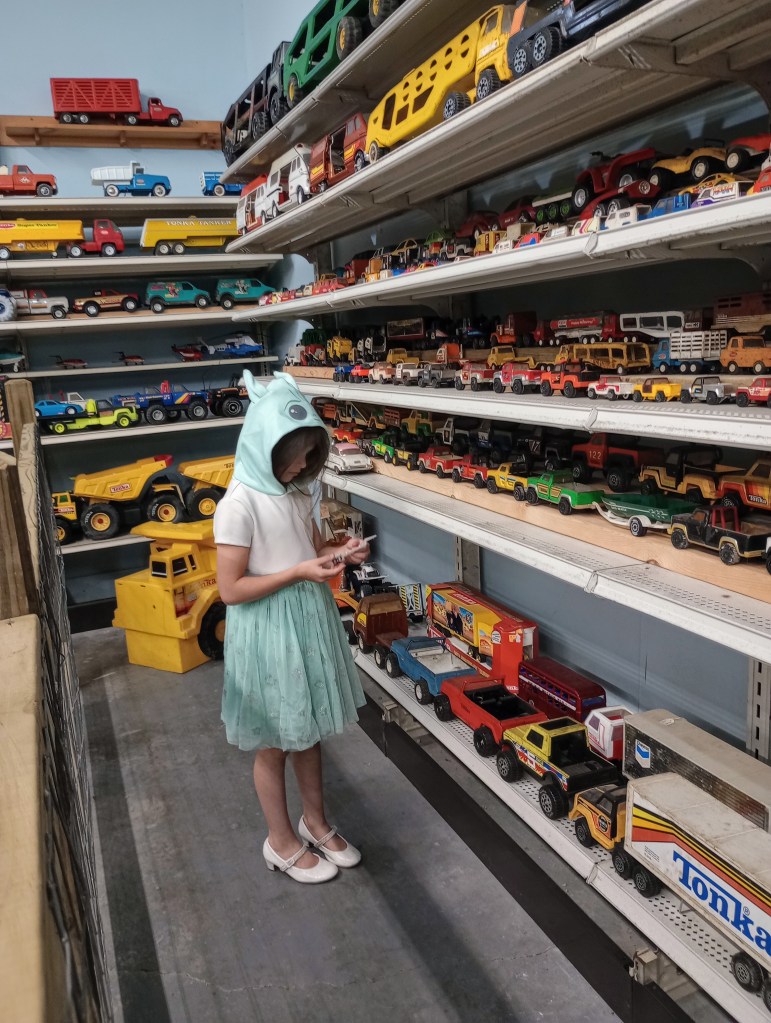
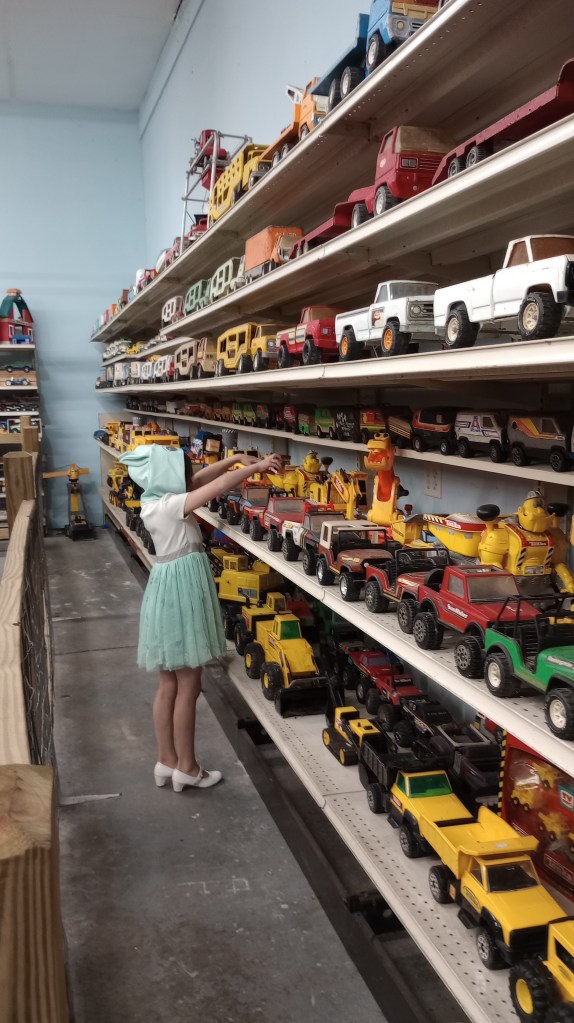
I was surprised when Alexandria selected the Antique Toy and Firehouse Museum for one of her outings. I had put that on Corbin’s list of possibilities because he has always liked vehicles, but he passed on the option. The museum has more than 60 motorized firetrucks, the largest collection in the world, and includes the FDNY Super Pumper, considered the T-Rex of fire engines. They also have over 12,000 antique and collectible toys.
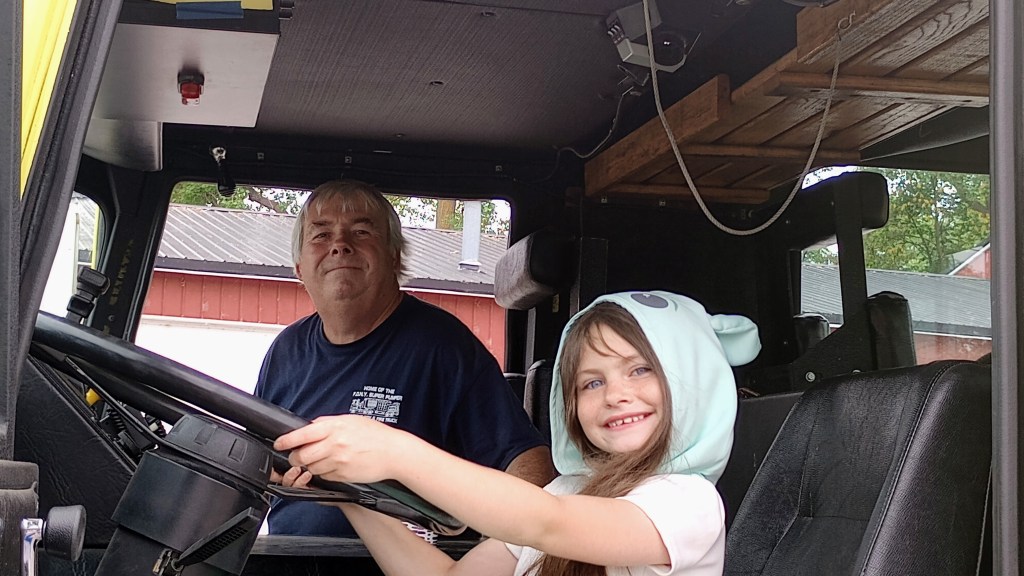
Alex wore a dress and heels, catching the eye of museum docent Dave by asking him a question. Dave toured us through the museum, letting her into a gated area where antique toys were on shelves, encouraged her to climb up into all the firetrucks, which were labeled “do not climb, and told her when she was done looking around, she was going to drive a real firetruck—which she did! Alex drove a 38-foot firetruck with me in the passenger seat; Alex sat on Dave’s lap in the driver’s seat. We went around a rural block twice, with her turning the steering wheel and blowing the air horn when she saw people. I asked Dave how often they take kids out like that, and he said never; Alex is the only one. Definitely a once in a once-in-a-lifetime, memorable experience.
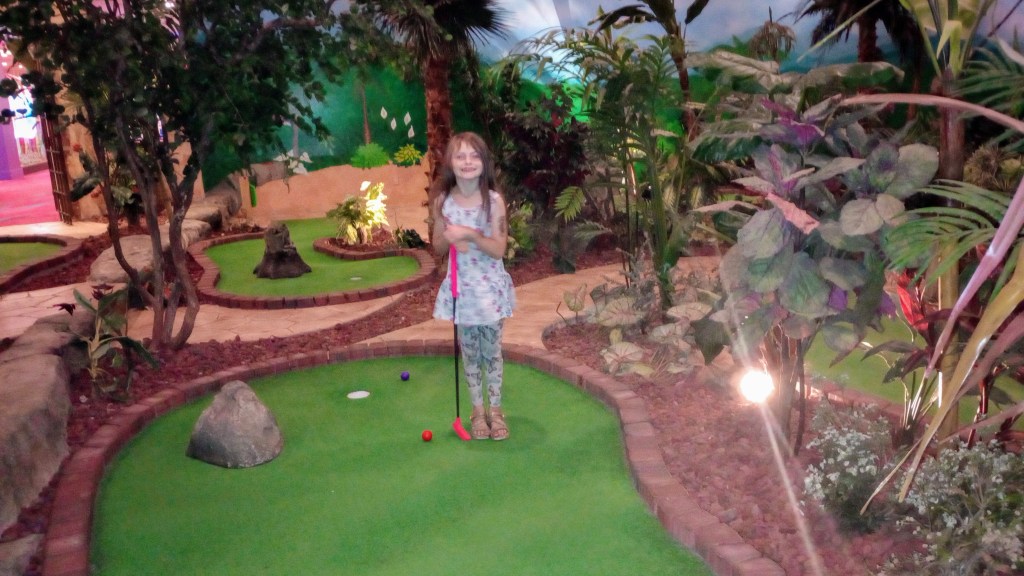
Alex selected Valley Lanes for one of her outings. Given the age difference between her and Corbin, the selection of games she made was different, and we had a lot of fun. Alex wanted to play miniature golf, which was an interesting 18 holes. I attempted to keep score, but I’m not sure if all the swings one of us took got counted.
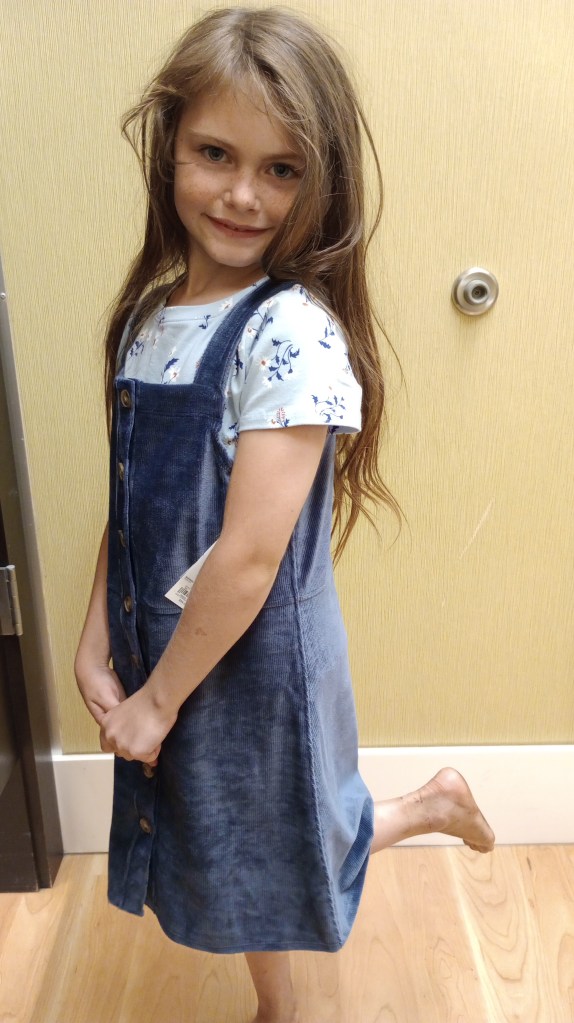
I also took each of the kids for their own day of lunch and shopping for a few school outfits. Austin was in and out of the dressing room on his own, and other than showing me one outfit, he pretty much just told me whether they fit or not. It was hard shopping for Corbin as he has definite likes and dislikes, and the majority of clothes in his size were in his dislike category. Alexandria is very opinionated about what she likes. The only problem is her taste is in the older-looking girls’ section, but she is tiny and still wears little girl sizes for most things. She enjoyed trying on clothes, and it was like a modeling show as she posed for me to photograph each outfit.
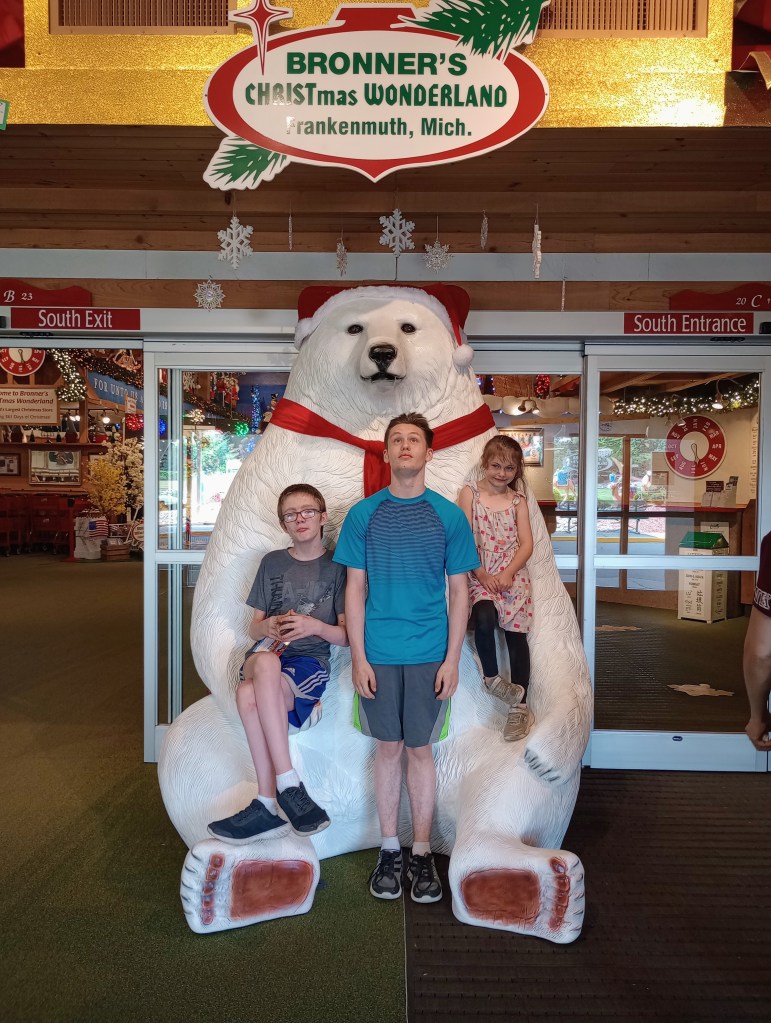
In addition to my individual outings with the kids, we had a couple family outings. These were harder to fit in because Caroline works 6-7 days a week. We did manage to coordinate an outing with all three kids to Bronner’s Christmas Wonderland in Frankenmuth. Bronners is the world’s largest year-round Christmas store, covering 2.2 acres plus 27 acres of landscaped grounds. If you are ever in Frankenmuth, Michigan, this is a must-see.
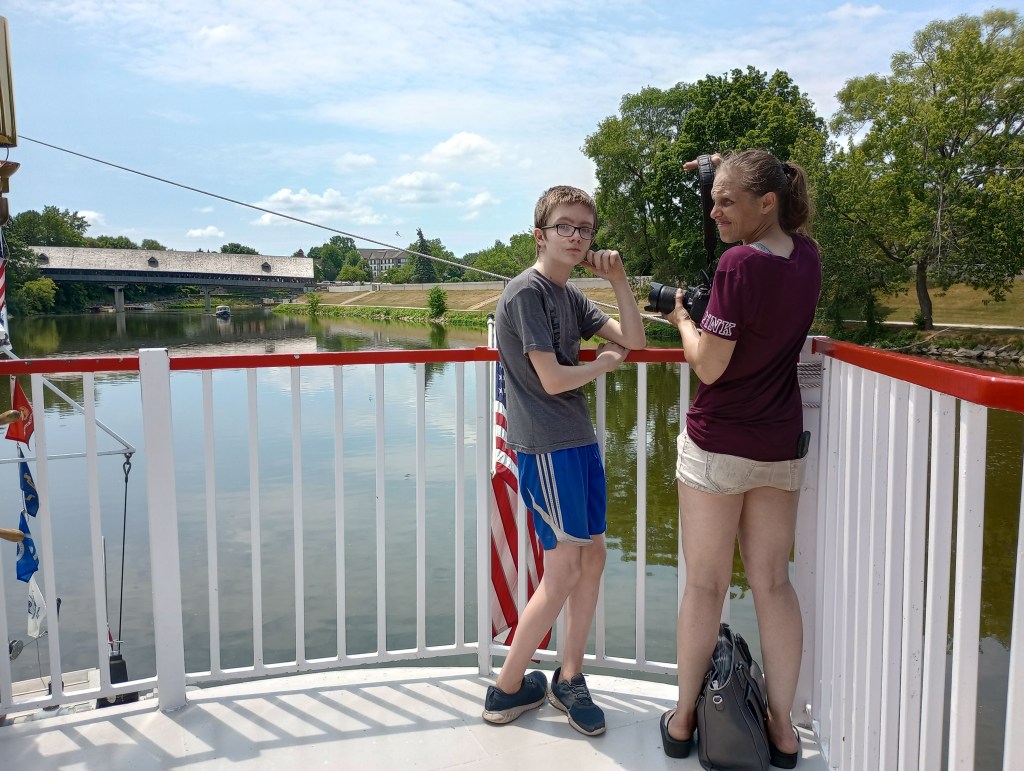
We also went on the Bavarian Belle Riverboat cruise. This is a one-hour cruise down the Cass River on a stern-driven paddlewheel riverboat and includes narration about the history of Frankenmuth. After the cruise, we shopped our way back through River Plaza to the car.
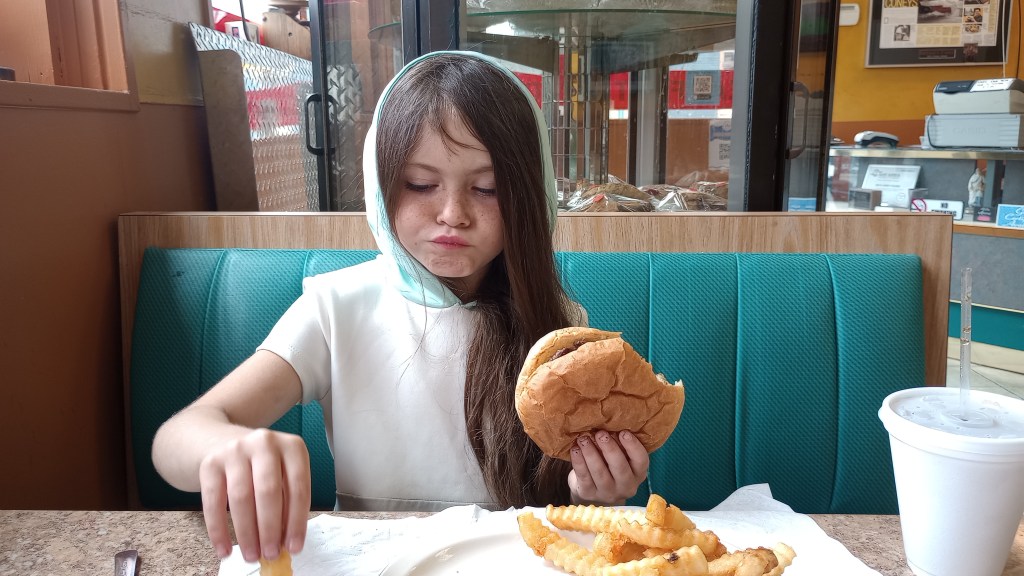
Another family outing was to the Children’s Zoo in Saginaw. Opened in 1929, this small zoo covers only 10 acres but has some interesting displays and over 150 animals. It’s a perfect spot for those who want to visit a zoo that doesn’t require a full day and miles of walking. We finished up with a late lunch at Saginaw Old Town Junction, where the kids wanted to sit upstairs with an overlook of the floor below. The food was good, and I shouldn’t have been surprised when Austin ate a half-pound hamburger with fries and then finished his sister’s fries. I forgot how much teen boys can consume!
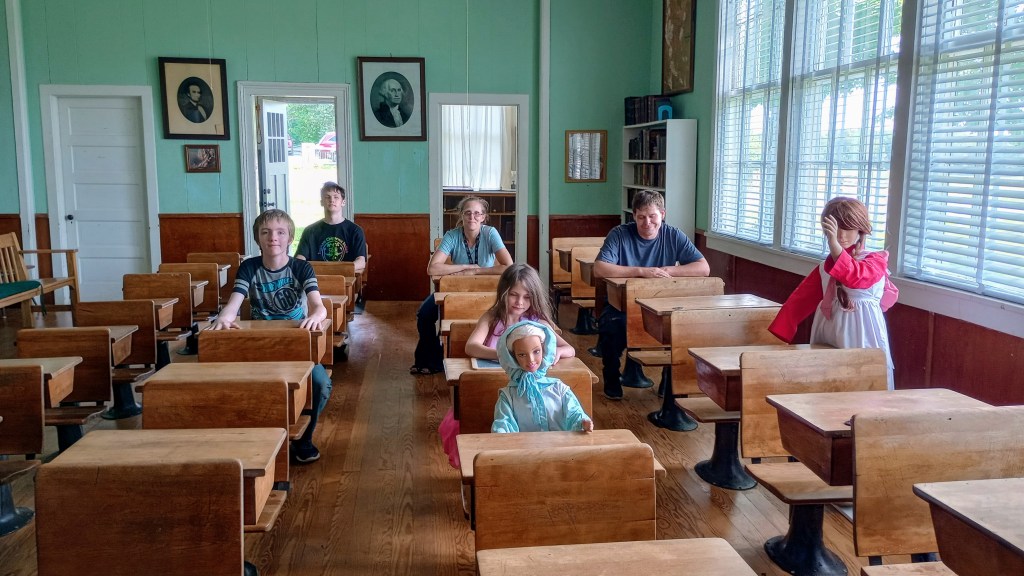
We enjoyed visiting the Clare Historical Museum complex, which includes a museum, historic log home, blacksmith shop, and historical school. It was amazing how small the homes were where people raised many children. Entire homes were smaller than the family room in many of today’s houses. Ringing the school bell was comical, as Alexandria is so lightweight that the cord pulled her up off the floor as it rang. This is an off-the-beaten-path museum that is interesting and well worth the trip.
The final get-together with the family was a buffet meal at Ponderosa Steak House in Clare, which ended way too soon. It was a fun summer, and I always look forward to spending time with the kids.
I don’t miss the Michigan winters—I winter in Yuma, Arizona—but I miss the days when I lived a mile from the kids and had them at my house frequently. They grow up quickly!
Share this post with your friends:

Filed under Activities, children, Discoveries, education, events, Family, grandchildren, kids, Life is a Melting Pot, Michigan, play, summer, tourism, travel, vacation
How Wedding Traditions Came to Exist
An average of 2.4 million weddings occur in the U.S. annually, or about 5,000 per day. When planning a wedding, most couples incorporate several traditions, including a wedding shower, an engagement party, the father giving away the bride, tossing the bouquet, going on a honeymoon, and more.
Have you ever wondered how these traditions came to be? I was surprised to learn that many derive from superstition, monetary transactions, and the transfer of female ownership. Once I started reading about these traditions, I wanted to know more. The list is long, so I’ve made it easy to skim down and find the practices you are curious about. I hope you end up like me, wanting to learn about them all.

Engagement Party— In ancient Greece, the engagement party was a financial contract between the bride’s father and the man she would be marrying. The bride was not present during the business agreement. An ordinary party was held by the bride-to-be’s father, during which the bride’s father would announce his daughter’s engagement to everyone in attendance. The bride was often just as surprised as the guests to learn she was to be married. Marriages were not based on love until the late 1700s, and even after that time, arranged marriages continued. In some cultures, they still exist today.
Dowry—The original purpose of a dowry was for the groom to compensate the bride’s family for losing her labor and reproductive potential. Sometime before the Ancient Roman period, the custom reversed, with the bride’s family giving a dowry to the new husband’s family to help support her and the expense of setting up a new household. It is believed that the modern tradition of the bride’s family paying for the bulk of the wedding is an evolved practice that replaces the dowry system.
Engagement Ring—This tradition goes back to ancient Rome, when women would wear a ring of bone, copper, flint, iron, or ivory to signify a business contract or that an affirmation of love and obedience had been made. This was derived from the ancient Egyptian practice of using a ring of hemp or reeds to signify eternity.
It was in 850 CE when the official purpose of an engagement ring was introduced by Pope Nicholas I. He declared the ring to represent a man’s intent to marry. Although rings adorned with diamonds were not popular until the 1940s, the first diamond appeared on an engagement ring in 1477. That is when the Archduke Maximilian of Austria proposed to Mary of Burgundy with a stone setting in the shape of the letter M.
In the 15th Century, gimmel rings served the purpose of engagement. This set of three rings was used, with the bride and groom each wearing one ring during the engagement. On the wedding day, the two bands were connected with the third, and all were worn by the bride as her wedding set.
Diamond engagement rings became popular and ornate during Victorian times because of Queen Victoria’s love of diamond jewelry. Although diamond engagement rings have been in the U.S. since 1840, they did not gain popularity until 1947. That is when the British company, De Beers, was mining diamonds in South Africa and launched an advertising campaign, “A diamond is forever.” This sales ploy skyrocketed diamond sales for wedding engagement rings.
Bachelor Party—The bachelor party dates to the 5th century B.C. when ancient Spartans devised a celebration of the groom’s last night as a single man. The term bachelor meant a young knight or student with a bachelor’s degree and first appeared in Canterbury Tales in the 14th century.
The term bachelor party was first used in 1922 in a Scottish publication, meaning a “jolly old party.” The modern parties were traditionally black-tie dinners hosted by the groom’s father to honor and toast the groom. They did not become the current parties of beer, strippers, and drugs until the 1980s.
Popular Saying—The traditional saying about what a bride must wear on her wedding day is based on a 19th-century Old English rhyme in Lancashire. There is a reason behind each item in the phrase:
Something old— traditionally a personal gift from the bride’s mother, usually symbolizing wisdom for married life.
Something new—symbolizes the establishment of a new family created by the marital union.
Something borrowed—by borrowing something from a happily married woman, the bride is borrowing marital bliss to carry into her new union.
Something blue—The robes of pagan Roman maidens had blue trim on their borders, symbolizing modesty, fidelity, and love. For Christians, blue symbolizes the purity of the Virgin Mary.
And a sixpence for your shoe—often left out of the rhyme, and the British coin is no longer in production. The purpose was to bring prosperity to the newlyweds.
Bridal Gift Registry—This was started by a Marshall Field’s store in Chicago in 1924. It was a marketing pitch that allowed brides to select their fine china and silver for the big day. This successful advertising campaign soon gained popularity throughout the county, with many businesses expanding on the idea to include other items the newlyweds would need.
Bridal/Wedding Shower—Showers date back to 16th century Holland. The bridal shower is a dowry alternative that began when a bride’s father was too poor to provide a dowry. It was also held if the bride’s father opposed the union.
The tradition is based on a Dutch story about a high-society girl falling in love with a poor miller’s son. The girl’s family objected because of the miller’s low class, but she insisted on marrying him. The girl’s father said he would withhold her dowry as punishment for her refusal to marry the wealthy pig farmer he chose for her.
To help the couple in their misfortune, the bride’s friends showered her with gifts as a dowry substitute. Touched by the generosity of his daughter’s friends, the father finally agreed to the marriage. This began the tradition of a bride’s family and friends showering her with gifts before a wedding.
Bridal showers grew in popularity in the U.S. during the late Victorian era. Upper-class society ladies saw them as an opportunity to celebrate, gossip, and exchange gifts, thoughts, and food for the bride-to-be. Gifts were usually modest, simple, useful household goods the bride would need in her new home, including bed linens, kitchen items, China, and more. By the 1930s, the tradition had extended to middle and lower-class families.
A bridal shower is thrown for the bride and traditionally attended only by females. A wedding shower is a modern version of the shower. It is thrown for the couple and includes the groom in the party and opening of gifts. Guests may also be mixed gender.
Rehearsal Dinner—The dinner may be an evolution of an event that occurred hundreds of years ago when attending a wedding meant days of travel. The night before the wedding, the manor house, castle, hut, or tent would be packed with friends, relatives, and emissaries needing to be fed. Out of necessity, a meal would be held the night before the wedding. This was also wrapped in superstition. The belief was that if those attending the dinner were loud and rambunctious, they would scare away evil spirits trying to destroy the couple’s chance of having a happy life.
Today the rehearsal dinner follows the wedding rehearsal. I couldn’t find anything about when wedding rehearsals began, which appears to be strictly an American tradition. Rehearsals may have begun as wedding parties grew, allowing everyone to become familiar with exactly what would occur during the ceremony to hopefully prevent any glitches.
Not Seeing the Bride Before the Wedding—Before the 18th century, pre-arranged marriages were common. It was considered unlucky for a bride and groom to see each other before the wedding because the groom might back out of the arrangement if he saw the bride-to-be and didn’t like her appearance. This is also one reason for the veil.
Bridal Veil—The veil establishes that a woman is spoken for and disguises the bride so evil spirits wishing to harm the couple will not recognize the bride. It also was a way of securing the marriage contract. Many brides and grooms met for the first time on their wedding day at the altar. The veil was only lifted after the ceremony, so the groom could not back out of the wedding if he didn’t like his wife’s appearance.
Giving Away the Bride—This practice dates back to when women were the property of men. Women were unable to live independently of men, could not own property, have a job, or inherit money. They belonged first to their fathers, then their husbands, and if their husband died, their sons.
By walking his daughter down the aisle and giving her in marriage, the father transferred ownership of his daughter to her new husband. This dates back to when an engagement was a business transaction, not an act of love between two people. By being at the wedding ceremony and presenting his daughter in marriage, the father ensured the wedding would take place, fulfilling his part of the agreement.
Wedding Ceremony and Vows— God established marriage in the garden with Adam and Eve based on a covenant promise in Genesis 2:24, which defines marriage as joining two into one. The traditional wedding vows we are familiar with are not in the bible but are based on biblical principles.
The first recorded evidence of a marriage ceremony uniting a man and woman is around 2350 B.C. in Mesopotamia. Over several hundreds of years, marriage evolved into an accepted union by Romans, Greeks, and Hebrews. The primary purpose was to bind women to men, guaranteeing that a man’s children were his biological heirs. The father would hand over his daughter and say, “I pledge my daughter for the purpose of producing legitimate offspring.” If a wife failed to produce offspring, her husband could give her back and marry someone else.
The first mention of marriage vows was in a prayer book from the Medieval Church in England, written in 1549. The book has marriage vow examples that modern vows have incorporated. If you would like to learn more about the different areas of traditional wedding vows and where in the bible they stem from, check out this article on Wedding Wire.
Wedding Rings—Ancient Egyptians were the first to exchange rings made of braided reeds and hemp. They placed them on the fourth finger of the left hand because of their belief that a ‘vein of love’ ran from that finger to the heart. The circle of the ring also was symbolic of an endless circle of eternal love with no end, the promise of bonding forever.
Ancient Romans and Greeks wore rings of ivory, bone, or leather. Wealthy people began creating rings of gold and silver for their marriage commitments. Romans believed the left hand to be unholy and untrustworthy, so they placed their wedding rings on the right hand. The right hand serves as a symbol of loyalty, honor, and trust. Today there are about 20 countries where married couples place their rings on the right hand.
The first diamond wedding ring was recorded in the will of a widow who died in 1417. The oldest surviving diamond ring is from the late 100s CE in Rome when diamonds were valued for their harness rather than brilliance.
Men’s Wedding Rings—Wedding rings for men didn’t become popular until WWII. It was then soldiers wore them as a way to remember their wives back home. Many of the weddings in 1942 were quick, taking place within a week of the announcement because of a soldier being deployed.
The tradition of soldiers wearing wedding rings continued through the Korean War. The practice eventually caught on for non-soldiers as well.
Bridal Party—While the purpose of the bride and groom is clear, why do we have all the other members of the bridal party? What was their original purpose?
Bridesmaids—In ancient Rome, bridesmaids protected the bride. They would all wear the same dress as the bride to confuse evil spirits and prevent them from finding the bride. This prevented the couple from being cursed on their wedding day. Roman law also required ten witnesses to every wedding, so there would be five bridesmaids and five groomsmen.
Groomsmen—Derived from an ancient tradition of kidnapping a bride, a man would employ his friends to help him fight other warriors and prevent the bride’s family from finding the couple. Because weddings were a business transaction rather than a union of love, the groom needed an excellent swordsman to retrieve a runaway bride or fend off a bride’s angry family not approving the marriage. The term Best Man referred to the quality of a man’s swordsmanship, and the groom’s main warrior companion was the equivalent of today’s best man.
Flower Girl—In ancient Rome, a young virgin would carry sheaths of wheat, believed to bring well-being and good fortune to a newly married couple. Over time the sheaths of wheat were replaced by flowers scattered along the bride’s path to the altar.
Ring Bearer—In Victorian times, a pageboy would carry the bride’s train down the aisle, along with a prayer book. During this time, Victorians began displaying the ring on a small pillow to show their wealth. Pillows were expensive, luxury items that only the elite members of society could afford. Over time, the pageboy carried the ring pillow down the aisle. That tradition evolved into today’s ring bearer.
Witnesses to the Wedding—Ancient Roman law required ten witnesses to be present at a wedding. At that time, the legal witnesses were all men, but the bride was also escorted by female attendants. Not only did witnesses watch the marriage ceremony, but they also witnessed the consummation of the couple on their wedding night.
Yes, the newlyweds had sex in the presence of witnesses. This was usually done with the bed curtains closed and the observers on the room’s outer edges. If the marriage was not consummated, it could be declared null and void, and the couple granted an annulment. The witnesses were present to confirm the couple had sex, forming an unbreakable union. In modern times, witnesses only have to sign a marriage license as confirmation that a couple has legally married.
Unity Candle – The unity candle became popular in the second half of the 20th century in American Christian weddings. This is attributed to a 1981 General Hospital episode where a couple used a unity candle. The candle symbolizes the merging of two individuals, creating a blended family.
Sealed With a Kiss—This tradition began in Ancient Rome when marriage was a contract. Instead of signing your name, you confirmed your commitment to the agreement with a kiss. It was believed that by binding the marriage with a kiss, the couple exchanged spirits, sending part of themselves into their spouse, binding them as one.
Bridal Bouquet—Ancient Greeks and Romans carried aromatic herbs, garlic, and grains to drive away evil spirits and bad luck during the wedding. Floral garlands the bride and groom wore symbolized a new beginning and hopes of fertility, fidelity, and happiness. Some bouquets included rosemary for loyalty, wheat for fertility, ivy for an unbreakable bond, heather, thistle, thyme, or basil for protection, and dill as an aphrodisiac. Carrying aromatic flowers was also a way for brides to mask their body odor before frequent bathing was practiced.

Bouquet Toss—Tossing of the bridal bouquet dates back to 14th century England when unmarried women tried to rip off pieces of a bride’s dress or flowers to gain some of her good luck, hoping to become the next one married. The bride would toss her bouquet into the crowd and run for safety to prevent being mobbed.
By the 1800s tossing the bouquet became a wedding tradition, with single women wanting to catch the bouquet as a sign of good luck for their future marriage. At that time, marriage was the only way a woman could bring her family out of poverty.
Garter Toss—Garters were originally a necessity, holding up the stockings of both men and women. The toss dates back to the same safety problem in England and France when guests would try to rip off a piece of the bride’s clothing for luck. To protect his bride, the groom would take his new wife’s garter and throw it out into the crowd, and the couple would escape.
Receiving Line—I couldn’t find any information on when this practice began and assume it was a tradition before wedding receptions were a standard part of weddings. The receiving line immediately after a wedding is the couple’s first opportunity to “receive” guests as a married couple. The line usually includes the bride and groom, their parents, and members of the wedding party. It provides each guest a moment with the newlyweds to offer congratulations. It also ensures that the couple can personally thank each of their guests for attending.
Reception—Wedding receptions were not frequently held until the early 1960s. Before that time, if a reception was held, it was usually a casual affair at the home of the bride’s parents with cake and punch.
Carry Bride Over Threshold— This tradition goes back to ancient Rome when the groom dragged a bride unwilling to leave her parent’s over the threshold of her new home.
In medieval Europe, it was believed that brides were vulnerable to the invasion of evil spirits through the soles of their feet. To protect his new wife, the groom would carry her through the front door.
Later, it was believed that if a bride tripped entering her new home, it would bring bad luck to the marriage. The groom carried his new wife across the threshold to prevent her from tripping.
Tying Cans to Car Bumper—This custom dates back to sixteenth-century France and early twentieth-century Appalachian customs. The idea is to harass newlyweds on their wedding night through a noisy celebration with friends and neighbors banging pots and pans, singing, and making noise outside the couple’s window. Eventually, the newlyweds would invite everyone in for refreshments. It is believed that tying cans to the back of a newly married couple’s vehicle is an adoption of the noisy shivaree.
Wedding Dances—Many wedding party dances are popular, and I wondered how they all came into existence.
The First Dance dates back to 17th-century Europe when formal balls were popular. It was customary for the guest of honor or person of the highest social status to lead the first dance. This led to the tradition of a married couple having their first dance at a wedding.
The dance is the couple’s first cooperative and joint endeavor, symbolizing the consummation of the wedding. Their manner of dance, expression, and steps reveal the harmony between the bride and groom.
The Father-Daughter Dance dates back to when marriages were arranged as a monetary contract rather than love. The father-daughter dance was a final demand of the bride’s father on his daughter before her husband became the most important man in her life. After the father-daughter dance, the bride could dance with her new husband, whom she had likely just met.
In modern society, the father-daughter dance usually occurs after the bride and groom have first danced together. It now symbolizes the bride’s love and appreciation of her father.
The Mother-Son Dance is a modern addition to a wedding reception. It is comparable to the father-daughter dance and allows a groom to show his love and appreciation for his mother.
Bride Changing Last Name—The practice of a woman taking her husband’s last name dates back to the Middle Ages when societies were becoming organized. Under English common law, women were barely acknowledged and had no legal rights. The concept of coverture was the basis of a woman taking a man’s last name in marriage. Coverture was the legal status of a married woman. Because women had no legal identity, coverture placed them under their husband’s protection and identity.
Women were under the control of their fathers and then their husbands. They had no legal ability to make contracts, own a business, or own property. They had no legal rights to their possessions, clothing, children, or their bodies, and marriage rape was legal. If their husbands sent them out to perform labor, the husband collected the wages.
Within the U.S., the first break in coverture took place under the Married Women’s Property Act of 1848. Over time that act underwent amendments so that women could eventually attend school, obtain driver’s licenses, work, and vote. It took a long time for women to gain rights. Women in the U.S. could not get a driver’s license, passport, or register to vote if they didn’t take their husband’s last name. Marital rape did not become illegal until the 1970s.
Though no longer legally bound to take their husband’s last name, about 70% of women follow the tradition. This makes it easy for a married couple and their offspring to show daily unity.
Wedding Cake—In ancient Rome, wheat cakes were broken over a bride’s head to promote fertility. It later became customary to stack the wheat cakes on top of each other, and the bride and groom were challenged to kiss over the tower without knocking it over. If successful, they would enjoy a life of good fortune.
In modern times, white cake symbolizes purity. The joint task of the bride and groom cutting the cake represents their first joint task of married life, and feeding it to each other symbolizes the commitment they are making to each other.
Saving the top layer was originally for use at their future child’s christening. The bride was expected to be pregnant within the first year of marriage. The top layer is now used to celebrate the couple’s first marriage anniversary.
Tie The Knot—Handfasting dates back to ancient Celtic times and is a spiritual ritual of tying a bride’s and groom’s hands together during the wedding ceremony. The phrase “tying the knot” stems from binding the couple’s hands together during this ceremony with colored cords to symbolize their union of love.

For a three-cord handfasting, the colors of white for purity, blue for fidelity, and red for passion were braided together. Other colors include green for fertility and growth, purple for spiritual strength, and gold for wisdom.
The couple’s hands are not released until the marriage is complete. In modern times, a couple says their vows while bound together, then finish the ceremony with rings. Historically, the binding remained in place after the wedding ceremony, and the couple was escorted to the bedchamber to consummate their union. It was believed that if the couple survived the day bound together, they would survive their marriage together.
Throwing Rice—Marriage was traditionally seen as a way of building a family and increasing a person’s assets. Ancient Romans often threw wheat or oat seeds, which meant the birth of new life. The change to rice was likely because it was often available and low cost. Whichever grain was used, it symbolized fertility and prosperity. Tossing grain over newlyweds signified good luck and best wishes toward producing babies and good harvests.
Honeymoon—The term honeymoon dates back to the 5th century when the calendar was represented in moon cycles. After marriage, a couple would drink mead, an alcoholic beverage made from honey, during their first moon of marriage. Drinking the fermented honey liquor under the moon was believed to boost fertility and increase the odds of producing children early in the union.
The American honeymoon tradition dates back to 19th century Great Britain when relatives could not always attend the wedding. The newly married couple would travel by train and carriage to visit those unable to attend. This was called a bridal tour and often lasted for weeks or months.
Not Married? Be glad it isn’t 1860 to 1880 when the term Spinster was used to describe women who never married. During that time period, eleven percent of the American female population didn’t marry. This was probably because of the Civil War, which killed 600,000 men. It was during this period that women began obtaining a college education. The male opinion was that a female college graduate would be a poor homemaker.
Were you surprised at how many traditions deal with monetary transactions, ownership of women, and superstition? Let me know what you think in the comments below.
Share this post with your friends:

Filed under celebration, events, Family, habit, impressions, Life is a Melting Pot, marriage, time
Looking Forward Means Looking Back
One of the downfalls of living and traveling full-time in an RV is only seeing my grandchildren once a year. While planning my 2023 travels and time in Michigan, I find my mind reminiscing back to the fun I had last summer with my grandchildren, Austin, Corbin, and Alexandria.
My 2022 visit was a fast-moving nine-day visit. I decided that because of the difference in their ages and interests and not having much time with them, it would be fun to do a couple of things together in the nine days I was there. I also wanted special one-on-one time so each child got their own day.
I took the three of them to a small, local railroad museum. The museum was interesting but didn’t hold their attention for long, so I suggested ice cream. I was surprised to learn Corbin doesn’t like ice cream, so he got a pop to drink instead. I thought it was cool when an Amish horse and buggy came down the street as we ate our ice cream at a picnic table.

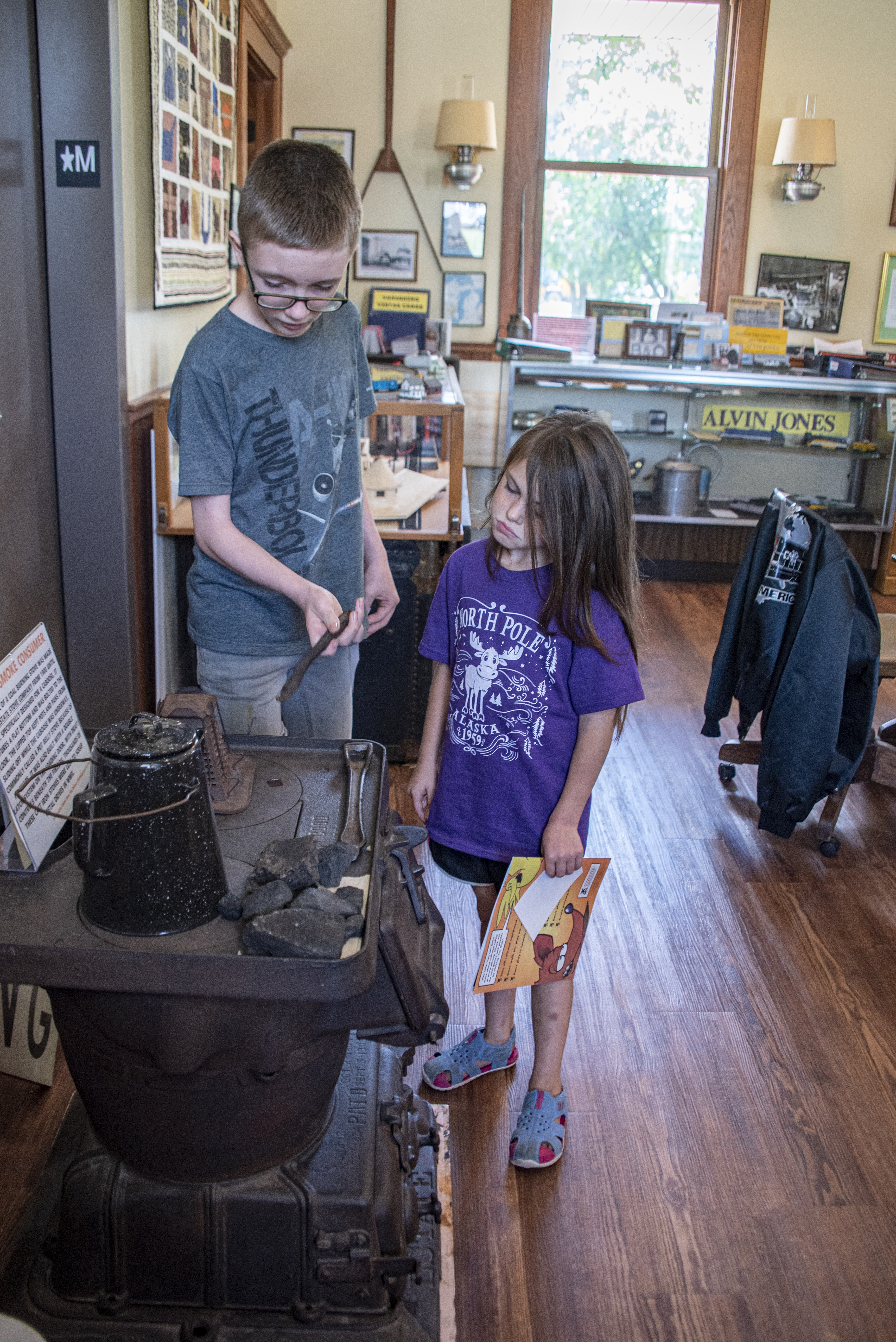
When I commented on the horse and buggy, Corbin (age 12) informed me that the Amish do not believe in modern technology. To them seeing this is common, everyday stuff. I realized how much when I was on my way back to my campground and saw a horse and carriage tied up to a hitching post in front of Dollar General.
Alexandria (Alex)
Alexandria was the first to go solo, and her bubbly, social butterfly 7-year-old personality is always fun to watch. She is a girly girl, and that shines through when shopping for clothes. We went to the dressing room with six outfits to try on, and I told her we would buy two for school. That was a fantasy in my mind but turned out not reality.
After the try-on session, there was nothing Alex couldn’t wear, so I asked her which she wanted. She said she needed the grey flowered fleece pants and top because they are soft and warm. The yellow-flowered dress and leggings are necessary because it is bright and sunny. The third dress and leggings she wanted because it was cute. Oh, and by the way, Grandma, I need shoes. We were at Kohls and did go to the shoe department, but they didn’t have any in her size.
Here’s a comical side note—Alex recently informed her mom that she needed new shoes because when she went shopping with me, I wouldn’t buy her any! It has been seven months since I took her shopping. She never said anything to me about not getting them. Still, my daughter’s comment has me clued in about not making any mistakes this time because they will not be forgotten!
Alex selected McDonald’s for lunch, and she talked continuously through the entire meal. I had to tell her to stop talking and eat so we could get to the museum. The Mid-Michigan Children’s Museum is a fun, hands-on museum for kids 10 and under and has eleven galleries created around the school curriculum.
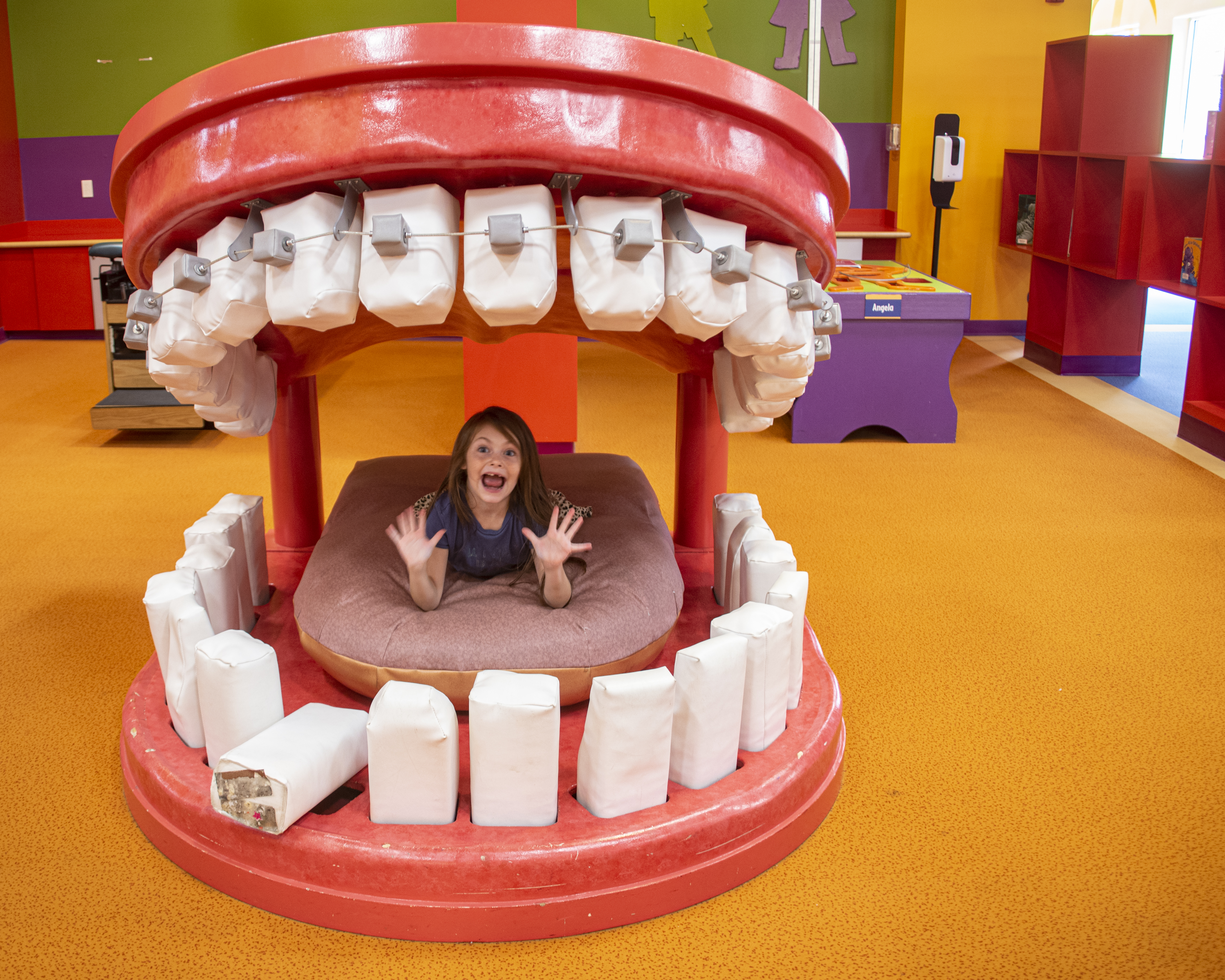

With everything from car driving, medical and dental areas, scientific activities, wall climbing, water activities, art center, large tinker toy building, play kitchen area, play farm area, and more, she was on the go constantly. She took home artwork she made and a toy from the gift shop. We were there for about four hours and closed the place down.
Austin
Austin was 16, so his school shopping was in the young men’s department. I and several other mothers and grandmothers hung around the doorway of the men’s fitting room, checking on how the clothing looked on the teens trying on clothes for school. Heaven help the adult male who wants to try things on during school shopping season.
Austin got a couple of outfits for school, then selected McDonald’s for lunch. He is quieter, so conversation is at a minimum with him. After lunch, we went to the Castle Museum of Saginaw County History.
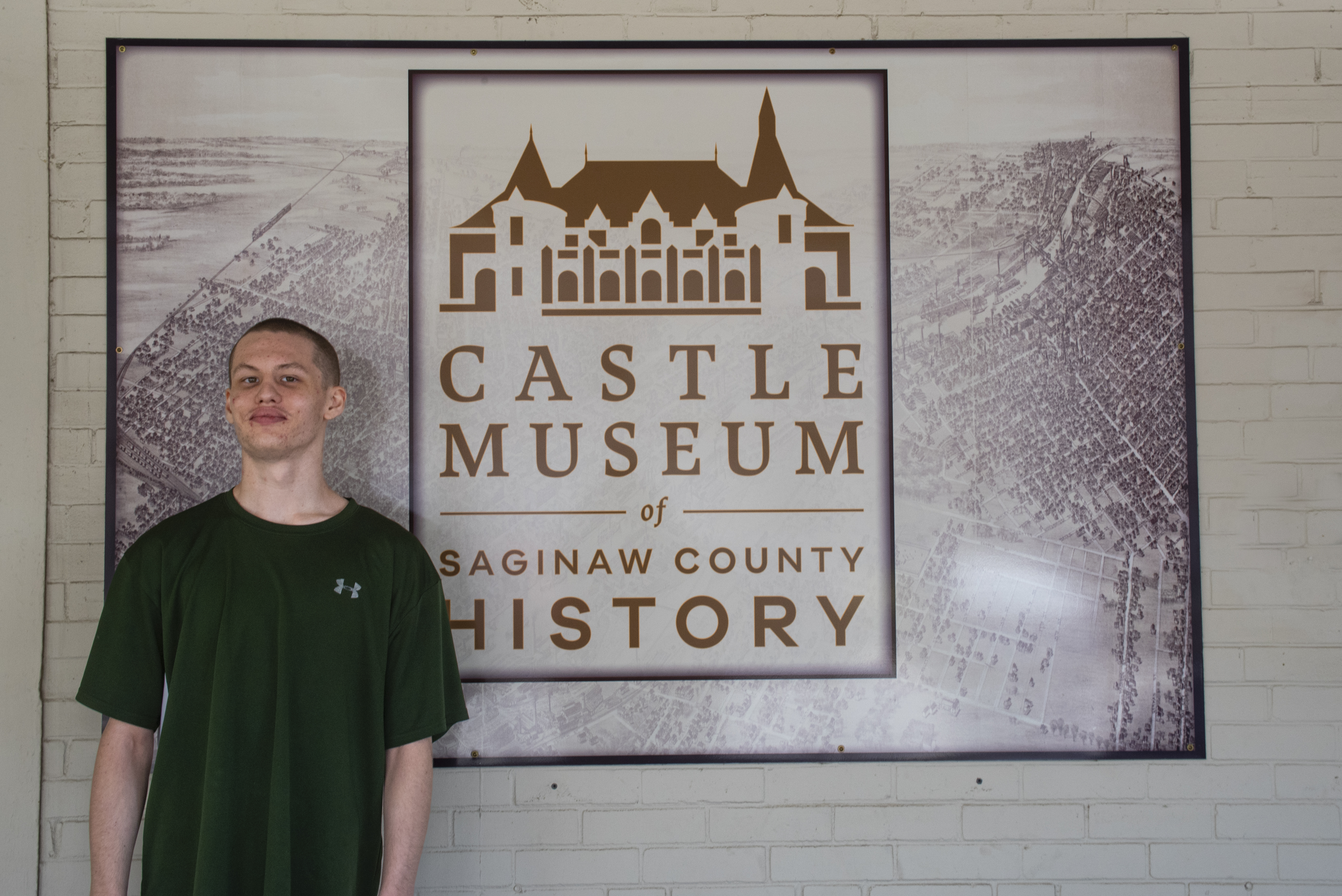
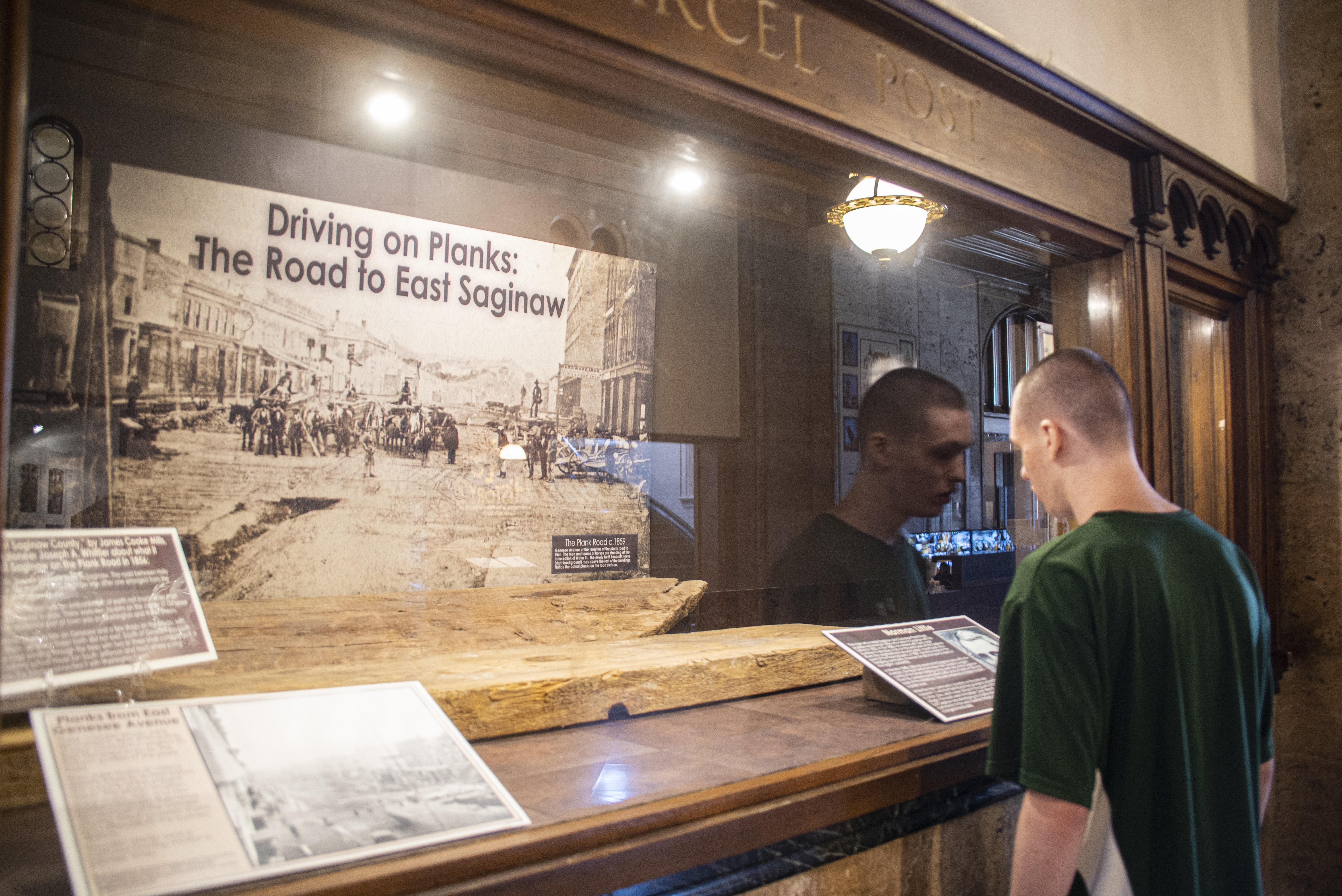
The museum has three levels of exhibits and displays, covering the Saginaw Sports Hall of Fame, lumbering, and automotive. There are some hands-on exhibits and many displays with informational cards to read. I’m sure there are things we missed or skimmed over when we were there. Their gift items are minimal, and Austin wasn’t interested in any of the items they had.
Corbin
Corbin, at age 12, loves astronomy, so I purchased tickets for a program at the Delta College Planetarium. We arrived a little early and explored the exhibits they had while waiting for the program to start. The program was interesting and designed for kids exploring space, but informative and interesting. The gift area had pencils and pencil toppers in an assortment of designs, so Corbin picked three sets for himself, then selected some for Austin and Alex.
After the program, we walked across the street to Wenonah Park, which displayed several flags. I was impressed that Corbin could list their origins; I didn’t know them. After spending a few minutes at the park, Corbin suggested we head to lunch—I guess he was hungry.

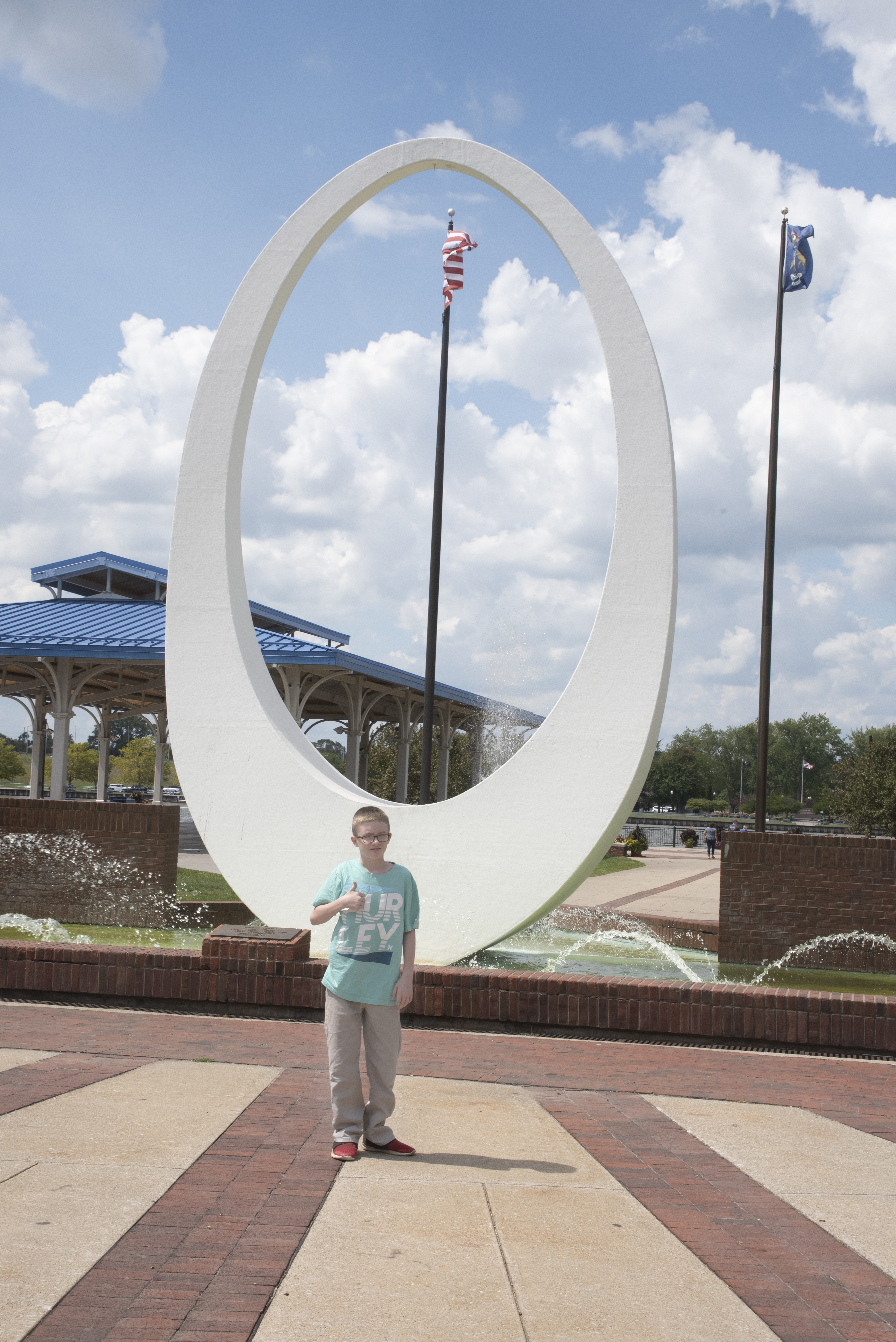
Corbin suggested Taco Bell, saying he thought I could use a break from McDonald’s. He was right, but I would have gladly gone if he suggested going there. As Corbin ate six cheese rollups, he got a huge thumbs up from me by saying, “People like us who aren’t fat can eat here.” I don’t meet the “not fat” classification, but it’s nice that Corbin views me that way.
After lunch, we went to Kohl’s, where we got him a couple of outfits for school. He was easy; he knew what he liked and wanted to wear. The only dispute was when they didn’t have a character shirt in the right size, and he tried to convince me one that fit like a second skin was fine. I told him there was no way I was buying it in that size and that he would need to find something else.
Saying Goodbye
Paul and I met my cousin and her husband in Cadillac for lunch. Another day my daughter, Caroline, accompanied us on a trip to Traverse City, where we visited my grandparent’s farm, which is now Market 72, a public venue for events. We then met my other cousin and uncle for lunch.

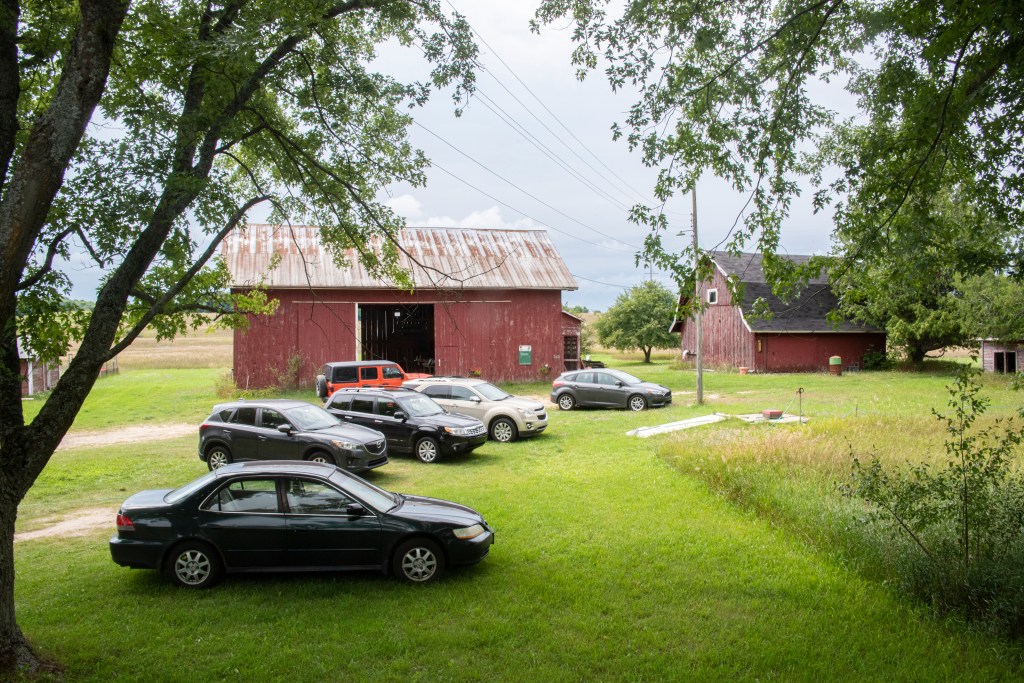
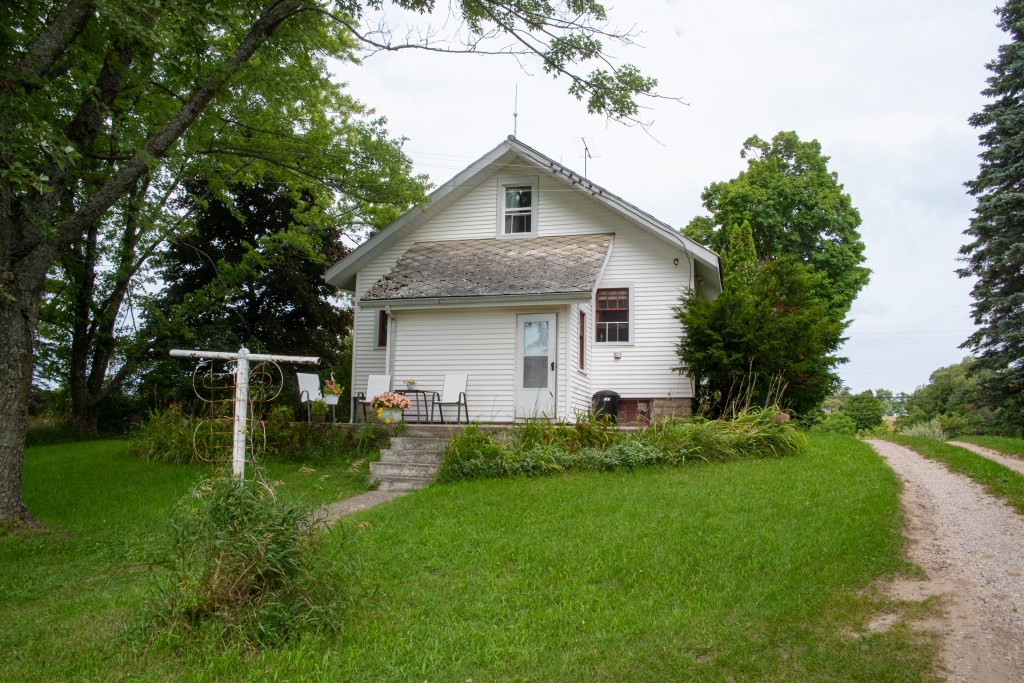

The above is the farm of my paternal grandparents, Louise and Dominick King, built by my great-grandfather in 1918 on M-72 in Traverse City. You see the front and back of the house, the view of the barns from the back porch, and Caroline standing under weeping willow trees between the sideyard and one of the farming fields.
As my time came to an end, Paul and I went to dinner at Texas Roadhouse with my daughter, son-in-law, and three kids. The dinner was over too quickly. It was the last time I would see them for another year. I was moving the RV downstate to stay in Port Huron before heading south to Arizona. I took a few family photos of them and departed with sadness.

Blake’s Family Day
After I left the Clare area and was in Port Huron, Caroline called and asked if I would like to attend Family Day at Blakes’s Big Red Apple in Macomb. My son-in-law has been working the Halloween weekends there for several years, so they always attend the employee family day.
This was a fun outing, with a haunted hayride, a zombie paintball hayride (my son-in-law is a zombie), a 3-story haunted barn, a petting zoo, a pedal car track, and other activities. Of course, no trip to an apple orchard would be complete without purchasing apple cider, donuts, and caramel apples.
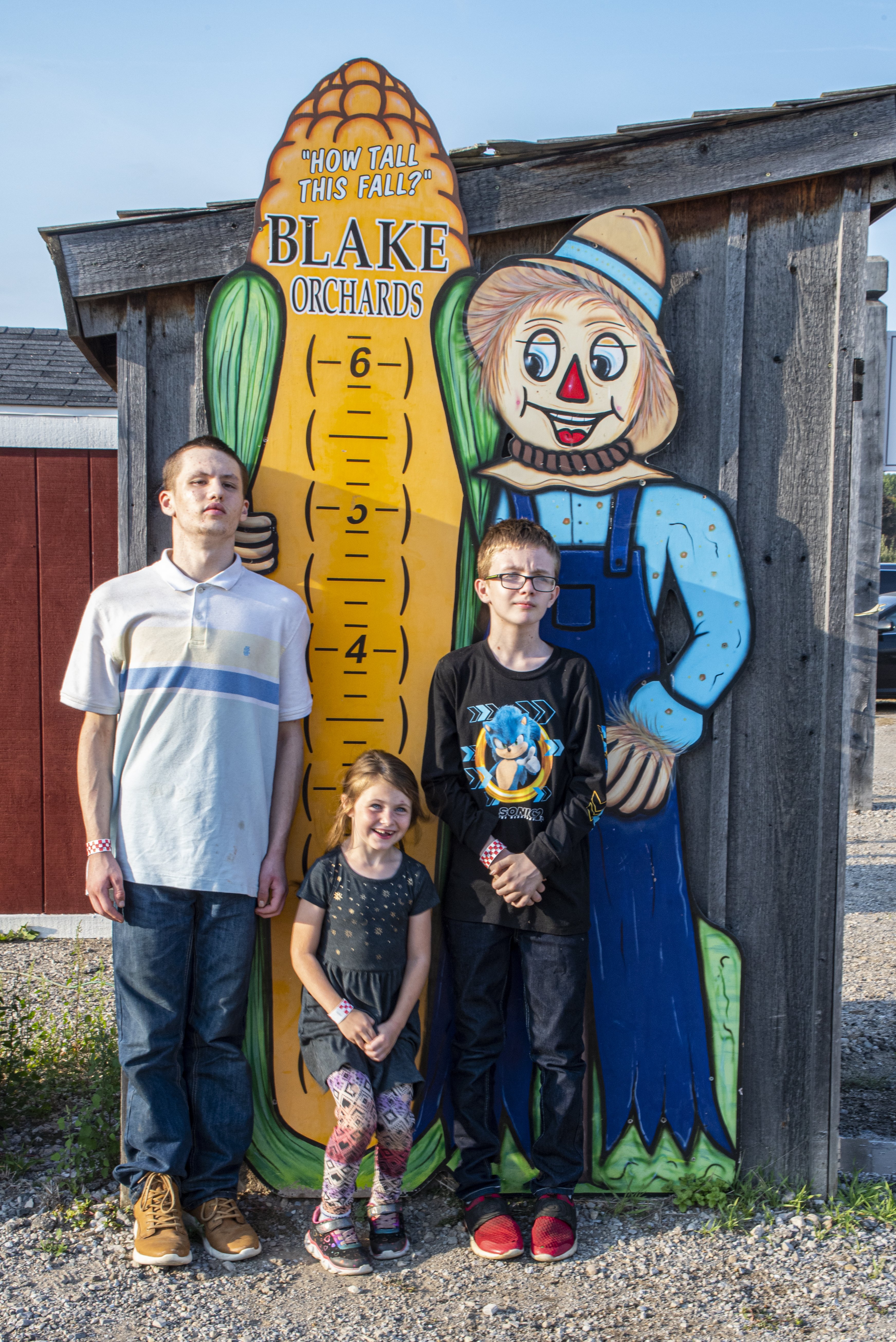
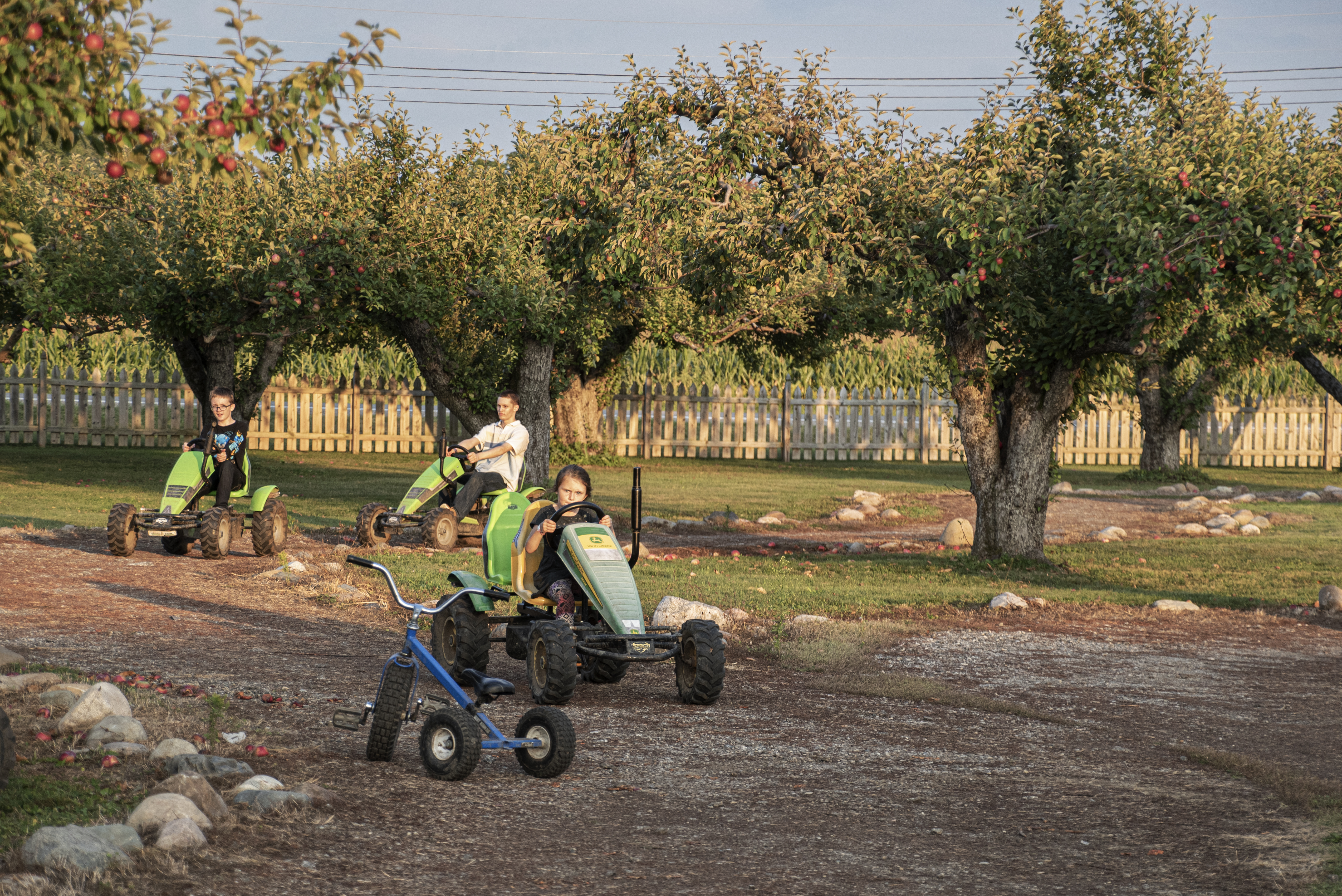
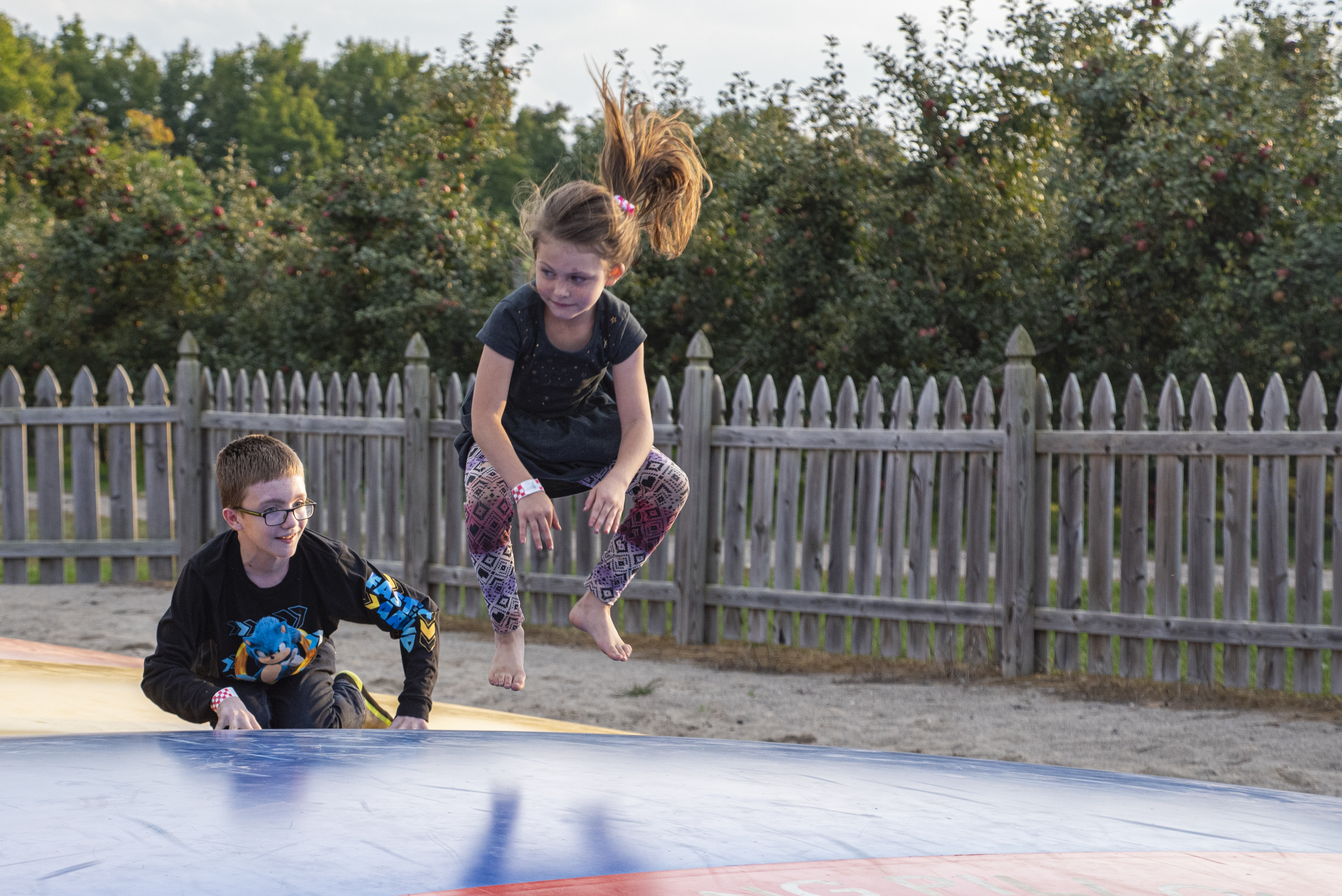
And with that, my yearly visit with my grandchildren was officially over. Now I look forward to 2023 when I have booked a longer stay of six weeks in their area. I am looking forward to spending more time with them.
Share this post with your friends:

Filed under children, Discoveries, events, Family, grandchildren, kids, Life is a Melting Pot, memoir, Michigan, play, summer, travel
35 Unique Things About Michigan
Although I now travel and spend more time outside of my birth state than I do in it, Michigan still holds a place in my heart for its many unique qualities.
Michigan is the only state that consists of two peninsulas. The “mitten” is the lower peninsula and is where I grew up, in the “only Eaton Rapids on earth.” The mitten is surrounded by Lake Huron on the East, Lake Erie on the South, and Lake Michigan on the west. To access the upper peninsula (the U.P.) you need to cross the Straits of Mackinac, a 5-mile channel connecting Lake Huron to Lake Michigan. The north shore of the U.P. is on Lake Superior.
If that isn’t enough, here are 35 more things that make Michigan a very special place.




Boat Night in Port Huron. Copyright 2015 Grace Grogan 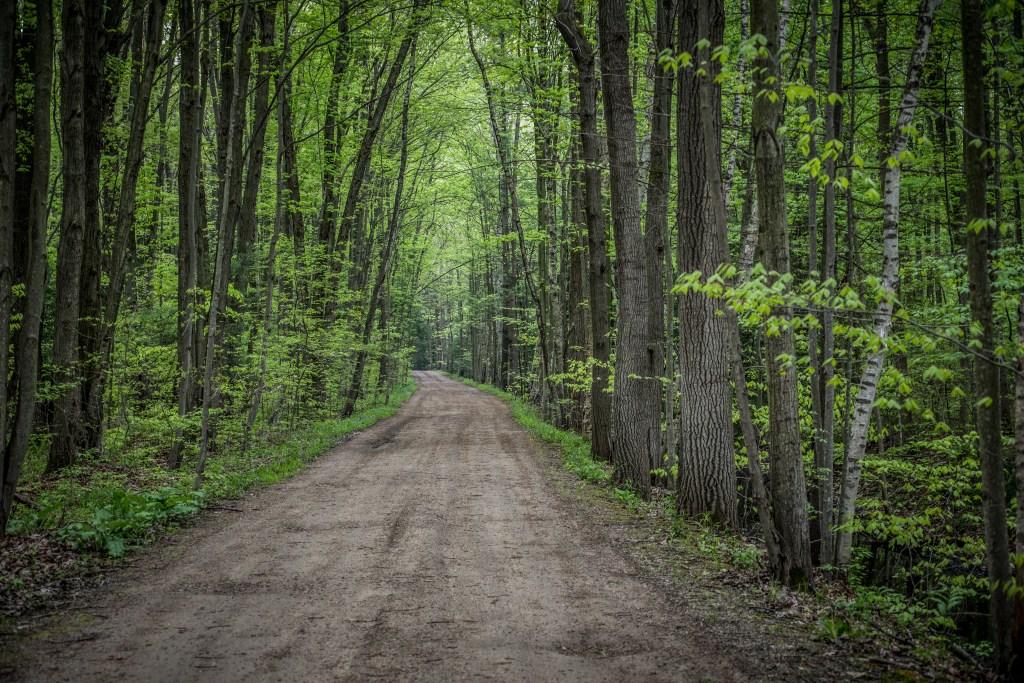
Photo by Grace Grogan, copyright 2015 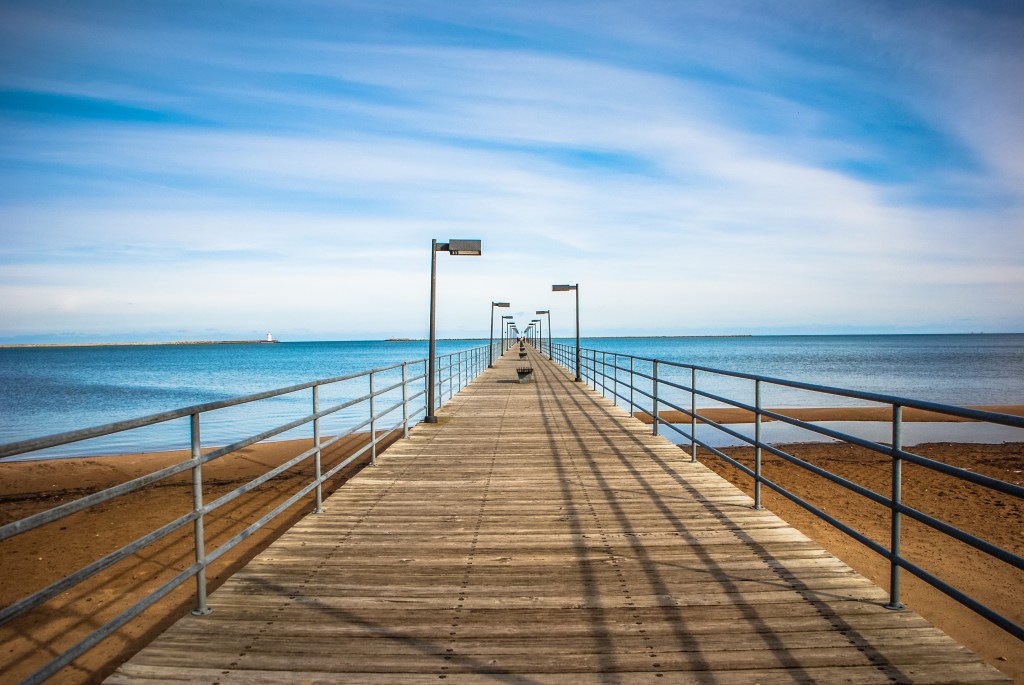
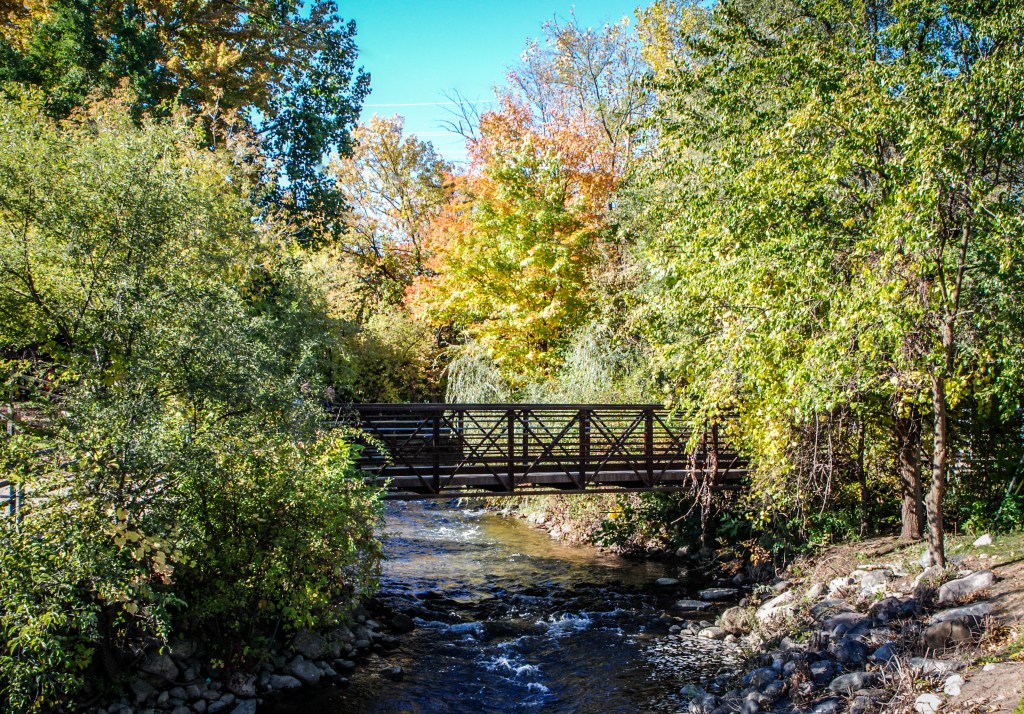
Paint Creek, Rochester Michigan. Photograph by Grace Grogan, copyright 2014 
Bond Falls. Photo by Grace Grogan 

Silver Lake Sand Dunes – Dune Jump. Photo by Grace Grogan 

Middle Island Lighthouse. Photo by Grace Grogan 
Port Huron to Mackinac Race. Copyright 2015 Grace Grogan 
St. Clair Board Walk. Photo by Grace Grogan. 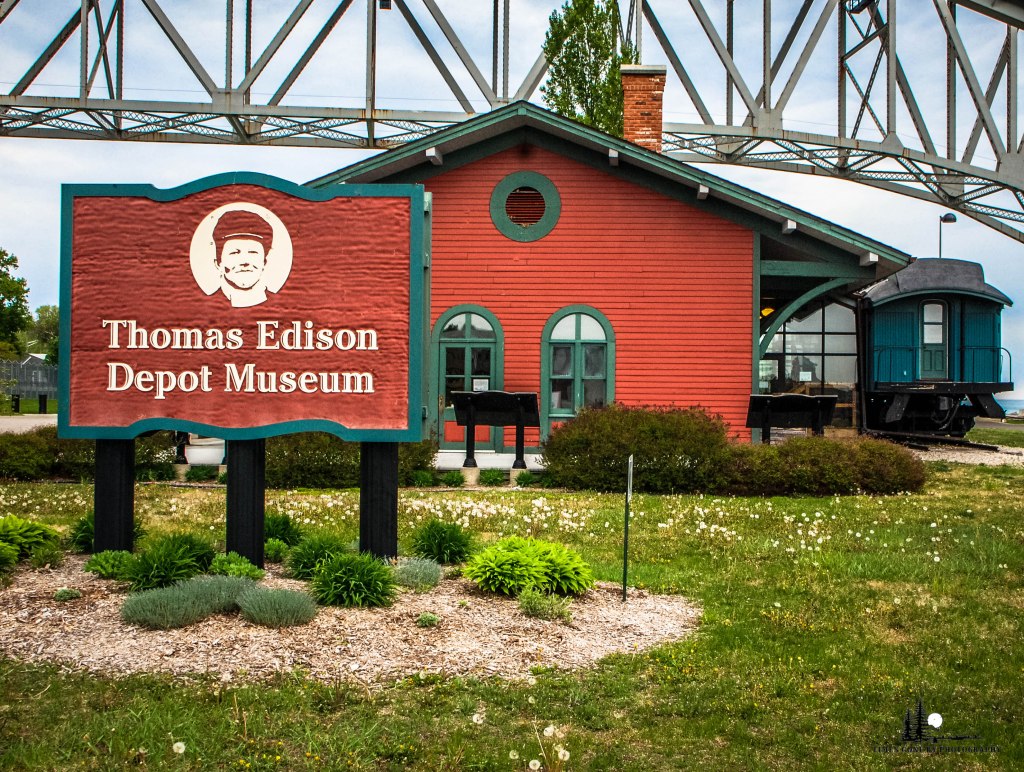
The Thomas Edison Depot Museum sits under the Blue Water Bridges on the Thomas Edison Parkway in Port Huron. Photo by Grace Grogan 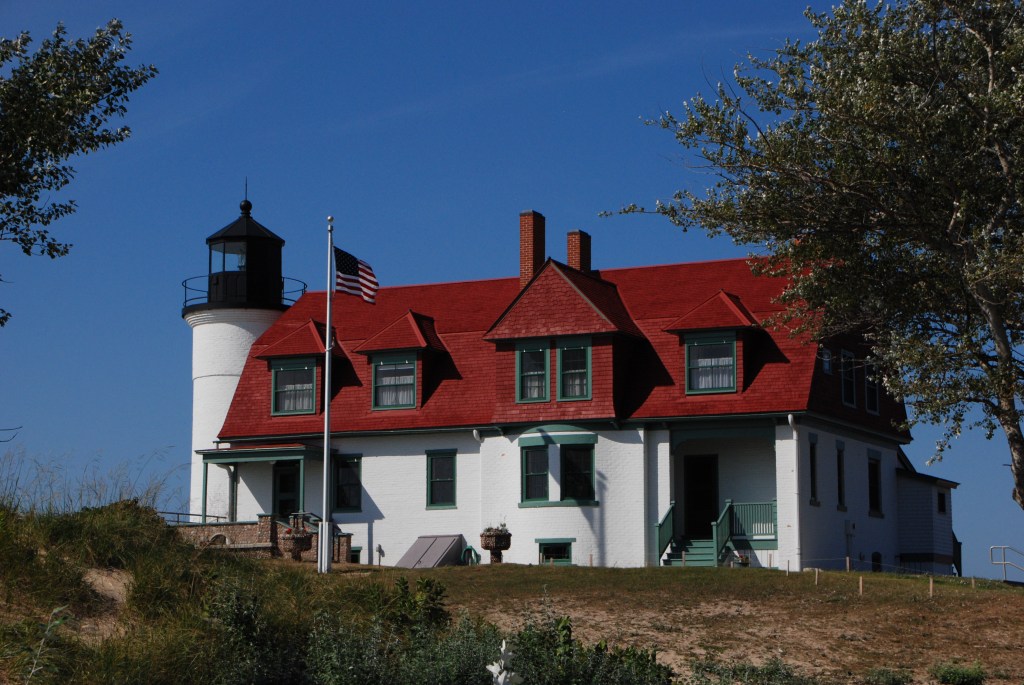
Pointe Benzie Light Station. Photo by Grace Grogan
- Detroit is the Car Capital of the World. Home to the “big three,” Ford Motor Company, General Motors Corporation, and Chrysler LLC, the state handles 24% of all automotive manufacturing in the U.S.
- Michigan is the largest manufacturer of lithium-ion batteries in North America. The American Battery Solutions Inc. manufacturing facility is located in Lake Orion and employs more than 100 workers. In support of this the Governor is working to develop the nation’s first wireless charging infrastructure on public roads.
- Alpena is the home of the world’s largest cement plant. Lafarge Alpena has been in existence since 1907 and employs more than 200 workers.
- St. Clair is the home of Diamond Salt Company, established in 1886 when a new process for making salt was patented. It is the world’s largest marketer of salt, supplying salts for culinary use, manufacturing, agriculture, grinder, pool use, water softening, and ice control.
- Southwestern Michigan is home to the largest Dutch settlement in the United States, with almost 300,000 residents of Dutch heritage. Dutch residents are most prominent in the five counties of Allegan, Kalamazoo, Kent, Muskegon, and Ottawa.
- Rogers City boasts the world’s largest limestone quarry. The site is 7,000 acres, of which 3,000 acres are actively mined. The quarry has an anticipated lifespan of an additional 100 years.
- Elsie is the home of the world’s largest registered Holstein dairy herd. Green Meadow Farms is a family operation established in 1922. With 80 employees, they raise all livestock and do all field and crop work on their 8,000 acres. The farm has a milking herd of about 3,900 registered Holsteins.
- Enjoy the longest freshwater boardwalk in the world in St. Clair. The boardwalk is along the St. Clair River, an international border with Canada. The St. Clair River is one of the busiest waterways in the world with more than 5,000 ships traveling the water every year. With more freighter traffic than the Suez Canal and Panama Canal combined, it’s an excellent spot for freighter watching.
- Colon is the magic capitol of the world and home to Abbott’s Magic Company, the world’s largest manufacturer of magic supplies. The city has more than 30 magicians laid to rest in its cemetery, more than any other cemetery in the world.
- Michigan Sugar Company is the largest sugar factory east of the Mississippi river, the largest sugar refinery in Michigan, and the fourth largest sugar refinery in the United States.
- Michigan ranks #1 in state boat registrations. St. Clair County ranks #1 in the U.S. for the number of boat registrations per capita.
- Port Huron is home to largest freshwater sailing event in the world. The annual Port Huron to Mackinac race began in 1919 and more than 200 boats enter the race each year.
- The state has about 54,800 farms covering 10 million acres and producing $6.5 billion in products yearly. Michigan is the largest producing region in the world for Montmorency tart cherries and Traverse City hosts the annual National Cherry Festival every July. The state is one of the top producers in the U.S. of grapes, apples, peaches, and blueberries.
- Livestock population is significant, with about one million cattle, 78,000 sheep, 3 million chickens, and one million hogs. Livestock products account for about 38% of all agricultural output.
- Sault Ste. Marie was founded in 1668 by Father Jacques Marquette, and it remains the third oldest remaining settlement in the United States
- In 1817 the University of Michigan was the first university established in any of the states. It was originally named Catholepistemiad and was located in Detroit. The name was changed in 1821 and the university moved to Ann Arbor in 1841.
- Michigan State University was founded in 1855 as the nation’s first land-grant university and served as the prototype for 69 land-grant institutions established under the Morrill Act of 1862. It was the first institution of higher learning in the nation to teach scientific agriculture.
- The Mackinac Bridge is one of the longest suspension bridges in the world. It spans 5 miles over the Straits of Mackinac and took 3 years to complete. It was opened to traffic in 1957
- Kellogg Company made Battle Creek the Cereal Capital of the World. The Kellogg brothers discovery of producing flaked cereal was an accident that sparked the beginning of the dry cereal industry.
- Vernors ginger ale was created in Detroit and is the first soda pop made in the United States. It was an accident. In 1862 pharmacist, James Vernor, was trying to create a new beverage. He was called away to serve in the civil war, leaving his “experiment” behind. When he returned four years later the drink in the oak case had developed a delicious ginger flavor and Vernors was born.
- The Detroit Zoo opened in 1928 and was the first zoo in America to feature cageless, open exhibits allowing animals to roam free. In 1968 the zoo’s Penguinarium was the world’s first zoo building designed exclusively for penguins. In 2001 it opened Wild Adventure Ride, the nation’s first zoo simulator, and the Arctic Ring of Life, the largest polar bear habitat in North America.
- Michigan is only place in the world with a floating post office. The J.W. Westcott II is the only boat in the world that delivers mail to ships while still underway. It has been operating 140 years.
- The state boasts 3,224 miles of freshwater shoreline, the longest in the world. It also has the longest shoreline of the 48 continuous states. There are an additional 11,037 inland lakes and 36,000 miles of streams.
- The state has 124 lighthouses and navigational lights. The oldest is the Ft. Gratiot Lighthouse, constructed in 1829.
- It is the first state to provide in the constitution for the establishment of public libraries in each township and city, set forth in Article XI, Section 14 of the Michigan Constitution of 1908. It was also the first state to guarantee every child the right to a tax-paid high school education.
- Isle Royal National Park shelters one of the largest moose herds in the U.S. The park is 206.73 square miles and is the 4th largest lake island in the world. As of 2019 the island was home to 14 wolves and 2,060 moose. The moose herd was 2,400 at its highest point in 1995.
- Upper Michigan Copper Country is the largest commercial deposit of native copper in the world. By the 1860s the upper peninsula was supplying 90% of America’s copper.
- Michigan fared worse than the rest of the country during the depression between 1930 and 1933. The state’s unemployment rate was 34%, while it was only 26% in the rest of the country. This is because out of work automotive workers were starving to death by the early 1930s.
- Michigan has the first auto-traffic tunnel built between two nations, the mile-long Detroit Windsor tunnel under the Detroit River was completed in 1930. This was the third underwater auto tunnel built in the United States.
- The world’s first submarine railway tunnel opened between Port Huron and Sarnia, Ontario in 1891. It is both the first submarine tunnel and the first international tunnel.
- In 1879 Detroit telephone customers were first in nation to be assigned phone numbers to facilitate handling calls.
- In 1929 Michigan State Police established the first state police radio system in the world
- Grand Rapids is home to the 24-foot Leonardo da Vinci horse, II Gavallo, the largest equestrian bronze sculpture in the Western Hemisphere.
- Michigan is the great lakes state because its shores touch four of the five great lakes. We get our name from the Ojibwa (Chippewa) Indian word meaning “large lake”
- Detroit is the birthplace of Motown Records. Motown artists include Tina Turner, Otis Redding, Diana Ross, Four Tops, The Supremes, Al Green, Gladys Knight & the Pips, Ray Charles, Curtis Mayfield, Lionel Richie, Bill Withers, The Commodores, Aretha Franklin, Michael Jackson, The Jackson 5, The Drifters, Smokey Robinson, James Brown, Stevie Wonder, Fats Domino, The Temptations, Marvin Gaye, and more.
The state has even more interesting facts setting it apart from the rest of the country and world, but I had to stop somewhere. I hope you’ve enjoyed this glimpse of my home state.
Share where you are from and what makes your home state unique.
Share this post with your friends:

A Country at War With Itself
It is sad what the United States has become in just a short period of time. As we look at the destruction created by the looting and vandalism in the past few days, it is disturbing to see how much anger and hurt is harbored by so many of our citizens.
In truth, this is not a hurt or anger created by only George Floyd’s death, when a white officer pushed a knee into his neck for 8+ minutes, resulting in his death. This came only a few months after the killing of Ahmaud Arbery, who was attacked and gunned down by two white men while out for a jog. It took months for those men to be charged with a crime, and only after a video of the incident went viral on social media.

The protests being waged following Mr. Floyd’s death are the result of pent-up anger that has continued to grow as black people are disproportionately killed by white law enforcement officers. Blacks make up 13% of the U.S. population, but are 2-1/2 times more likely to be killed by police.
What is further infuriating is that in many cases the officers are not charged for having committed a crime. If charged many are found not guilty.
A huge problem in this country is the blue wall of silence, also referred to as the blue code of honor. This is a silent code under which police officers stay silent, refusing to report other officers who exercise misconduct, criminal behavior, discrimination, police brutality, or any other unethical action. Body cameras and bystanders recording on their cell phone cameras are finally bringing some of this to light.
I was very pleased to see the Minneapolis Police Chief remove his hat and kneel at the spot where George Floyd’s life was taken, and also remove his hat when he answered their questions on the news. This shows him to be a person of moral and ethical character.
When questioned the police chief stated that he fired of all four officers because the other three officers, by not intervening, were complicit with Derek Chauvan having his knee in the neck of George Floyd for 8+ minutes, resulting in death. Derek Chauvin, who has been charged with 3rd degree murder and manslaughter. The other officers have not been charged.
I have seen many cities where police officers are walking with demonstrators or kneeling with them in prayer. This shows that not all law enforcement condone the behavior of the bad, but it is not enough to heal the pain that has been going on for too long.
Obama Administration
It was only a short 12 years ago that this country reached a milestone when it elected Barack Obama as President of the United States. This country, with its horrible history of slavery, racial oppression and discrimination, had elected a black man into its highest-ranking position. That said a lot for how far our country had come.
Barack Obama served for 8 years as president. During his presidency there were several high-profile deaths of black Americans engaged in encounters with the police and protests led to rioting:
- Oscar Grant, a black transit passenger, was shot by a white police officer. Riots broke out in Oakland, California. The officer, Johannes Mehserle was found guilty of involuntary manslaughter.
- George Zimmerman was acquitted of murdering Trayvon Martin, a black teenager, and riots broke out in Los Angeles.
- Manuel Diaz, a 25-year old black man, was shot to death when he ran from police. Destructive demonstrations broke out in Orange County, California.
- Kimini Gray, a 16-year old, was killed by police after allegedly pointing a handgun at them. Riots broke out in Brooklyn, New York.
The Black Lives Matter movement began in 2013. It was created to give black people a voice in civil rights. Issues included a broken criminal justice system and a higher unemployment level among black Americans. Those problems still exist today.
Black Lives Matter believes in peaceful demonstrations. They do not participate nor do they encourage looting and violent acts like those taking place today.
George Floyd’s Two Autopsies
After the autopsy of George Floyd’s death indicated he died from underlying health conditions, not from the loss of breath created by a knee on his neck for 8+ minutes, people were angry and upset. His family ordered an independent autopsy.
That independent autopsy determined George Floyd’s death was caused by “asphyxiation from sustained pressure”. The difference in the two determinations makes one question whether the first medical examiner works frequently with the police and is part of the “code of blue.” Both medical examiners ruled the death a homicide.
Where We Stand on Race
In 2016 a survey showed 56% of white Americans said the race of a subject made no difference in the use of police force, but only 18% of black Americans believed that to be true. More than 2/5 of black people said that police in their community made them feel more anxious than safe.
U.S. citizens, looking for change, elected Donald Trump in 2016. A non-politician, non-military, public figure who promised to Make America Great Again. The question now comes to mind, Is America at War With Itself?
There continues to be racial divide in this country on how people are viewed based on the color of their skin. There is inequity that results in black people being disproportionately injured or killed by white police officers.
The fact that we have protestors trying to storm the White House and destroying Secret Service vehicles says a lot about what a lot of Americans feel toward President Trump.
Where else in American history can you recall riots where Washington DC monuments were defaced?
Where the Treasury Department was attacked?
Where the White House was at risk of being breached by protestors?
When Chopper One lands at the White House lawn and is greeted by protestors with their middle fingers raised?
Why is former Vice President Joe Biden was out speaking with protestors while President Donald Trump is hiding in a bunker under the White House?
Trump Administration and Racism
It is likely that a culmination of numerous factors has led to the anger displayed toward President Trump. We are all familiar with his tweets that repeatedly insult people, make racial slurs, and instigate violent acts.
American people have come to realize what a strong racist their President is. Mayors of cities undergoing riots have asked President Trump to be quiet. To stop posting comments on Twitter that instill violence. To stop posting racial comments from the 1968 racial riots.
It isn’t all about tweets and verbal comments. His tendency toward discrimination against those of non-white ethnicity screams out from his campaign and administration:
- In 2016 there was a strong correlation between Trump campaign events and acts of violence. Data from the Anti-Defamation League showed that counties hosting Trump campaign rallies had more than double the hate crimes than similar counties that did not host a rally.
- Counties that voted for Donald Trump by the widest margins experienced the largest increase of reported hate crimes.
- Surrounding the election of Donald Trump, hate crimes peaked from October to December 2016 and continued through 2017. This was the second largest increase in hate crimes in 25 years. The highest increase in hate crimes followed September 11, 2011.
- Quinnipiac University released a poll that states 80% of African-American voters feel Donald Trump is a racist. 55% of Hispanics feel Trump is a racist, and 51% of all Americans feel he has racist views.
- In August 2019 President Donald Trump spoke at the 400th anniversary of the year slaves first arrived on American soil. His behavior prior to his arrival resulted in the Black Caucus of the Virginia legislature boycotting his appearance. In doing so they stated “It is impossible to ignore the emblem of hate and disdain that the President represents” and referred to his “repeated attacks on black legislators and comments about black communities” and they felt he was an “ill-suited” choice to commence that monumental period in American history.
- The Trump Administration is working to roll back President Barack Obama’s efforts to combat racial segregation. This roll-back would make it easier for banks to deny loans to black and Hispanic people. It would also make it easier for cities to confine families to minority neighborhoods.
- The Consumer Financial Protection Bureau has in 2020 proposed cutting back data collection that helps track discrimination in the mortgage market. In 2015 the Obama administration began tracking patterns of poverty and segregation with a checklist of 92 questions that had to be completed to access federal housing funds. The Trump administration is trying to eliminate that tracking system. Of concern is that the Trump financial regulator could encourage banks to invest in inner city projects such as sporting arenas instead of loans that benefit local residents.
- Black home ownership is at its lowest rate since segregation was legal. White rate is about 73% and black rate under 43%.
- Housing discrimination complaints rose 8% in 2018, as reported by the National Fair Housing Alliance. This is the highest level since tracking started in 1995.
Trump Admnistration Civil and Human Rights Rollbacks
Between 2017 to 2020 there have been at least 79 Trump Administration Civil and Human Rights Rollbacks. Many of those rollbacks have a direct impact on low-income and racial minorities, which include:
* In February 2017 President Trump signed three executive orders to fight crime, gangs, and drugs, and restore law and order, supporting the men and women of law enforcement. Civil rights organizations viewed these orders as vague and suspicious.
* In August 2017 the Obama administration ban was lifted regarding the transfer of some military surplus items to domestic law enforcement, rescinding guidelines that had been created to protect the public from law enforcement’s misuse of military-grade weapons.
* In August 2017 the Trump administration halted the EEOC rule that required large companies to reveal what they pay employees by sex, race, and ethnicity. The rule was intended to remedy unequal pay in American companies.
* In September 2017 the Department of Justice ended the Community Oriented Policing Services Collaborative Reform Initiative. This program was created to build trust between police officers and the communities where they serve.
* In February 2018 the Trump administration’s 2019 budget proposal denied critical health care to those in need. The funding was being diverted to funding the border wall.
* In February 2018 the Trump Administration’s 2019 budget proposal eliminated the Community Relations Service which was established by the Civil Rights Act of 1964. Its purpose was to address discrimination, conflicts and tensions in communities around the country.
* In 2018 The Office for Civil Rights at the U.S. Department of Education released a new Case Processing Manual that created a larger hurdle for people filing complaints. It allows for the dismissal of civil rights complaints based on the number of times an individual has filed.
* In January 2019 the Trump administration was considering a roll-back of regulations that provide anti-discrimination protections to people of color, women and others.
* In January 2019 it was reported that the Trump administration had stopped cooperating with and responding to UN investigators over potential human rights violations in the United States.
* In April 2019 it was reported that the Trump administration would not nominate nor re-nominate anyone to the 18-member U.N. Committee on the Elimination of Racial Discrimination.
* In January 2020 the Department of Housing and Urban Development issued a proposal that would gut the agency’s 2015 Affirmatively Furthering Fair Housing rule. HUD’s proposal would leave people of color, women, and protected communities already harmed by unfair and unequal housing policies at further risk.
Heal the Country
There is a very strong divide in this country. Racial discrimination and violence are at the heart of it. We are a country divided, and it needs to be healed. There is a Michael Jackson song that says in part:
Heal the world
Make it a better place
For you and for me
And the entire human race
There are people dying
If you care enough for the living
Make a better place for you and for me
When Will it Stop?
We are now in our 7th day of protests, vandalism and looting. When will it stop? It is hard to say. We have had a President hiding in a bunker tweeting words that incite violence. We have more than 37 cities in 22 states plus Washington DC destroyed.
It is time federal and state legislatures took action to make sure that the rights of every person in the United States are protected. Treatment and protection need to be equal regardless of whether a person is White, Hispanic, Middle Eastern, Muslim, Jewish, Black, or any other nationality.
This country was built by being accepting of all, a melting pot of immigrants that created a wonderfully diverse country. It is time laws were in place that guaranteed equal treatment for all. Until that is done and people are satisfied that their lives matter, history will continue to repeat itself.
Update: As this writing was being finalized President Trump spoke in the Rose Garden. Lafayette Park across from the White House was filled with peaceful protesters. Suddenly right before the speech law enforcement moved in, using tear gas and rubber bullets to force the peaceful protestors out of the park. Why?
It soon came to light. President Trump’s announced that he is deploying the 1807 law to deploy military then commented he was going to a special place.
Those peaceful protestors had been gassed and shot at by law enforcement because President Trump was walking through the park to St. John’s Church for a photo op.
Almost immediately the DC Episcopal Bishop denounced President Trump’s use of St. John’s Church as a prop. The Bishop stated that after having military police fire munitions against peaceful protestors President Trumps actions were an abuse of a sacred space.
And So We Continue
The anger continues. People want the remaining three officers involved in George Floyd’s murder charged. They want equal treatment by law enforcement. They want a justice system that is just.
It is up to the United States citizens to regain control of their country. It is time this country becomes what it was created to be, a melting pot. Many cultures living together, all on equal ground. Equal and just treatment for all races.
You may say I’m a dreamer, but I’m not the only one. I hope some day you’ll join us, and the world will be as one….from Imagine by John Lennon.
Share this post with your friends:

Filed under assumptions, communication, Coping, death, decisions, events, Family, impressions, Life Changing, Life is a Melting Pot, reality
MERRY CHRISTMAS
Well, we arrived seven days late, had to cancel a planned 5-day stop between South Padre Island and here, but have finally arrived in sunny Tucson, Arizona. In a way it doesn’t feel like Christmas. There is no snow on the ground, the average temperature is around 65 during the day and upper 30’s at night. I have a meager supply of Christmas decorations which I was finally able to put out upon our arrival, but it just doesn’t have the Christmas feel I am used to.
One thing we will remember in the future, when traveling and doing a quick overnight in a Walmart parking lot, the lot is very busy and very full on the last Saturday before Christmas! The one we stayed at in El Paso, Texas had a Texas Roadhouse restaurant within walking distance, so we did have a good, but very noisy dinner. Shop-till-you-drop shoppers get hungry!
The positive side is the KOA campground we are in has citrus trees on every site and while staying here you are welcome to walk around and pick whatever fruit you can use. Yesterday I went out and picked a couple grapefruit, four oranges and about five lemons (I’m going to make old-fashioned lemonade). Boy is fruit fresh off the tree way better than store-bought!

Photo found on internet
As Murphy’s Law would have it, we arrived Sunday in a city that has 360 days of sun per year. Today, Christmas Eve, it rained a good portion of the day and is forecast to rain again this evening, and then again tomorrow. Thursday should be partly sunny, and then rain is predicted for Friday and Saturday. Go figure I would get four of the five days of yearly rain almost immediately upon arrival. On a positive note, the remaining 98 days I will be in the this state should be bright and sunny.
My Christmas Eve has been quiet, as will Christmas Day tomorrow. I will miss having my kids and grandchildren coming to the house to open gifts. The noise, chaos, and mess as gifts are opened and paper strewn around are what makes the holiday. The positive is that I do not have to deal with snow, ice, or bitter cold. Everything has a negative and a positive.
Whether you are experiencing Christmas in a winter wonderland or a tropical paradise, I wish you and your loved ones a very Merry Christmas.
Share this post with your friends:

Filed under celebration, children, Coping, events, Family, Full-Time RV, grandchildren, Holidays, Life is a Melting Pot, reality, travel, vacation, Weather, winter
Finally at Peace
When you live with constant turmoil you become accustomed to living as if on a constant roller coaster ride. The twists and turns of upheaval in your life create emotional stress, and yet you constantly adjust, cope, and keep on moving forward. This becomes so normal you do not even realize how much stress you are constantly under.
That has been my life for the past few years. The loss of my grandchildren to foster care and then a battle with CPS when we tried to adopt which resulted in them being lost to adoption by strangers. My son serving six years in prison for home invasion, dealing with the constant dangers that environments holds. My mother, father, father-in-law, and then my husband battling cancer and passing away, all within a three year period. My son being released from prison and paroled to my home; something I had originally looked forward to but which became a very stressful situation. 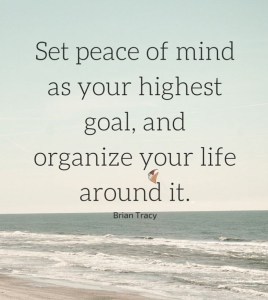
Following my husband’s death I made a determination that I needed to downsize out of my home and into something smaller. In the midst of planning for that made a decision to instead downsize into an RV and travel full-time. During this process I informed both of my adult children that I was no longer going to be able to subsidize them financially, something my husband had always done while he was alive. This resulted in more stress, but over time success was achieved. They are both now living financially on their own.
I am finally at a point where success is on the horizon. My new lifestyle begins on Monday. I closed on my house today. Friday is my last day of work. My daughter moved her family north and is now residing near her fiance’s parents, a situation that is serving well. Both Caroline and Rob are working at new jobs and my three grandchildren are enjoying life in a more country setting close to their other grandparents.
My son, now out of prison for 1-1/2 years, has obtained his CDL and is working in a position driving semi. He and his ex-wife have reconciled and are residing in a home they rent near his workplace. I am at peace that I do not have to worry about him being cold, undernourished, injured or killed in prison. I wish him success.
For the first time in years my mind is at peace. My children are both living on their own without my financial assistance, and I am going into semi-retirement. I will be residing full-time in a motor home, traveling the United States and Canada and doing part-time remote or seasonal work.
For the first time in years I can sleep without my mind churning over the problems, worries, and stress that plagued me for so long. I hope nothing happens to upset the apple cart. A mind at peace is a wonderful thing.
Share this post with your friends:

Filed under Adoption, assumptions, cancer, Coping, CPS, death, decisions, employment, events, exploration, Family, Foster Care, grandchildren, home, kids, Life Changing, Life is a Melting Pot, memoir, parents, reality, time, travel, work
Writing to Relax
I have been, and continue to be, in the whirl-wind of trying to sort through 36+ years of belongings accumulated in my house and reduce the “keep” items down to what I can take with me in a 35-foot motor home, in which I will live and travel the United States and Canada. Needless to say, this is a monumental task. I am on the downside now, with only a few things left to complete, and the estate sale is scheduled May 2-6, 2019.
I have been sorting through old items, boxes never unpacked from when we moved here in February 2004, and family heirlooms, mementos and photographs. Those special items I have painstakingly gone through and divided between my two adult children. In the midst of all this my son has been moving out. Between working long hours and moving about 45 minutes away, he has taken a long time in the process with a couple trailer loads of items still left to move. This has made for a very stressful situation. We are now down to “crunch time” as the estate seller will need to come into the home and get things priced. My son made a comment about me pushing my sale back, but I refuse to do that. I need to get my house emptied, ready for sale, and sold quickly.
 I have spent weekend after weekend at home, sorting through all my current items and those in boxes, preparing for my estate sale. Today I took some “me” time and attended the #RochesterWriters Spring Conference. I enjoyed a day of informative keynote speakers and instructors, plus socializing with other writers. It was time well spent, combining instruction in self-publishing with networking. There is something about spending a day with other writers that inspires one to write. Even though you haven’t seen me here in quite a while due to everything going on in my personal life, I find myself here tonight writing a quick blog, just to say hi and let you know I am still alive and kicking.
Once the sorting and packing is complete and I have moved into the RV, which will happen on or about April 23, 2019, you will begin to hear from me more often. As I move into fall and begin to travel the country I plan to post travel blogs of my adventures, and hopefully expand into writing some travel articles for magazines as well. What the future holds for me one can not be certain, but it will definitely be an adventure and a change in lifestyle.
Share this post with your friends:

Filed under Activities, assumptions, career, Cleaning, communication, decisions, Discoveries, events, Festivals, freindship, friends, friendship, habit, impressions, Life Changing, Life is a Melting Pot, reality, time, tourism, travel, Writing
Holiday Greetings
 Today I participated in two holiday traditions, a Christmas gathering for the Blue Water Shutterbugs Camera Club and the writing of my annual Christmas letter, which I do in lieu of a card. The writing of Christmas greetings and handling out of Christmas gifts are two areas where I recently learned the history of the tradition.
In the early 1850’s the first American made Christmas card was distributed by H. Pease, a printer and variety store owner in Albany, New York. Louis Prang, a German immigrant and printer perfected color printing and introduced a new colorful Christmas card in 1874. Within five years the sales were over 5 million. Popularity grew and Americans began sending cards instead of writing Christmas letters or making personal visits. Cards held their popularity until the 21st Century. The increased use of the internet led to a 60% decrease in the sale of Christmas cards in the past decade. In 1958 the average U.S. family mailed 100 Christmas cards. In 2001 that figure was down to an average of 28 cards per family sent and received. I know I have dropped my card sending down from about 75 to 30, and the number I receive has also substantially declined.
About eight years ago I went back to what I recently learned was the original tradition. Instead of purchasing and mailing Christmas Cards, I created a Christmas Newsletter that gave all the information on my family newspaper style. I use articles and columns to lay out my newsletter for easy reading. The first year I did this I received many positive responses. Friends and family enjoyed getting this newsworthy mailing rather than a purchased card with just a signature inside. Today I wrote and have printed my 2018 Christmas newsletter.
The Christmas party I attended today included a white elephant gift exchange, which is a bit different since it involves the giving of a used item from your home that is no longer of use to you but may be of use to someone else. They are given wrapped, but do not have the giver’s name attached. This provides a festive yet inexpensive way to enjoy the act of giving and receiving gifts.
Gift giving was not always part of Christmas tradition. The act of giving gifts increased from the 1820’s through the 1850’s, when shopkeepers re-shaped the holiday tradition. Prior to that time people gave unwrapped gifts. Then Americans began wrapping the gifts they gave, as a gift hidden in paper heightened the excitement and designated it as a gift. As this grew in popularity gifts from stores, factories and homes of laborers were wrapped in paper that advertised the material status of the giver. The more grand stores used distinctive colored paper and adorned them with tinsel cords and bright ribbon.
Gift giving became a symbol of materialism, as it signified family ties and the importance of the recipient to the giver. In 1856 Harper’s Magazine attached the security of a relationship to gift giving when it stated “Love is the moral of Christmas…What are gifts but proof of Love.” Gifts were given on a declining scale based on a person’s relationship. The best gifts were given to family and close social circles, lesser gifts in descending order of value to relatives and acquaintances. The deserving poor received the least valuable and least personal gifts.
The act of giving gifts was controversial, as some perceived it to be a materialistic perversion of a holy day. Affluence was viewed as a reward from God and charitable gifting as a Christian duty. A rich man could escape condemnation by acting in a generous fashion to help those in poverty. Best and Company had an advertisement in 1894 that suggested while purchasing items for Christmas the shopper should think of Children less fortunate and for them the store suggested “a gift of serviceable clothing” be chosen from a group of marked down goods that “would be more than welcome.”
In today’s society the act of giving to those less fortunate is seen in all aspects of our life, including toy donation boxes in stores, mitten trees, and the annual Salvation Army Red Kettle Drive to gather money for providing meals, toys, and other items to those in need. Over the years I have participated in various forms of charitable giving, including shopping for a needy child and/or family, donating to mitten trees, working as a server at a soup kitchen, donating a stuffed Christmas sock for a designated sex/age child.
As you go through your holiday preparations think about where the traditions came from, jot a personal note in that Christmas card and if you are able, help out a child or family in need. After all, it is an American tradition.
Share this post with your friends:

Filed under assumptions, celebration, decisions, Discoveries, events, Festivals, friends, friendship, habit, Holidays, Life is a Melting Pot, winter
Vacation Destination: Calgary, Alberta
Looking off into the distance, the peaks of the Canadian Rockies can be seen, drive a couple hours north east and visit Drumheller, a town sunken down into the earth that just happens to have the world’s largest finding of dinosaur skeletons and a huge museum displaying them, but the main purpose of this destination was to attend the Calgary Stampede, the largest outdoor event on earth.
It is exhilarating to travel somewhere you have never been before. To experience the beauty of nature and the excitement of a world-renown event. To visit areas famous for their natural beauty. That is what I did this past July when I flew from Detroit, Michigan to Calgary, Alberta, Canada for a 10-day vacation. To me travel and vacations are an opportunity to partake in the areas surroundings, take photographs, and experience the culture of the area.
Calgary is surrounded by a vast array of attractions, and I was only able to experience a small amount. I arrived at night and did not have the opportunity to view the Canadian Rockies from my plane, but when I awoke the next morning they could be seen in the distance from where I was staying. About 1-1/2 hours drive west from Calgary is Banff National Park. Canada’s First National Park comprises 2,564 square miles and is located in the Canadian Rockies. Banff is the home of Lake Louise and Lake Moraine, glacier lakes with a beautiful, distinctive emerald/turquoise color water. The breathtaking scenery makes this park makes it well worth the time to visit.
A day trip to Drumheller, northeast of Calgary, is a “must see”. Located in the Canadian Badlands, this unique town is built in an area of land that at some point in time sunk down into the earth that now houses the badlands and an entire town. This is where you will find the Royal Tyrrell Museum, which houses one of the world’s largest displays of dinosaur skeletons and fossils. I spent several hours inside the museum, taking a break to lunch at the on-sight cafeteria.
The plan was to visit the Royal Tyyrell Museum in the morning and spend the afternoon driving the Canadian Badlands taking photos. The Canadian Badlands covers a 35,000 square mile region where dinosaur bones were discovered in the late 1800s. Nowhere on Earth has there ever been found the quantity and quality of dinosaur remains as have been discovered in the Canadian Badlands. It is speculated that for some reason this area of land sank down into the earth, creating a drastic drop in elevation and that stampeding dinosaurs fell over the age and died. The result is one of the world’s largest dinosaur fossil regions. Since the late 1800’s more than 1,000 complete skeletons of dinosaurs have been found and digs continue to this day. The Royal Tyrrell Museum contains over 130,000 skeletons and/or fossils from this area.
In addition to dinosaur finds, the Badlands is also where gangsters would run and hideout in the “wild west” era. The terrain of the area was dangerous due to its sunken area, allowing for an easy ambush and law enforcement would not pursue gangsters once they entered the area. The history of the badlands combined with the gorgeous rock formations makes the area a “must see” on a trip to the region. Unfortunately a rainstorm prevented the planned exploration of the badlands from taking place.
The main purpose of my trip to Calgary was the Fantasy RV Tours 7-Day Calgary Stampede event. The tour group arranged RV parking in a stadium parking lot and participants took a short walk to the train stop for a ride into the town of Calgary and/or to the Calgary Stampede Grounds. In addition to the stampede, the tour included a visit to Heritage Park and Gasoline Alley, attending the Calgary Stampede Parade, breakfast in the rotating restaurant at Calgary Tower, and a visit to the Glenbow Museum in downtown Calgary.
Heritage Park Historical Village includes Gasoline Alley, a “must see” car museum. I spent so much time in Gasoline Alley that my time was very limited on viewing the rest of this living history museum. A train ride around the park gave me a nice overview, and because of the way stops are scheduled you circle the park twice before you can disembark at the location you boarded. The majority of visitors get off and on to visit various attractions.
Our tour included breakfast at the revolving restaurant in the Calgary Tower. The observation deck of the tower provides a 360° view of the city and surrounding area. One area has a glass floor you can walk out on for a true view down. I found the glass bottom very disconcerting, and had to use the rail to walk out onto it. Across from the tower is the Glenbow Museum, which is a combination art and history museum. I spent quite a bit of time viewing the historical exhibits and taking photographs.
The Calgary Parade is a kick-off to the Calgary Stampede. This parade displays the heart and sole of Calgary and the Stampede, with horses, carriages, bands, and more. Many follow the parade down to the stampede grounds for the opening of the event. The Calgary Stampede grounds is a huge venue, including barns, a midway, an Indian Village, and the main highlight, the stampede grandstand. You definitely want to take in both an afternoon rodeo show and an evening grandstand show, which features chuck wagon races, performances, and fireworks. You will not be disappointed!
My trip to Calgary went way too fast and before I knew it my ten days had ended and I was at the airport and on my way home. I hope that someday I will get back to the area and have a chance to visit more thoroughly some of the areas I only touched on lightly.
Share this post with your friends:

Filed under Activities, Discoveries, events, Festivals, Life is a Melting Pot, nature, Photography, tourism, vacation
Bulleted Reunion
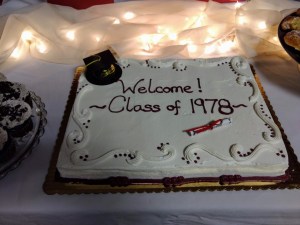 I had the pleasure of attending my 40th High School Class Reunion in Eaton Rapids, Michigan this weekend. The coordinators did a fabulous job of pulling the weekend together with a variety of activities to keep people on the move. This was especially nice for those of us traveling in from out of town, especially those traveling from out-of-state.
This is my bulleted list of memories of the weekend.
- Meet-and-Greet at Eaton Rapids Medical Center Conference Room.
- Great desserts!
- Friendly conversation with classmates.
- Tammy (Ball) Albright’s face sign
- Olive burgers and beer at Abies Bar
- Woman’s bathroom is small with two toilets, no stalls.
- Breakfast at Darb’s Patio, always yummy!
- Glitch in planned tour of high school – Honor Society students are prepared to do tour, school is locked and they don’t have keys.
- Classmate makes a couple calls and resolution is on the way.
- Dave Johnson, teacher when we attended, later principal, now retired, has master key to school and comes to rescue, conducts the tour, and does an awesome job of sharing the way it was when we attended, and what changes have been done over the years.
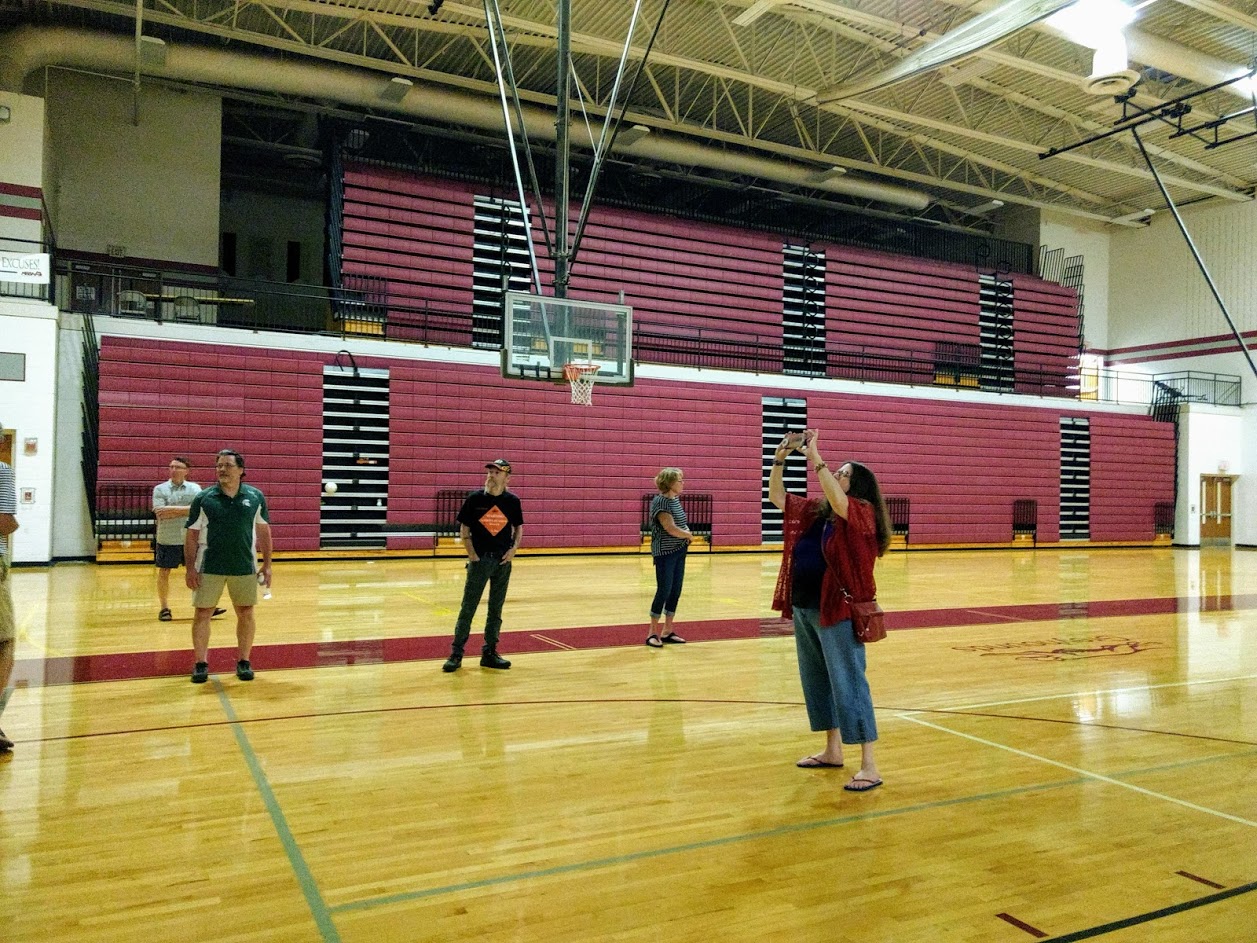
- Touring the high school after 40 years brings back memories, including these mentioned during tour:
- The Cold Tongue
- The smoking bathroom
- Pep Rallies
- After home game dances
- Band/band camp
- Typing class
- 1-2-3 Roll’em Ferndock
- World History class lectures in auditorium
- Theater performances in auditorium
- Mr. Phillips math classes
- Mrs. Lohrke, English teacher
- Mrs. Shimnoski and Mrs. Tuthill, Business/Secretarial Block teachers
- Various athletes, coaches
- Teachers and counselors now gone but long remembered
- Library no longer has a comfy seating area of bean bag chairs, chairs, etc.
- Senior Bench (now gone)
- The former layout of the school compared to what it is now
- Non-Reunion Activity: Quick stop-over to visit with my sister for a couple hours
- Walking a block to the Red Ribbon Hall for the reunion because I thought all parking in front was taken; there were still open spots.
- Some classmates’ appearance has hardly changed, very recognizable.
- Some classmates have changed a lot — thank goodness for name tags!
- Being surprised at how many people recognized me immediately.
- Good food, good desserts.
- Good conversation with old friends and classmates.
- 1978 Graduate photo frame for shooting pics
- Fun slide show of “then and now” pictures of classmates.
- Party Favors: Eaton Rapids glass and notepad
- The Red Ribbon Hall has very good acoustics = loud atmosphere.
- A lot of us still drink, but not like we used to!
- Many of us no longer “close down the bar” and left before the party was over.
- Cell phones are great for event pics…I didn’t see a single “real” camera all weekend.
- Facebook sharing of activities and photos on the ERHS Class of 1978 Page
- Sad realization that we have lost 11 classmates, a nice memorial table was set up.
- A quiz of things about our last year of school – presented by Mrs. Wheeler, former teacher.
- Each classmate was to stand and give their name (maiden) now and where living…which grew as it went around the room to name, where living, married/years, occupation, children/grandchildren.
- Amazing how many people have stayed in Eaton Rapids and/or the Greater Lansing area.
- Surprised at how many have moved out of state, or resided in several states.
 Time passes so quickly. How is it we have already been out of school forty years? Many thanks to classmates Julie and Jane Brenke, and their sister Jill, for organizing the reunion as well as several others who stepped in and assisted them.
Share this post with your friends:

Filed under Activities, anniversary, celebration, communication, education, events, freindship, friends, friendship, Life is a Melting Pot, memoir, Michigan, school, time
Society is a Mess
I have had this jumbling around in my mind for a while now, the horrid mess that society here in the U.S. has become. It is as if some people have lost compassion, morals, and are on an ego trip.
One area in which I think the media services the perpetrator rather than the victims is mass shootings. A “nobody” who wants recognition for whatever reason loads themselves up with firepower and ammunition, then goes into some location where they are likely to find a large portion of unarmed victims and opens fire. The victims have had their lives changed forever, if they are still alive.
 A prime target has become schools, where firearms are not allowed. By an act of violence upon the innocent the “nobody” — a coward in my eyes because of the venue and victim type he/she chooses — has now become a celebrity. Thanks to mass media the shooter’s photo is displayed on TV and in newspapers across the country repeatedly, video clips of the shooting and aftermath are played again and again. Whether captured or killed, the shooter’s name will go down in history of having done something that made them headline news…a celebrity of sorts, even if for the negative they created.
It makes me wonder, would people be so inclined to perform such heinous acts of violence if the perpetrator was only mentioned once, or their photograph shown for a very short, limited period of time and only in passing? What if the person who committed the act was “brushed under the rug” so to speak and the news only focused on the victims from the beginning? Would this decrease the desire to do something considered breaking news, something that the media follows for days or weeks? It is certainly something to consider.
Another thing that bothers me is the influx of adults who are being found to have sexually abused large amounts of minors or adults in vulnerable positions. Larry Nassar and Bill Cosby are two recent examples. While Bill Cosby was already a household name for positive reasons and his name now tainted, Larry Nassar was not widely known until the large sex abuse scandal became national news. Once again the news media turned a pedophile into a glorified celebrity. There aren’t many people who hear the name “Nassar” and don’t know who is being referred to. I have mixed feelings about this.
I think there is a fine line between “the right to know” for both the benefit of news and our own personal protection and the ego trip these people get in obtaining celebrity status, even if in a negative manner. People such as the mass shooter or sexual abuser, in my opinion, are lacking in self-esteem and/or are so self-absorbed and egotistical that they are unwilling or unable to put the feelings of others before their own personal desires. This leads them to harm or abuse those around them and in doing so they gain a feeling of power and control. It would be interesting to see if horrors such as these would be reduced if there were no recognition for such dastardly deeds. We will probably never know the answer.
Share this post with your friends:

Filed under assumptions, communication, decisions, events, habit, impressions, Life Changing, Life is a Melting Pot, mind, reality, school
First Day of Freedom
Imagine six years of life where your movements are controlled, where you have no privacy, where you can make phone calls out but no one can call you, your mail is read prior to you receiving it, where you can never go visit, but must wait for people to visit you. That is the life my son led from the time he was 24 years old until he was 30.
When he received notice in December that he had received parole he began counting down the days. March 20th seemed like it was in the distant future for him. For me it went fast. I was trying to get things done prior to his release, and of course I made the six hour drive to pick him up.
Patrick was released from Newberry Correctional Facility in Michigan’s upper peninsula at 8:00 am March 20, 2018. Although he is on a tether for the first six months of his two year parole, and he must abide by curfews that in the beginning are tight, it is considerably better than the spot he was at. So how did Patrick spend his first day of freedom?

Patrick — this single photo is on the OUTSIDE of the prison.

Our last prison photo
I picked him up at the correctional facility, we loaded his belongings into the car and than took our last two prison photos, a “selfie” of the two of us, and then one of him in front of the facility. Every time I (and my now deceased husband) visited we paid to have photos taken of us together and one of Patrick alone, so this was our last prison photo shoot.
Our first stop was a gas station/McDonald’s combination where he got a McGriddle sandwich — also one of my favorites. When he asked if he could have bacon added to the sandwich the girl responded “you can have whatever you want” and Patrick responded “those are words I’m not used to hearing.”
I had purchased him a cell phone, but phones have advanced considerably in the past six years. He was on the phone talking as we were crossing the Mackinac Bridge and I heard him say that the water looked really cool with the ice on it and “if I wasn’t on the phone talking to you I could take a picture.” He got instructions on how to stay on the phone and take a photo at the same time.
Two years ago my husband/Patrick’s father passed away, and I had obtained permission from the parole agent to make a few stops, Great Lakes National Cemetery in Holly being one, where Patrick saw his father’s grave-site for the first time.

Reading the tile on his father’s grave

We then headed to Fort Gratiot, he did not have to check in with the parole agent until the next morning, and we had permission to go shopping at Kohls to get him some clothes and then out to dinner. We ended up spending about three hours in Kohls.

Patrick tries on a hat at Kohs
Patrick helped me pick out short outfits for my grandchildren’s Easter baskets, then we shopped for clothing for him. He had changed sizes while incarcerated and had to try on a few things. A pair of tennis shoes, four pair of jeans, a pair of shorts, one shirt (couldn’t find many he liked), some boxers, and socks and we felt he had a nice start. I had already purchased him a nice pair of fleece pants, hoodie, polo, and a v-neck t-shirt prior to picking him up. During our shopping Patrick had to exit the building and stand in an open area of the parking lot so the satellite could take a picture of him/his location. He was told that happens frequently in large department stores or malls if in for a while.
Next stop was Red Lobster. Lobster Fest is going on, and we had the same meal — two different kinds of lobster and green beans with mushrooms, and of course salad and biscuits. The place was quiet, the service was good, the food was fantastic.
Dinner at Red Lobster
We were on our way home when my daughter called and said her boyfriend had the truck torn apart and needed to pick up a hose to complete it, could I swing by, pick him up and take him around the corner to the auto store. I went by her house, dropped off Patrick, picked up Rob and took him to the auto shop, then went back around and dropped off Rob and picked up Patrick and we came home and unloaded the car.
The evening was finished off with Caroline (my daughter) and her three kids coming over for a while, and then Patrick and I watched a bit of TV. It was a wonderful day for me, and I’m sure a great first day of freedom for him as well.

Austin and Corbin

Caroline and Patrick

Patrick and Alexandria
Share this post with your friends:

Filed under celebration, children, communication, Coping, decisions, Discoveries, events, Family, food, home, kids, Life Changing, Life is a Melting Pot, memoir, parents, travel, Upper Penninsula
What makes a weekend successful?
When you work 40 hours a week, the weekend is your time for everything – social activities, housework, projects, shopping, you pile it all in and attempt to get it done, frequently without success.
Last Thursday I created a to-do list for everything I want to get done by March 18th — that gives me two weekends and the evenings after work. It is an extensive list, I used a sheet of notebook paper to make it out. This being the end of the first weekend, I am already feeling either frustration or panic over whether or not I will get everything done. That got me to thinking, what makes a weekend successful? 
Friday after work I went to an opening of an art show exhibit at Studio 1219, an art studio I have belonged to for years. I was there until 8 pm, viewing art and talking with several other artists I know. I stopped for dinner on the way home.
Once home I cleaned out “junk” email, then shopped online for a new laptop computer. Being the first time I have made a computer purchase on my own (that was always my husband’s department) I had no clue if what I was looking at was good for speed, memory, graphics, etc. Luckily a friend had recently ordered a laptop so I pulled up the unit they purchased and compared their information to mine. Feeling confident my selection was good I placed the order — laptop computer, laptop sleeve/case and external mouse. I went to bed at 3 am….so much for weekend rest!
Saturday I started a major project — cleaning out my deceased husband’s office. He had let it pile up the last couple years he was alive and I was literally stepping over and around stacks on the floor whenever I had to go in there. I pulled a considerable amount of stuff out into the upper landing and found the floor. Then I got a step stool and hauled everything out of the closet to see what was there. I spent quite a bit of time going through things, setting some aside as “keep” or “unsure” and a lot of items went into boxes marked “sell.” Boxes marked for sale I began stacking into the back of the closet. I still have a lot of stuff on the landing to go through, put away, or temporarily store somewhere during the cleaning process (I currently have a bathroom blocked). I still have more on the floor in the office to sort, not to mention on shelves and in cabinets, but I have made a decent dent and can actually walk into the room now.
 Sunday morning I did a few household chores and worked on my computer. I had to prepare an Agenda for a meeting and email it out, preview a CD for a meeting later this week to make sure it ran on the laptop okay, plus a few other minor projects. I then headed out the door for a 2:00 pm lunch event with the St. Clair County Eagle Watcher’s, a photography group I belong to. This year’s event included a showing of five birds of prey. Camera’s were clicking as each bird was displayed and talked about. By 4:30 I was on the road and headed to purchase groceries.
I arrived home around 7:00 pm, unloaded and put away groceries, then chatted on the phone for about 30 minutes with a friend. I sorted about four days worth of accumulated mail, hand-wrote a draft to a column for a newspaper due this week, then drafted out this blog, which I will likely review and post Monday morning.
There are still a lot of things left on my list to do, way more than I have crossed out. Now the question is, even though I haven’t completed my list, was my weekend successful? I did attend two social events, spent the majority of one day working on a large cleaning/sorting project, completed a few other tasks, went grocery shopping, plus drafted a column and this blog,
While it is easy to look at the number of things still on my to-do list and get frustrated at what is left to do, I think I have to log the weekend as a success.
How was your weekend? Was it a success? What did you do? Was it filled with fun, work, or a combination?
Share this post with your friends:

Filed under Activities, Art Shows, Cleaning, communication, decisions, events, freindship, friends, friendship, home, Life is a Melting Pot, lunch, mind, Photography, time, work, Writing
It’s Just Another Day
As I write this only a few hours before the ringing in of 2018 it occurs to me that millions of people are getting together with friends, going to parties, visiting bars, or participating in numerous other activities to ring in the new year. Year after year I have spent New Year’s Eve the same way — home doing my normal activities until around 11:30 pm when I switch to Dick Clark’s Rockin’ New Years Eve to watch the ball drop in Times Square. Some years I go to bed immediately after, other years I continue to watch the celebration for an hour or two.
New Year’s Day arrives. I might flip on the parades to watch a bit. I change over my calendar to the new year, and empty out my “Good Things” jar. Overall the day is treated like pretty much any other stay-at-home day, doing whatever activities I choose or need to handle.
 Do I set goals for the new year? Usually. Do I achieve them? Sometimes. Even though for the most part New Year’s Eve and New Year’s Day are just another day, they still contain a bit of tradition that is repeated year-after-year.
As I was writing this I looked up and saw my handwritten list of 2017 goals I had set. Lets just say I had good intentions and leave it at that. That list just got folded in half and tossed in the wastepaper basket.
I’m thinking instead of setting goals maybe as I go through the year I should make a list of things I accomplish. In fact, now that I think of it, that would end the year on a much more positive note. No depressing list of goals I did not achieve to toss into a wastepaper basket. Instead I will be able to review the year with a list of things I completed — assuming of course I do something productive in the next twelve months.
Here’s Wishing Everyone A Productive and Happy New Year!
Share this post with your friends:

Filed under anniversary, celebration, decisions, Discoveries, events, Festivals, habit, Holidays, impressions, Life Changing, Life is a Melting Pot, reality, time
Do I like it or not?
We are having our first snowfall of the year…well not really. We had a few flurries in the air a couple times earlier this year, but nothing that stuck and it has been unseasonably warm until now. We are getting dumped on.
The First Fall of Snow
So with the snow falling and sticking to the roads and people nervous as they always are on the first bad roads of the season, we had to make a 40-mile round trip to pick up my daughter from work due to her car being in for service. What are my thoughts?
- People constantly refer to how bad the roads are
- Some people are very nervous and drive extremely slow
- Some people are idiots and drive a maniac speeds
- My car appears to automatically turn of Max Defrost when it is turned off, so auto-start doesn’t give you the max benefit when used.
- Heated car seats are the best
- If you forgo using the brush for mittens because the snow is fluffy, you will regret it later when your mittens are wet and fingers feel cold.
- Freshly fallen snow on bushes and trees with Christmas lights on them is pretty.
- There is something about snow that puts you in the Christmas mood
- Yikes! Only 12 days until Christmas and I’m not decorated and have more shopping to do.
- Who am I kidding, I wish I were somewhere on a beach, somewhere tropical, not in the midst of a snow storm.
So, I assembled my Christmas tree last night, and I should have put the lights on tonight but it still remains naked. I’ll tackle that project tomorrow night. For tonight, I’m going to crash.
If you are in the midst of a snowstorm, stay warm.
If you are somewhere tropical, I wish we could trade places.
Share this post with your friends:

Filed under celebration, Discoveries, events, exploration, habit, home, kids, Life is a Melting Pot, memoir, nature, reality, Weather, winter
Decompress a Boggled Brain
Let’s face it, some of us have this issue more than others. It could be related to your lifestyle, age, career, family life, or just an occasional bumble in your normal schedule. Sometimes it is a combination of all those things and is just plain hard to shake.
Maybe you’re like me and have a “to-do” list that seems like Mt. Everest x 3 and you feel like you’ll never get through it all. When things seem overwhelming it can be hard to get motivated. Sometimes you accomplish things but no one can tell. If you spend 10 hours on paperwork, who is going to know except you? That lack of visual accomplishment can make one feel as if they have nothing to show for their effort.
How do you prevent feeling overwhelmed? When you want to throw up your hands and turn into a sluggish couch potato, how do you reverse the process? You have to decompress your boggled brain. Give it a break from life’s obligations. Have some fun.
The time you spend decompressing the brain can be anything from a few minutes to a few days. What I have found is that by taking a break I re-energize and am able to accomplish more than I would if I stayed on the straight-and-narrow work path. It is easy to think “I shouldn’t be doing this” or “I should be doing this” because of that massive to-do list. The trick is in the timing.
I work full time as a paralegal. I spend the majority of my workday at the computer writing pleadings, handling correspondence, and listening to people’s problems on the phone. Very rarely is my to-do pile shorter than about 18″ in height, quite often it is more than that. I do not leave the office at lunch; it is a one-person office and while eating I take calls or handle people as they walk in the door. I decompress at lunch by skimming through Facebook and quite often spend time playing a game such as Candy Crush or Tetris Battles while eating. Playing those games releases the brain from thinking. Although the mind is active, it is relaxing. I have found it to be a great way to re-power for the afternoon.
I am a photographer, and for the past three years I haven’t done much in the way of shooting pictures. That is for a combination of reasons including working on cleaning out my parent’s home after they passed, a bad ankle that I finally had surgery on this past fall, and my own husband fighting cancer, a battle he lost 20 months ago. I wasn’t going out and shooting because not only was it was physically painful to walk, but I also felt I have so much to do here at home that I should be here working, not out having fun.
So what did I realize? I had lost my motivation. I was here and getting things done, but not to the degree that I used to several years ago. I lacked motivation and my productivity was down, which compounded my feeling of being overwhelmed. I decided it was time to get out and participate in a few more things this year, attend more festivities and do more photo shooting.
 I will admit it was hard. However forcing myself to get out and do things has been beneficial. I am more physically active, which increases metabolism and energy. I discovered I am happier by being once again out and about partaking in different activities. The result is that I am more productive than I was when spending the entire weekend at home. Why? Because I have decompressed my brain so I am more relaxed, my energy level has increased, and therefore I am more productive.
When you are feeling sluggish, overwhelmed, ready to throw in the towel and call it quits take some time to decompress the brain. You’ll be glad you did.
Share this post with your friends:

Filed under Activities, career, communication, Coping, death, decisions, Discoveries, environmental, events, habit, Life Changing, Life is a Melting Pot, lunch, Meals, mind, time, Weather, work
Celebrating Independence Day
I want to wish everyone a Happy 4th of July — the celebration of the birth of the United States of America. Many people today do not understand the significance of the holiday, nor how it came to be celebrated in the manner it is.
I write a column for The Lakeshore Guardian and for the July 2017 I wrote about the history of our celebration and the changes that have taken place since the very first time festivities took place in the year of our independence, 1776. You can read the column by clicking on Celebrating Independence Day, which will take you directly to my column. While there feel free to click on Articles by Grace Grogan which will take you to a 4-page listing of the columns I have done for that paper. There is no subscription fee for the paper so feel free to view at your leisure.

Photo by Grace Grogan

Photo by Grace Grogan

Photo by Grace Grogan

Photo by Grace Grogan

Photo by Grace Grogan

Photo by Grace Grogan
If for any reason you have difficulty using the links above, I have scanned and attached the Celebrating Independence Day column below, which you should be able to click on and enlarge for easier reading.
Wishing you all a wonderful, happy, 4th of July Celebration.


Share this post with your friends:

Filed under celebration, events, Festivals, genealogy, Holidays, Life is a Melting Pot
 --- LIFE IS A MELTING POT --- Grace Grogan...Writer, Photographer