Tag Archives: 1950s

The Decline of Public Dress Standards Over the Decades

If you look back, it is easy to see that over the last 50-75 years, people have gone from dressing up to failing to dress at all. This came to my attention during extended stays at hotels offering free breakfast over the past couple of years. How do you feel about the decline in public dress standards?

When I was growing up, and when my children were growing up, if we had a free breakfast at a hotel, everyone got up, showered, and dressed for the day before we left our hotel room. That was expected, and everyone in the breakfast area was also appropriately clothed. Now I know that on occasion you will see families in restaurants with a toddler still in their pajamas. Children under about five years old look cute in their jammies. Beyond that, it is time to put on clothing.

Over the past several years, I have noticed an increasing number of teens and adults shopping and dining in pajamas. It is obvious from the fabric and patterns on the sleep pants and T-shirts. In my opinion, they should exercise more care in their personal appearance. Some may think they are showing confidence in going out undressed, but in my opinion, it is pure laziness.

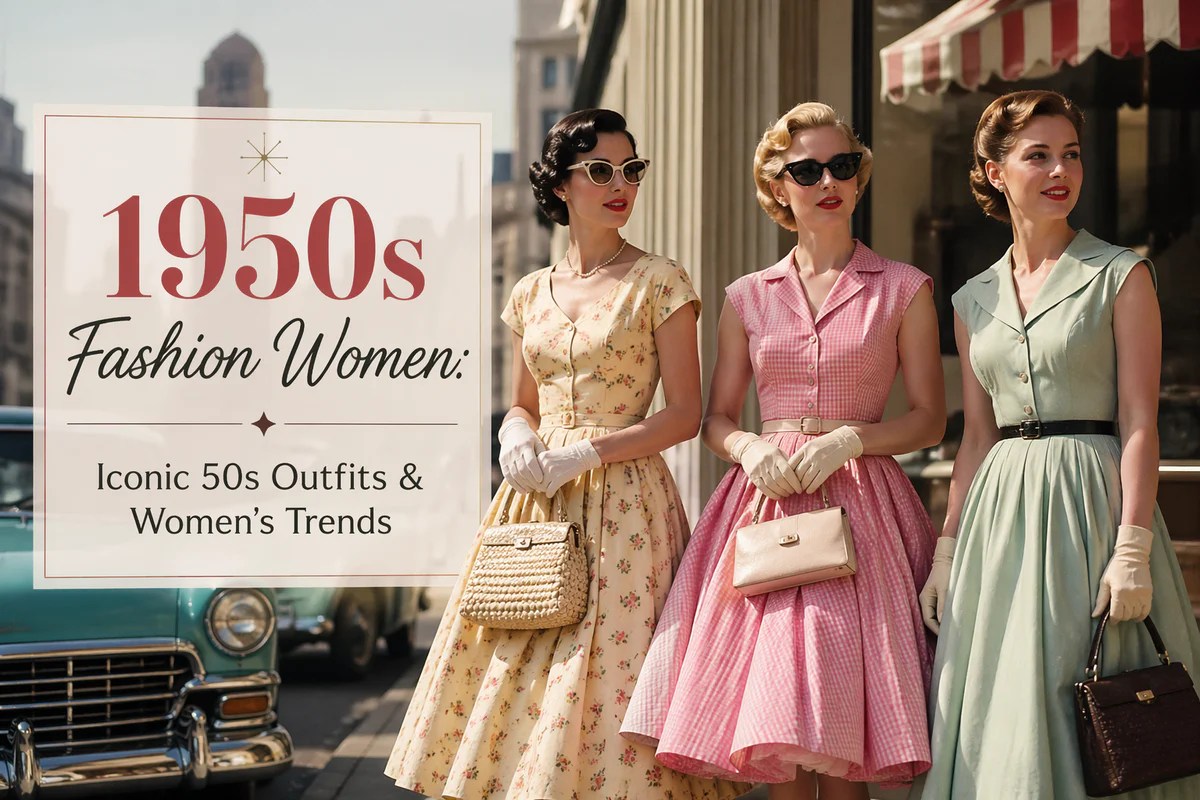
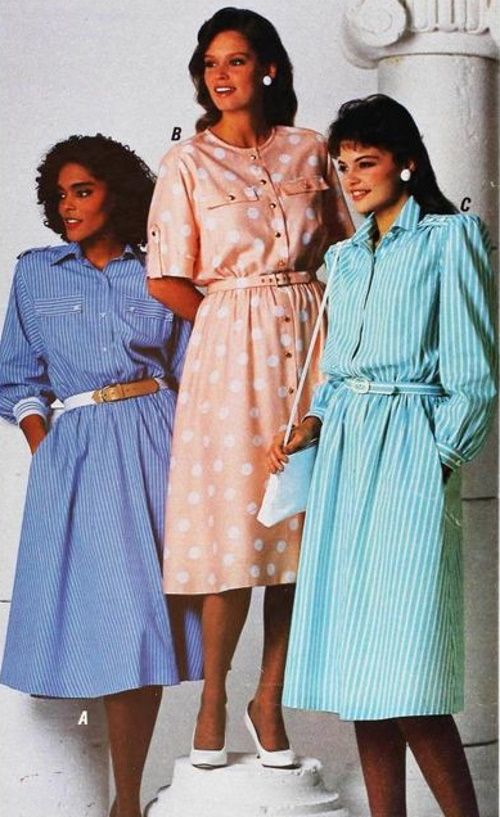
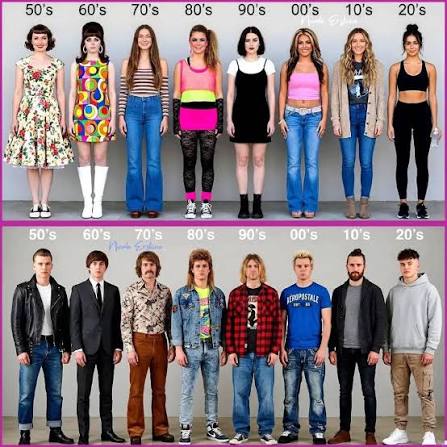
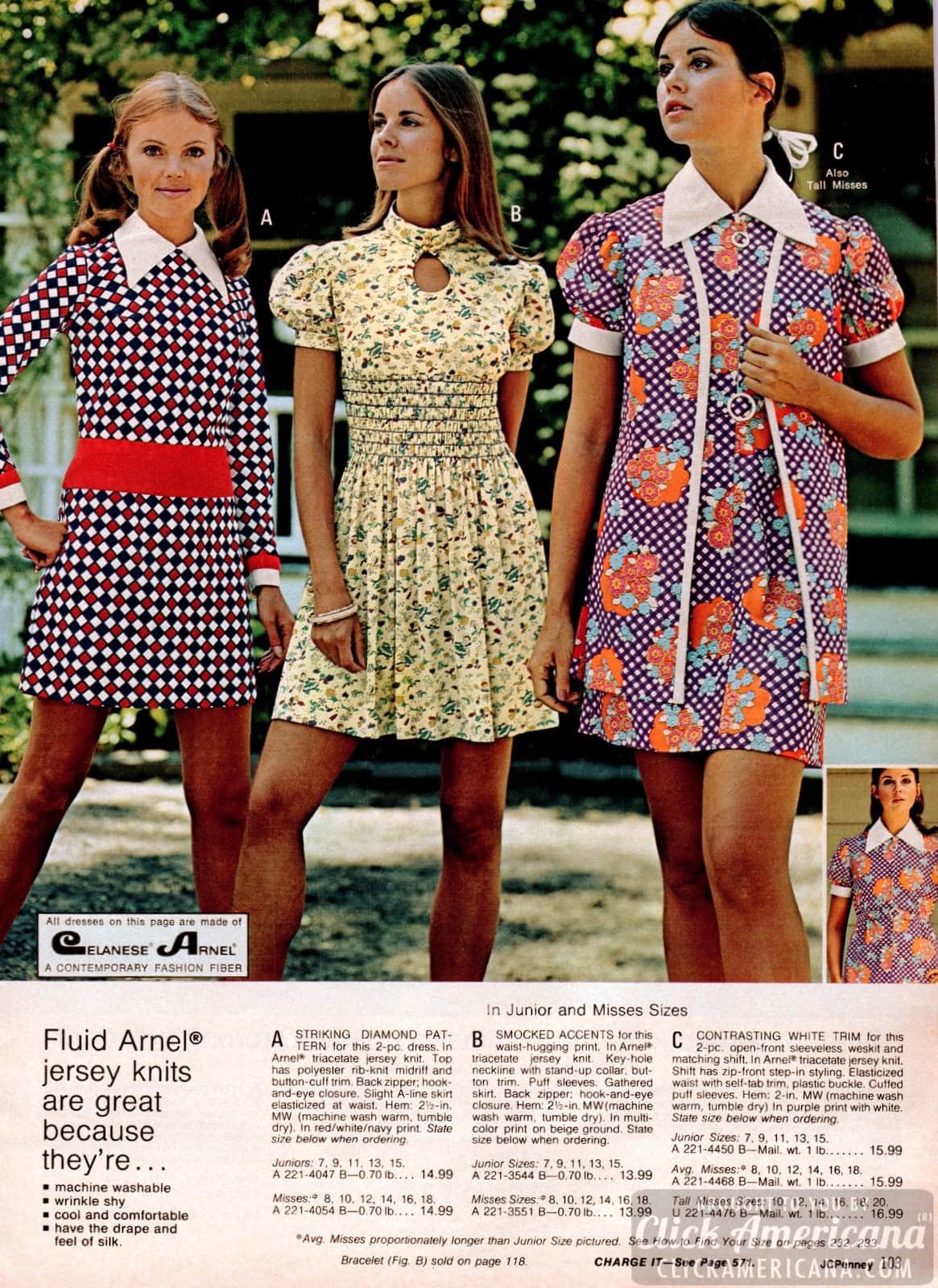
The lack of care for a person’s appearance becomes even more obvious if you look back at photos of people shopping and vacationing in the 1950s and each decade thereafter. My mother told me that when she was growing up (1958 high school graduate), they always “dressed” to go to town. While she may have worn slacks at home, she was expected to wear a dress when shopping or going into town for any other activity.

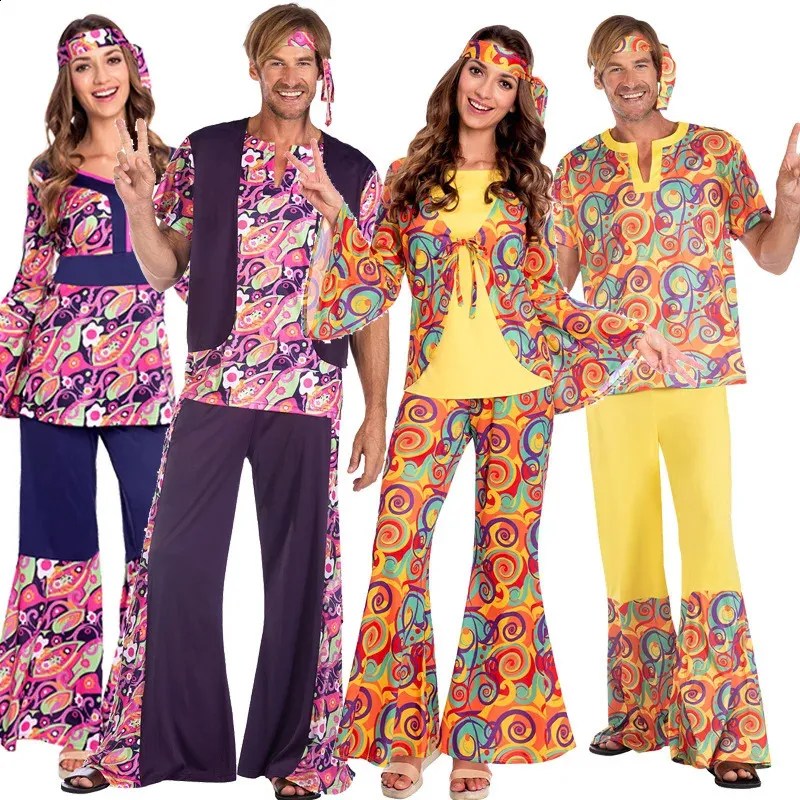
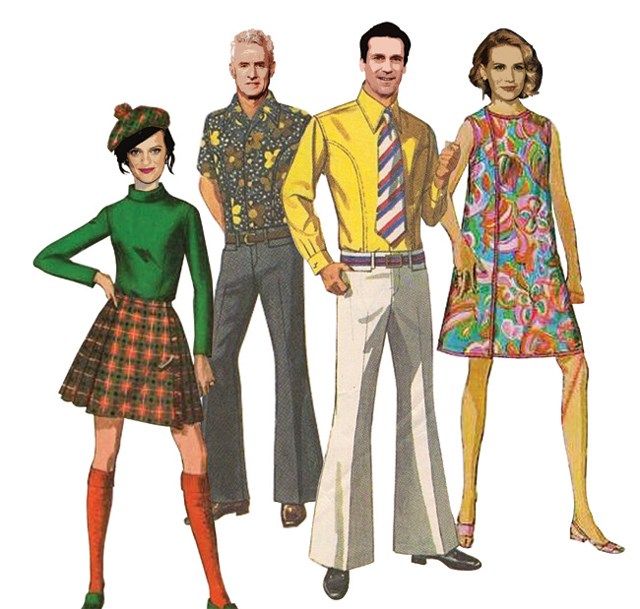
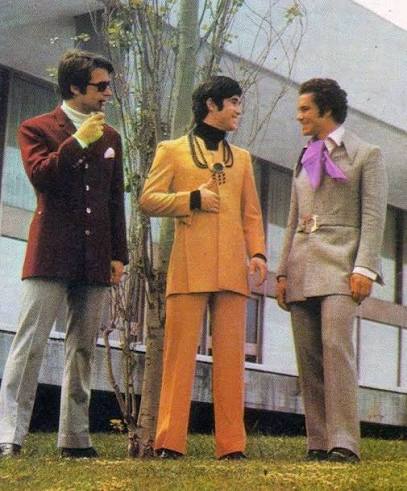
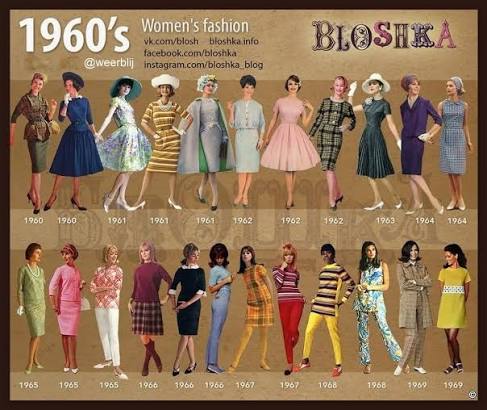
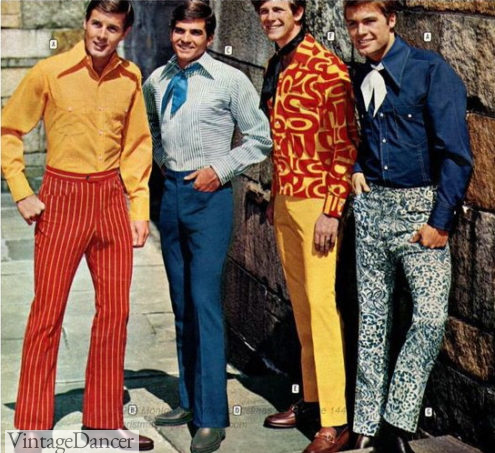
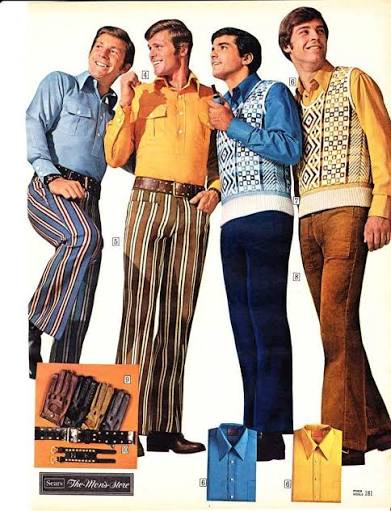
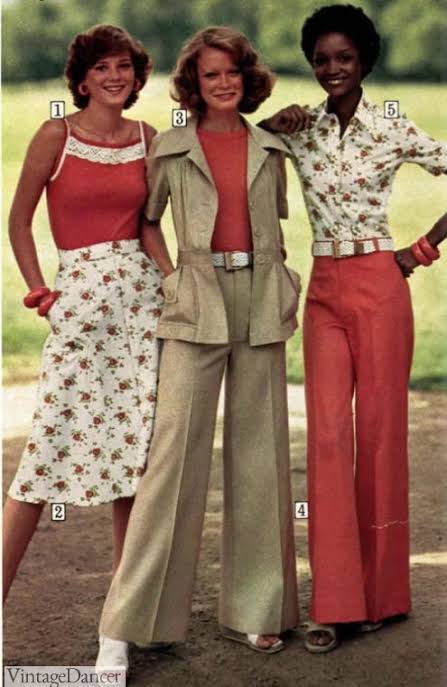
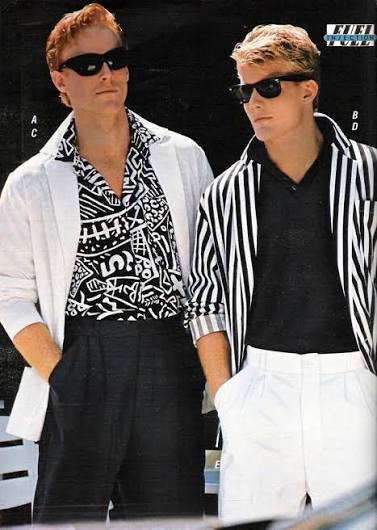
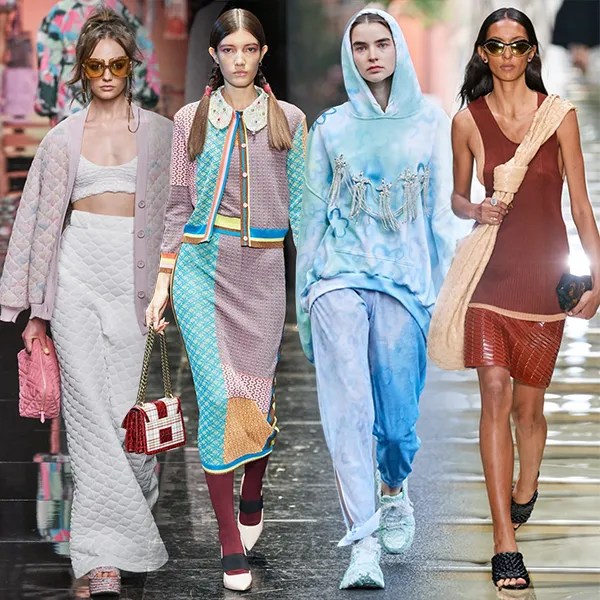
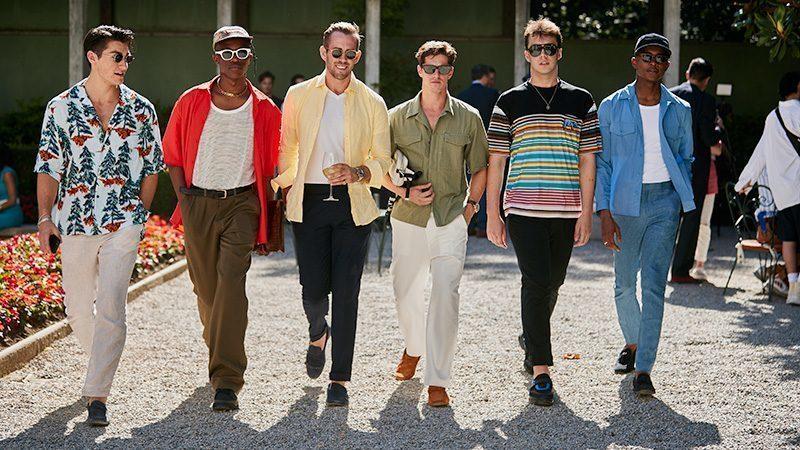
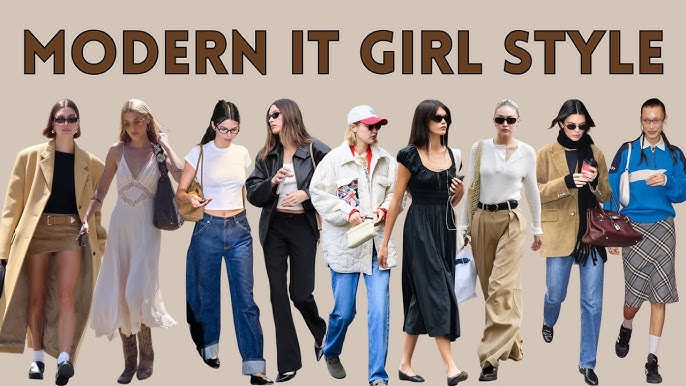
Here’s a just-for-fun quick look at some of the fashion trends from the 1950s to the 2020s:
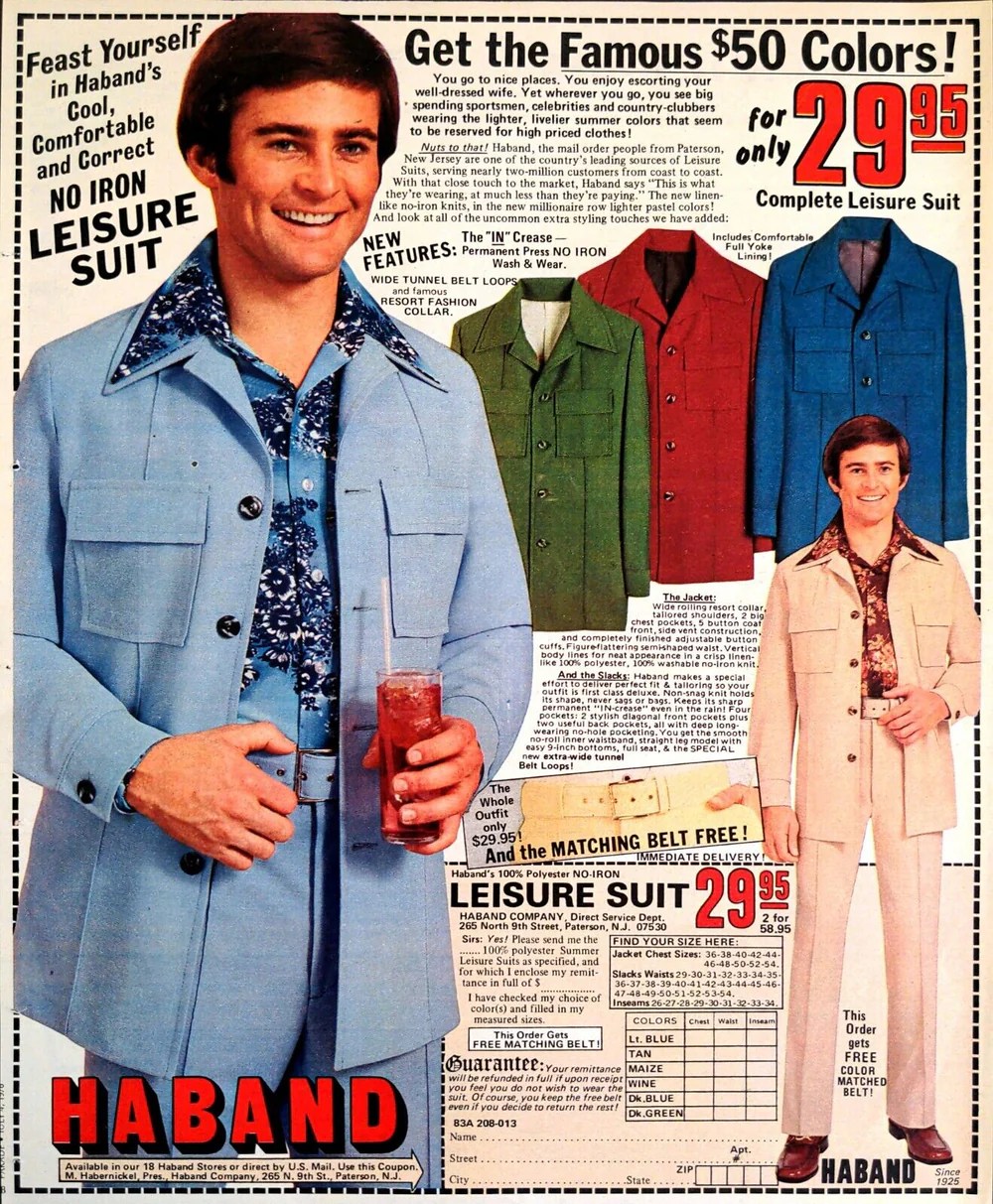
As you review each decade thereafter, the clothing became more and more casual. Slacks were more widely accepted in the 1960s. However, people still dressed fashionably, with appropriate clothing, shoes, hair done, and makeup applied. When I, a 1978 high school graduate, was bar-hopping in my late teens (the legal drinking age was 18 for me), we would always dress nicely before going out. That meant a dress, hose, and heels before hitting the dance floor. Now, when you walk into a bar, everyone, male and female, is in jeans or shorts and casual tops.

The constant downgrading of our appearance became blatantly obvious when spending time in a hotel breakfast room. When free breakfast is available from approximately 6:00 am to 9:00-9:30 am, why can’t adults and older children put on their clothes? Not only do I see dozens of children in pajamas daily, but adults as well. Women in their mid-20s to 30s wearing either nightwear or lingerie, women in their late 40s to 60s wearing button-front, shirt-style pajamas, and a variety of long-legged pajama pants and sleep T-shirts are available. We’ve even seen one woman appear regularly for breakfast in her nightgown, her hair full of curlers.

There are a variety of reasons for this type of over-the-top casual attire in a hotel breakfast room. Many people don’t take the time to dress appropriately because they see the hotel as an extension of their private space…the equivalent of entering their kitchen at home to grab a bite to eat. They would rather roll out of bed at the last minute and rush to grab food while it is still available than take the time to look presentable. This has become a bad habit for many because there is generally no enforced dress code at hotel continental breakfast settings. That doesn’t make it appropriate and, in general, reflects poorly on the type of person you are.

Think about this: You enter a room and see three groups of people. One group consists of smartly dressed men and women; another group is in neat, clean, casual attire; and the third group is in scrungy jeans, baggy pants, wrinkled t-shirts, or pajamas. What is your immediate impression of each group of people? You will likely consider the smartly dressed people to be successful, educated, and affluent. The group in casual attire is likely to be considered gainfully employed, successful, and well-educated. What is your opinion of the third group? There is a good chance you may consider them to be in low-paying jobs, lazy, and less well-mannered. While each of these assumptions may be accurate or inaccurate, appearances do impact first impressions. First impressions impact how people treat you.

Key factors that influence another person’s perception of you include:
1) Clothing choice: Well-fitted, appropriate attire indicates high status and professionalism
2) Grooming habits: neat clothing, clean hair, and clean nails suggest a person with self-discipline
3) Posture and stance: A person who stands tall conveys confidence and a capacity for leadership
4) Facial expressions: A person with a genuine smile is perceived as having a warm personality and being approachable

While how you appear to others in a hotel breakfast room may not be important, once you develop a habit of not considering your appearance, it extends to other areas of your life. How important are first impressions? The first impression acts as a mental anchor for all future interactions you have with that person. An initial bias that develops during a first encounter requires significant time to overcome. How people treat you is based on their first impression, as they have formed a perception of how you will likely behave.

Albert Mehrabian, a social psychologist, has determined that 55% of a person’s first impression is based on appearance, 38% on the way the person sounds, and only 7% on what they say. To present a positive image, it is imperative that you pay attention to the message you intend to convey, both verbally and nonverbally.

Dressing for public appearances has shifted from past norms to the current trend of ultra-casual attire, in part because busy lifestyles have led people to prioritize functionality and ease over fashion. While this has likely benefited our lifestyles overall, some people have pushed beyond acceptable into being sloppy/lazy. If you are not getting the reactions you would like from others, consider whether your grooming and dressing habits may need adjustment.

How do you feel about the current dressing and lack-of-dressing trends? Leave me your thoughts below.

2 Comments

Filed under assumptions, habit, Holidays, impressions, Life is a Melting Pot, reality, travel, vacation

Oldies Observations

We were unable to get any local stations while traveling this summer and found a TV station playing some prime-time oldies.  Watching shows from the past leads to some interesting observations. This includes the way people were portrayed in the ’50s, ’60s, and ’70s.

Perry Mason (1957-1966)

Perry Mason is an attorney who always wins his case. This almost always happens during a trial by showing that someone else in the courtroom is guilty of the crime his client is charged with. Through witness testimony he leads to the truth, and either the witness testifying or someone else in the courtroom inevitably stands up with an “I did it” announcement. Of course, once this announcement is made, Perry has won the case for his client.

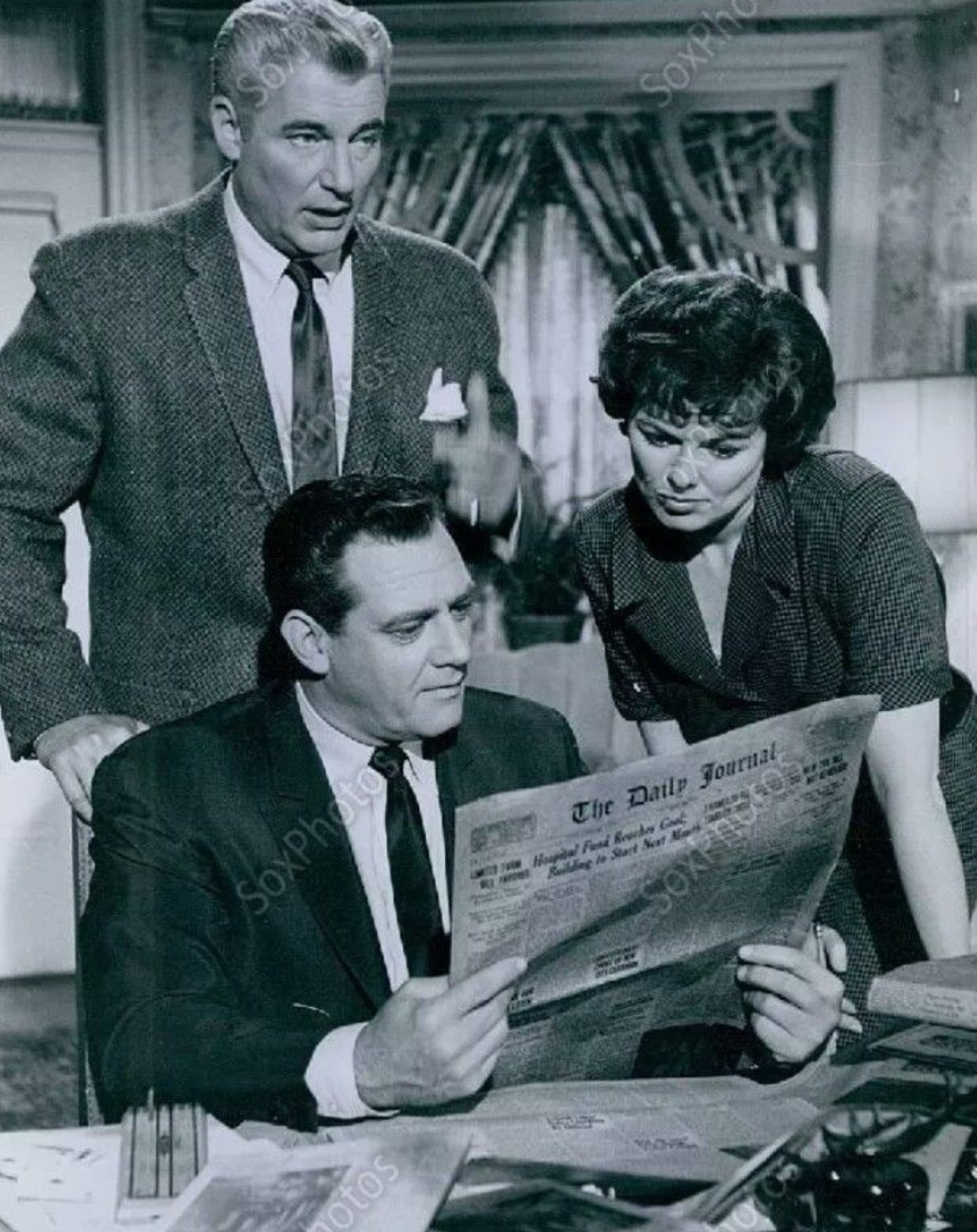
Perry’s secretary/legal assistant, Della, is a smart, single woman who is always at Perry’s side. She sits in his office while they work, is there when he meets with clients or with his private investigator, Paul Drake. Della also goes to clients’ homes and attends special events or dinner appointments with Perry.

Della is portrayed as very intelligent and capable, but almost every other woman in every episode fits the “dumb blonde” profile. They appear very naive or lacking in intelligence. They are highly emotional and unable to cope with the slightest bit of stress.

Paul Drake Standing, Perry Mason at Desk as Della looks over Perry’s shoulder

Paul Drake is a private investigator that does work on every case Perry handles. Paul is always available at a moment’s notice. The same goes for Della. It appears neither Paul nor Della has a private life. Their entire existence revolves around Perry’s business needs.

It is a good show that I enjoy watching. The outcome is very predictable.

Mannix (1967-1975)

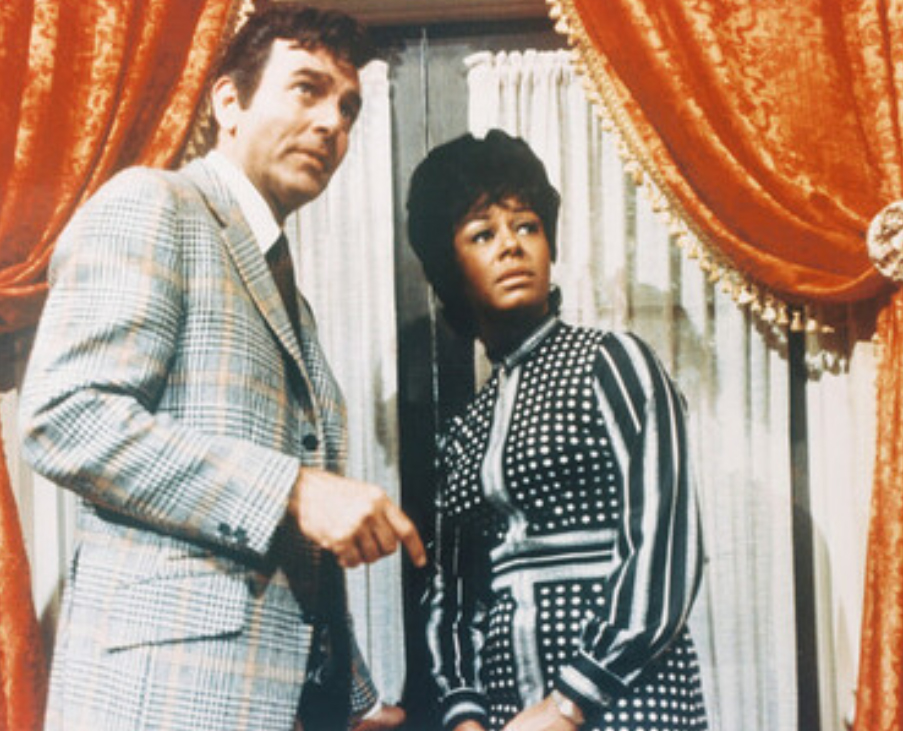
Mannix is a Los Angeles private detective. He is good-looking, drives a convertible, and women in mini-skirts are always after him. He has an attractive secretary, Peggy. Peggy is the widow of a police officer and is raising a young son on her own.  

At a moment’s notice, Peggy is always able to find a babysitter so she can work late, work weekends, stay with female clients overnight, and more.

Throughout every episode, Mannix will get into at least one fistfight, get shot at, and have his car run off the road. Remarkably he never gets a black eye but does sometimes suffer injuries. His car is always repaired quickly. The “bad guys” frequently show up at the office, putting Peggy in dangerous situations as well.

This is a fun one for finding errors where writers and producers didn’t check their facts. For example, in one episode Mannix was preventing a plane from leaving the ground. The pilot was knocked unconscious but still in the pilot’s seat. Mannix is standing by the pilot’s seat, leans over and pulls up the yoke, and turns it to the left. The plane turns to the left and stops. This would never have happened in real life.

Joe Mannix and secretary Peggy

Pulling back on the yoke in an airplane causes the plane to climb in altitude or lift off the ground if there is enough speed. Turning the yoke causes the plane to bank in flight, but does nothing on the ground.

When on the ground you turn the plane using the foot pedals, and you stop the plane by pushing the top of both foot pedals forward simultaneously. How do I know? I live with a pilot!

By the time we reached the 1970s, women in TV shows were being portrayed as intelligent and emotionally stable.  

Barney Miller (1975-1982)

This is a comedy set in a New York City police station in Greenwich Village. The goofy situations the detectives deal with are so off-the-wall that you have to assume they represent real police incidents. The show’s characters are an ethical mixture of good-hearted, comical professionals who manage to get the job done.

Captain Barney Miller is in charge of the precinct. He is level-headed and serious about getting the job done, despite having a bunch of partially inept people working for him.

 “Wojo” is short for Wojciehowicz. True to the era’s habit of joking about Polish intelligence, Wojo is well-meaning, physically attractive to ladies, but lacking in intelligence. Although successful in getting the bad guys, he always manages to bumble something.

Harris is a good-looking, fashion-conscious, cultured black man who is aspiring to become a successful writer. He is always placing notes about incidents at the station into a mini-cassette recorder for use in his writing. Harris is the classy type who can fix you a perfect cup of tea and take you to the symphony.

Yemana is Japanese, introverted, and always reading and trying to avoid work. One of his “duties” is to make the coffee at the precinct, and it is horrible. He never makes a decent pot, yet everyone continues drinking it. He is also responsible for the filing, but no one can ever find anything he files.

Dietrich is a curly-haired blonde, brainy, and always able to fill everyone in on any subject they are discussing. He is the type of person you picture as a kid reading encyclopedias and enjoying homework.

Fish is on the edge of retirement and has a condition that always has him running to the bathroom. Married for years to Bernice, he constantly makes subtle complaints about her or marriage. Bernice always calls him at work for some goofy reason.

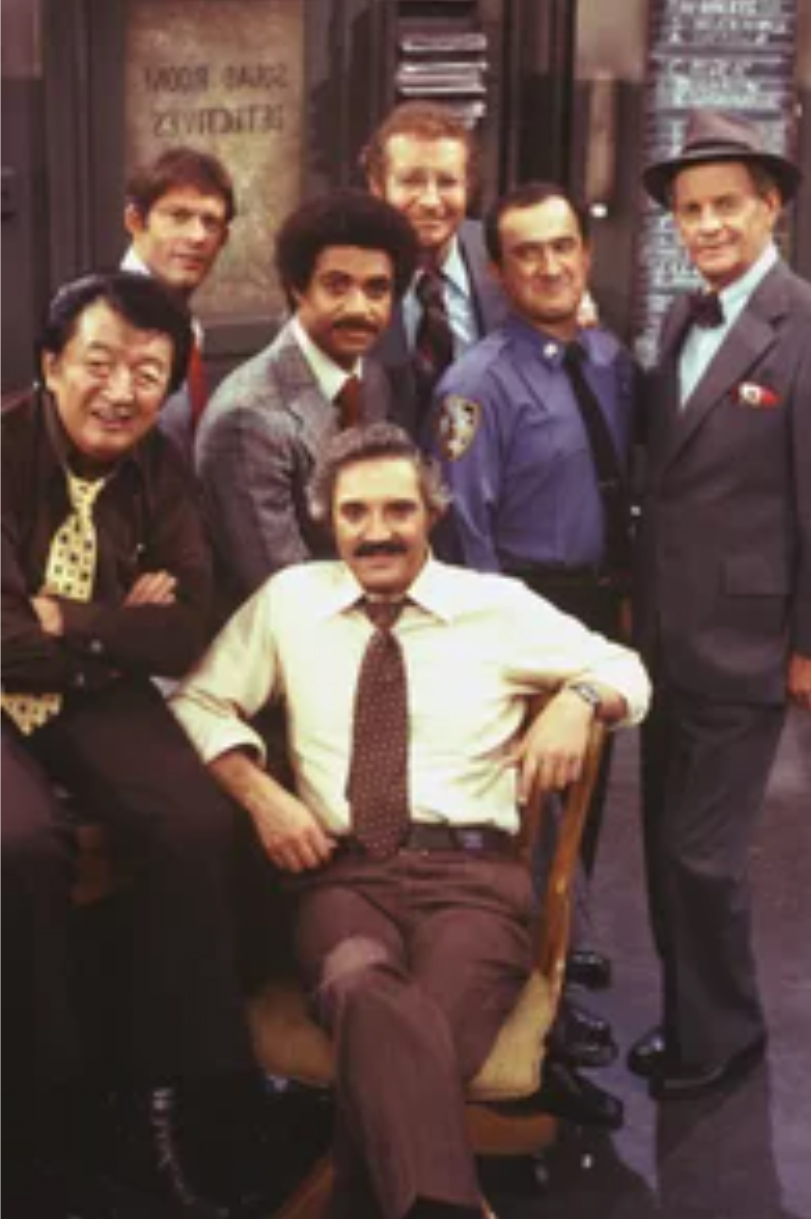
The cast of Barney Miller – Barney seated, from left to right Yemana, Wojo, Harris, Dietrich, Levitt, and Frank Lugar

Inspector Frank Luger is constantly stopping in, trying to catch the precinct doing something they shouldn’t. He is both annoying and likable at the same time.

Last but not least is Officer Carl Levitt. Levitt is still in uniform and delivers the mail daily. He wants to move into Barney’s department and become a detective. Levitt is constantly pointing out his achievements, no matter how small. He is also very sensitive about being shorter than the others and tries to stress when his shorter stature is beneficial.

I recently watched the final episode of the series from 1982. Although not a longtime watcher, it was a sad moment when everyone had to leave the precinct for the last time and go their own way.

What oldie TV shows do you enjoy watching?  
What are your observations when you go back and view old shows today?

Leave a comment

Filed under Discoveries, freindship, habit, impressions, Uncategorized