Imagine back to when you were in the 8th grade, about 14 years old. You must make a decision that impacts the balance of your time in school. You can take a vocational program, which you attend to grade 12, or a university prep program, which you attend to grade 13.
Once you make your decision, you cannot change to the other program. Now, consider being that 8th grade boy and before you make that decision your school principal informs you that you aren’t “smart enough” for college, so you better go vocational.
That is the way school in Owen Sound, Ontario, Canada was in the mid-late 1950s when Paul Cannon attended. He followed the advice of his principal. The question is, after hearing the principal’s assessment of his abilities, what did Paul do with his life?
The Teen Years
Paul was not afraid of water, and unbeknownst to his mother he and his friends would climb Inglis Falls in the summer. This was the largest of the four waterfalls in town and has a 59-foot cascade. I’ve seen in the fall with a slow flow of water. It is huge!
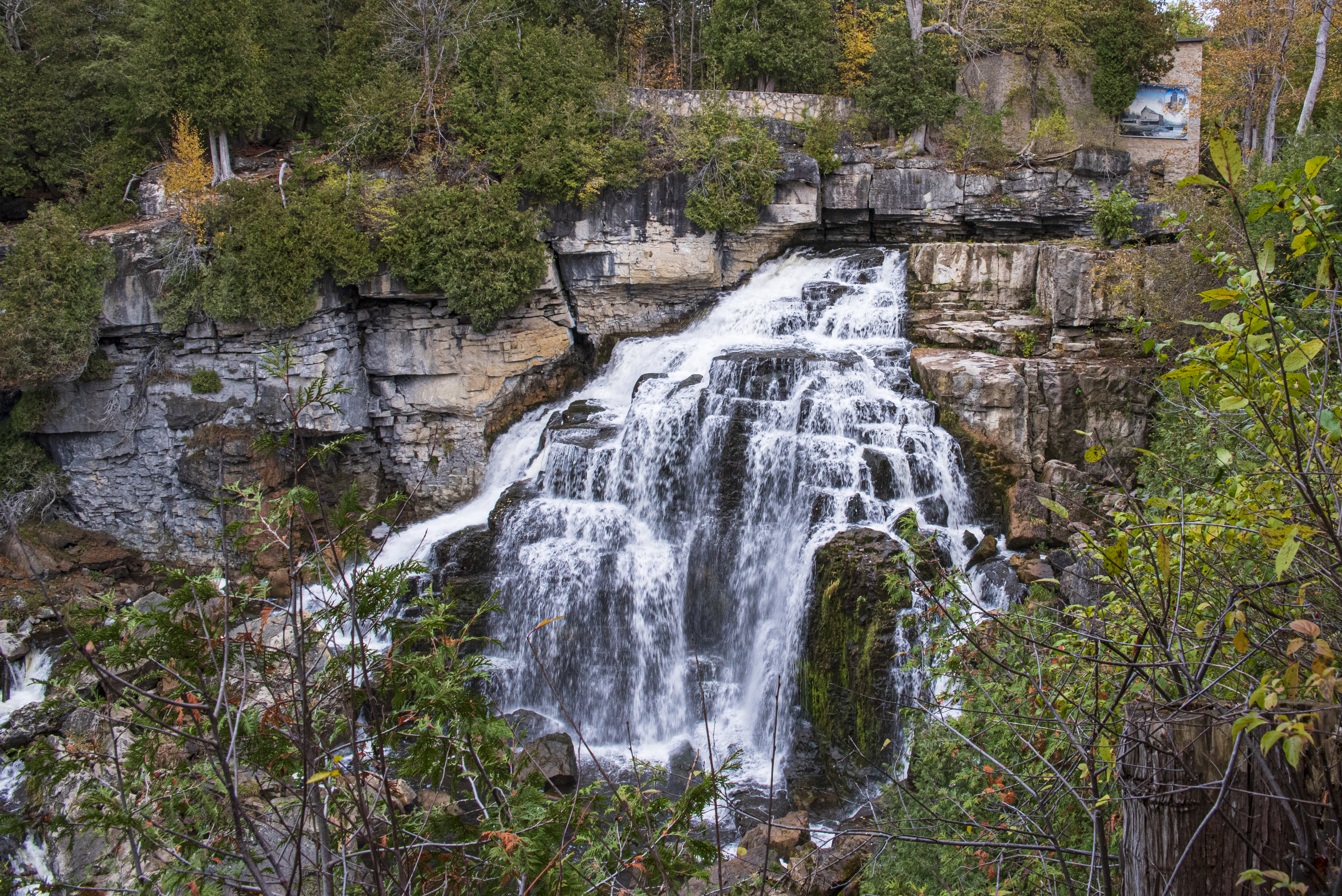
Photo by Grace Grogan
When Paul was about 14-15 years old he became certified as both a swim instructor and a lifeguard. He worked as a lifeguard at the community pool and taught swimming to adults and children both there and at the YMCA.
Paul was interested in science and technology, and around age 16 he and three friends learned about an Army surplus store in Toronto selling non-working ham radios for parts. The store had ten radios, and they purchased them all. The intent was to build two or three operating ham radios from the parts, and they did!
Paul and his friends had fun communicating on the radios for about a year. None of the teens had taken the required test to become licensed ham radio operators so were broadcasting illegally. An officer tracked them down and removed the tubes, rendering the radios inoperable. Years later as an adult Paul took the test and became a licensed ham operator.
Paul always had an interest in aviation and was a cadet in the Civil Air Patrol (CAP) in Canada growing up. The group’s intent was to introduce 12-19 year old students to flight. As a CAP cadet, Paul received education regarding citizenship, leadership, physical fitness and general aviation. In Canada today one out of every five pilots is an ex-air cadet and 67% of commercial airline pilots began as air cadets.
Bush Pilot
When Paul was 16-17 years old he got a summer job working for a bush pilot in a nearby town. That first summer Paul performed miscellaneous jobs and ran errands. When the summer ended the owner told Paul if he returned the following year the owner would teach Paul to fly.
Paul returned and became a bush pilot, flying a Beaver pontoon plane. Bush pilots fly in remote areas, and Paul’s job was to deliver supplies to cabins in the wilderness. You have probably seen this in movies where a plane lands on a body of water, docking near a cabin to leave supplies.
All pilots must learn how to read the weather, and because pontoon pilots land on water, they must also evaluate the water’s surface before touching down. Accommodations must be made for wind direction, the direction and speed of the current, and any obstacles that may affect their landing. Once on the water the pilot must follow all marine rules.
On one flight Paul was landing to leave supplies at a not-yet occupied cabin when the engine on his plane blew. Oil splattered the windshield and the plane stopped before he was near shore. Pontoon planes must carry a paddle for this type of situation. Paul shut down all systems on the plane, then climbed out to sit on one of the pontoons, straddling it like a horse. Paul then paddled his way to shore. If you think rowing a boat is difficult, try an airplane!
There was no radio communication, so Paul unloaded the supplies into the cabin and hunkered down for the night. His boss had expected him back before dark, so when Paul didn’t return the owner went out the next morning, flying Paul’s route. When he spotted Paul’s plane, he touched down so see what was going on. Paul already had the cowling off the plane, but neither Paul nor his boss had the tools or knowledge to repair the engine.
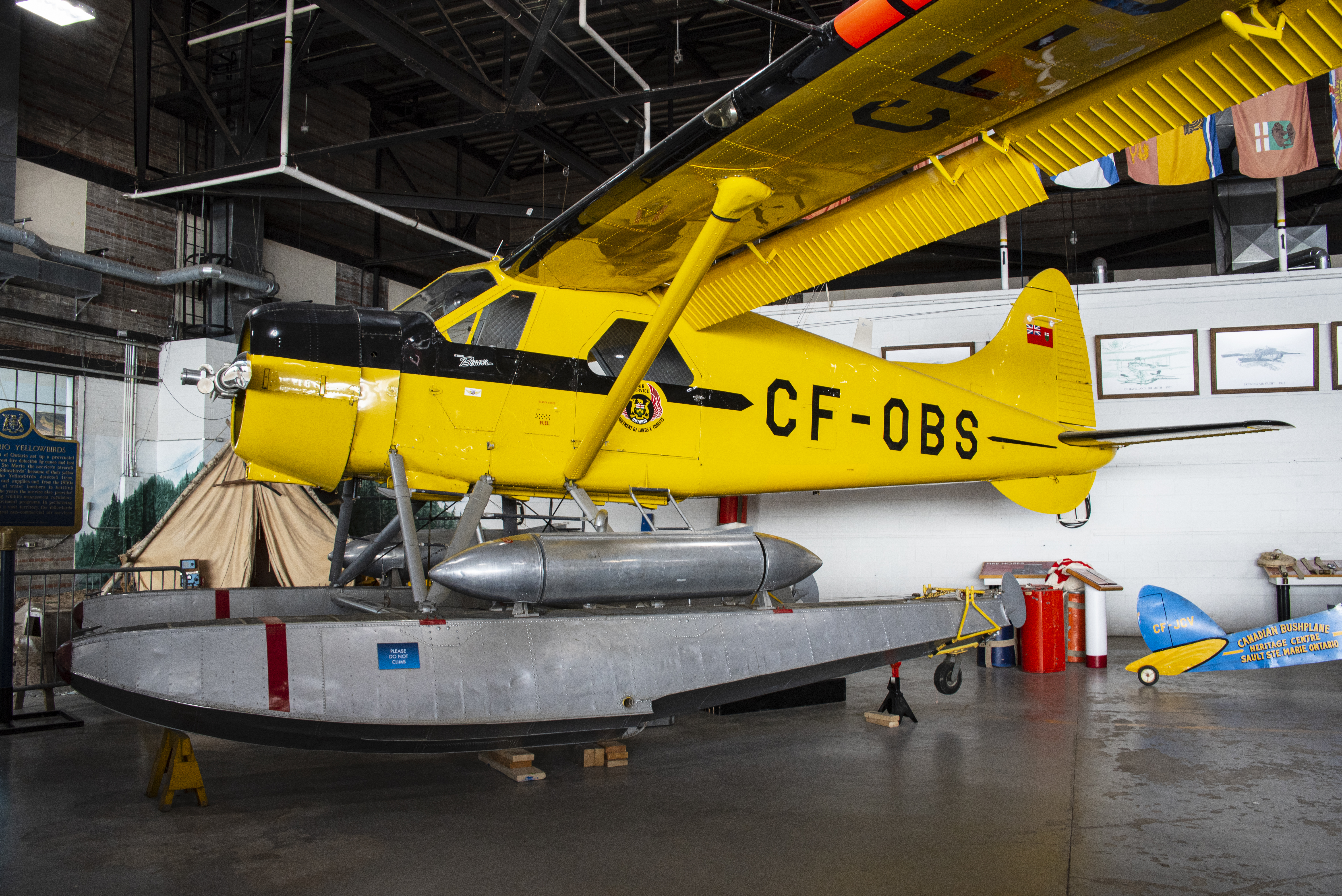
Photo by Grace Grogan
The owner said he would be back, and when he landed the second time he was accompanied by a mechanic and tools. The owner left Paul and the mechanic to work on the engine. The two spent another night at the cabin before repairs were complete. The plane Paul flew only had one seat, the pilot’s. Once the repairs were complete, the mechanic strapped himself onto the top of a cargo box in the plane and rode back with Paul.
Bush pilots are required to carry a bush pilot’s rifle because situations such as the one above or an unanticipated stop in the wilderness can put you in danger. If Paul was flying his route and saw severe weather ahead, he would land the plane and beach it. Using ropes he would tie the plane to trees to secure it during the storm. When performing these tasks, he always had to be on the lookout for bear.
Paul continued working as a bush pilot for a year after graduating high school, then left for Toronto to attend college.
Radio College
Radio College of Toronto, Ontario trained students in electronic engineering technology and had a focus on tubes and digital electronics. Electronics technology was the wave of the future in the early 1960s.
While Paul was attending college, he lived in a boarding house with 17 other men. They were housed two to a room, with no locks on the room doors. The home was run by a single woman who ran a tight ship. She made all beds every day and washed the sheets once a week.
Board included breakfast and dinner Monday thru Friday. Paul quickly learned that when sharing a table with a large group of men there were no second helpings. You better get a sufficient amount the first time a dish went around the table. Lunch and weekends boarders were on their own for meals, but could use the kitchen and food she had as long as they cleaned up afterwards. This was a very different type of living than Paul had growing up as an only child.
One evening Paul and his roommate heard a knock on their door, which immediately flew open and in rushed the landlady. She didn’t say anything but hurried over and threw open the window, reached into her pocket to grab a pair of scissors and reached out. The next thing Paul heard was glass breaking on the sidewalk below. Apparently one of the borders owed the landlady money, and she suspected he might try to slip out. By cutting the string to the bundle of belongings the border was lowering from his third-story window, the landlady made it clear she knew what he was up to. No one knows if she collected the money owed her or just enjoyed a bit of revenge.
Paul rode the streetcar to and from college, and sometimes hitch hiked his way back to Owen Sound on weekends to visit his parents. If living in a boarding house and using public transportation bus wasn’t enough of a challenge, Paul was doing this on crutches. Paul played B-Team Hockey and did competition ski jumping. Unfortunately, he landed a jump wrong, breaking his ankle.
Paul quickly learned that in a time of need, crutches make a great weapon. One day Paul got off the streetcar and some guy, thinking he had one-up on Paul, knocked Paul’s books out of his hands. Paul may have been a bit disabled, but not unarmed. He swung one of his crutches around and clobbered the guy. A police officer saw the exchange, came over to pick up Paul’s books and make sure he was okay. When Paul left the scene his attacker was in the back of a police vehicle.
Using city transportation when dating was something Paul learned could be difficult. On one date Paul took a girl out, then escorted her home, staying to visit until about midnight. Big mistake! When he got to the bus stop he had missed the last bus in that area, so he walked down to the next line, just in time to miss the last subway of the night. He ended up walking all night to get back to the boarding house. Thank goodness it happened on a Friday night, and he was able to sleep when he arrived there the next morning.
Work and Electronics
After graduating from Radio College, Paul took a position installing and repairing x-ray machines throughout Canada. This took him into every Canadian province, a position that nurtured his love of travel and photography. His goal was to emigrate into the United States, work his way west and eventually end up in Australia. He didn’t make it past Michigan.
Immigration into the United States took about a year. Paul needed to find a job that would hold the position for six months while he completed the immigration process. He was about 23 when he got his first job in Michigan doing the same thing as in Canada. Paul was living the bachelor’s life, driving a convertible and working in hospitals throughout the tri-state area of Michigan, Ohio, and Indiana, where there was plenty of female staff to date.
Many people do not realize that immigrants must register for the draft six months after they become permanent U.S. residents. Paul registered during the Vietnam era and knew how to fly the same type of plane being used in the war. Each year he was obligated to check in at the military office, and each time he met new criteria for a waiver so was never drafted.
Career Change
Paul was talking with an electrician and learned they made more money than Paul was in the electronics field. Paul purchased code books and studied to become an electrician. Though not licensed, he got a job working for Morgan Electric. When a client requested a special electrical job, Paul volunteered for the assignment. The client was impressed with Paul’s work and offered him a job working for their company.
Paul made the job change. Always looking to advance, Paul later applied and got a job in skilled trades as an electrician at the Ford River Rouge plant. Unfortunately the plant did layoffs before Paul had 90 days in.
Needing work and the economy being bad, Paul took a job working on an ambulance. It was on-the-job training, they were not paramedics. The crew would perform basic first aid and transport patients to hospitals. This was during the 1967 Detroit riots and runs were often into dangerous areas. It wasn’t all bad though.
One run was to Governor Romney’s home. The governor’s wife had fallen and injured herself, requiring an ambulance transport. Paul also delivered two babies during his time on the ambulance. One laboring woman looked at him and said, “it’s my first” and he responded, “mine too.”
When Paul’s father notified him Pittsburgh Glass Works was opening a plant in Owen Sound and needed skilled trades workers, Paul applied and was the first electrician hired. He moved back to Owen Sound and lived there for two years. The glass plant job gave him experience in trouble shooting factory machinery, which would pay off later.
When the economy improved Paul moved back to Michigan and took a position at Allied Chemical in Mount Clemens. An electrical inspector saw his work and volunteered to sponsor Paul for taking his journeyman’s test. You cannot take this test until you have verification of 10 years of experience working as an electrician and a sponsor. Paul passed the test and immediately began studying for his master’s license.
You must work as a journeyman for a minimum of two years before taking your master’s exam. When Paul reached the qualification period he took the test and became a master electrician. Paul then started his own electrical contracting business, Trojan Electric. This electrical contract work was in addition to his full-time employment. His business was lucrative enough to necessitate employing a work crew.
While working at Allied Chemical in Mt. Clemens, Paul saw an ad for skilled trades at the Ford Motor Company Paint Plant. Paul applied and went into Ford as a re-hire. He remained at Ford as an electrician in skilled trades for the balance of his working life, retiring out of the Ford Utica Trim plant.
Back to Flying
After Paul immigrated into the United States, he checked into getting his pilot’s license. The bush pilot Paul worked for never had him keep a pilot’s logbook, so there was no record of his time in the air. Paul had to start over. Lessons were easy because he knew how to fly, he just had to master landing on solid ground.
Pilots must learn navigation and weather patterns, plus cloud types and cloud levels for flight. Paul can look down the road when driving and recognize rain that is coming down but not reaching the ground. He can also see it ahead and predict the time the vehicle will drive into it. Navigational training allows him to know the direction he is driving based on the sun.
Paul purchased his own plane, a Cessna 177 RG (RG means retractable gear) and served as an adult member on the Civil Air Patrol (CAP). The Civil Air Patrol is an Auxiliary of the U.S. Air Force that was founded in 1941 to mobilize civilian aviation resources for the national defense.
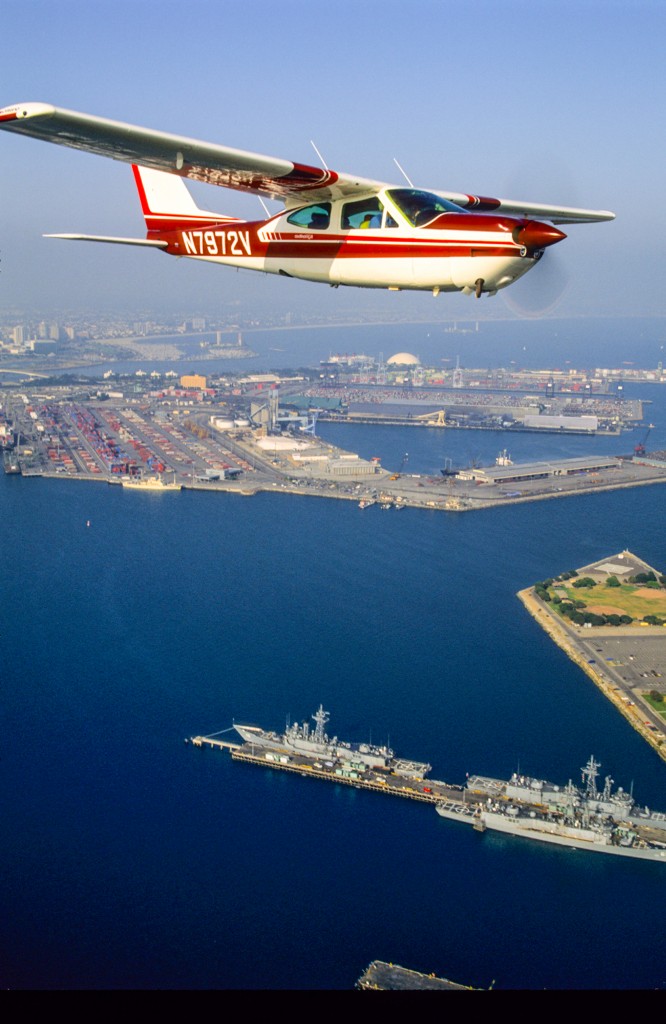
Photo obtained off Internet
Paul underwent training in CAP to fly both counter drug operations and search and rescue. He enjoyed his time working on missions, which often ran one to two weeks at a time. He also volunteered his time working with CAP cadets, taking them up in his plane for a ride or assisting at special cadet outings. The CAP has the same officer ranks as the Air Force, and by the time Paul retired from service he had achieved the rank of Major.
Paul’s love of aeronautics led him to volunteer his time at the air show held each year in Oshkosh, Wisconsin. He worked in the sound center manning the sound control for the music and announcers during the air show. This required balancing the voice and music, plus timing the music for the air acrobatics of the plane.
Paul learned to be prepared for the unexpected. A woman was narrating her husband’s performance when his plane crashed. Her reaction was a blood-curdling scream into the microphone. Paul immediately cut the sound.
Paul enjoyed his time at the air show, meeting celebrities and working with pilots to time their music to their performance. It was a week of both work and fun, affording him full access to the air show grounds.
In His Free Time
When Paul was ready to move out of the city, he purchased five acres of property in St. Clair, Michigan and built a home. Paul was the contractor for the job. He ran all electrical wiring in the home and finished the interior. This included building the staircase leading to the second floor and installing all kitchen cabinets and countertops. He did this while working full-time at Ford Motor Company and running Trojan Electric.
In addition to volunteering his time with CAP, Paul participated in a computer club and remains a member of the Blue Water Shutterbugs Camera Club. Paul served as treasurer in both clubs. His photographs are sold on Alamy and Fine Art America, and for several years he sold them in fine art shows. Paul spent several years teaching photography, originally in a classroom setting, then one-on-one. He customized lessons to fit his student’s needs, including how to operate a camera, how to take better photographs, and how to process photos in Photoshop.
Paul Cannon now lives and travels throughout the United States and Canada in a 35-foot motorhome, towing a Jeep Rubicon. I am lucky to be living and traveling with him on his latest adventures. We enjoy visiting new places and navigating off-road trails. We produce videos of our adventures and share them on our YouTube Channel, Rolling Thru North America, Travel With US!
Not Smart Enough?
Can you imagine if Paul had only been “smart enough” for college what he might have done with his life? Maybe it is a good thing he did not attend a 4-year college. Paul may have not been ‘smart enough” in his principal’s eyes, but what he has accomplished in his 78 years of life has been diverse and interesting.
Writer’s Note: This was originally written entirely from memory based on information I garnered from Paul over the past six years. After publication Paul read the above and advised me of some minor corrections needing to be made. Those changes have been made and the writing is now accurate.






 --- LIFE IS A MELTING POT --- Grace Grogan...Writer, Photographer