
I recently visited the Real Bodies special exhibit by Hurley Medical Center at the Sloan Museum in Flint, Michigan. The sign said no professional photography, which means personal use only. I started through the exhibit, and after taking a few pictures, a worker told me no professional photos. I responded no problem, personal use only. She then said I couldn’t use my DSLR camera, only my cell phone. Their position was that my Nikon D750 camera designated the photos as professional, and I couldn’t use it. When I told them that is discriminatory because I use that camera for personal photography, I was told that is their policy.
What is wrong with this? The photographer’s knowledge of photography combined with the way the photographs are being used designates them as professional images. The type of camera is, to a certain degree, irrelevant.
To achieve professional quality, you must understand the basics of composition, depth of field, clarity, and lighting. You can achieve professional-quality images by utilizing all your cell phone camera features. You can also produce low-quality photos with a high-end DSLR if you don’t understand how to use your camera and the rules of photography.

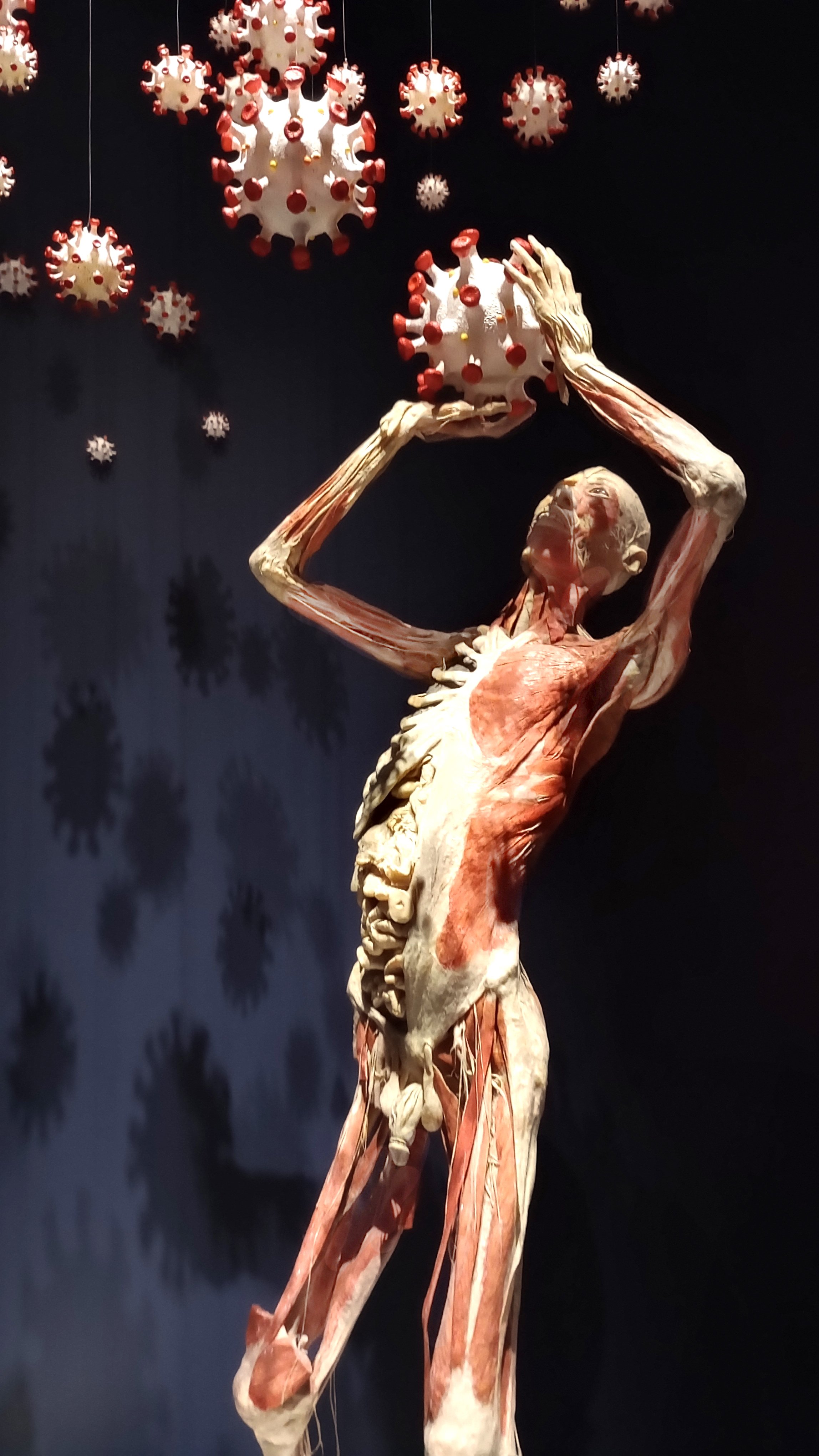
The photo on the left is a before shot taken with my cell phone using the standard default camera settings inside the Real Bodies exhibit at Sloan Museum. The photo on the right is after editing in Photoshop to lighten the heavy shadows caused by exhibit lighting.
The problem I ran into at the Sloan Museum is one I have encountered elsewhere, as have other DSLR camera users. I planned to tour the Van Hoosen Farm Museum in Rochester, Michigan. The sign said admission was $5.00, but the clerk told me it would be $50 to enter. When I pointed out the $5.00 entry fee, she told me I had to pay a $50 professional fee because I was carrying a professional camera—I had my DSLR. I have used SLR cameras since the early 1980s and did no professional shooting at that time. The girl told me to pay $50, or I wouldn’t get in. I walked out the door.
There is one place in Michigan that got it right. There was no camera discrimination when attending the Blue Water Sandfest in Port Huron. This organization understands professional photography; they posted notices that if you plan to use any photographs professionally, you must have written permission and follow their publication guidelines. This company understands the photographer, and their usage of the images makes it professional photography, not the camera style.
So how do you determine who is a professional photographer? Having a good camera is not the determining factor. Most professional photographers use a DSLR around clients because people think the camera makes a person a professional. However, in a recent survey by Suite48Analytics, 13% of professional photographers say they take at least 50% of their work-related photographs using a smartphone, 24% use it to take less than half of all professional pictures, and 31% use their cell phones more for professional photography than in prior years. The only limitation a modern cell phone has is resolution. If printing the photographs in a large format, a cell phone isn’t going to meet quality standards. Cell phone quality is sufficient if images are only for online or small format use.


The before photo on the left was taken with my cell phone using standard default camera settings inside the Real Bodies exhibit in the Sloan Museum. To achieve the photo on the right, I edited the picture in Photoshop to lighten the shaded areas created by the exhibit lighting.
So what determines whether a person is a professional photographer? It depends on what standards you use. The most common determining factor is whether the person earns between 50% to 100% of their income from photography. In other words, to be a professional, photography is your full-time career. By that definition, I am not a professional photographer.
Another manner of determining whether or not a person is a professional is whether or not they have accomplished at least one of the following:
- Has given a photography presentation
- Has received recognition in a national photography contest
- Has sold their photographs in an art show or art studio
- Has a website displaying photographs for sale
- Has organized or directed a photography field trip
- Has published photographs in newspapers, magazines, or books
I qualify as a professional if you use this second group of criteria. You may wonder why, if I qualify as a professional, the policy against using a DSLR camera bothers me. The reason is the policy discriminates against anyone using a good camera. The policy should be based on how the photo is used after creation.
The worker at the Real Bodies exhibit told me I can use my cell phone photographs in any manner I choose. I said, “So I can use them on Facebook, blogs, or other writings?” She said yes because they aren’t professional photographs.
Now a legal question comes to mind. Since I took “unprofessional” photos with my cell phone, can I use them to accompany a magazine or newspaper article? According to the worker, I can. I don’t think that is what Hurley Medical Center’s intent is, but that is the message being given because of inappropriate wording on their signage and poorly informed workers.
The problem is that Sloan Museum and Hurley Medical Center assume a professional photographer cannot get a quality image from a cell phone. A professional-quality photograph from a phone is easy when you adjust the camera settings. Sloan Museum/Hurley Medical Center, Van Hoosen Museum, and other places that want to prevent the professional use of photographs should display signage that photography is for personal use only and not for professional purposes. They could also state that for professional use, written permission is necessary.

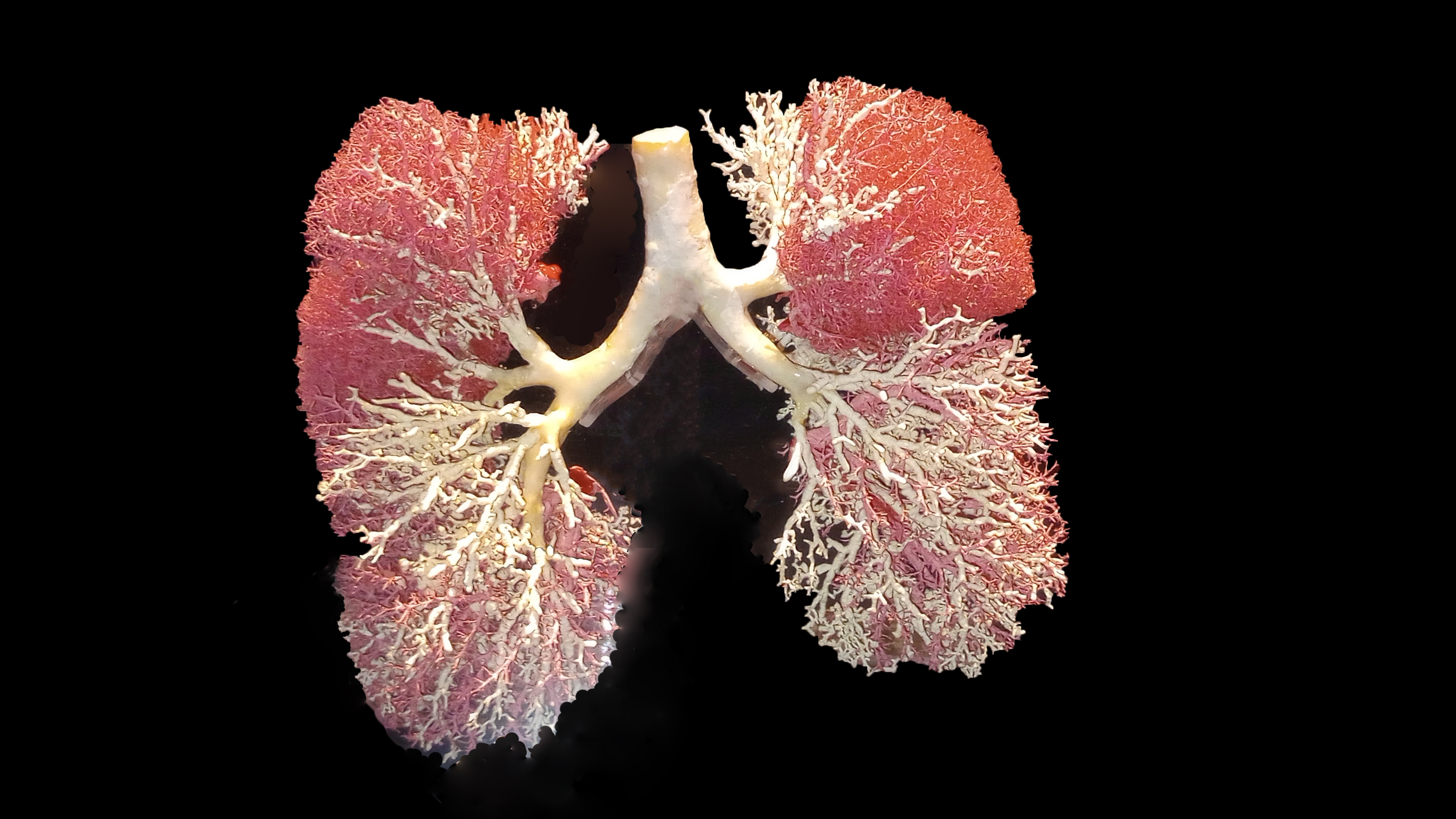
The above before and after photos were taken in the Real Bodies exhibit at Sloan Museum. The image on the left shows a distracting acrylic display case and reflections that detract from the subject of the photo. The image on the right is after editing in Photoshop to remove the reflection and case, allowing the subject of the photo to stand out.
What is a professional photograph? It is an image being used for business, marketing, available for sale, or used to accompany articles written for magazines, newspapers, etc. In other words, the photographer aims to generate profit with the photo.
The bottom line is that businesses must understand the difference between camera style and professional usage. A lack of understanding may lead to people using images in an unintended manner.
Those hiring a professional photographer need to understand the difference between a person with an expensive-looking camera shooting in automatic/jpeg format and a professional. Professionals know how to produce an image that stands out and process it using Lightroom, Photoshop, or another pro-level image editing system to tweak it into the best photograph possible.
If you want to take good photographs, learn the basics of composition, lighting, depth of field, and exposure, plus how to use your camera to achieve the desired results. Purchasing an expensive camera will not help you take better pictures. If you buy a DSLR and leave it in the “auto” setting, you might as well use an inexpensive point-and-shoot or cell phone. If you invest in a DSLR, learn to shoot manually, preferably in raw, and edit in Photoshop for the best quality image.


 rejuvenated again. It is a battle of the brain, which way to go.


 I also decided that rather than have New Year’s Resolutions I am going to have monthly goals. I will re-set my goals each month, and they can be repeating goals or things that are new. What this does is provides short-term focus, mini accomplishments and the ability to re-evaluate the goals on a monthly basis to assist with motivation.

 --- LIFE IS A MELTING POT --- Grace Grogan...Writer, Photographer