Tag Archives: blogging

Running Out Of Time

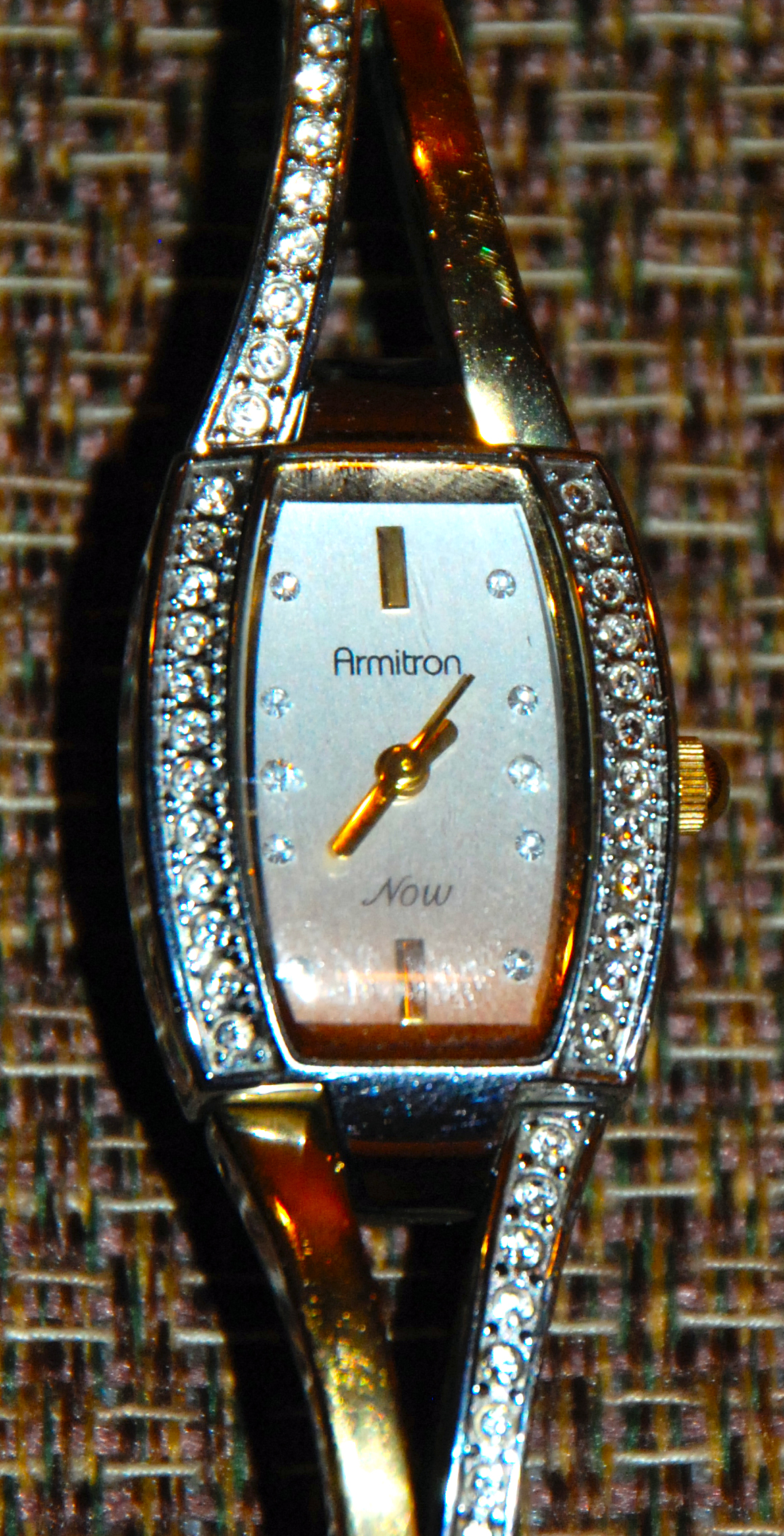
I realized it was time for me to post another blog and I had not prepared anything.  Where did the time go?  I ran out of time!  Those are phrases that are frequently heard from people everywhere.  It made me think, how is it in this time of modern technology that we are constantly running short on time.  Of all generations, we should have more free time available to us than our ancestors ever did.  Those are phrases I rarely heard people say when I was growing up in the 1960’s and 1970’s.  I really don’t remember them being said very often as little as 25-30 years ago when my children were young.
Image

Running Out of Time

One thing that has not changed is that we still have the same 24-hour time frame per day.  Going back in history people  had to endure more time consuming chores on a daily basis.  They had to care for livestock, cook on wood burning stoves, travel by horse-drawn carriage or on horseback, wash dishes by hand, sew and mend their own clothes, and although wardrobes were smaller then, washing was done on a washboard and hung out to dry.    When they arrived home from a destination they couldn’t simply hop out of the car and run into the home.  It didn’t matter what kind of weather they were traveling in, warm and sunny, pouring rain, or snow storm, they had to take their horses to the barn and groom, feed and water the animal before walking from barn to house.

Once inside the home they couldn’t pull frozen food from the freezer and throw it in the oven or microwave.  They had to prepare it from scratch, light a fire in the stove for cooking and/or in the fireplace for heat.  Once done eating they couldn’t just throw the dishes into the dishwasher, they had to be washed and dried by hand.  If it got late there were no electrical lights to flip on, kerosene lanterns had to be lit.  Once all this was done the women could relax by the fire to mend socks/clothing or other similar tasks while the men could possibly play a little music by hand for entertainment.  This was after a day spent laboring in fields with horse-drawn plows, harvesting crops, cooking, cleaning, or other such labor intensive tasks.

When I was growing up some women worked outside the home, some did not.  While there were more modern conveniences such as automatic washers and dryers, most homes had a wash line in the backyard for hanging clothes out to dry rather than using the automatic dryer.  The fresh scent of air dried clothing is wonderful.  By the 1970’s most families had two cars.  People socialized with all their neighbors on the block, women gathering during the day and couples/families in the evenings.  Many women purchased patterns and fabric to make home-sewn clothing for themselves and children.  The microwave was invented, people enjoyed the convenience of having a deep freeze in their home for food storage, and although the convenience of packaged food was available the majority of meals at home were prepared from scratch.  Children were sometimes involved in an extracurricular activity such as band, theater or sports, but for the most part children were home after school unless they were of an age where they might hold an after school job.  Families had a TV, but only one.  I don’t recall hearing our parents complain about a lack of time to get things done, life seemed more relaxed.

Now we have far more conveniences to make our lives easy, but at the same time we seem to have complicated our lives to the point where people are more stressed and complain about a lack of time.  Our children’s lives are scheduled with a multitude of extracurricular activities, both parents often work outside the home and there are many more single-parent families.  Grocery stores carry a wide variety of selections, in the summer farmers markets can be found in abundance, and yet people eat more fast-food, restaurant food, or frozen/processed food at home then in the past.  We drive vehicles that allow us to do quick-stop oil changes, automatic car washes and other maintenance that requires very little time.  We have microwaves, automatic dishwashers, washers and dryers, and permanent press wrinkle free clothing for easy maintenance, not to mention larger wardrobes than any of our ancestors ever did.  People still socialize, but not to the level that they did in the past.  We have numerous modern conveniences to free our time and yet we are constantly complaining that we are unable to get things done.  Why?

While we have many modern conveniences designed to save us time, we also have many that cause us to waste great amounts of time, easily several hours on a daily basis.  If you are stressed to get things done analyze how you are spending your time.  How much time do you spend in front of the TV?  Check the time you spend online surfing the web or on social networking sights.  Hours can easily be lost as the interaction with online friends is constant.  Even when out of the home many people now carry smart phones that allow them to constantly check their social networking sights, do email, and play games while out and about.  We are at the immediate beck and call of anyone who wants to reach us because of our cell phones.  Then there are the video and/or internet games.  You can become attached to one or many of those and also loose valuable time trying to achieve the next level or outscore your friends.

Something I haven’t done but could prove interesting would be to to keep track of time wasted sitting in front of the TV and time spent on the computer in non-productive activities such as social networking or game playing during a one week period.  My assumption is I would be shocked at the amount of time I spend participating in those activities.  That is a challenge to any of you who hear yourself constantly saying you have run out of time, have no time, and don’t know where the time went.  Log the time you spend per week on such time-wasting activities and see if you can find some additional time that can be regained into more productive tasks.

If you take part in my challenge to analyze your wasted time, I would love to have you come back to this blog and share your findings.  It will be interesting to see if my thoughts are correct.    I look forward to hearing from all of you in the near future.

9 Comments

Filed under Family, freindship, genealogy, Life is a Melting Pot, time, Uncategorized, Writing

EVERYONE LOVES A LETTER

I was thinking the other day about how everyone loves to receive a letter in the mail.  Not email, but good old fashioned brought by the postal worker in an envelope mail.  Society has become so technology based that the idea of sending someone written correspondence rather than an email is just not thought of or used very often, but it should be for the sheer pleasure it brings.

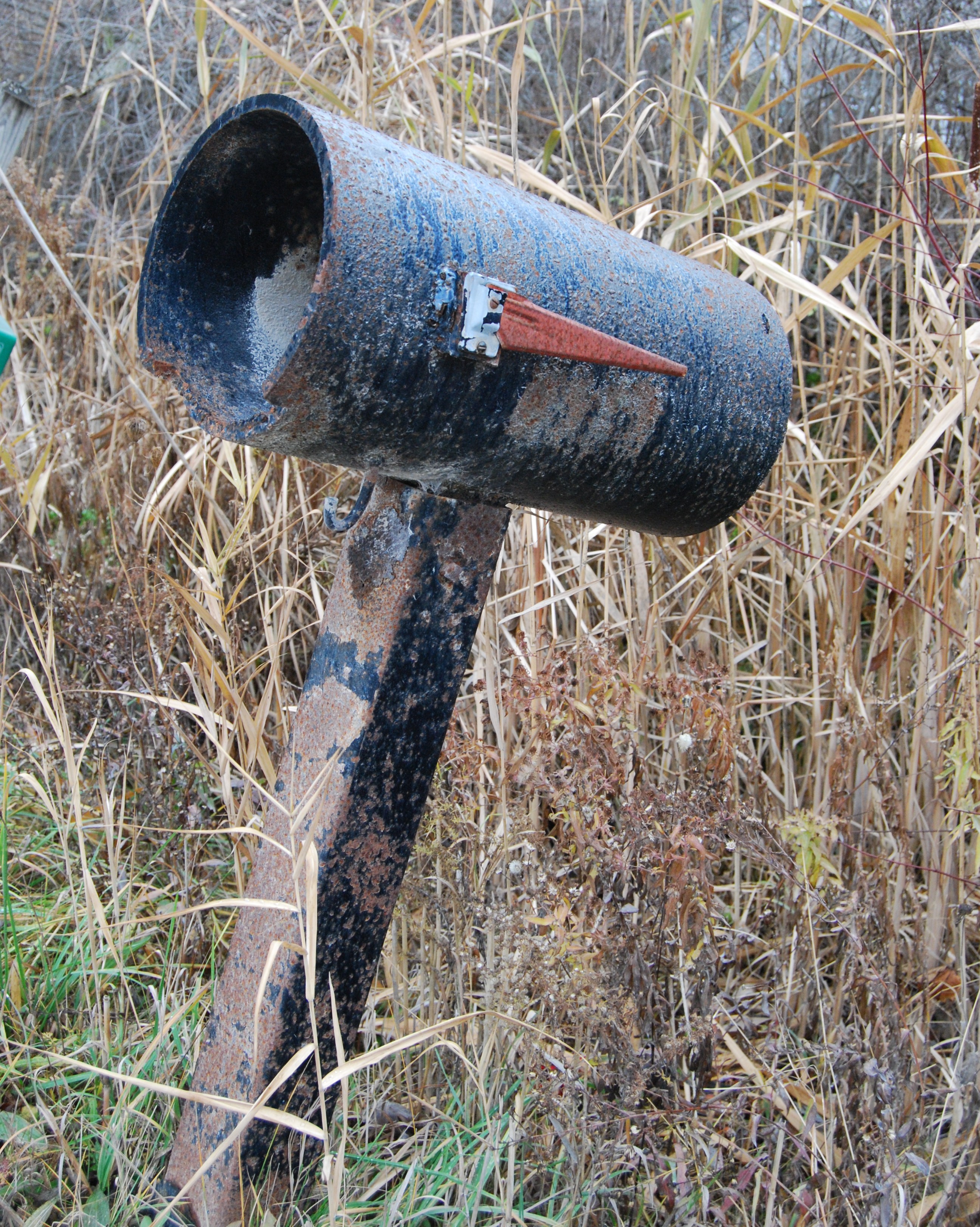
DSC_0015crop

Country Mailbox Photo by Grace Grogan

What do we love about birthdays and holidays?  The cards that we receive in the mail.  That old fashioned, someone took the time to get a card, sign it by hand, write out an envelope and mail it.  That personal touch means something more than an email or Facebook posting.  It means a person cared enough to put a little extra time and effort into sending their wish.  You don’t necessarily have to write it out by hand, but that does add an additional personal touch.  A letter or card that stands out from the stack of bills brings everyone a bit of pleasure.

Back when I was a child/teenager I had pen pals.  These were people of the same age as me that I had never met, but we had all contacted an organization looking for pen friends in other countries and were connected.  At one time I had several pen friends in countries around the world.  I am still in contact with one friend, Waana, who lives in New Zealand.  Unfortunately we don’t correspond by “snail mail” anymore and are connected on Facebook, but somewhere I have all the letters I ever received from her packed away.  It was a special friendship, a connection that could not be had elsewhere.

As I was writing this blog I did a search online and discovered International PenFriends, an organization that exists today for the purpose of joining people from different countries who will correspond by postal mail.  If you do a Google search for Pen Pal Organizations you will find several with different criteria including international, domestic, and even prisoners who desire pen pals.  You may wonder why one would want to write to a stranger, someone they have never met, when they have enough hustle and bustle in their world.   The reason is simple, writing to someone and sharing aspects of your life is rewarding.  Once you get into the habit you will likely find pleasure in sending out those letters, including photos and other trinkets that represent your life or the area where you live.  You will also get to experience the joy of opening up the mailbox and finding a letter from someone that is personal, a sharing of their life with you.

Handwritten letters are treasured.  Think of how exciting it is when you find letters or cards that were written by parents, grandparents or others who are now deceased.  You treasure those items.  Written personal correspondence takes you back to a time when things were more relaxed.  When that letter arrives you are not sitting in front of a computer screen with it one of many in your inbox, you are holding the envelope in hand, look at the stamp, if handwritten notice the stationary,  sit back in a chair and enjoy the pleasure of reading a letter written on a piece of paper.

Venture out into the world of writing to someone, even someone who is not likely to respond such as an elderly relative or someone suffering from disease or illness.  Your letters or cards will bring that person joy, give them hope and something to look forward to.  In giving to others you reap the rewards of satisfaction providing another person with the happiness.    If you receive a card or letter in return then you will know the pleasure such acts bring.  Enjoy!


2 Comments

Filed under Family, friendship, Life is a Melting Pot, Uncategorized, Writing

WILD WEATHER PAST AND PRESENT

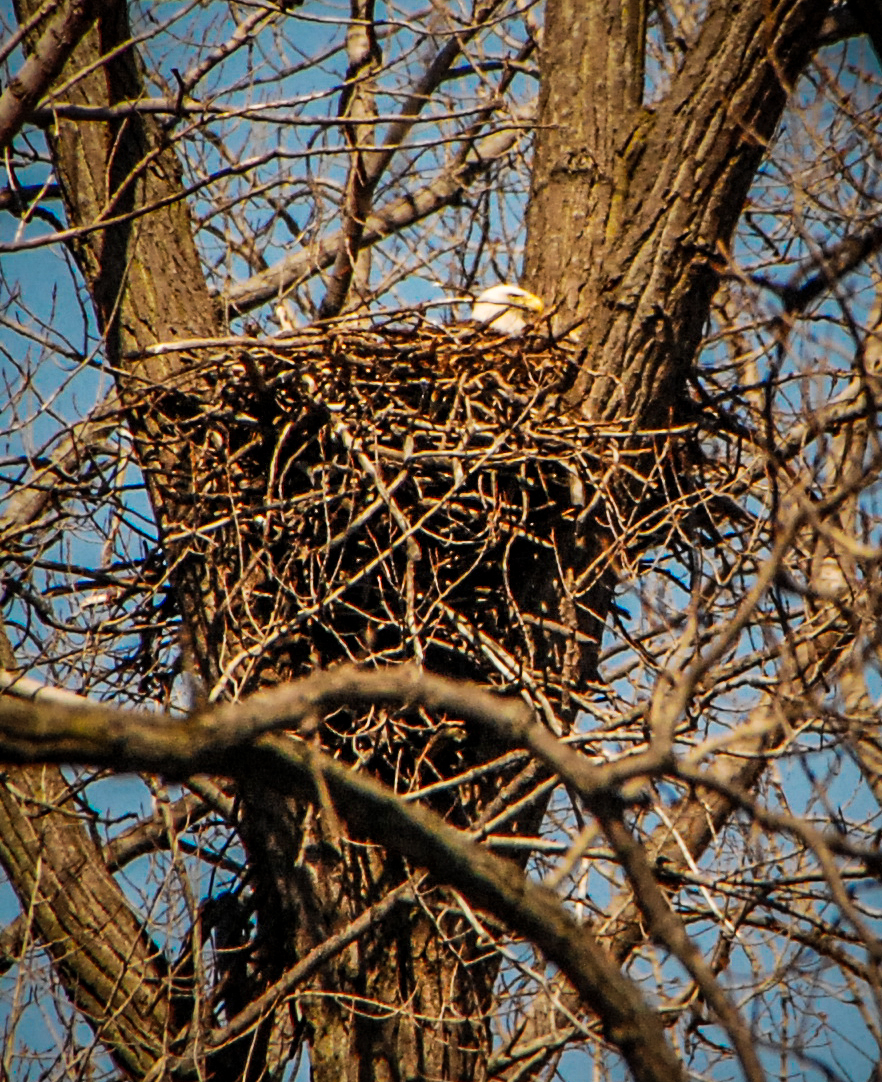
0441 Eagle in Nest-1

Bald Eagle, photo by Grace Grogan

Ice Jam, photo by Grace Grogan

Ice Jam, photo by Grace Grogan

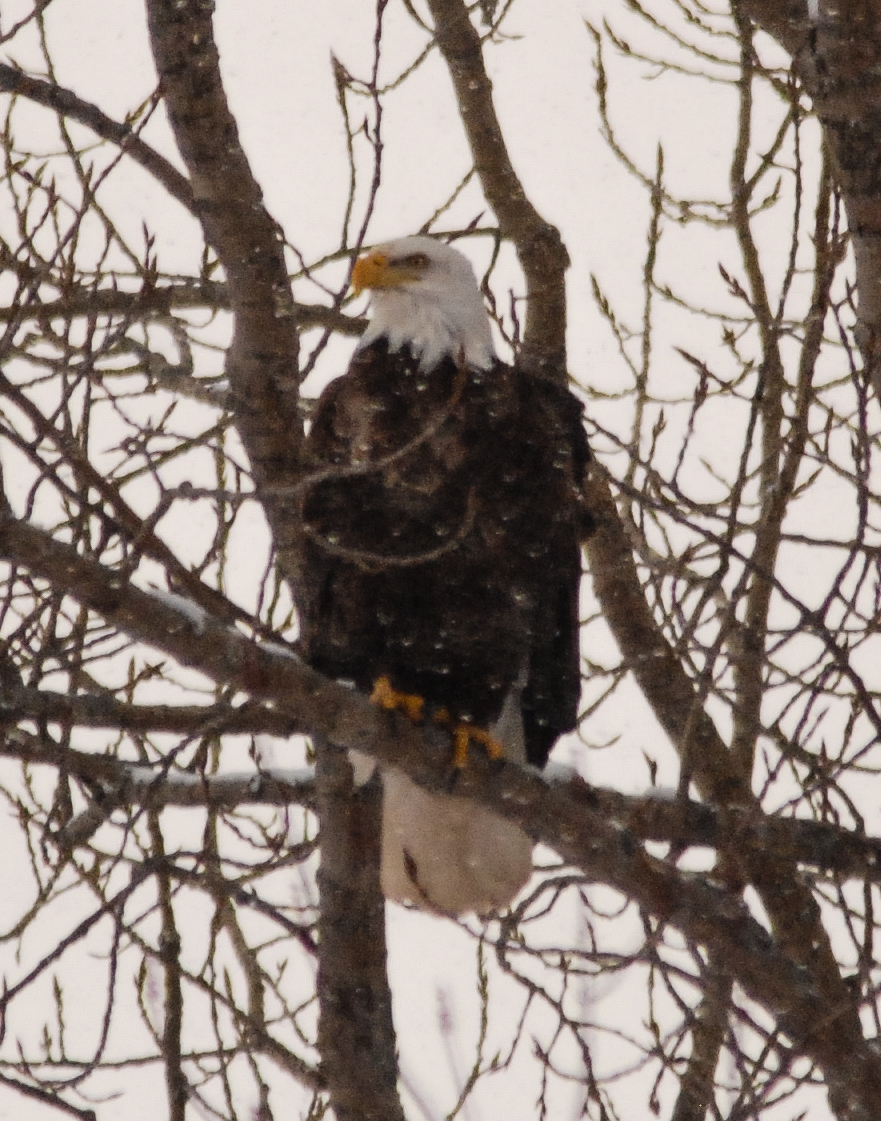
Bald Eagle, photo by Grace Grogan

Bald Eagle, photo by Grace Grogan


This past winter the United States experienced some wild weather, as have other parts of the world.  Here in the thumb of Michigan the ice coverage on the water resulted in a large number of eagles being seen on the river to the extent that they were written about in local newspapers.  The ice on the great lakes will help raise water tables that have been low for years while it has negatively affected the shipping industry as the ice cutters were unable to keep the shipping channels clear.  Bitter cold, snow and ice were encountered at unusual levels all across the country.

I recently watched a special on TV that dealt with the affects of global warming, the melting glaciers, and claimed this wild weather may be our new normal and may become worse.  Flooding, mud slides, earthquakes, hurricanes, could all progressively increase as the glaciers melt and our earth adjusts to the changes.  While I don’t discount scientific studies or the fact that industry and resulting pollution contribute to the changes, I also know that wild weather has been going on for centuries, prior to when modern industry existed.  Our ancestors encountered it without the modern means of communication to provide them with warnings or obtain assistance.  No telephones, automobiles,  or satellites, just the surprise of whatever happened and human determination to rebuild their lives after disaster.

It was April 12, 1934 when the weather observatory in Mount Washington, New Hampshire recorded a wind speed of 231 mph, but it was all the way back on January 22, 1885 when the temperature dropped to 50 degrees below zero at that same location.  Fifty below zero was also recorded in East Portal, Utah on January 5, 1913.  That was when the primary means of travel was horse and buggy and homes and homes were heated by fireplace or wood burning stoves.   Imagine traveling in an unheated carriage or having to go out and gather wood to heat your home in those temperatures.   Over the years bone-freezing temperatures have made their mark on history.    The coldest temperature in the 48 contiguous states was 70 below zero in Rogers Pass, Montana on January 20, 1954, but Prospect Creek, Alaska sets the record for the coldest temperature in the United States with 80 below zero on January 23, 1971.

Extreme temperatures on the positive side have also occurred in history.  It was way back on July 10, 1913 that Death Valley National Park was the world’s hottest place at 134 degrees.   It was surprising to learn that Fort Yukon, Alaska was 100 degrees on June 27, 1915.  There were several dates in the mid 1930’s that cities in the U.S. recorded temperatures at 118 degrees or higher, but it was way back on July 20, 1898 and August 10, 1898 that the towns of Prineville and Pendleton, Oregon reached 119 degrees.  As if that wasn’t hot enough on its own, that was before air conditioning or even electric fans.  Combined with the suits that men wore or the long sleeved, high-necked dresses with multiple layers of underclothing that women wore and you can only imagine how horribly uncomfortable it must have been for everyone.

Temperature certainly impacts our lives on a daily basis, but natural disasters have also occurred throughout history and at times when the modern warning systems, means of communicating a need for help or quick and easy transportation did not exist.   Imagine living in Johnstown, Pennsylvania in May 1889 and the fear, devastation and horrendous work of clean up after ten inches of rain fell in under 24 hours causing a dam to break.  Try to envision a 30-foot high wall of water traveling 40 mph  towards town and the residents unaware of what was bearing down on them.  That day more than 2,200 people were killed.  Just the need to get that many bodies buried before disease and the stench of decay set in would have been emotionally and physically exhausting.

If you ever visit Galveston, Texas you can tour the Moody Mansion, the only building left intact after a category 4 hurricane struck the island town on September 8, 1900.  With winds reaching 130 to 140 miles per hour and a storm surge of 15.7 feet hitting the island where elevation was only 8.7 feet, the hurricane destroyed 3,600 buildings and killed between 6,000 to 8,000 people, including 90 children from St. Mary’s Orphans Asylum.   Isaac’s Storm by Eric Larson brings the story of this attack by nature to life.

We watched what we considered to be unusual winter storm weather move across the United States this year.  In some ways history was repeating itself, but with our modern technology we were able to avoid the disastrous results such weather caused in the past.  It was March 11 and March 12, 1888 that 40-50″ of snow fell on Connecticut, Massachusetts, New Jersey and New York resulting in the death of over 400 people and causing 200 ships at sea to sink.   On  February 11, 1899 snow fell beginning in Florida all the way up the eastern seaboard, in one day dumping 20″ of snow in Washington DC and 34″ in New Jersey.    The book The Children’s Blizzard by David Laskin is a gripping tale of the blizzard that took place on January 12, 1888 in the Dakota Territory and Nebraska.   The storm came up fast and unexpectedly, dropping temperatures from above freezing to a 40 below windchill and leaving adults and school children stranded and lost, sometimes only a few feet from shelter.  A total of 235 people died in that storm.  Those who live in the Blue Water Area of Michigan are familiar with the Storm of 1913.  This blizzard, called a White Hurricane, took place on the great lakes November 7, 1913 sinking ships and killing many.

We now have exited winter and are approaching the season for tornadoes.  Hopefully history will not repeat itself with more natural disasters such as the May 7, 1840 tornado that hit Natchez, Mississippi killing 317 people.  There was no warning system of TV, radio, internet to warn those in its path.  There were 317 reported deaths from the tornado, but slaves were not counted and so the death toll was likely much higher.   St. Louis Missouri had a massive tornado rip through the downtown area on May 27, 1896 killing 255 people and injury about 1,000 others.  Over 8,800 buildings were damaged or destroyed.  St. Louis also experienced another massive hit on September 29, 1927 when a tornado tore apart more than 200 city blocks in a period of about four minutes.    The deadliest tornado in the United States took place on March 18, 1925 covering between 219 to 234 miles and leaving 695 dead and 2,027 injured.   This tornado traveled from southeastern Mississippi through the southern portion of Illinois and then into southwestern Indiana.  The tornado lasted for over three and a half hours with an average width of 3/4 of a mile and a speed of approximately 62 miles an hour and destroying approximately 15,000 homes that were in its path.

Looking back in history it is easy to determine that the wild weather of today may be of extreme proportions, but it is not new to this decade.  Massive storms have been happening for centuries and people have been enduring the hardships of destruction and recovery throughout history.   Wild weather can be found in the past, present and most likely will continue in the future.

2 Comments

Filed under birds, genealogy, Life is a Melting Pot, Uncategorized, Writing

DELIGHTFULLY DRAB

Here in Saint Clair County the weather has reached that delightfully drab level where the temperatures are of a moderate level, the snow has melted, the trees are bare of leaves and the grass is a lovely blah beige.   This past Sunday my husband and I went for a walk at the Lake Saint Clair Nature Center.  While the average walker will find no purpose in hauling a camera into such a lackluster location, photographers abound and are always on the lookout for something to capture.

Leaves and shells captured in ice on a pond.

Leaf and shells captured in ice on a pond.

When out for a stroll watch anyone with a camera, they will draw your attention to the small, unusual, and difficult to find items of beauty in nature where there appears to be nothing.  Moss on a tree, items floating in water, leaves curled on stumps, reflections in the water, or an unusual curve of a tree stump are all items that can be captured and enjoyed.    Look up, look down, look left, look right, and don’t forget to turn around and look behind you.  Just a few steps one way or the other can open up possibilities.

Red Wing Blackbird strolls down a twig floating on on the water.

Red Wing Blackbird strolls down a twig floating on on the water.

While strolling over a foot bridge I leaned over the rail and looked down.  That is where I found the leaves and shells trapped in a piece of ice that remained on the water.    The majority of people walking over the bridge that day likely missed what I saw because it required leaning over the rail.  Small treasures can be found in the most unusual places.

Watch for movement in the water.  Although I didn’t move fast enough to capture the muskrat swimming in the water on my camera he was there.  I could hear the frogs croaking away in the marsh but couldn’t find them.  A red wing blackbird was happily moving down a small twig floating in the water, and while it is likely he was searching for food the impression was that it was amazed by its own reflection in the water.  Being mating season male birds were also calling out and ruffling their feathers in display, attempting to attract females.  Birds were also easy among old weeds on the waters edge.  Walk quietly and enjoy the moment.

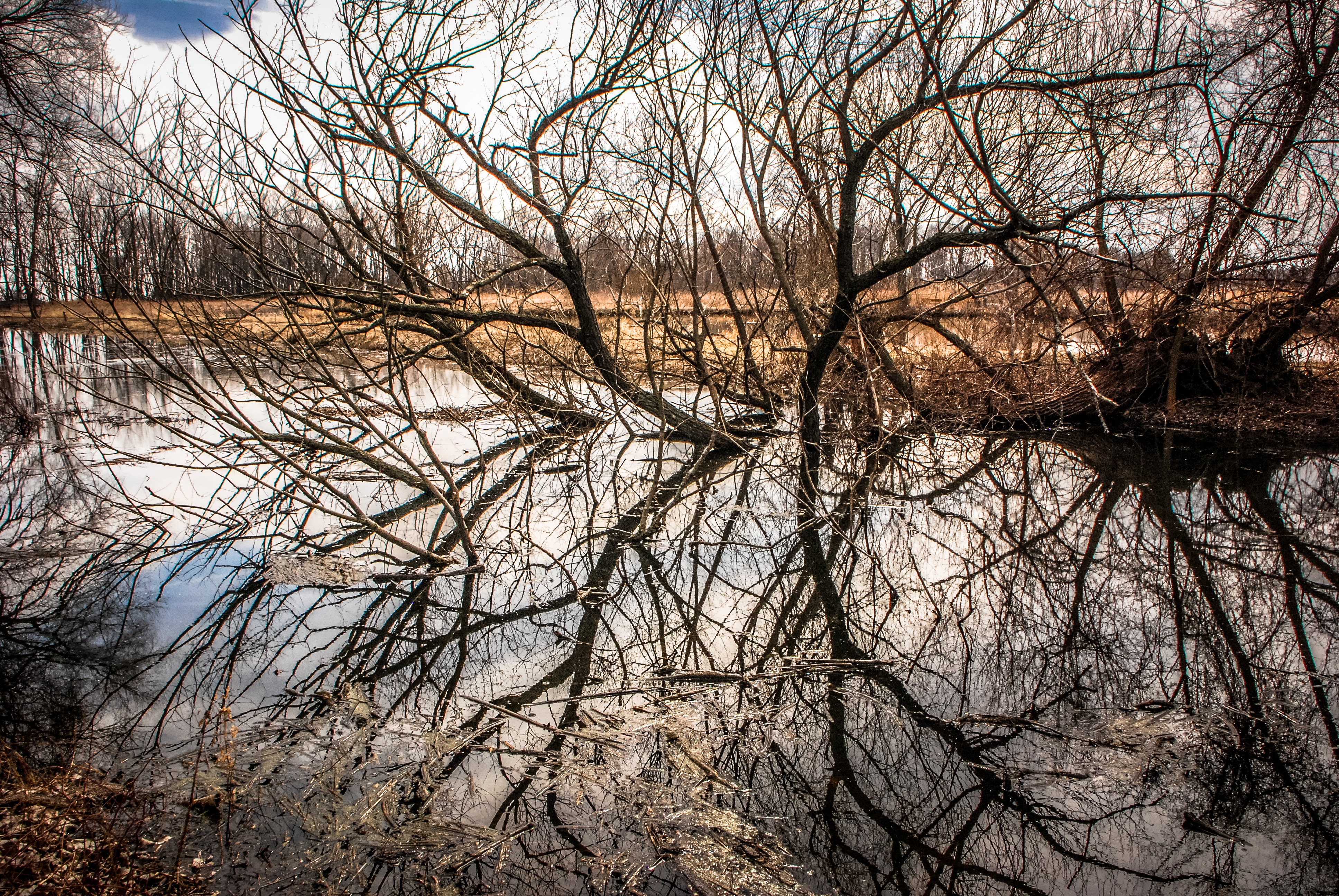
Reflections in Nature

Reflections in Nature

Although the bare trees do not appear to be attractive at first glance, don’t underestimate their appeal.  Look up and notice the unusual displays bare branches create against the sky.    Watch how they reflect in the water and the interesting angles those reflections create.  Beauty is found in unexpected places, you just have to look for it.

It is so easy to walk by beauty and never realize it is there.  Remember that even if if you have walked that path numerous times, changes happen in nature constantly and new things can be found daily, often within a few minutes or hours.

Ice Patterns

Ice Patterns

A frozen trail of water is melting, and as it does patterns form in the remaining ice.  Look at them, notice their unusual beauty, their uniqueness.  Enjoy what is there today for tomorrow the movements of nature may take it away, and you will have missed the moment.  Learn to walk with a photographers eye and you will catch the beauty of nature that can be found in the delightfully drab.


               I welcome your thoughts and comments on this and all previous posts

3 Comments

Filed under birds, Lake St. Clair, Life is a Melting Pot, nature center, Photography, spring, Uncategorized, Writing

EVOLUTION OF THE CLERICAL WORKER

Gregg Shorthand Used for taking dictation

Gregg Shorthand was used for taking dictation Click on the photo for a clearer view

One day this past week I was working at the computer and after juggling three phone calls in a row a client in our waiting area said “I wonder who had the first secretary.” It was an interesting thought. How far back does the use of office personnel go? While the answer to the question is interesting, the fun part of this was reminiscing about my own 35+ years in the clerical field and the changes that have occurred in that time.

Today the title of secretary is not commonly used. Administrative assistant, office manager, and executive assistant are some of the current positions held by office personnel.  Regardless of title the basic duties have not changed but the way they are performed has through advances in technology, education, and gender roles in the workforce.

It is believed secretaries existed prior to the establishment of the Roman Empire. Referred to at the time as “scribes” the position was held by educated men. As time progressed members of nobility and those who were wealthy and powerful used secretaries to serve as advisors, take dictation, handle correspondence, keep a schedule of appointments, and maintain accounting records.  By the late 1880s technology was advancing and office work required the ability to handle such modern conveniences as telephones, typewriters, and adding machines. It was during this time that women began to enter the work force and adapted well to handling of secretarial duties.  There was no equalization of pay and women were paid at about half the wage that a man earned for the same work. This made women financially beneficial to the employer. For men the position had been a stepping stone to higher, more prominent positions. Women were not considered capable of handling higher ranking managerial positions and were unable to advance beyond the clerical position. The employment of women in clerical positions expanded from approximately 2.5% of the work force in 1870, around 53% by 1930 and almost 80% by 1980. Since 1980 there has been no change in the number of women holding administrative support (clerical) positions.

My first office job was as clerk-typist for the Michigan Chapter, NASW, a position I obtained shortly after high school. In the 35+ years since I have worked for a variety of firms and my official title has included secretary to the president, administrative assistant, office manager, and paralegal. The required education for doing clerical work has changed and what was previously taught at the high school level is either obsolete or requires a college education.

When in high school I took clerical classes including Gregg shorthand, advanced typing, and “secretarial block,” an all-inclusive class designed to advance our office skills. We learned to operate a variety of business machines including the 10-key adding machine, the stencil machine, and worked to build our shorthand and typing skills.    Still a gender-based world, we were taught how to properly stand so as to appear attractive if taking dictation from a standing position.  Another element of the class included following our instructor at a fast pace down the halls as she gave dictation, so that we could follow an executive who was too busy to sit behind a desk when dictating.  I never encountered such an executive, but the training did make us accurate with our shorthand.

My training actually goes back to when I was in grade school and was one of 3-4 other female students selected to run the school office while the secretaries were at lunch, answering phones and running the ditto machine. If you are familiar with that piece of equipment, you know I am referring to the late 1960’s to early 1970’s. Shall I date myself? I learned to type in 8th grade on a manual typewriter, and when we moved to high school we were thrilled to be able to type on the electric IBM Selectric typewriter. Copies of correspondence were done by placing a piece of carbon paper between the letterhead and a piece of onion skin paper. Typewriter errors were corrected using correction tape or liquid paper.

My second office position in the early 1980s was for an importer, and my dictation was frequently transcribed onto a telex machine. A message was typed onto the machine using shortened words, eliminating vowels and other unnecessary letters to reduce the cost of transmission. The message was then sent overseas to suppliers and we would wait to receive a telex response, which printed out on paper for reading.   The use of computers and email communication did not yet exist.  By the time I was in my third office position the fax machine was a new device that required dialing a number on a regular telephone, then once the connection was made activating the fax machine and hanging up the telephone.  We also had new “word-processing” typewriters on which you could read one line of text on a small narrow screen located on the body of the typewriter and make corrections before it printed onto your paper.   We were thrilled to have such technologically advanced machines.  Eventually one computer was purchased and put in a central location to be shared by all six clerical workers.

Workers entering the clerical field today think nothing of having their own computer, internet connection, communicating by email and having access to fax machines and copy machines. Most have never used a typewriter and have no idea what Gregg shorthand is. While I would never give up the modern conveniences of today, it is fun to remember the joy and excitement of each new technological advancement and the ease each has added to the clerical workload.


1 Comment

Filed under Life is a Melting Pot, Uncategorized, Writing

Power of Emotion

This past weekend I underwent a task that was both emotionally satisfying and upsetting.  As I experienced emotional swings I wondered what it is that causes people to experience different emotions for similar activities, or why one person will ride a roller coaster of emotion over the course of time related to only one activity.  What is it that caused me to swing from happy to crying in a split second just by reviewing the photos that were the subject of my project.  Emotion can break people down or build you up.  With me it does both.  There was emotional satisfaction in creating a Shutterfly book of a grandaughter torn from our family by CPS.  My husband and I were stripped our of our relationship with her by DHS and the adoption agency who refused to allow us contact during the time she was in foster care and even after parental rights were terminated and we applied to adopt.  That lack of contact was then used against us in the adoption process and the foster care parents were awarded the consent to adopt rather than us.    There were times when the process of creating the book was emotionally upsetting.  It is hard to understand the process and reasoning of destroying a family when there are biological relatives willing to take in a child and raise her as their own.

Emotions can tear you apart or they can heal.  The emotions that accompany the experience of losing Kae-Lee to another family have resulted in an emotional determination.  There are weak moments, such as during the creation of my photo book, but overall they have left me determined to do something to right a wrong that is done to families all across the country or at least let people know what is happening, that everyone is at risk.  That is the reason I have begun writing a book about our family’s experience in dealing with CPS, DHS and adoption.  Writing is a healing process. It gives me focus.  It allows me to analyze all that happened, to understand where the biological parents failed and where the system failed.  Neither is perfect.  However, the destruction of a family, the ripping of a child from its biological family and giving it to strangers rather than relatives is something I find extremely disturbing and difficult to accept.  Writing is my way of fighting back.  I want people to know what happened to us and that similar situations are happening to families throughout this country.  It isn’t right.  It isn’t fair.    That is how I deal with the emotional trauma of this situation.  Writing about what happened gives me focus and provides satisfaction in knowing that I have not sat back and let the situation swallow me emotionally.  I am stronger than that.

The Shutterfly book is an assortment of what little photographs we have of Kae-Lee from the time she was born in March 2010 through the termination in June 2012, and a few photos we were lucky to obtain taken by others in the year since the termination.  There will be no more.  We have no contact with the foster care family that adopted her.    When you are looking at photographs of a beautiful baby with her family and remember how she was torn from your life, it is an emotional roller coaster.  That Shutterfly book of photographs is the only thing we have left of her, plus the traditional newborn memorabilia that every parent saves and the yearly Christmas ornaments we have purchased for her.  Maybe someday she will come looking for her biological family and we can be reunited with her and share those items.

If you would like to view the book of photographs I created you can click this link:  Shutterfly Book.  I welcome everyone’s comments on this blog and/or the book.


0145 - Patrick and Kae-Lee-1

Patrick on Kae-Lee

Kae-Lee photo(20)

Kae-Lee – photo taken by foster care worker

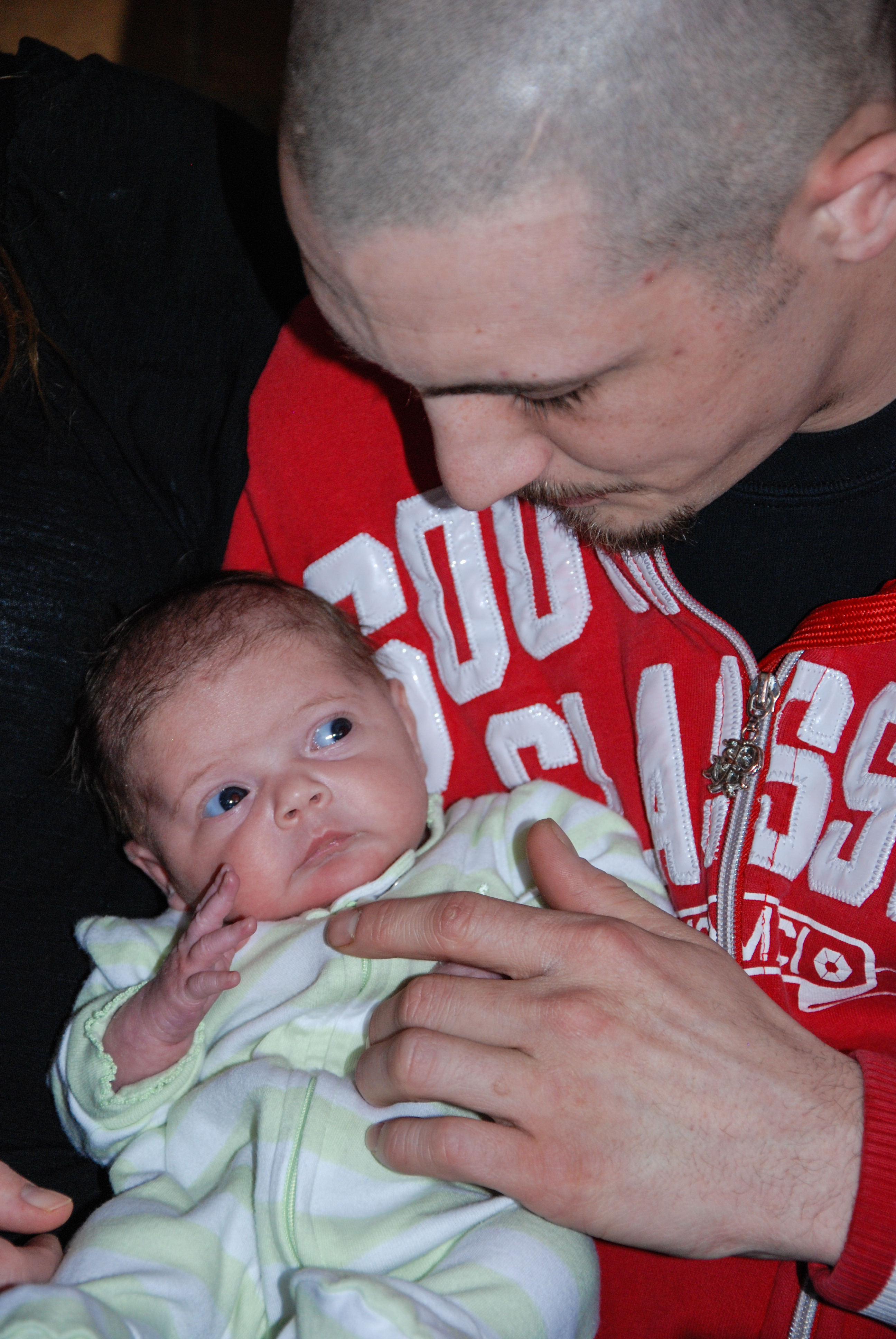
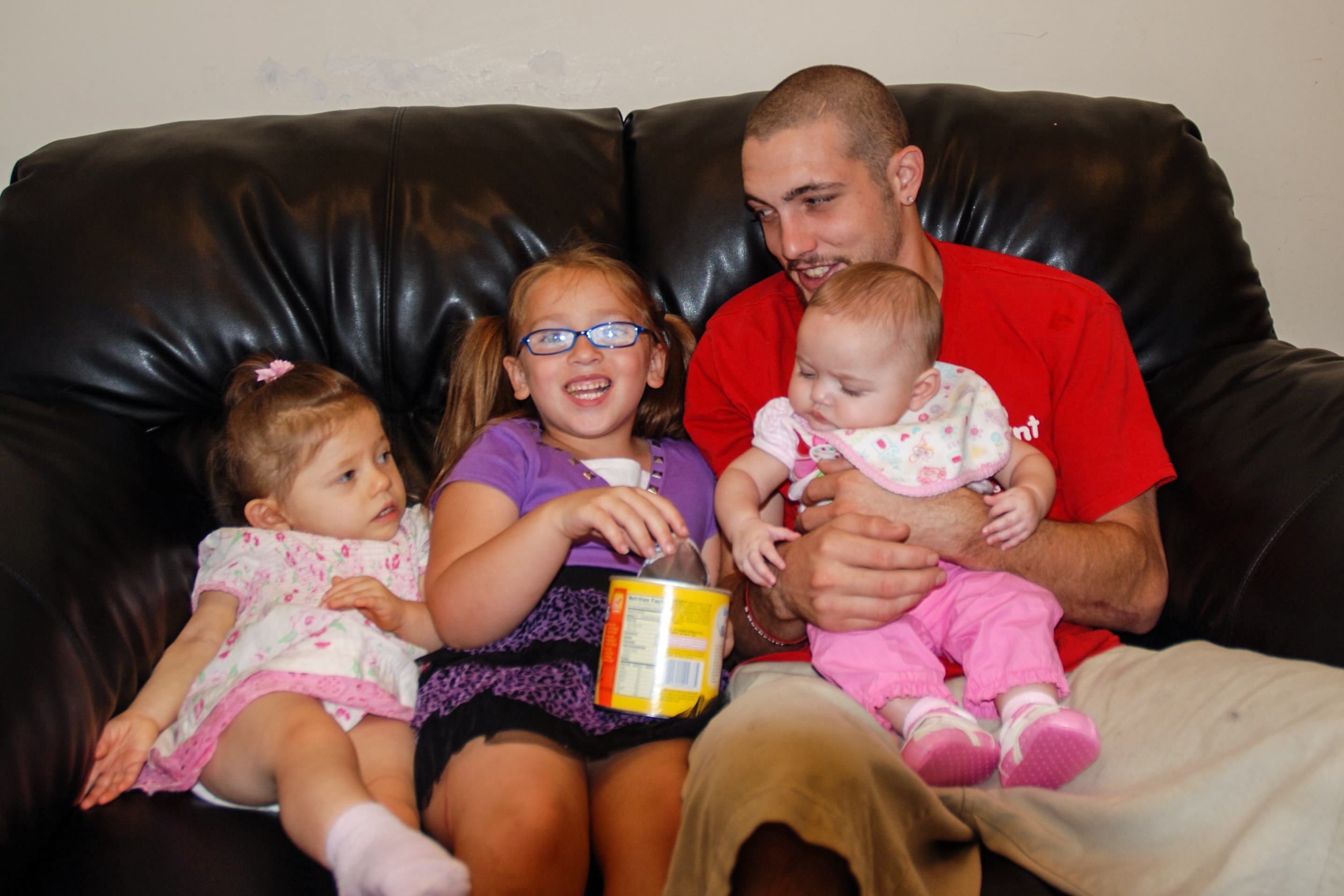
Patrick and his girls - Kiley, Katlyn, Kae-Lee

Patrick and his girls – Kiley, Katlyn, Kae-Lee

2 Comments

Filed under Family, Life is a Melting Pot, Scrapbooking, Uncategorized, Writing

MY CRAZY WEEK

0801 Bathroom Shots 2014-1

This has been a whirlwind week with meetings on Monday, Tuesday and Wednesday evenings for three different groups I am involved with.  While at first glance the three activities appear to be different, in my life they inner-mix and blend so that each has a connection with the other.  If this happens in my life, it most likely occurs in the lives of everyone. 

 The family history group’s main focus is genealogy.  I am a member of the board and also newsletter editor of Blue Water Family Backgrounds.   As newsletter editor I spend time reading old articles and books for inclusion in the newsletter or as research for articles I am writing.  I also take photographs of historical sites and activities the club does for the newsletter.  My involvement in the club is what led to me writing the column Who Am I? for The Lakeshore Guardian.  The column provides readers information on doing family research. 

In addition to the writing the genealogy column and serving as newsletter editor for the history group, I am working on a book regarding my family’s involvement with Child Protective Services, foster care and my husband’s and my attempt to adopt our granddaughters.  This is an ongoing battle which has not yet ended.  I am learning the battles we have encountered are a huge and common problem across the country.  As a result of my writing activities I began attending a Freelance Writer’s Group.  The Freelance Writer’s Group is the reason I began this blog.  I learned that writers/authors typically have blogs so readers can get to know them and their writing style.  Each blog I write is accompanied by a photograph taken by either me or my husband, another interest and activity.

My husband and I have a photography business, Times Gone By Photography and are members of the Blue Water Shutterbug Club.    We take photographs of nature, events, and travel and have them available for sale at local art studios and on Fine Art America.  We photograph art shows and opening events for Studio 1219 in Port Huron, Michigan for which I write a promotional clip that we post with our photographs on the Studio’s Facebook page.  Our photographs have also appeared in an annual vacation magazine for the Blue Water area and a photo taken by me is currently on the cover of the local yellow pages phone book.   Photography also is important to my scrapbooking hobby. 

Scrapbooking ties in with genealogy.  I have a scrapbook of historical family photos and scrapbooking itself involves the recording of family events for future generations.   In addition to that I do an annual Christmas newsletter for family and friends and have saved copies of each for close to thirty years, a written history of our family and our children’s lives growing up. 

All of these interests — family history, freelance writing, and photography tie together in a unique blend, mixing together and supporting each other in my life.  Just as my lifestyle is a melting pot of various activities that swirl and blend together, yours most likely is as well.  When life seems to be a jumbled mess of meetings, activities, and work take a look at what you are doing and how they inner relate to each other.   Stir up the blend and enjoy the results, because after all, Life is a Melting Pot.

1 Comment

Filed under Family, genealogy, Life is a Melting Pot, Photography, Scrapbooking, Uncategorized, Writing

LIFE IS A MELTING POT

I recently attended my first meeting of a Freelance Writers Group during which I learned that it is important for writers, especially those who write or plan to write books, to have a blog.  Anyone who knows me will tell you that when it comes to putting words on paper I do not have a problem.  However, the idea of writing a blog  was almost overwhelming.

When I see blogs they are generally topic specific.  Each posting is always on one general subject, but what should I write about?  I am a writer, newsletter editor, and am working on a book.  My husband and I have our own photography business, Times Gone By Photography, and spend a lot of time out shooting pictures.  I am a scrapbooker, enjoy reading, attend a wide variety of local events, enjoy traveling when I can, work full time in a law office, and am a mother and grandmother.  Which of those subjects should I choose?  That was my dilemma.

My life is a melting pot of various activities. Everyone’s life is a melting pot.  That is how I developed the theme, or title of my blog.  This blog is about  life and will cover all the various aspects of it.   The good, bad, serious, and funny.    Hopefully everyone finds something they can relate to in each post, because after all, Life Is a Melting Pot.

Image

1 Comment

Filed under Family, Life is a Melting Pot, Uncategorized, Writing